Textiles break—or they resist. And to be honest, knowing which outcome before cutting fabric can save a fortune. Actually, not long ago we had no choice but to test swatches physically, again and again… wasting time, money, and patience. Personally I think the rise of virtual tools is a quiet revolution—sometimes overlooked, but deeply powerful.
The top 5 tools for virtual textile strength testing blend hardcore engineering software with fashion-focused 3D design platforms. Each offers something different—accuracy, usability, or speed.
So… let’s walk through them one by one, with both optimism and caution.
TexGen + Abaqus/ANSYS Integration
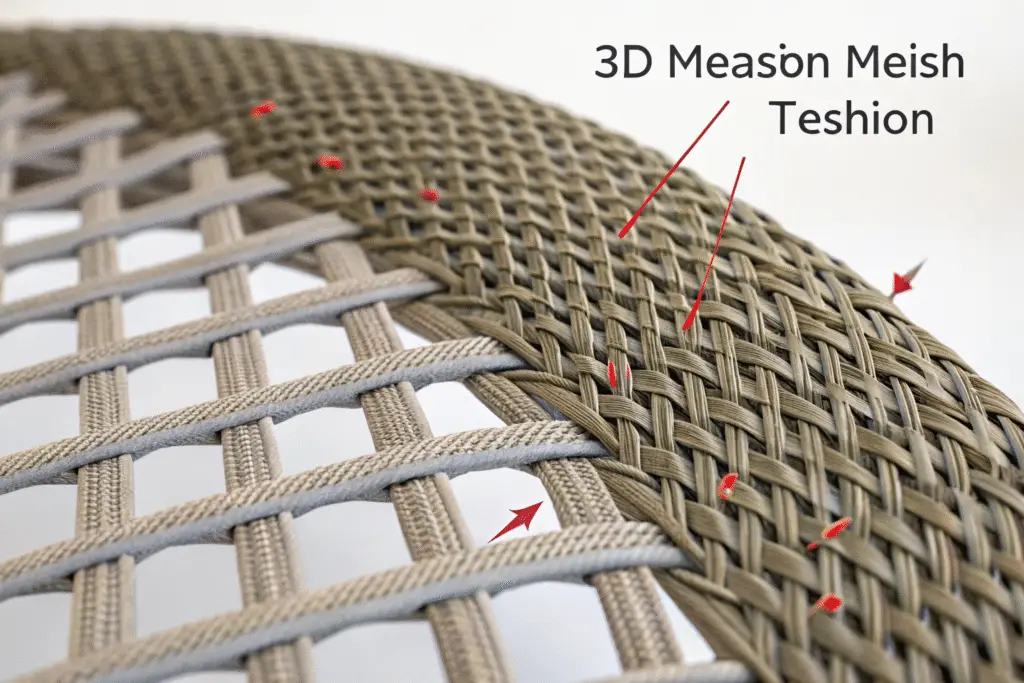
TexGen, born at the University of Nottingham, generates 3D textile geometry—yarn by yarn. Pair it with Abaqus or ANSYS, and suddenly you’ve got finite element analysis (FEA) predicting how fabrics will stretch, shear, or snap. Rarely do we get such detail, unless we break yarns in a lab.
Actually, TexGen doesn’t test strength itself—it feeds the FEA machine, making Abaqus or ANSYS see every yarn, every cross-over.
Why is TexGen unique?
Because it captures geometry that most simulators skip. You can export to solvers like Abaqus or ANSYS. The output? Stress–strain curves close to reality.
What’s the downside?
Steep learning curve. Personally I think only engineers with patience will get full value. Designers may find it overwhelming.
KES-FB (Kawabata Evaluation System) Virtual Modules
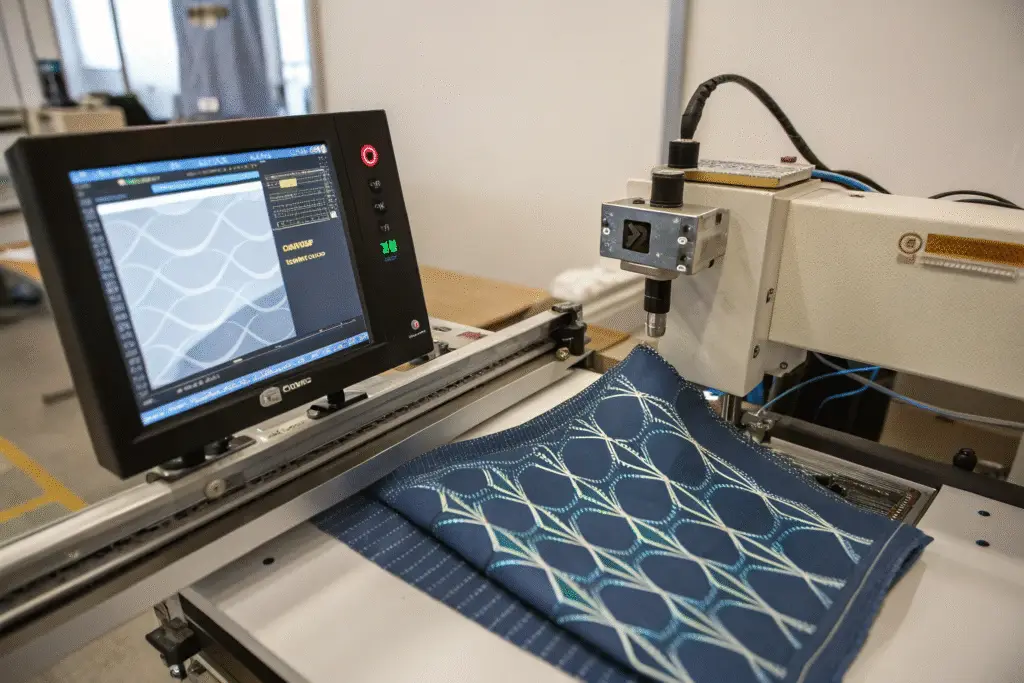
The Kawabata system—KES—is the old giant in textile testing. Originally, it was purely physical: machines that squeeze, shear, and bend fabrics. But new modules let you run simulations if you feed in lab data.
Actually, KES predicts strength, bending, and even fabric hand. It translates numbers into usable models.
Why do brands still trust it?
Because it’s standardized. Major apparel groups build databases of fabric performance with KES data. See details on KES official site.
Where does it fall short?
It’s not predictive from zero—you need samples. No swatch, no data. To be honest, it’s more “augmented lab” than pure virtual.
FAST (Fabric Assurance by Simple Testing)
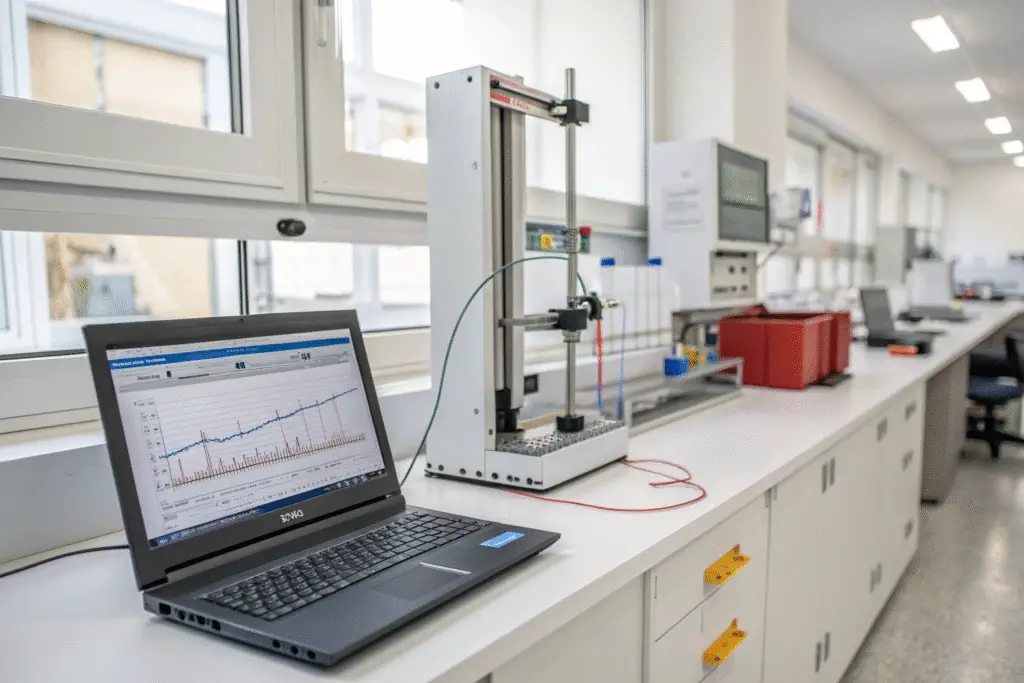
FAST, from CSIRO, is the little sibling to KES. Easier, cheaper, and quicker. It focuses on low-stress mechanics like bending, stretching, and shear.
Personally I think FAST is great for sourcing teams—less intimidating, but still gives predictions for garment performance.
What can it do well?
It predicts how fabrics behave in tailoring and wear. Explore CSIRO FAST info.
What can’t it do?
It won’t replace FEA. Actually, FAST tells you trends, not detailed yarn-level stress.
MSC Digimat
Digimat is a multiscale modeling platform—used more in aerospace than apparel. Still, it simulates woven, knitted, and braided textiles under load. Personally I think it’s overkill for T-shirts, but perfect for technical fabrics.
Actually, Digimat shines when you need high-fidelity prediction of failure points, mechanical loads, or even thermal response.

Why invest in it?
Because you get accuracy that others can’t match. See Hexagon Digimat.
Why hesitate?
Cost and complexity. Rarely can a fashion brand justify it—unless they’re in performance gear or composites.
CLO Virtual Fashion & Browzwear
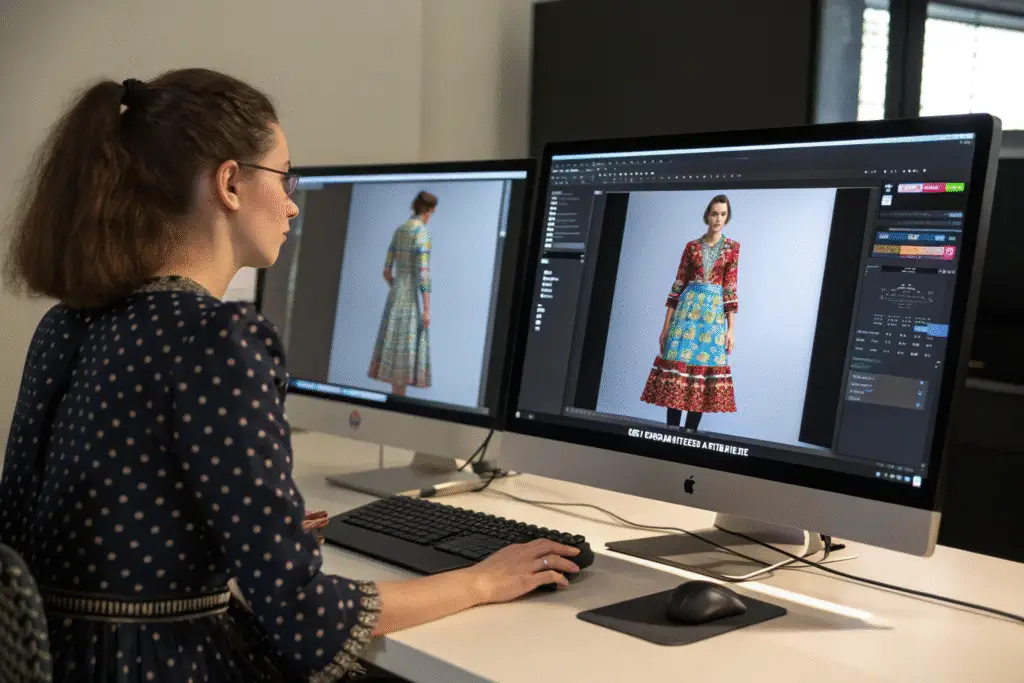
CLO and Browzwear are mainstream fashion 3D platforms. Not engineering tools, but their physics engines simulate drape, stretch, and sometimes failure points. To be honest, they’re easier to learn—and much prettier interfaces.
Actually, they’re the bridge: designers see how fabric looks and how it might behave.
Why are they popular?
Because they unite visuals with physics. Check CLO3D or Browzwear. You see the garment in motion, not just graphs.
Where’s the limit?
They can’t do micro-level yarn analysis. Personally I think that’s okay—for many fashion houses, garment-level behavior is enough.
Conclusion
These five tools—TexGen with FEA, KES-FB, FAST, Digimat, and CLO/Browzwear—cover the spectrum from hardcore engineering to practical design. No single one is best. Actually, your choice depends on who you are: an aerospace engineer, or a fashion designer.
At Shanghai Fumao Clothing, we combine them. Personally I think the balance is key: we use CLO for design visualization, FAST for quick sourcing checks, and partner labs for KES data. This way, we bridge creative design and mechanical reality.
If your brand wants reliable textile strength predictions before production, contact our Business Director Elaine at elaine@fumaoclothing.com or visit shanghaigarment.com.