Festivals, parties, celebrations—they’re about energy, sparkle, and surprise. Yet, to be honest, traditional glitter and plastic confetti leave a nasty footprint. Actually, more and more buyers now demand eco-alternatives. And personally I think this isn’t just a niche—it’s a wave.
Biodegradable confetti-embedded festive wear solves the problem: garments decorated with rice paper, cellulose, or cornstarch-based confetti that shine on the dance floor but leave no plastic waste behind.
So… how do you source them? It’s not just about suppliers; it’s also about testing, design, and even shipping methods.
What Materials Make Biodegradable Confetti?
Not all confetti is the same. Some sellers brand theirs as “eco” but sneak in microplastics. Rarely do end buyers realize the difference until damage is done.
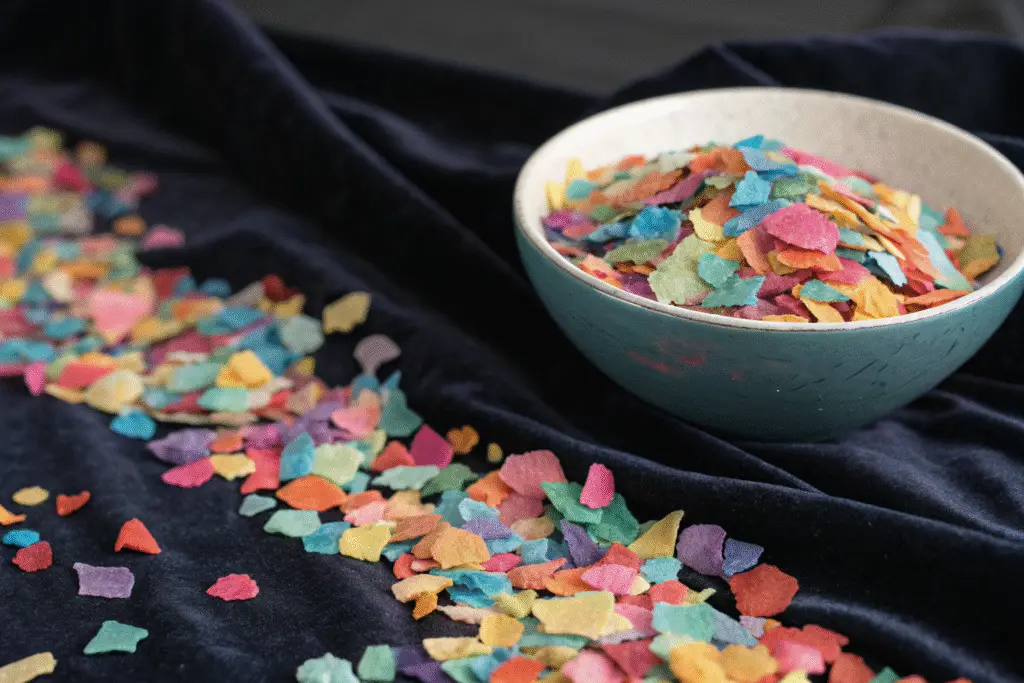
Actually, the real biodegradable stuff comes from rice paper, cornstarch, cellulose, or even dried petals—and each material has its own quirks.
What are the main options?
- Rice paper confetti: dissolves in water, holds bright shades. See Alibaba eco confetti suppliers.
- Cornstarch film confetti: soft, feather-light—melts fast in moisture.
- Cellulose flakes: tougher, compostable, used also in eco packaging.
Why embed them in wearables?
Because confetti stuck onto dresses or trapped inside mesh turns clothes into interactive art. The sparkle lives through the party, then vanishes with no trace.
Where To Find Reliable Suppliers
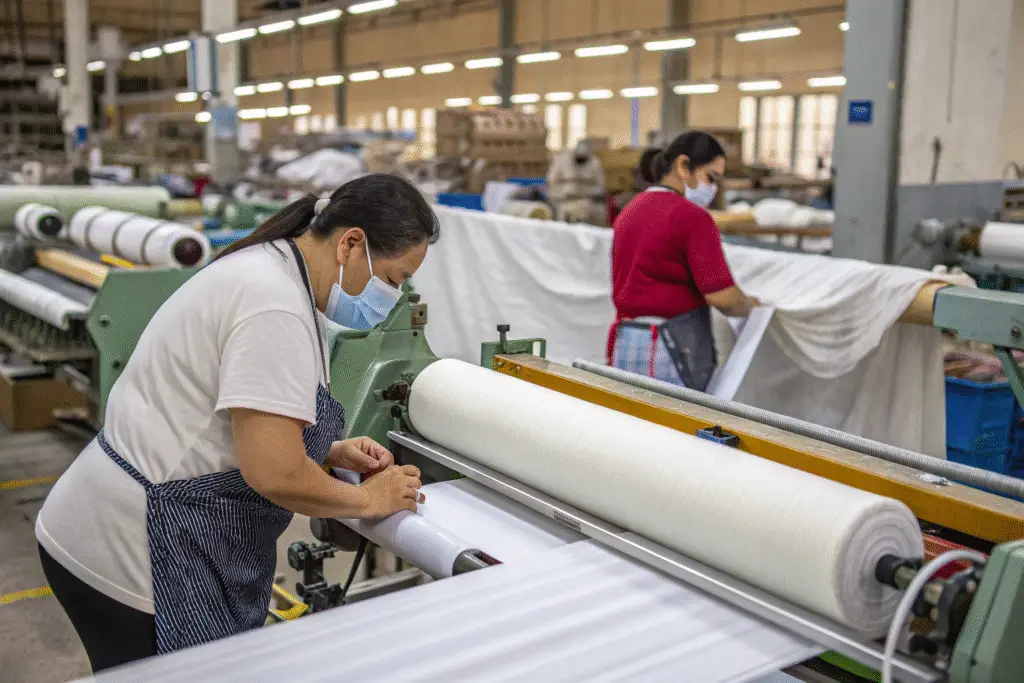
Suppliers? They’re not all ready for this. Many only sell loose confetti, not fabrics. To be honest, what you need are textile converters or OEM factories that understand bonding fragile particles to garments.
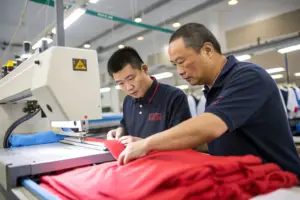
Reliable suppliers should show prototypes, certifications, and even video of production—anything less is risky.
Which sourcing channels make sense?
- Made-in-China biodegradable fabrics.
- Alibaba eco clothing factories.
- Niche eco outfits like Eco Confetti UK.
What questions to ask?
- Can they prove compostability (EN13432, ASTM D6400)?
- Which bonding method—heat, adhesive, embroidery—do they use?
- Will garments be washable, or intended as single-use?
Quality & Testing Requirements
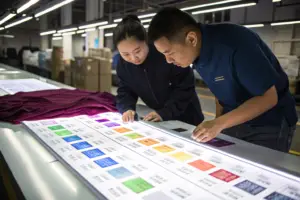
Eco-confetti is fragile—that’s the truth. Without checks, it falls off or melts before the party ends. Personally I think QC is non-negotiable here.
Actually, you must test for durability on the body and degradability in nature.
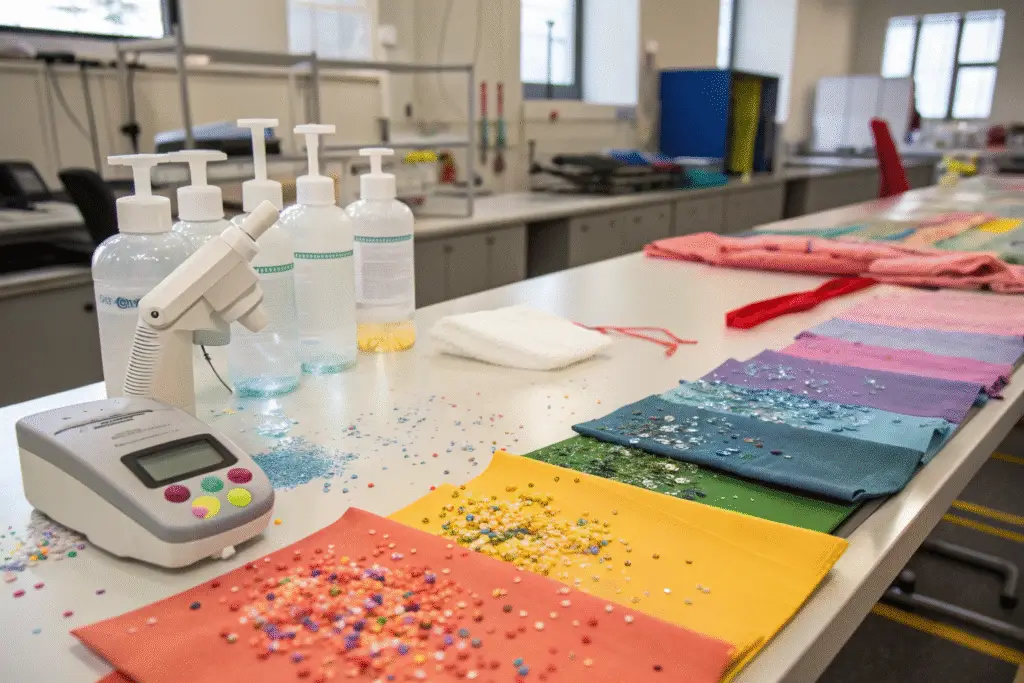
Which tests should be mandatory?
- Abrasion resistance: does confetti rub off too quickly?
- Water fastness: spray or mist test; see ISO 105.
- Compostability: compliance with ASTM D6400.
Washable or not?
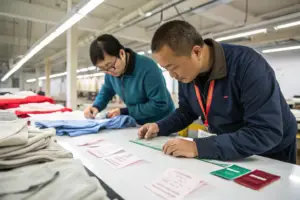
Most confetti garments are single-event pieces. Yet, cellulose-based variants sometimes handle light handwash. Always pilot test small runs—don’t just trust vendor claims.
Design & Aesthetic Considerations
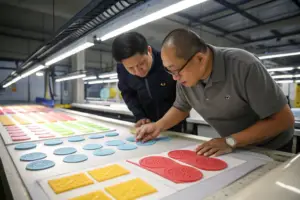
Festive wear is about drama. But comfort matters, too. Confetti can be glued on, heat-bonded, or sealed between translucent layers. Personally I think layered mesh panels look best—confetti seems to float inside.
Actually, the best looks combine bold color with breathable comfort.

What techniques do designers use?
- Mesh sandwiching: confetti trapped inside layers.
- Surface adhesives: easy, but flakes fall off faster.
- Stitch trapping: embroidery holds confetti—see inspiration on Pinterest festival fashion.
How to keep the wearer happy?
Use soft linings, avoid sharp or scratchy glue points, and design airflow. No one enjoys a suffocating costume—style must meet comfort.
Logistics & Cost Factors
Sourcing doesn’t stop with design. To be honest, logistics often breaks eco projects. Batteries aren’t a problem here, but eco certifications are. Customs ask questions.
Actually, cost depends on confetti material, garment complexity, and certifications.

What about MOQ?
Some niche factories allow 100–200 units; big ones want 500+. Tooling fees apply for lamination setups.
How should you ship?
Eco packaging strengthens your brand story. Use DDP (Delivered Duty Paid) to reduce customs delays. For rules, check ICC Incoterms.
Conclusion
Biodegradable confetti-embedded festive wear is both playful and responsible. It gives sparkle during the show, then fades without harm. Personally I think it’s the perfect symbol of modern fashion—short-lived joy, long-term care.
At Shanghai Fumao Clothing, we specialize in turning these ideas into reality. Actually, we already test eco trims, fabrics, and finishes. If your brand is ready to explore sustainable festive collections, reach out to our Business Director Elaine at elaine@fumaoclothing.com or visit shanghaigarment.com.