Designing clothes for life in space is not just about style—it’s about keeping astronauts safe, comfortable, and able to move freely. In weightless conditions, even small details like fabric choice or a seam can make a big difference. Zero-gravity clothing design focuses on flexibility, durability, thermal balance, and secure fastenings.
The best approaches use breathable flame-resistant fabrics, streamlined fits, reinforced seams, and fastening systems that stay secure in weightlessness.
From my background in garment production, I know how small design details improve performance. In space, those details become essential. Let’s go step by step through what works best.
Which fabrics are most suitable in zero-gravity?
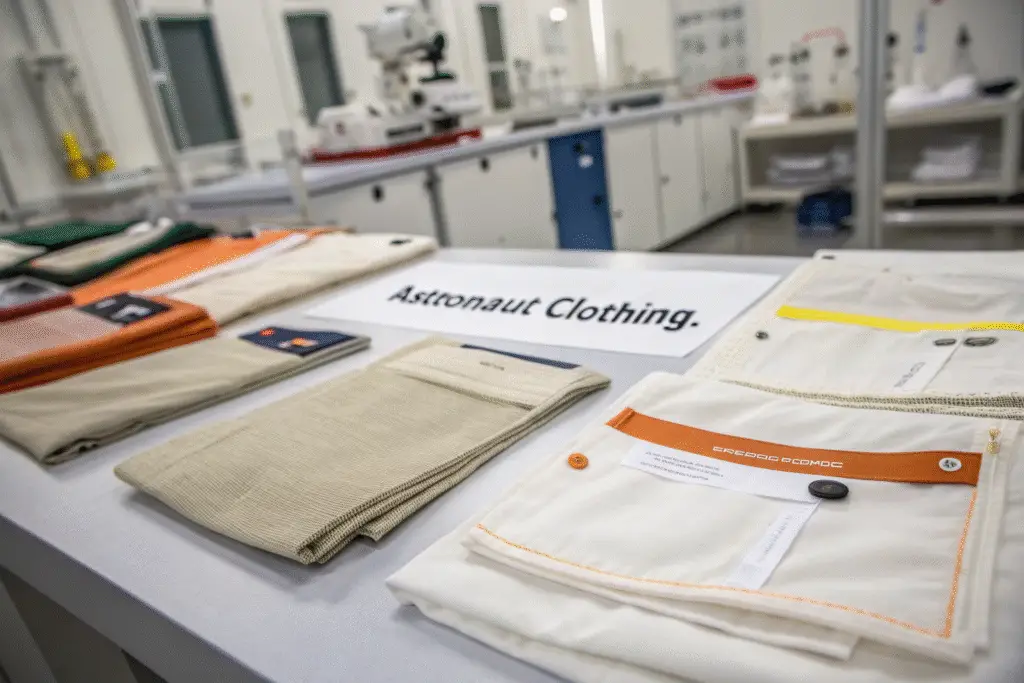
The first decision is fabric selection. Astronaut clothing must be light, breathable, and safe in case of fire.
Commonly used options include Nomex, Kevlar blends, and advanced synthetics that balance comfort and protection.
Why is flame resistance so critical?
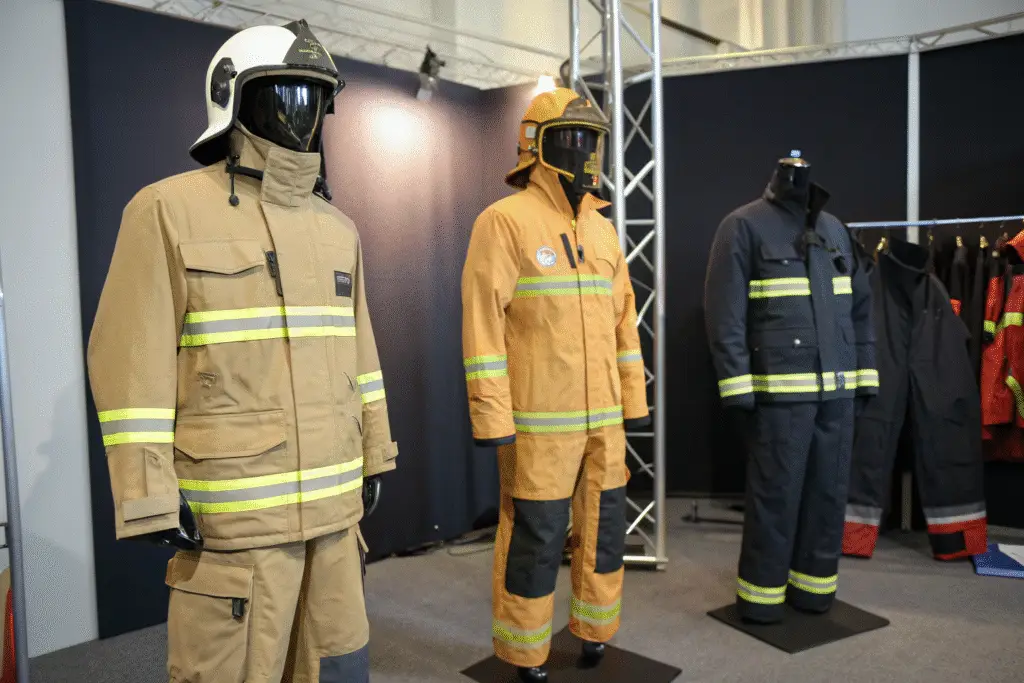
In space stations, fire is one of the biggest risks. NASA explains that flame-resistant fabrics reduce the danger significantly.
Can textiles manage heat and moisture?
Yes. Moisture-wicking fabrics keep astronauts cool and dry. Textile World reports that technical fabrics improve both comfort and performance.
How should clothing fit in zero-gravity?
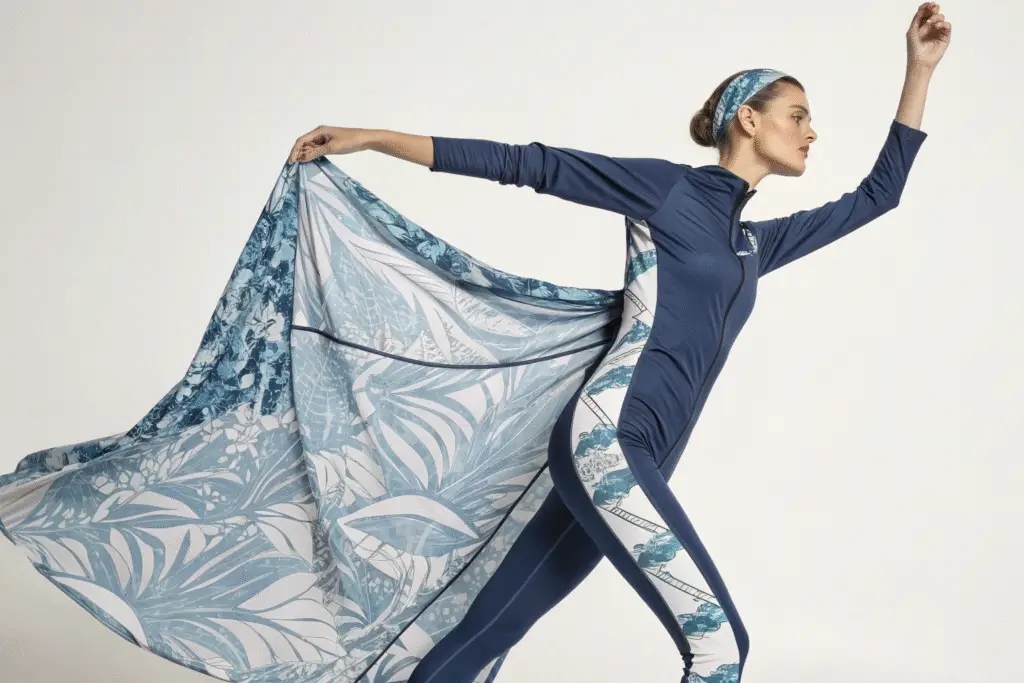
Loose garments float around, which can block tools or visibility. Clothing needs to stay close to the body without limiting movement.
The best practice is to design streamlined fits with stretch that allow flexibility but prevent extra fabric from floating.
Why not design baggy clothing?
Floating material can cause accidents or get in the way of tasks. Space.com notes that tighter fits improve both safety and mobility.
How do designers add flexibility?
By using elastic or stretch fabrics, astronauts can bend, twist, and handle tools more easily. MIT Media Lab has developed prototypes focusing on flexible spacesuit design.
How are seams and stitching designed for space?
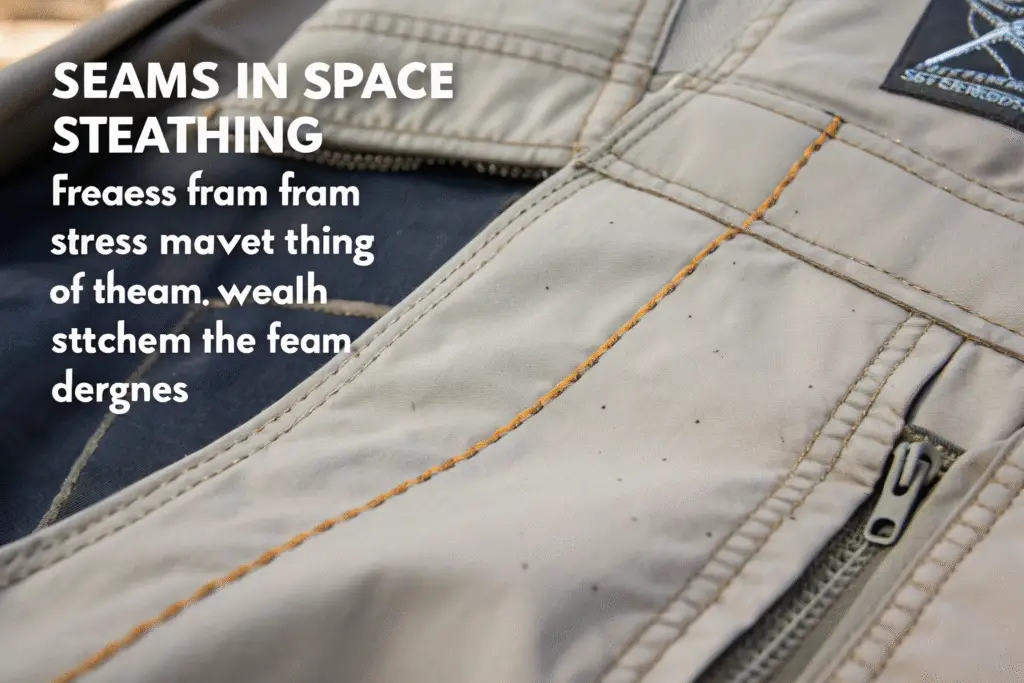
Seams in space clothing face constant stress from repeated movement. Weak stitching could cause dangerous failure.
Double-stitching and reinforced seams make garments durable enough for long missions.
Why double-stitching over single?
It prevents seams from unraveling when stretched or bent often. The American Sewing Guild recommends reinforced stitching for high-stress wear.
Are flat seams useful?
Yes, flat seams reduce skin irritation and make garments more comfortable for long hours. Textile Today highlights how flat seams are also common in sportswear.
Which fastening systems work best in zero-gravity?
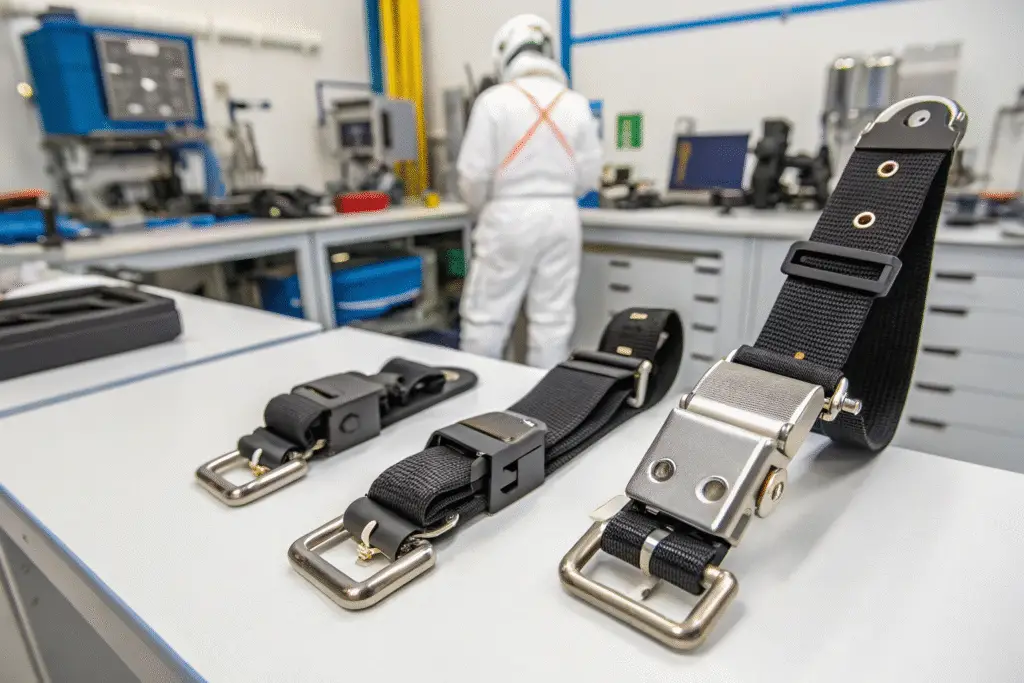
Traditional buttons or loose zippers are impractical in space. Clothing needs fasteners that stay secure but are easy to adjust.
Popular solutions include Velcro strips, magnetic closures, and modified zippers built for microgravity.
Why is Velcro so common?
It’s quick, reliable, and works well in weightlessness. The Smithsonian Air and Space Museum shows many historic space garments using Velcro for this reason.
Can magnets replace traditional zippers?
Yes. Magnets provide strong closure without jamming or snagging. Science Daily reports ongoing research into magnetic textiles for aerospace use.
Conclusion
Zero-gravity clothing design is less about fashion and more about function. Choosing flame-resistant fabrics, creating adaptive fits, reinforcing seams, and using reliable fasteners are the cornerstones of safe and effective design. These steps keep astronauts safe and able to perform their work in space.
At Shanghai Fumao, we aim to bring innovation into textiles and functional clothing. From industrial safety gear to experimental designs, we focus on combining comfort with durability. If you are exploring specialized apparel projects, contact our Business Director Elaine at elaine@fumaoclothing.com. Together, we can create garments designed for the toughest environments—even beyond Earth.