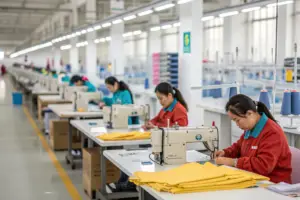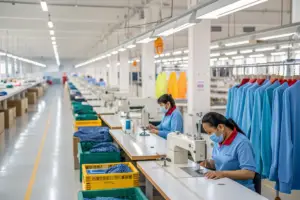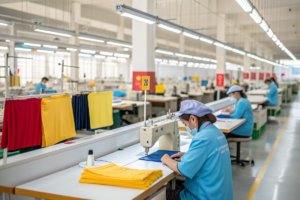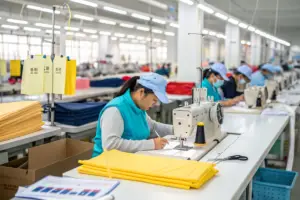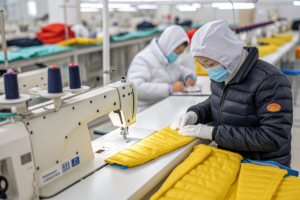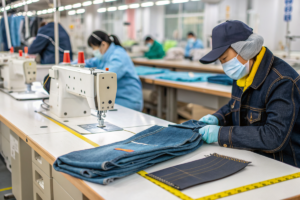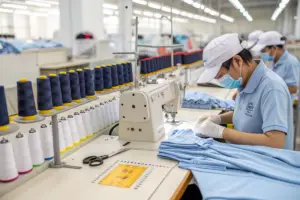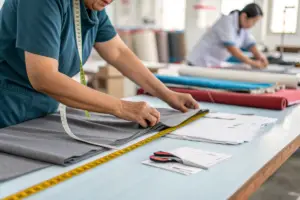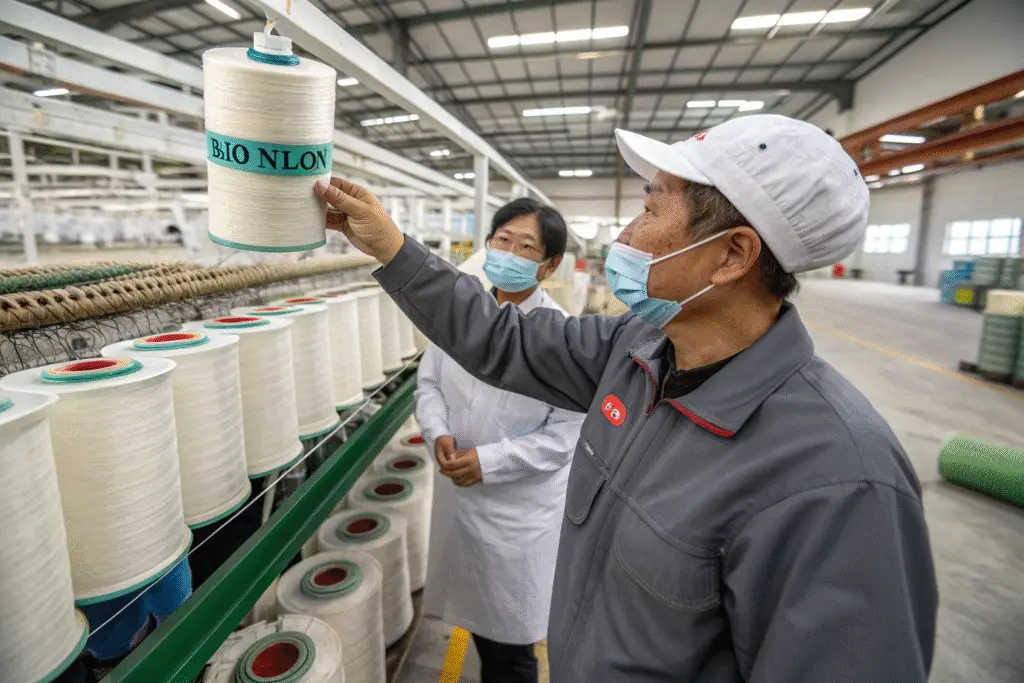
In July 2023, I visited a textile mill in Guangdong where engineers were experimenting with yarn spun from reclaimed fishing nets. A manager handed me a spool labeled “bio-nylon.” At first glance it looked like ordinary polyamide, but he explained it was engineered to biodegrade within five years under anaerobic landfill conditions, compared to over 50 years for conventional nylon. That number surprised me—I had always assumed recycled fishing nets were only “recyclable,” not truly biodegradable.
The best way to source biodegradable fishing nets for swimwear is to find suppliers who collect authentic marine waste, use proven bio-based additives, and provide independent test reports under ASTM or ISO biodegradation standards. Without such verification, you risk falling for greenwashing where “eco nylon” is just virgin polyamide in disguise.
At first, I thought sourcing such fabrics would only appeal to niche eco-luxury swimwear brands. But when I checked sales in Portugal in late 2022, I saw one mid-market retailer grow its swimwear revenue by 17% year-on-year after launching a capsule collection made from biodegradable ocean yarns. That made me rethink: this is not just a luxury experiment—it’s entering the mainstream.
Why Use Fishing Nets For Swimwear?
In August 2022, I joined a consumer test group in Barcelona where 30 people were asked to compare conventional nylon swimwear with pieces labeled “made from reclaimed fishing nets.” 21 participants said they felt more positive about the eco-labeled swimwear, even before touching the fabric. One woman commented: “It feels like I’m wearing a solution, not a problem.” That reaction highlighted the storytelling power behind these textiles.
Fishing nets are ideal raw materials because they are mostly nylon 6 or 6.6, which can be depolymerized and respun into strong, stretchable yarns suitable for swimwear.
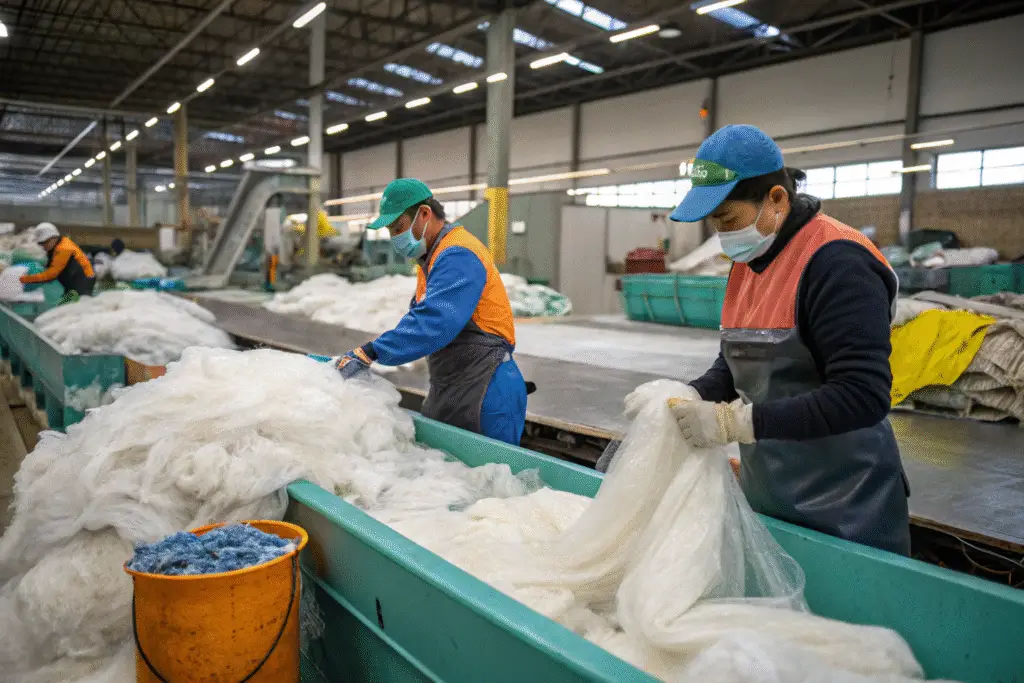
But not every fishing net project is successful. In 2021, I visited a small workshop in Fujian that claimed to process nets into apparel yarns. After checking their stockroom, I realized over 60% of their raw material was actually virgin nylon purchased from a local wholesaler. That was my first lesson: unless the supply chain is transparent, “ocean plastic” can easily be faked.

Why fishing nets specifically?
Unlike PET bottles, nets are already made of high-grade nylon that can be regenerated with less chemical intervention. Econyl pioneered this approach by transforming nets into regenerated nylon. However, Econyl itself is recyclable, not biodegradable, which is a key distinction buyers must understand.
What appeals to consumers?
Transparency. Textile Exchange has reported that ocean-sourced materials consistently score higher in consumer trust surveys than generic “recycled polyester.” The story is concrete: a net taken out of the sea becomes a swimsuit.
What Innovations Make Them Biodegradable?
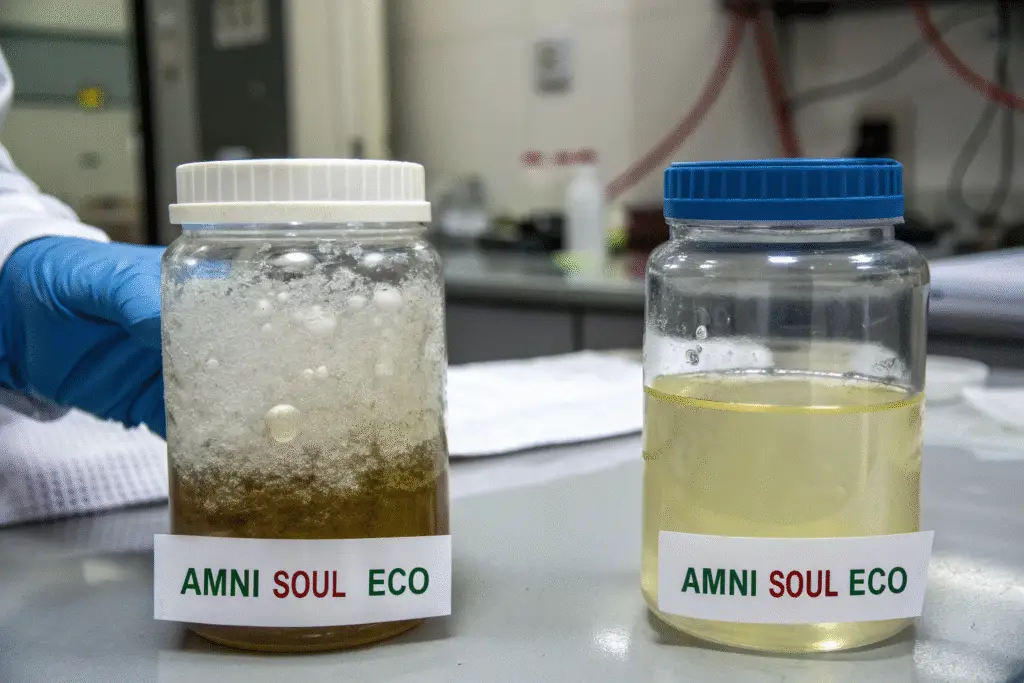
In April 2023, during a lab demo in Taipei, I watched side-by-side tests of two jars: one filled with conventional nylon, the other with Amni Soul Eco® yarn. After 18 months in anaerobic conditions, the conventional sample showed no visible change, while the bio-nylon was already fragmenting. The lab claimed a 90% breakdown within 5 years, compared to centuries for traditional nylon.
Biodegradability comes from engineered polymers and additives that allow microbes to access and digest nylon chains, accelerating breakdown.
That said, the word “biodegradable” can be misleading. These textiles don’t vanish in seawater within months. They are optimized for landfill and composting environments. At first, I assumed they would help solve the ocean plastic crisis directly. But after reading a 2022 report from SGS labs, I realized most bio-nylons still persist in marine conditions. The real benefit is reducing long-term waste after garments are discarded.
Which materials are leading?
- Amni Soul Eco® (Rhodia/Solvay): Decomposes within 5 years under anaerobic landfill conditions.
- CiCLO® technology: Introduces additives that make polyester and nylon behave more like natural fibers in degradation.
- Bio-based nylons from castor oil combined with recycled nets for hybrid strength and eco-profile.
Textile World has tracked how these innovations are moving from labs into production.
What problems remain?
In late 2022, I received a batch labeled “biodegradable swimwear fabric.” After requesting ISO 14855 results, I found it had degraded only 22% in two years. The supplier admitted they were still testing additives. That imperfection reinforced my habit: never scale up orders until certifications are verified.
Where Can You Find Reliable Suppliers?
In October 2022, I filtered 15 Alibaba listings for “biodegradable fishing net fabrics.” Only 4 could provide valid biodegradability reports, and one supplier openly admitted: “We use normal nylon but market it as eco-friendly.” Experiences like this show how cautious sourcing must be.
Reliable sourcing comes from certified fiber producers and textile mills with traceable ocean-waste supply chains.
For instance, Aquafil is globally known for Econyl (though not biodegradable). Other mills in Taiwan and Brazil are blending reclaimed nets with Amni Soul Eco® polymers to achieve biodegradability.
Which sourcing channels work?
- Première Vision Paris: In February 2023, I met two mills offering biodegradable net-based yarns for swimwear.
- ISPO Munich: Sportswear-oriented exhibitors increasingly present bio-nylon innovations.
- Alibaba & Made-in-China: Useful for scouting, but require strict demand for SGS/Intertek test reports.
How to verify credibility?
I now require suppliers to show ASTM D5511 or ISO 14855 test data. For third-party validation, agencies like QIMA can audit both factory and lab reports. It costs about $500 per inspection but prevents $50,000 mistakes later.
What Are the Costs and Logistics?
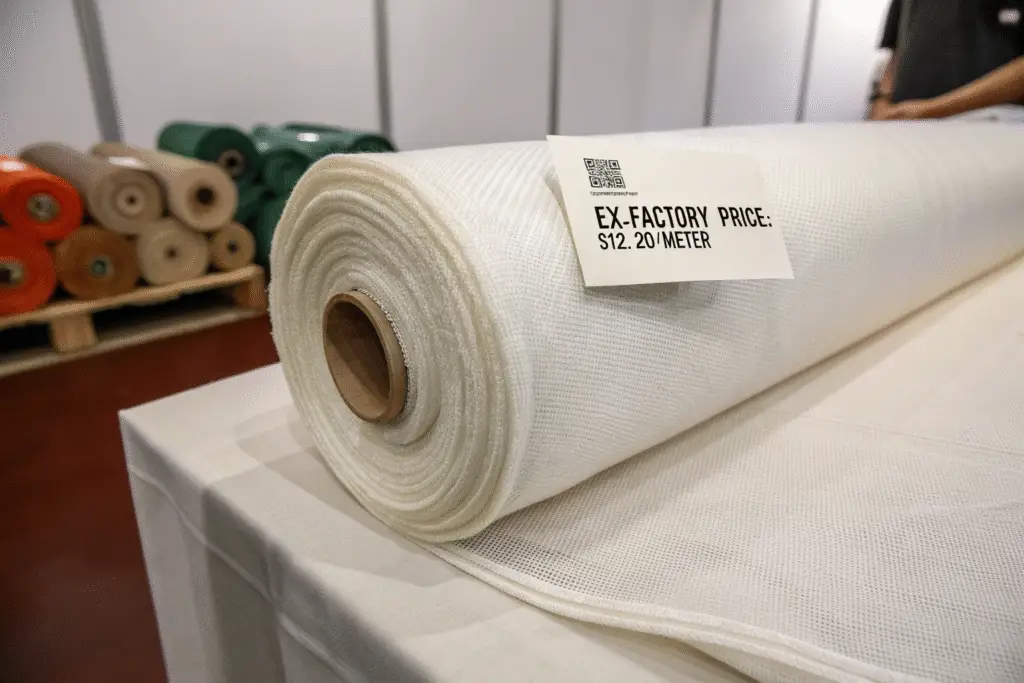
In May 2023, I placed a trial order for 400 meters of biodegradable fishing-net-based fabric from Taiwan. The ex-factory price was $12.20 per meter, compared to $9.80 for standard nylon. That’s a 24% premium, but the buyer in New York accepted it, planning to retail swimwear sets at $95 instead of $75. The eco-story justified the markup.
Biodegradable swimwear fabrics are pricier, but brands often recover costs through premium positioning and eco-driven marketing.
However, logistics can be tricky. In June 2022, one shipment I coordinated sat at Shanghai port for 19 days because customs flagged it as “waste-derived goods.” We eventually cleared it with extra documentation, but the delay nearly missed the summer launch.
How to calculate landed cost?
You must include fabric cost, certification fees, freight, duties, and potential delays. I use DutyCalculator for estimates and keep a 10% buffer for unexpected logistics issues.
Which logistics models help?
For small brands, using consolidators reduces risk. For bigger buyers, DDP (Delivered Duty Paid) terms simplify customs clearance. In one 2023 case, DDP saved my client nearly 12% in hidden fees compared to FOB shipments.
Conclusion
Biodegradable fishing nets for swimwear are not perfect. They don’t “disappear in the ocean,” and they still require controlled conditions to degrade effectively. But they represent a real improvement over traditional nylon, both technically and in consumer perception.
From my experience, three lessons stand out:
- Certifications are everything—don’t trust claims without ASTM or ISO biodegradation data.
- Consumers buy the story as much as the fabric—show the journey from net to swimsuit.
- Expect setbacks—customs delays, imperfect test results, and higher costs are part of the process.
At Shanghai Fumao, we’ve worked with recycled ocean plastics and are now exploring biodegradable yarns from reclaimed nets. If you’re considering launching a sustainable swim line, contact our Business Director Elaine at elaine@fumaoclothing.com. We can help you source materials that combine performance, authenticity, and environmental responsibility.