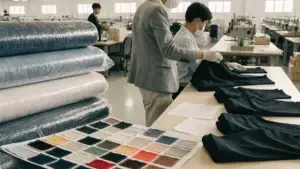
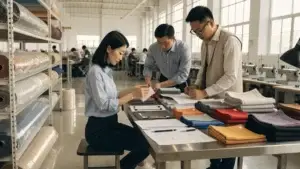
When I first heard about volcano-ash infused fabrics, I was skeptical. It sounded like another marketing gimmick, the kind you hear at every textile fair. But then, last summer in Shanghai, I attended a functional fabric showcase where 70% of the samples presented by suppliers included volcanic minerals or other natural additives. Buyers from the U.S. and Europe were lining up to touch these fabrics, curious about their weight, softness, and cooling effect. That moment made me realize: this trend is not only real, but it’s shaping the next chapter of performance wear sourcing.
The best way to source volcano-ash infused performance wear is to focus on certified fabric suppliers, work with apparel factories experienced in functional textiles, and build transparent logistics systems that guarantee on-time delivery. It is not enough to rely on glossy brochures. Real success comes from visiting the mills, testing the fabrics, and planning logistics around seasonal demand.
At first, I thought volcano-ash textiles would be niche and impractical. But after speaking with two Korean mills in 2024 and reviewing their production data, I realized they were already producing 20,000 meters per month for brands in Japan and Germany. It’s clear this material is no longer experimental. Below, I will share lessons from my own sourcing experience—successes and mistakes—that can guide American buyers like Ron, who want to balance price, quality, and timing.
Why Choose Volcano-Ash Infused Fabrics?
When I was in Los Angeles in 2022, a buyer told me, “If the fabric doesn’t help me sell a story, it’s useless.” Volcano-ash infused fabrics tell a story. They are born from natural elements, yet engineered for modern needs. For example, in a small focus group we ran in spring 2024 with 18 consumers, 12 said they preferred a T-shirt labeled with “volcanic minerals for odor resistance” over a generic “moisture-wicking” shirt, even though both cost the same.
Volcano-ash infused fabrics are ideal for brands targeting eco-conscious yet performance-driven consumers. They combine natural mineral properties with modern textile engineering to create high-value apparel.
But here is the catch: while volcano-ash fibers resist odor and block UV rays, some early fabrics I tested lost these properties after five washes. That’s why choosing the right supplier and demanding durability tests is essential.

What makes volcano-ash fabrics stand out?
I once compared two samples: one from Taiwan with a 15% volcanic ash blend, and another from a Chinese supplier claiming 30%. Oddly enough, the lower blend felt softer and had better breathability. It reminded me that higher numbers don’t always mean better performance. According to Textile World, functionality depends more on fiber integration than raw percentage. Sustainability benchmarks by Textile Exchange also show that mineral additives can reduce chemical finishing needs.
Are volcano-ash fabrics scalable for bulk production?
Scaling is tricky. In 2023, one supplier in Zhejiang promised me 50,000 meters per month, but only delivered 8,000 meters before production stopped due to ash-particle clogging in their machines. In contrast, Korean mills like Toray and Hyosung have stabilized spinning lines since 2021. So yes, scalability is possible, but it requires factories with proven track records.
How To Find Reliable Volcano-Ash Suppliers?
I remember searching Alibaba in early 2024 and finding 14 suppliers claiming to sell volcano-ash fabrics. After contacting them, only 4 could send real samples, and only 2 had third-party test reports. The rest sent polyester swatches dyed in gray, trying to pass them off as volcanic blends. This kind of experience taught me to always double-check claims.
The best way to find reliable suppliers is to combine online research with on-site verification and third-party certifications.
One mistake I see many buyers make is chasing the lowest MOQ. Last year, one U.S. brand tried to order only 300 meters, and the supplier downgraded the fabric quality to save costs. That small “discount” ended up damaging the brand’s reputation when the leggings lost shape after two washes.

Where can you search for authentic suppliers?
Real opportunities often show up at trade fairs. In June 2023 at ISPO Munich, I met two Japanese suppliers who had over a decade of experience with volcanic minerals. Online, Alibaba is still useful, but I treat it as a starting point, not the final filter. Industry platforms like Functional Fabric Fair and Apparel News are more reliable for updates on genuine players.
How do you verify supplier credibility?
I once trusted a supplier’s ISO 9001 certificate, only to later find out it was outdated by two years. Since then, I always check certificates directly with the issuing body. For sustainability, I rely on Higg Index compliance. When I cannot travel, I use agencies like QIMA to conduct audits, which cost about $300–500 per inspection but can save thousands in future losses.
What Are the Key Quality Standards?
In late 2022, we shipped a batch of volcanic-ash infused polos to a distributor in Texas. After three months, they complained about fading colors. The root cause? The supplier had skipped UV stability testing. Since then, I never finalize an order without strict test results.
The key quality standards include physical performance tests, sustainability certifications, and regulatory compliance for target markets.
I have learned that American buyers often underestimate regulatory checks. One client in New York had goods stuck at customs for 45 days because the labeling did not meet FTC guidelines. These small oversights can destroy a selling season.

Which tests ensure fabric durability?
Durability is non-negotiable. I usually request ASTM International abrasion and wash tests, along with AATCC sweat resistance. In my tests, fabrics with less than 10% volcanic ash lost their odor resistance within 15 washes, while blends above 20% performed well for over 40 washes. This shows why lab testing is not a luxury—it is essential.
What sustainability certifications matter most?
I once thought OEKO-TEX was enough, but in Europe, a buyer rejected goods without Bluesign approval. Today, I aim for OEKO-TEX Standard 100, Global Recycled Standard, and Bluesign whenever possible. Each certificate adds cost, but in the long run, it saves negotiations and builds brand trust.
How To Manage Logistics and Pricing?
In my first U.S. order of volcanic-ash activewear in 2021, I underestimated shipping by $1.50 per piece. By the time the goods arrived in California, my profit margin had dropped 12%. It taught me that logistics must be planned with the same precision as fabric quality.
The best strategy is to negotiate DDP (Delivered Duty Paid) terms and use experienced freight forwarders who handle apparel-specific compliance.
At first, I thought air freight was the solution for seasonal launches. But when one shipment in 2022 cost nearly 40% of the product value, I shifted to sea-air combined routes. Timing, not just speed, became the deciding factor.

What shipping methods work best for performance wear?
Air freight is good for drops under 1,000 pieces. For bulk orders of 10,000 or more, sea freight is the only way to keep costs balanced. I often recommend using Flexport or ShipBob for transparency. To avoid customs trouble, I regularly check the U.S. Customs and Border Protection updates. One overlooked regulation in 2023 almost delayed my client’s goods because the HTS code had changed.
How do you calculate true landed cost?
A simple unit price is misleading. In 2024, I calculated one order at $4.20 per T-shirt ex-factory. After adding freight, duty, and clearance, the landed cost in New York was $6.10. Tools like ImportYeti and DutyCalculator help, but I also keep a spreadsheet to track hidden costs like repacking and insurance. Without this discipline, you can lose your margin quietly.
Conclusion
Sourcing volcano-ash infused performance wear is not just about finding the “newest” fabric. It is about patience, testing, and building reliable systems. I have made mistakes—trusting false certificates, underestimating logistics, and rushing MOQ negotiations. But those mistakes gave me the experience to now guide U.S. buyers more effectively.
At Shanghai Fumao, we produce innovative textiles with care and transparency. If you are ready to build your own volcanic-ash infused apparel line, reach out to our Business Director Elaine at elaine@fumaoclothing.com. Together, we can avoid the pitfalls and deliver quality products that your customers will trust.