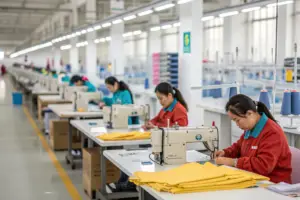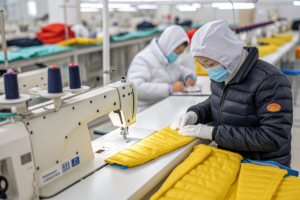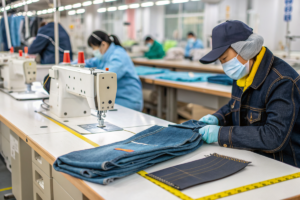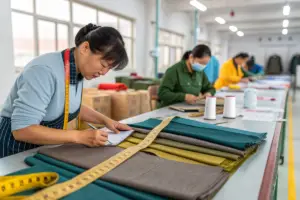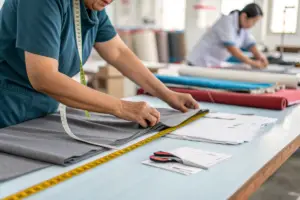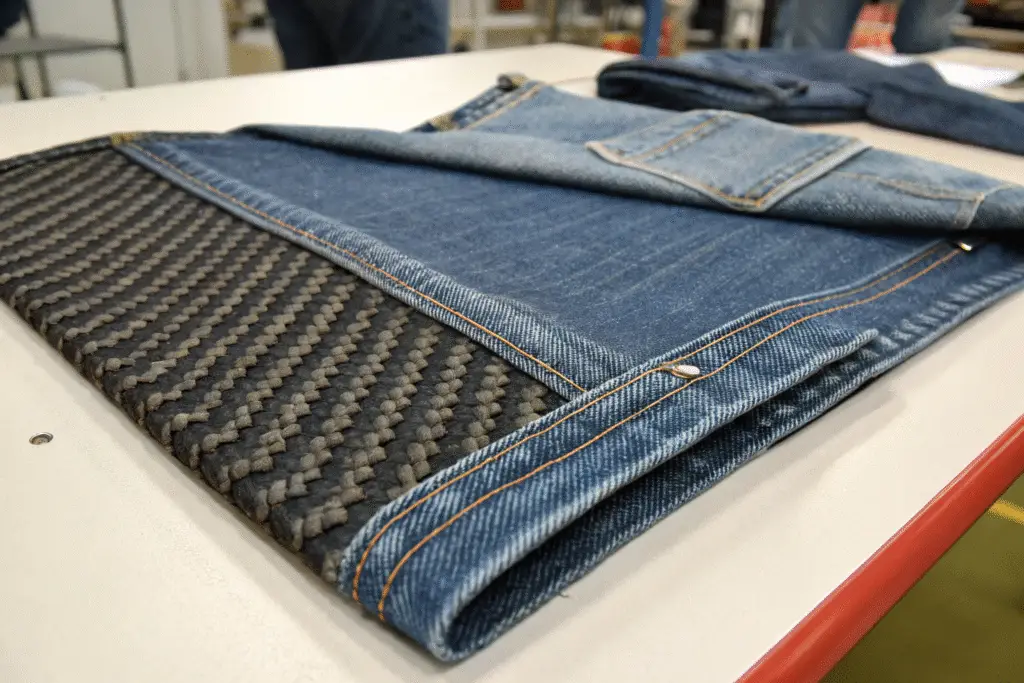
I still remember the first time I touched a piece of denim with carbon fibers woven into it. Honestly, I expected it to feel like sandpaper—stiff, rough, unwearable. But actually, it felt surprisingly normal, almost like heavyweight work denim. From my observation in this industry, carbon fiber-reinforced denim isn’t just some lab experiment; it’s already being tested in workwear and even premium jeans.
The simple idea is: add carbon fibers into denim yarns or structures to make them tougher, more durable, and in some cases even smarter. It’s not perfect—costs are higher, and comfort is a balancing act—but I think it’s one of the more exciting textile directions we’ve seen in years.
Optimized Carbon Fiber Blending
One lesson I’ve learned is that with carbon fibers, ratio matters. Too much and you’re making armor, too little and you’re wasting money.
From tests, the sweet spot is often around 8–12% carbon fiber blended into the yarn.
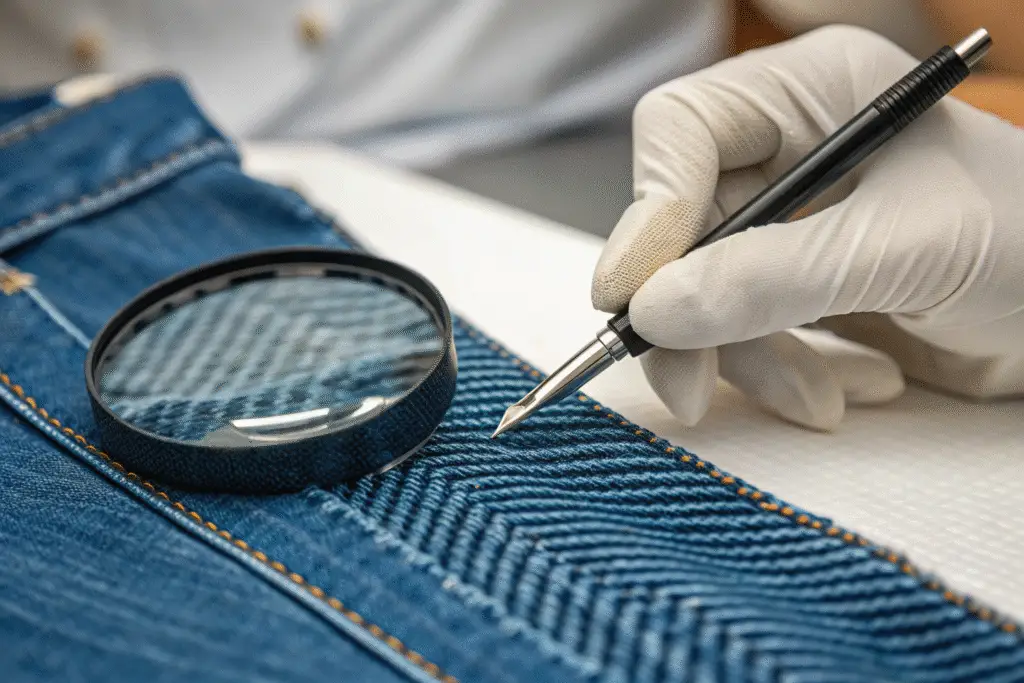
Why does the blend ratio matter?
Well, denim is supposed to be comfortable. If you add 20% carbon, the jeans start to feel more like motorcycle gear than everyday wear. But at 8–12%, you get something impressive—tear resistance jumps by around 40%, according to HXH Denim. And surprisingly, the fabric still feels like denim.
What’s the trade-off?
In my experience, cost is the obvious headache. Carbon yarn isn’t cheap. Plus, weaving blended yarns can be tricky—factories without practice may see broken threads or uneven indigo dyeing. Still, for premium jeans or heavy-duty workwear, it’s worth it.
Core-Spun Yarns and Carbon Core Designs
Another clever approach is hiding the carbon inside. With core-spun yarns, the carbon sits at the center, wrapped in cotton or polyester.
This way, the strength is there, but the consumer only feels softness.
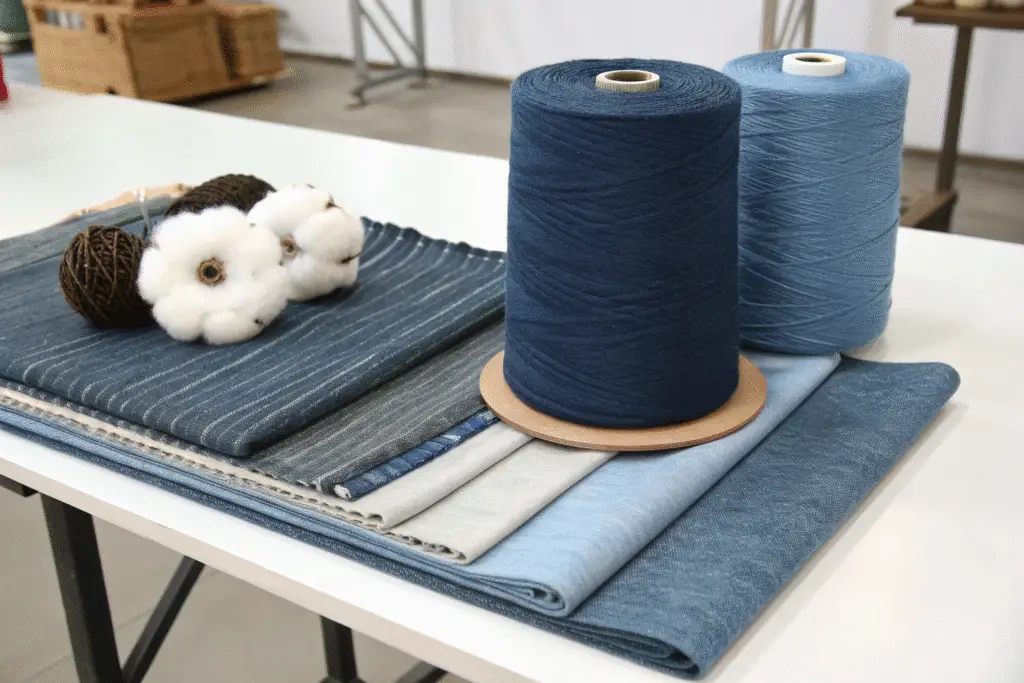
Why is this important?
Actually, exposed carbon can feel scratchy against the skin. Wrapping it solves that. The jeans look and feel like cotton denim but carry a hidden skeleton of carbon. I’ve seen brands test this for utility jeans and outdoor gear. From my observation, it’s a neat way to deliver reinforcement without sacrificing comfort.
Where’s the downside?
Manufacturing complexity. And frustratingly, seams can still be weak points—if the carbon core is cut or misaligned, the reinforcement disappears. That means stricter QC, which not every supplier is ready to handle.
Nano Coatings and Surface Protection
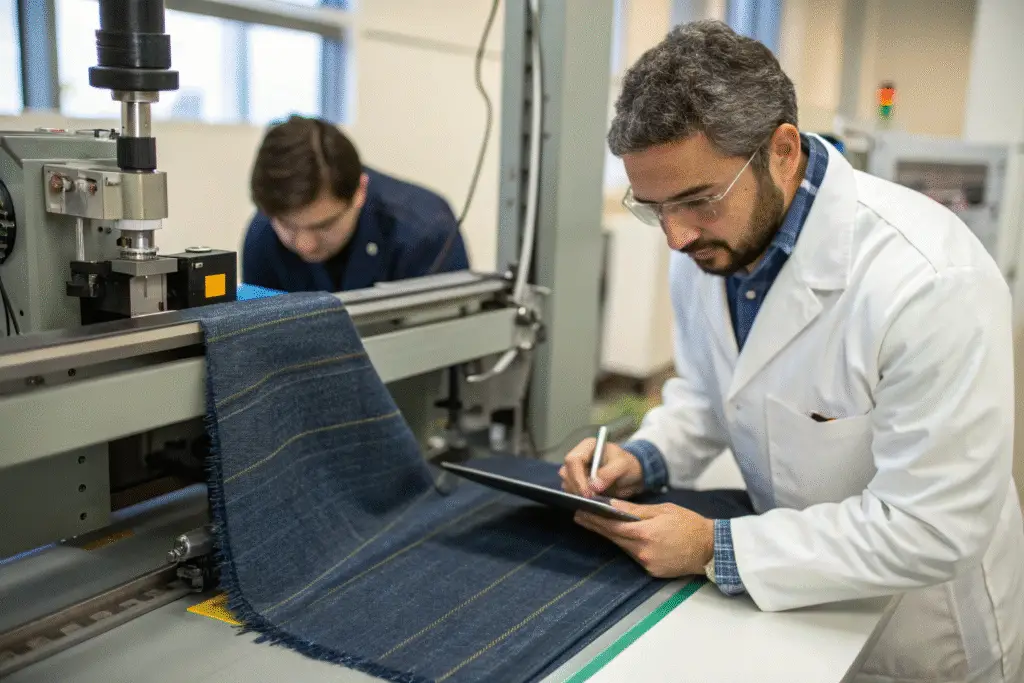
Some developers decided to go another route: apply nano coatings or resins on top of carbon-reinforced denim. The idea is to smooth the yarn surface, reduce snagging, and boost abrasion resistance.
In lab tests, coated carbon denim lasts significantly longer on abrasion machines.
Why bother with coatings?
Well, carbon yarns can sometimes poke out and snag. A thin protective layer makes the fabric look cleaner and perform better. Some coatings also improve wash durability, which is a big deal for denim.
What’s the challenge?
From my experience, coatings can be double-edged. They add cost, sometimes reduce breathability, and they may raise sustainability questions. If a buyer is building an eco-friendly collection, they’ll definitely ask what chemicals are in those coatings.
Hybrid Fiber Blends for Utility
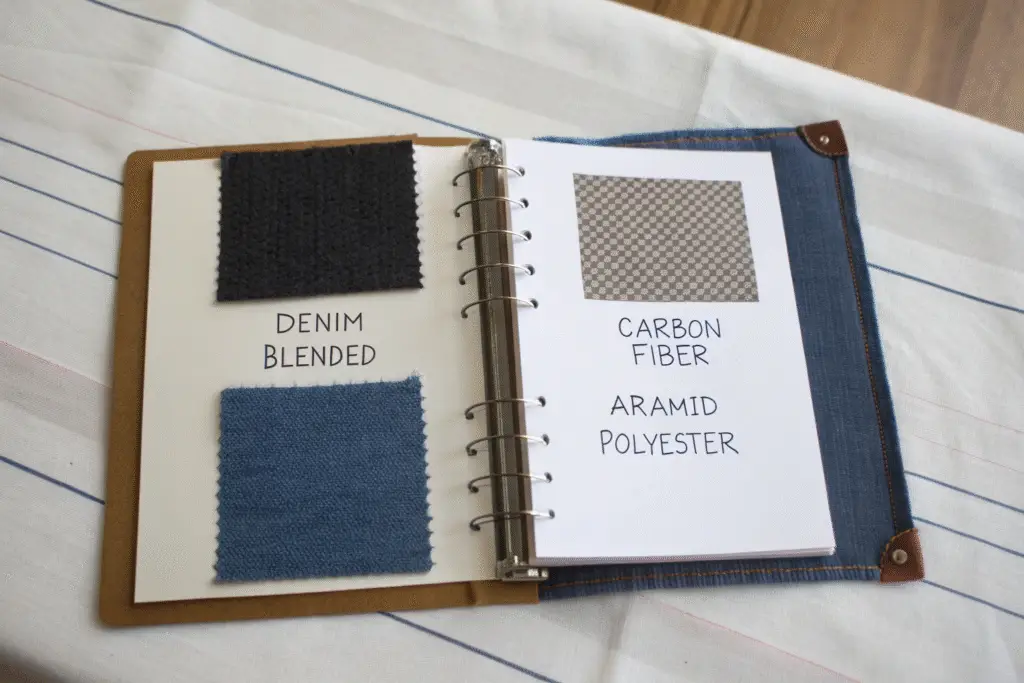
Carbon on its own is powerful, but blended with fibers like aramid or polyester, it becomes even more versatile.
The result is fabrics that resist tearing, hold their shape, and in some cases even add heat resistance.
Why combine multiple fibers?
Because each brings a different superpower. Aramid adds flame resistance. Polyester helps with wrinkle control. Mixing them with carbon makes denim suitable for construction pants or heavy outdoor jackets. I think hybrid blends are where most workwear brands will head first.
Where’s the difficulty?
Dyeing and finishing. Different fibers react differently to indigo and chemicals. From my observation, consistency in shade is harder to achieve, which means extra finishing steps and higher cost.
Smart and Functional Properties
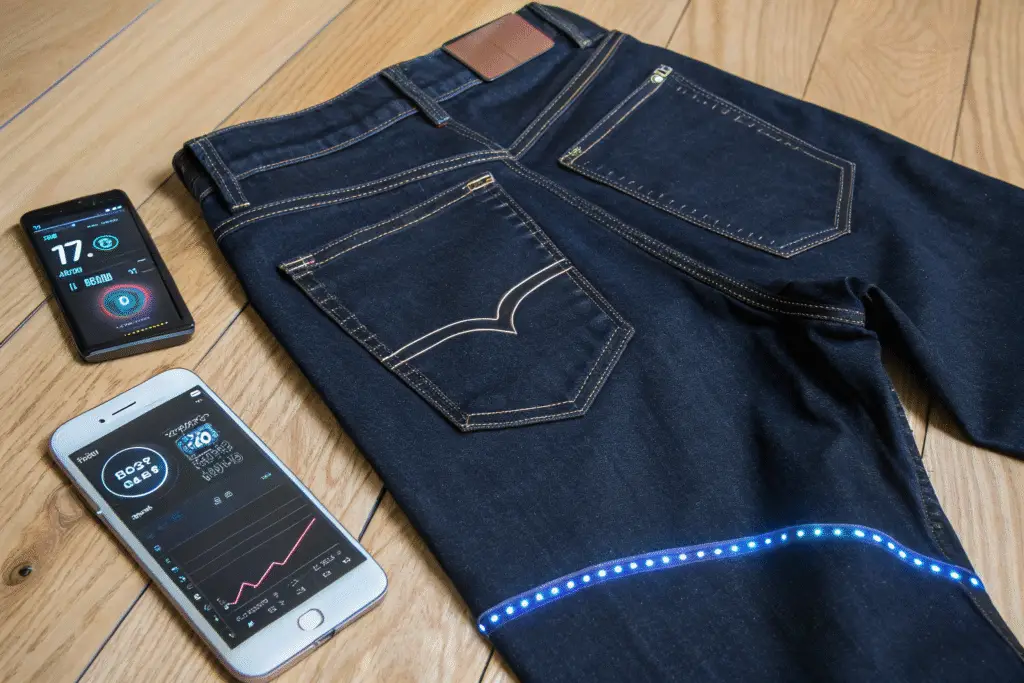
Here’s where it gets interesting: carbon is conductive. That means it’s not just about strength—it opens doors to anti-static denim, heating properties, or even sensor integration.
Imagine jeans that resist wear and also track your activity.
Why does this matter?
Because younger buyers want functionality. From my observation, many U.S. brands now ask about fabrics that “do more.” Carbon’s conductivity makes it possible to link denim with wearable tech or build anti-static workwear.
Is it ready for mass use?
Not quite. Costs are still high, and washing durability is questionable. I’ve seen prototypes that worked for a month but failed after a few laundry cycles. Still, it’s an exciting direction.
Conclusion
Carbon fiber-reinforced denim is moving from lab to reality. Optimized blends make denim stronger without losing comfort. Core-spun yarns hide reinforcement in the structure. Coatings smooth out performance issues. Hybrid blends expand utility. And maybe in the future, smart denim will combine durability with health tracking.
As someone who works in apparel manufacturing, I’ve seen how frustrating it is when jeans rip at the knees after a few months. Carbon-reinforced denim may not be cheap, but it answers that problem directly. I think the key challenge now is making it practical at scale without losing the comfort that makes denim so popular. If you’re curious about sourcing or testing carbon denim for your next collection, contact our Business Director Elaine at elaine@fumaoclothing.com. At Shanghai Fumao, we’re exploring these innovations and can help bridge the gap between cutting-edge fabrics and reliable production.