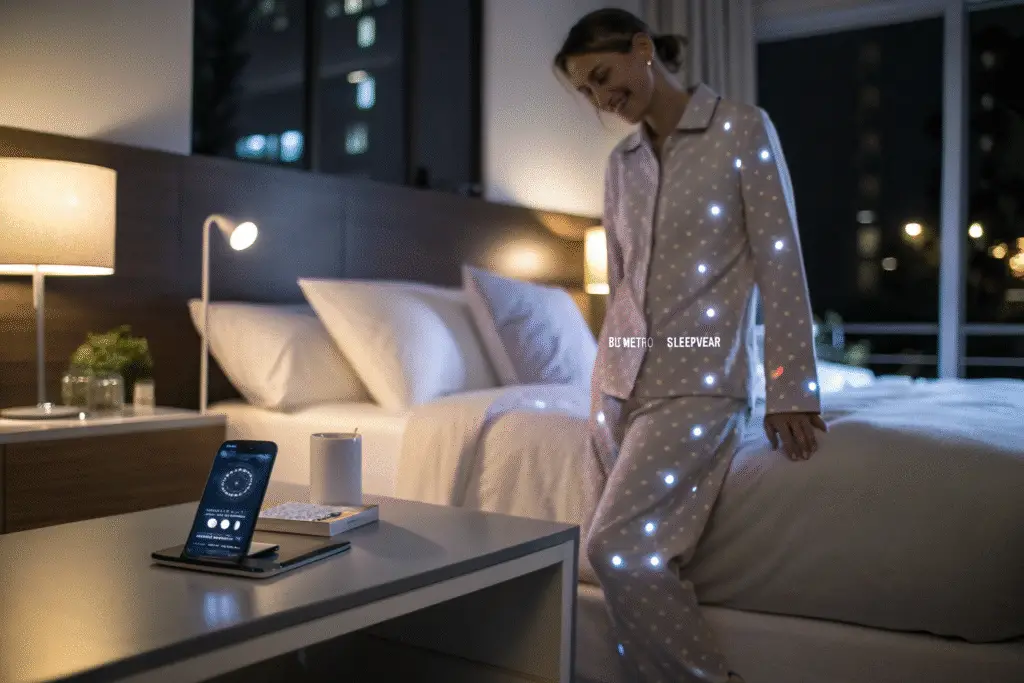
I still remember when a U.S. buyer asked me out of the blue: “Can your factory make pajamas that track sleep?” Honestly, my first thought was, are you serious? Pajamas have always been about comfort—soft cotton, breathable fabrics, cozy fits. But then I realized, actually, he wasn’t joking at all. Demand for biometric sleepwear is real and growing. People want clothes that don’t just feel good but also track heart rate, breathing, temperature, and movement while they sleep.
The tricky part is this: you’re no longer sourcing just pajamas—you’re sourcing a combination of textiles, electronics, and health technology. And from my experience, most regular apparel factories simply aren’t ready for that. If you want to avoid headaches, you need to approach it step by step.
Define Product Specifications Before Sourcing
I’ve seen buyers jump straight to asking factories for quotes, and frustratingly, they skip the most important part: writing a clear specification. If you don’t know exactly what you want, your supplier definitely won’t know either.
You need to decide upfront: which metrics matter, what level of accuracy you need, and how the garment should function.
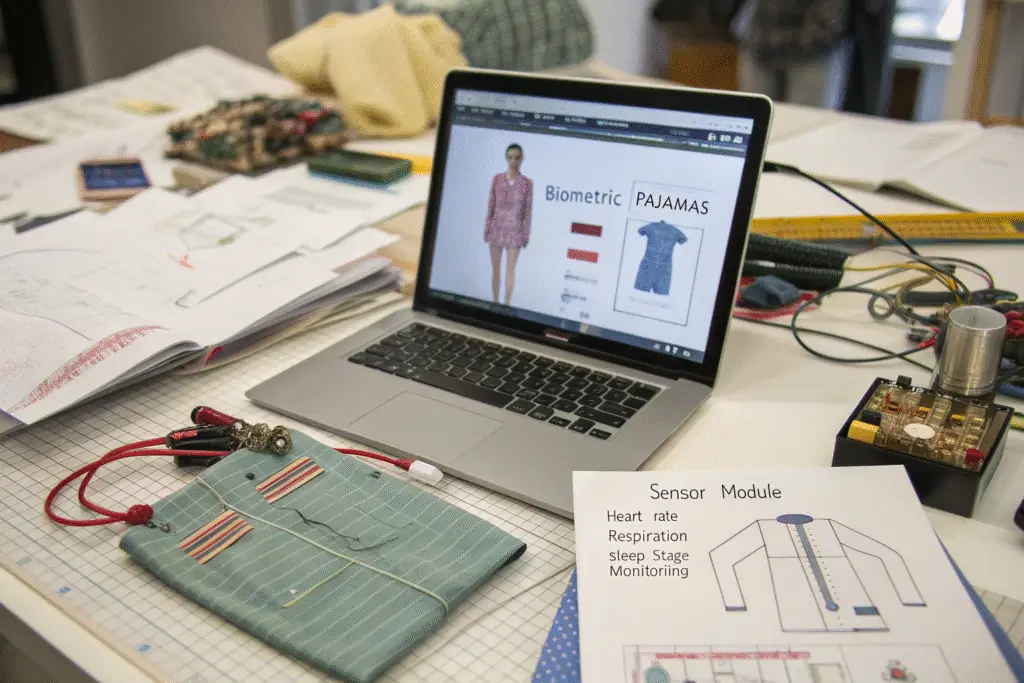
What specifications should you write down?
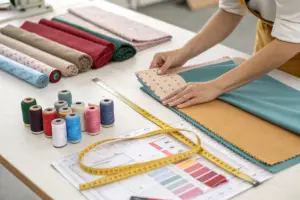
Well, start with sensors. Do you want heart rate only, or also respiration, skin temperature, maybe even sleep stage detection? Do you expect the sensors to be detachable or fully embedded? And then there’s the fabric—do you want breathable polyester blends or something heavier with better conductivity?
Why does this matter?
Because sourcing blind leads to wasted samples. I once reviewed a prototype from a supplier who assumed “sleepwear with sensors” meant simply stitching a cheap fitness tracker into a pajama pocket. From my observation, serious platforms like Hexoskin prove that integration requires clear specs, not improvisation.
Identify Specialized Smart Textile Suppliers
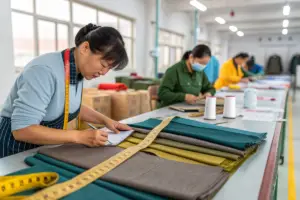
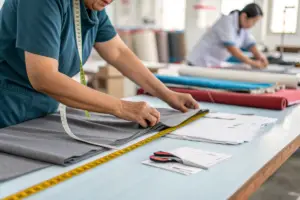
In my experience, this is where most projects stall. Traditional pajama factories can sew well, but they don’t know how to handle sensors, conductive yarn, or Bluetooth modules.
That’s why you need to find suppliers already working in smart textiles.
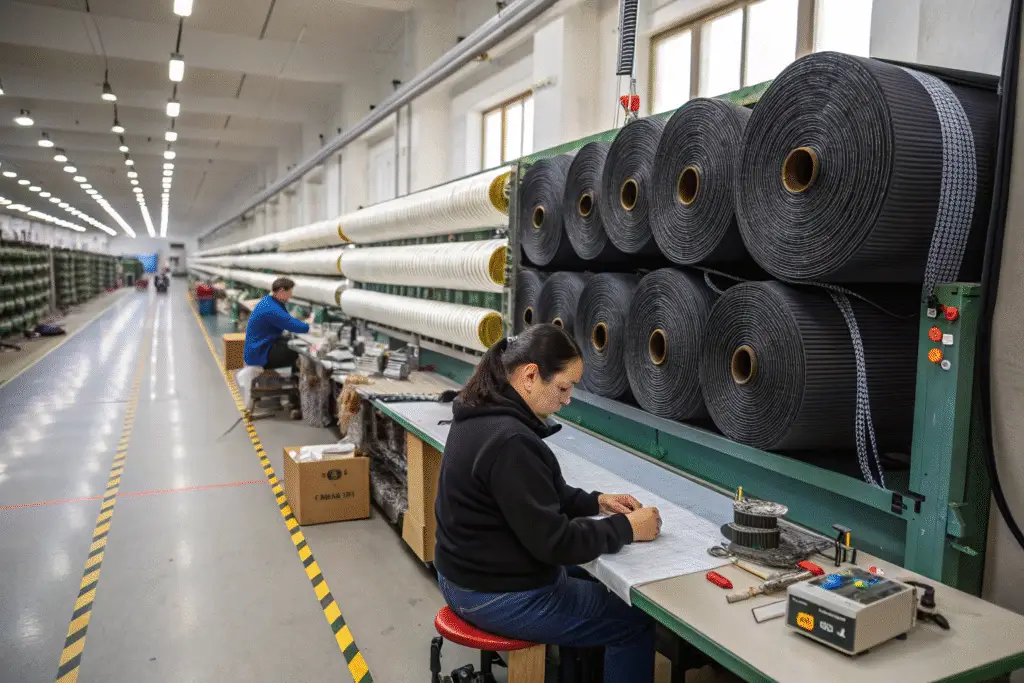
Where can you find these suppliers?
Actually, there are a few good examples. In China, HangZhou Longwin lists biometric sleepwear with heart rate monitoring. In Japan, the ZZZN Sleep Apparel System shows how branding, fabric, and data collection can merge into one product.
What should you ask them?
- “Can you show me real test reports for sensor accuracy?”
- “How many washes can the fabric survive before conductivity drops?”
- “Do you offer detachable modules, or is everything sewn in?”
- “What’s your MOQ for custom designs?”
In my opinion, if a supplier answers too quickly with “no problem,” it’s usually a red flag. The good ones explain the limits.
Prototype and Validate Performance
Even if a supplier sounds convincing, you can’t just trust words. You need prototypes. And you need to test them like your customers would.
This stage is about proving accuracy, comfort, and durability.
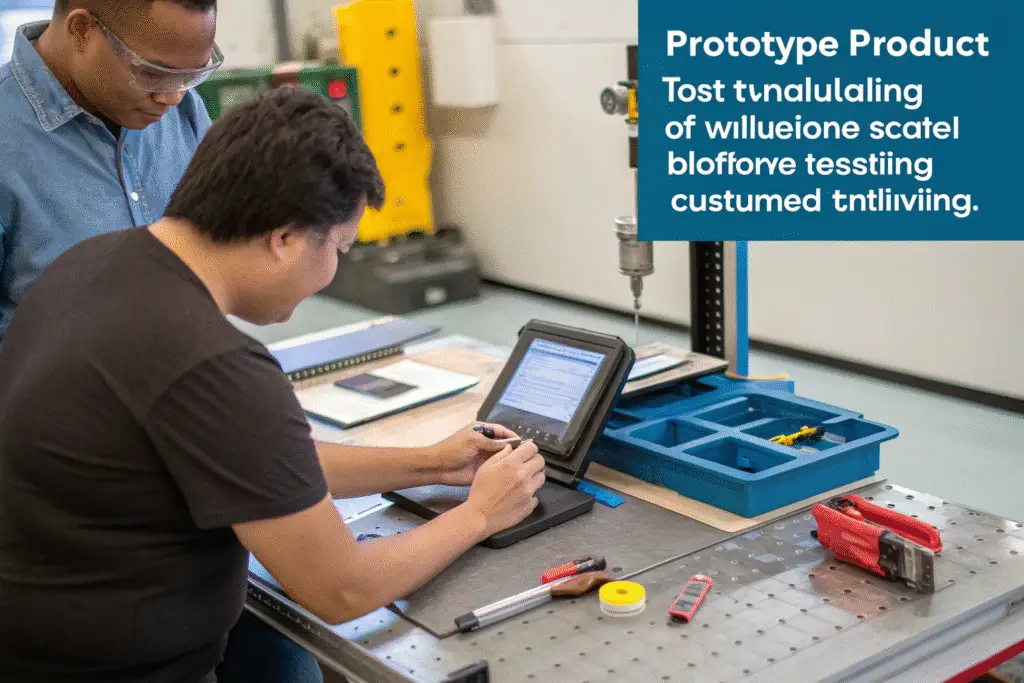
How do you validate prototypes?
Well, you don’t just wear them for one night and say “looks good.” You compare their data against established devices—ECG monitors, Oura rings, Fitbits. If the readings match up, you’re on the right path. If not, you know adjustments are needed.
Why is this stage critical?
From my observation, too many projects skip testing wash durability. I once saw a “smart pajama” that lost its conductivity after two washes. That’s unacceptable. Independent labs like Intertek can run wash cycle tests to check fabric and sensor resilience.
Plan for Certifications and Compliance
Here’s something that surprises many apparel buyers: once you add sensors, you may need certifications that go way beyond textiles.
Depending on what claims you make, your sleepwear could even be classified as a medical device.
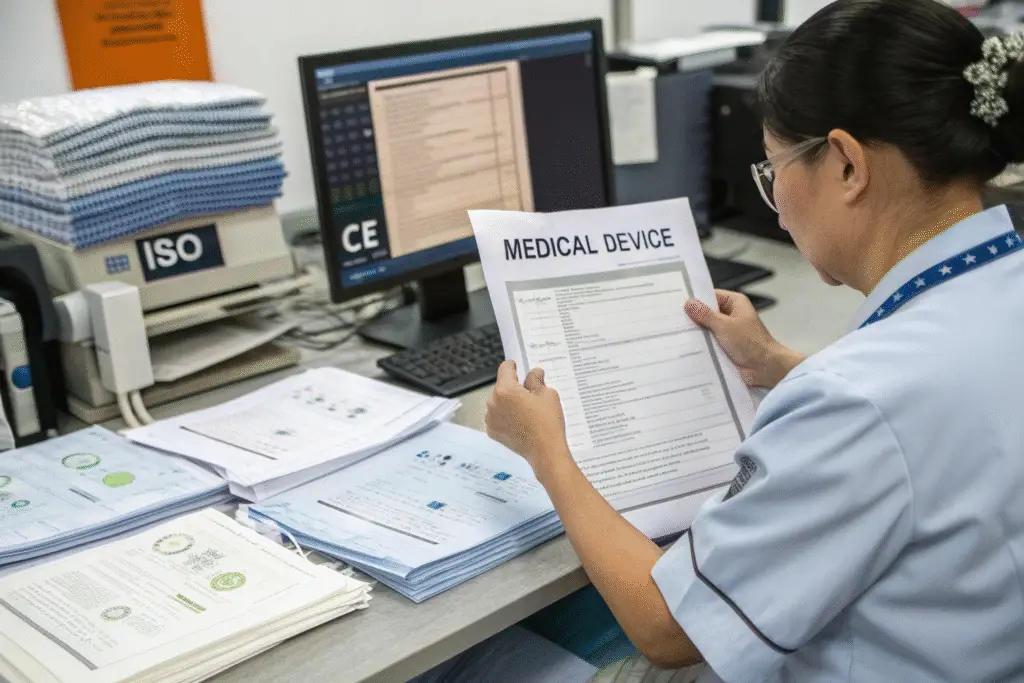
Which certifications may apply?
- ISO 9001 for quality management at the factory.
- CE marking if you plan to sell in Europe.
- FCC approval for wireless modules in the U.S.
- FDA clearance if you market it as diagnostic or medical.
Why do these matter?
Because skipping compliance can shut down entire shipments. From my experience, consumer brands like Hexoskin avoid medical claims for exactly this reason—they focus on “fitness and wellness” instead of “medical diagnosis.” It’s a strategic choice to stay agile.
Secure Long-Term Supplier Partnerships
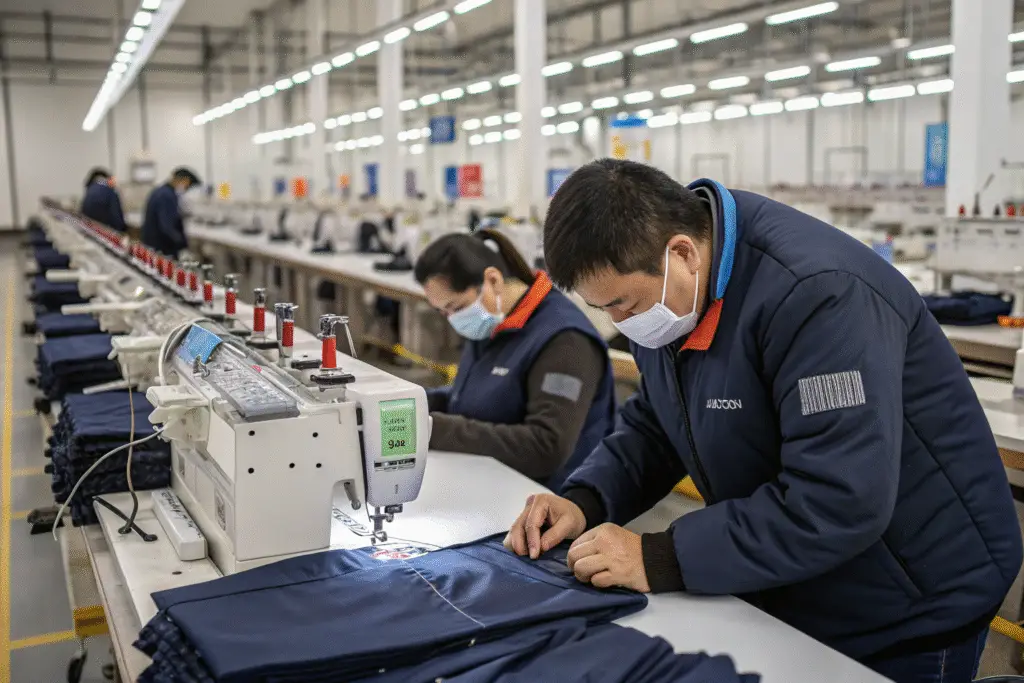
Once prototypes pass testing, the real challenge begins: production consistency. With biometric garments, consistency isn’t just about fabric weight—it’s about electronic calibration, chip sourcing, and sewing accuracy.
That’s why long-term partnerships with the right supplier are non-negotiable.
What should you negotiate?
- Stable access to sensor modules (chip shortages are a real risk).
- Clear QC protocols for both textiles and electronics.
- Agreed test cycles for each production batch.
- After-sales support for defective modules.
Why is this important?
I’ve seen brands lose credibility when their second batch of biometric pajamas behaved differently from the first. Sometimes suppliers switch fabrics or modules without telling you. That’s why you need contracts and consistent QC. Companies like ISO Cleanroom China show how systemized checks prevent these issues.
Conclusion
Sourcing biometric sleepwear isn’t about picking the cheapest factory on Alibaba. It’s about blending textile expertise with wearable technology, testing prototypes like crazy, and making sure certifications don’t trip you up later.
As someone who’s worked in apparel production, I think the hardest part is not the sewing—it’s keeping the electronics accurate and safe after dozens of wash cycles. Surprisingly, small things like wire placement or module detachment can make or break the entire product. If you’re ready to explore this space, contact our Business Director Elaine at elaine@fumaoclothing.com. At Shanghai Fumao, we can help you source and produce biometric sleepwear that balances comfort, technology, and compliance.