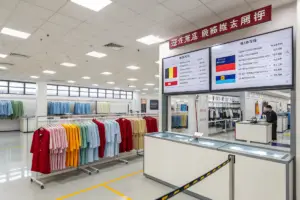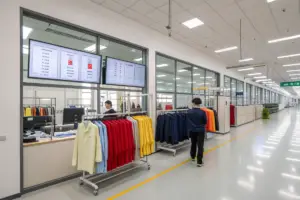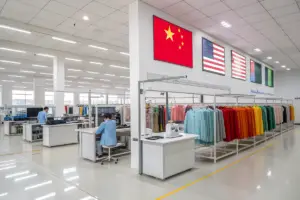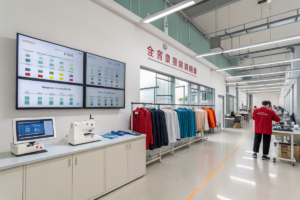
When I first started working with buyers in electronics and pharma, I thought sourcing cleanroom suits would be straightforward. Just order protective suits, right? Well, it didn’t take long for me to realize it’s not that simple. Some suits block particles but fail static tests, others control static but shed fibers like crazy. And when buyers in the U.S. say, “Oh, we need both ESD and cleanroom compliance, plus custom logos,” things get tricky fast.
To be honest, the key is this: you can’t just chase the cheapest quote. Sourcing customizable electrostatic cleanroom suits is about finding a balance—standards, fabrics, supplier expertise, and long-term durability. I’ve seen projects collapse simply because specs weren’t clear up front. In my experience, if you don’t write down what you need first, you’ll end up testing samples that don’t even fit your purpose.
Define Standards Before Contacting Suppliers
I’ll admit, early in my career I didn’t pay enough attention to standards. A buyer once told me, “The suit looks good, but does it meet IEC 61340?” I had to scramble to check. Lesson learned.
If you don’t know your required standard, suppliers will guess—and that rarely ends well.
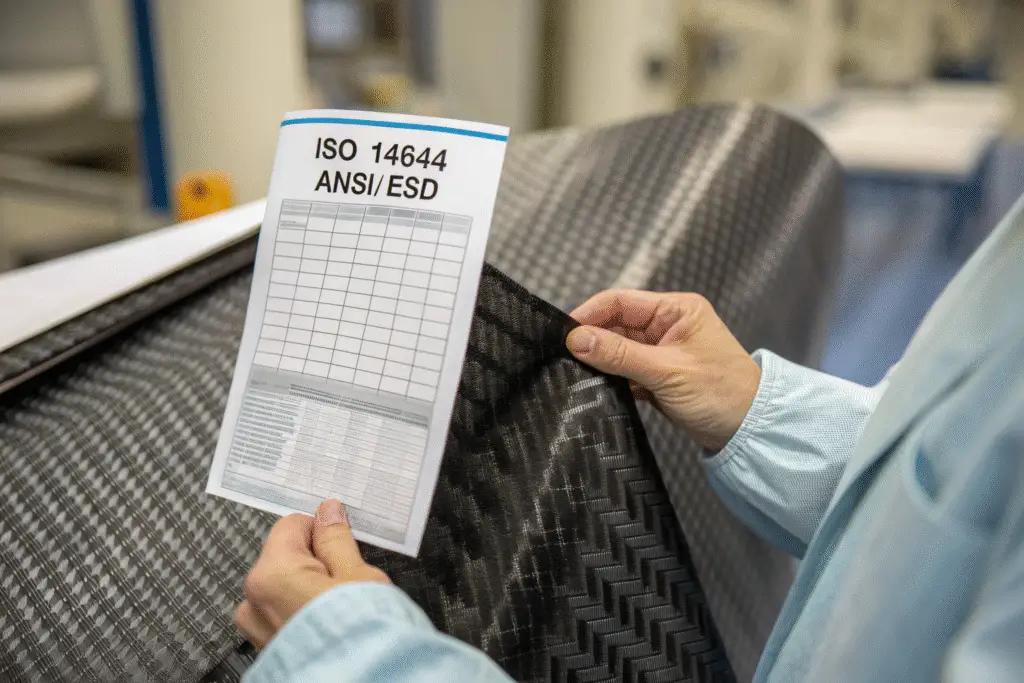
Which standards matter most?
From my observation, three always come up. For static, it’s ANSI/ESD S20.20 and IEC 61340-5-1. For cleanliness, ISO 14644 rules. In Europe, EN 1149-5 is also mentioned. Surprisingly, some suppliers claim compliance but can’t show real test reports. Always ask.
How do specifications affect design?
Well, an ISO 5 suit is very different from an ISO 8. The zippers, seams, even pocket placement change. For highly sensitive electronics, you also need stricter resistivity numbers. That’s why polyester with carbon grids works for reusable suits, while nonwoven ESD-treated fabric is fine for disposables. In practice, this decision shapes everything else.
Choose the Right Fabric and Construction
Here’s the part that causes the most confusion: fabrics. Buyers sometimes just say, “We want anti-static.” But do they want reusable? Disposable? Breathable? Laminated? Each choice shifts cost, comfort, and compliance.
In my experience, fabric is where sourcing goes wrong most often.
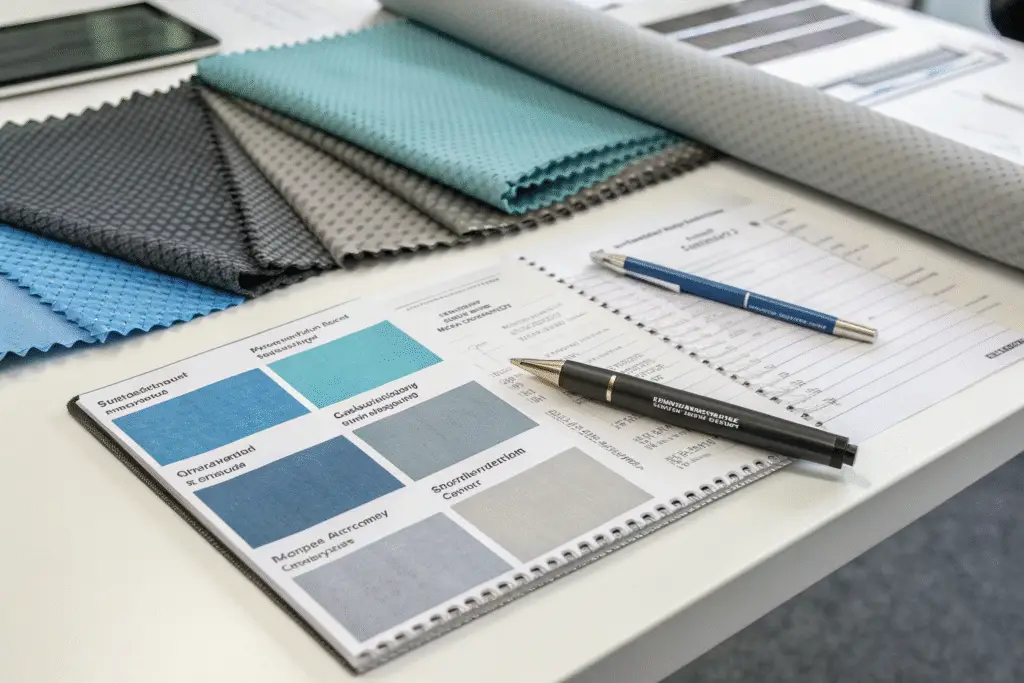
What fabric options are available?
Reusable suits? Usually polyester woven with conductive yarns. Those last through many washes, but they’re pricier. Disposables? Nonwoven ESD-treated material, cheap and light, but they don’t last. Laminated fabrics? Great for barrier protection, not so great for comfort. Sites like Baina Antistatic show how carbon fibers are integrated, which is useful when you want details.
What about seams and closures?
I once saw a batch fail just because the zippers weren’t covered. The fabric was fine, but the seam leaked particles. Frustrating, but that’s reality. Double-sealed seams, welded closures, covered zips—these things matter. Suppliers with real cleanroom experience, like Midposi, will point out these details instead of ignoring them.
Evaluate Supplier Capabilities and Customization
Customizing these suits is harder than it sounds. Printing a logo can affect particle shedding. Adding a pocket might create static hot spots. Not every factory understands that balance.
From my side, I always ask suppliers how customization impacts compliance. If they just say “no problem,” I get suspicious.
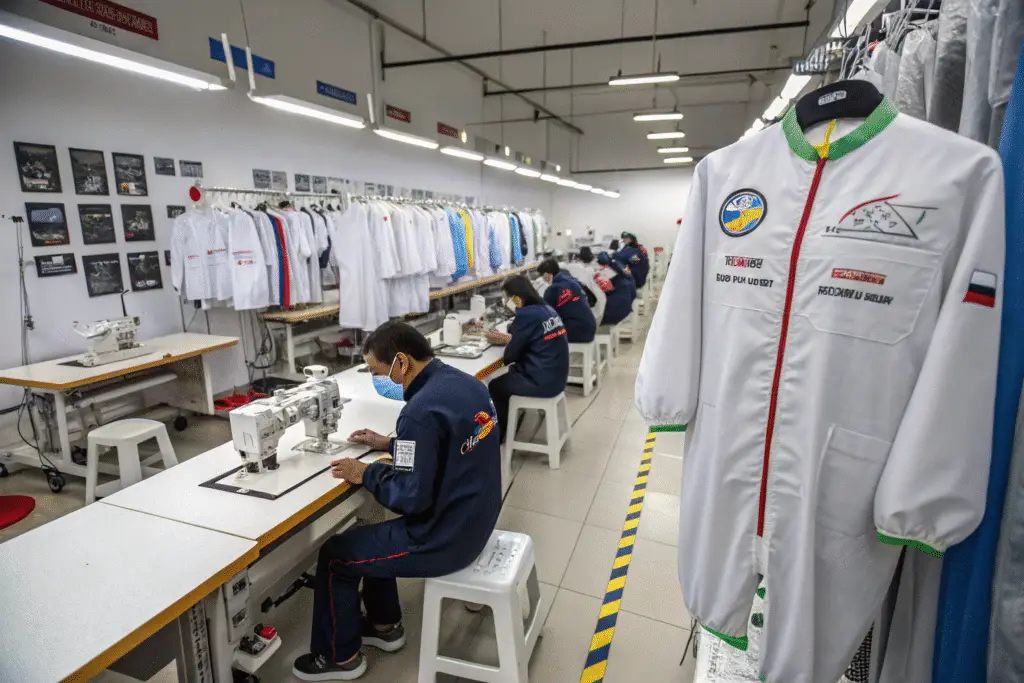
What questions should you ask suppliers?
- Can they provide ESD and cleanroom compliance reports, not just fabric data?
- Do they track batches, or will your second order look different?
- How many washes before performance drops?
- What’s the MOQ for custom colors and logos?
Sites like Global Sources list dozens of suppliers. But in my experience, many are traders, not manufacturers. I always ask for a production video or factory tour.
How important is sample testing?
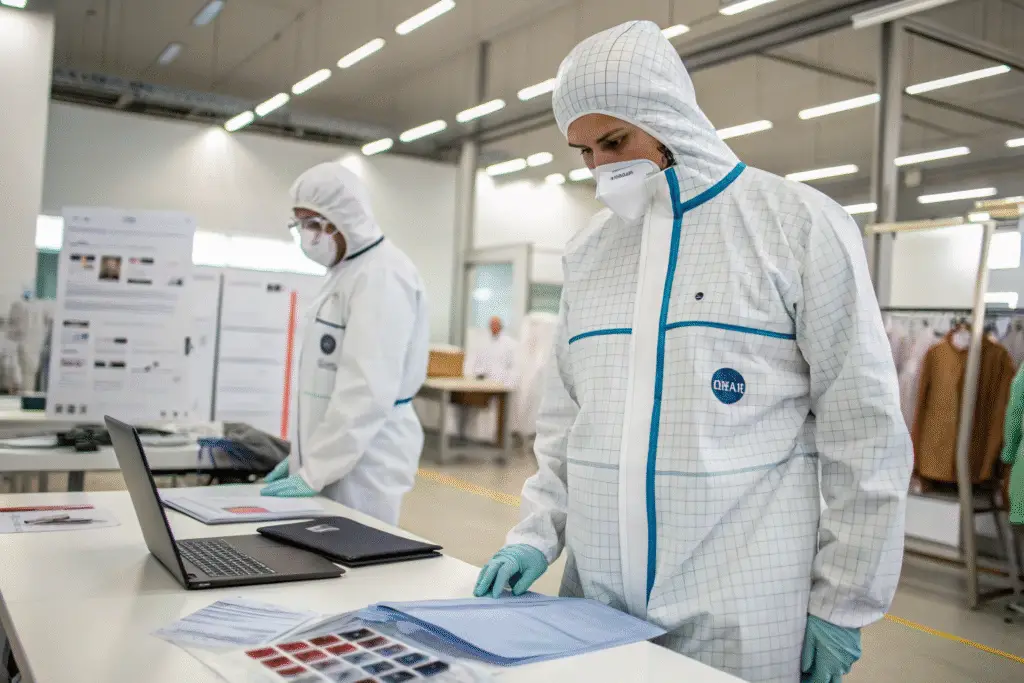
Critical. I’ve seen suits that passed lab tests but were unbearable for workers—too hot, too stiff. Some fabrics failed after autoclaving. That’s why I always tell buyers: test in your own environment. Don’t just trust certificates.
Manage Lead Times, MOQ, and Long-Term Supply
Even the best suit is useless if it arrives late. Customization adds time, and many buyers underestimate this. I’ve had clients panic when their cleanroom launch was delayed because suits weren’t ready.
Honestly, planning supply is just as important as technical specs.
What’s typical for lead times and MOQs?
From what I’ve seen, stock ESD suits ship in 2–3 weeks. Custom suits? Usually 45–60 days. MOQs can be anywhere from 100 to 500 sets, depending on customization. Companies like ISO Cleanroom China are upfront about MOQs, which helps avoid surprises.
How do you secure long-term consistency?
I once had a buyer complain that their second batch looked different. Turned out the supplier switched fabrics without telling them. To avoid that, I insist suppliers store custom fabric separately and use lot tracking. It takes effort, but it prevents expensive mistakes.
Conclusion
Sourcing customizable electrostatic cleanroom suits isn’t just a price game. It’s about knowing your standards, picking the right fabric, checking supplier expertise, and testing suits in real conditions. If you skip steps, you’ll pay later—either in failed tests or delayed projects.
As someone who’s worked in apparel and technical garment production, I’ve seen both good and bad sourcing stories. My advice? Write down your specs, ask for proof, and always test samples. If you’re ready to explore reliable custom ESD cleanroom suits, contact our Business Director Elaine at elaine@fumaoclothing.com. At Shanghai Fumao, we know how to balance customization with compliance, so your cleanroom team can work safely and your projects stay on track.