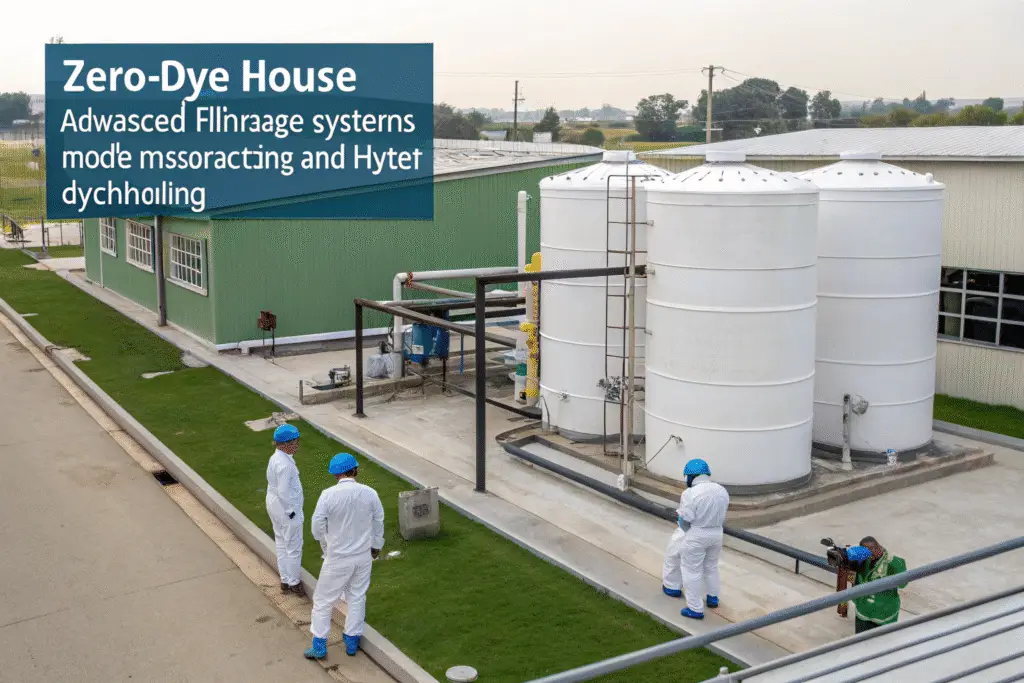
Water contamination from textile dyeing remains one of the most severe environmental challenges in the supply chain. Conventional operations consume large volumes of freshwater, generate chemical residues, and leave long-lasting ecological impacts. With increasing regulatory pressure and consumer demand for sustainable clothing, dye houses designed around zero-discharge models are becoming a new industry benchmark.
Key strategies for such facilities include advanced effluent treatment, circular water systems, safer chemical inputs, and transparent disclosure of results. Together, these practices enhance compliance, improve efficiency, and strengthen confidence among global buyers.
This article discusses practical approaches that enable dye houses to progress toward zero-discharge operations while remaining competitive in international markets.
Advanced Technologies for Wastewater Processing
Managing dye effluents effectively forms the foundation of a zero-discharge plant. Dye wastewater often contains salts, metals, and pigments that require thorough removal before reuse.
Many factories now employ membrane filtration, oxidation processes, and reverse osmosis systems to achieve high levels of purification.
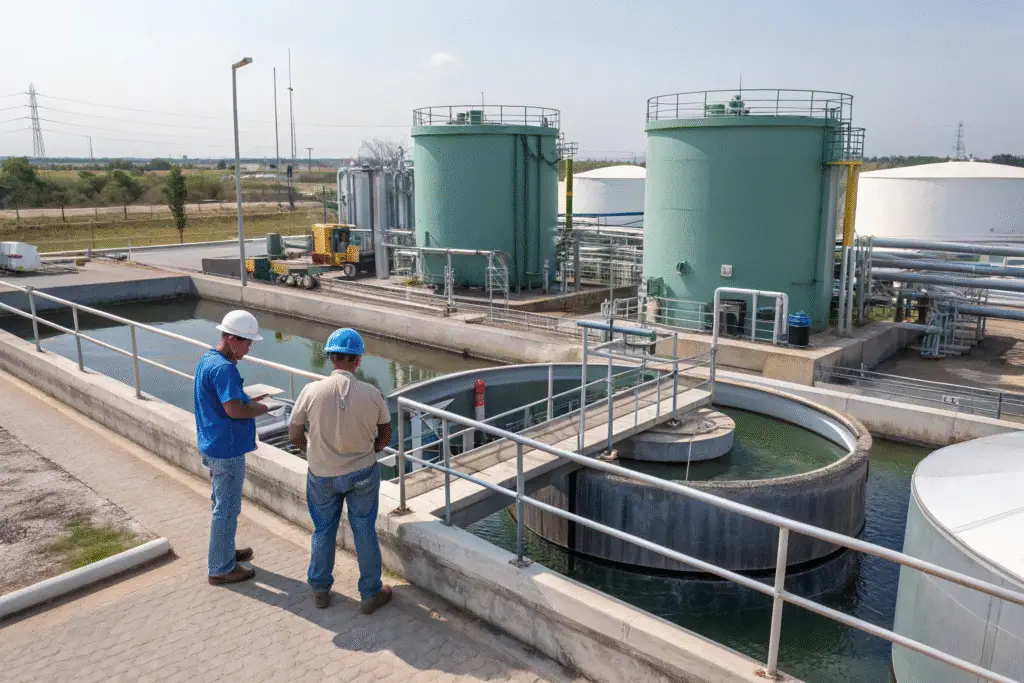
How Do Membrane Systems Support Recycling?
Filtration at the molecular scale separates harmful compounds while keeping water reusable. Reports in Textile World indicate that these systems drastically cut freshwater usage yet maintain process consistency.
Can Biological Processes Break Down Complex Pollutants?
Yes. Engineered microbes can decompose resistant dye molecules. Research on ScienceDirect confirms that biological methods reduce both organic load and coloration, offering a sustainable pathway for treatment.
Closed-Loop Water Circulation
The essence of a zero-discharge system is reusing water internally instead of releasing it into natural waterways.
In closed loops, effluent is collected, purified, and sent back into production lines. Though initial installation may require higher costs, long-term reductions in water and chemical consumption offset the investment.
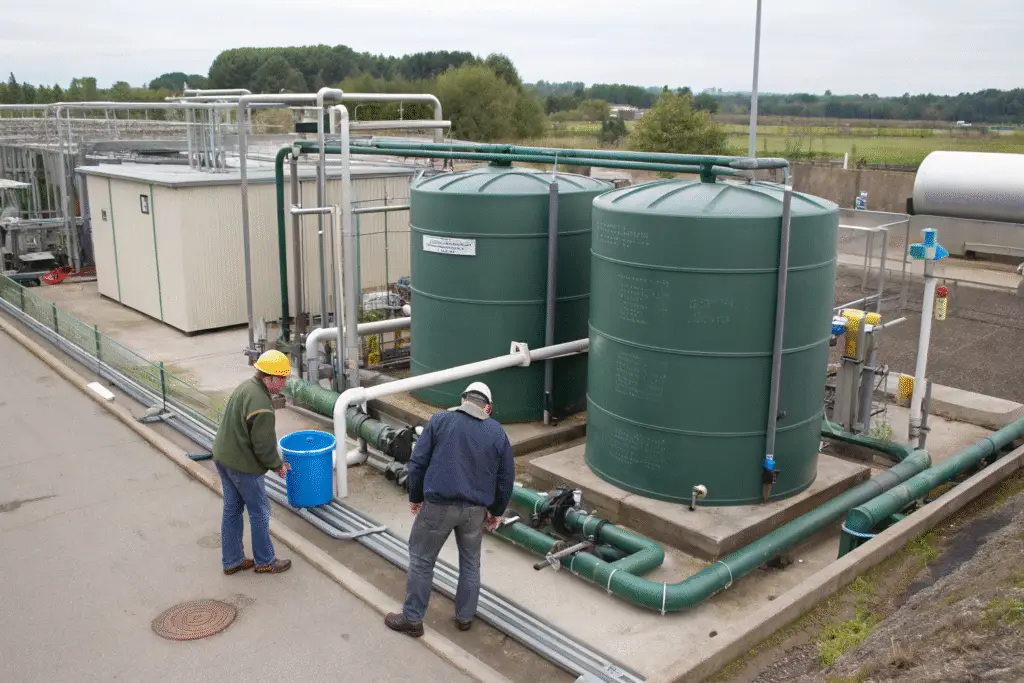
What Is Reverse Osmosis’ Role in Closed Circuits?
Reverse osmosis guarantees that recycled water achieves a high standard suitable for sensitive fabrics. Evidence from Water World shows RO membranes eliminate salts and dissolved matter, ensuring reliable reuse.
Are There Difficulties in Maintaining Such Systems?
Indeed, challenges such as fouling, scaling, and higher energy use often occur. Proper monitoring and preventive routines are essential. Studies on SpringerLink point out that hybrid solutions can ease these problems.
Sustainable Management of Dyes and Auxiliaries
Input selection is equally important as treatment. Using eco-certified dyes and auxiliaries simplifies downstream processes and minimizes harmful residues.
Global apparel brands increasingly request that suppliers follow structured chemical management protocols.
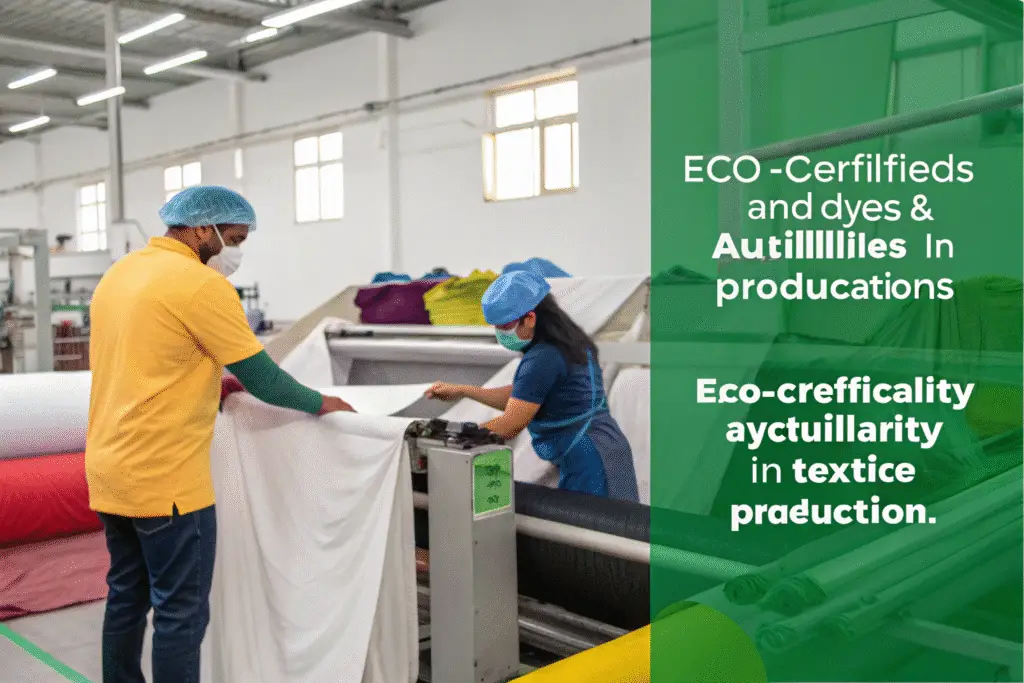
Which Standards Promote Safer Chemical Use?
Guidelines such as ZDHC MRSL and OEKO-TEX provide frameworks for eliminating hazardous materials. Compliance with these benchmarks helps meet sourcing requirements.
How Do Enzymes Provide Cleaner Alternatives?
Enzyme-based treatments substitute harsh chemicals in bleaching or desizing. Findings in Biotechnology Advances highlight that enzymes lower energy needs and reduce chemical discharge.
Transparent Monitoring and Reporting Systems
Credibility depends on accurate monitoring and open communication. Dye houses that track and publish environmental performance gain recognition from both regulators and clients.
Digital platforms combined with IoT devices allow continuous supervision of pH, COD, and other critical indicators.

How Does Real-Time Monitoring Assist Operations?
Instant data flow helps detect irregularities before they cause major problems. According to MDPI Sustainability, real-time systems reduce risks and strengthen regulatory adherence.
Why Does Sharing Data Matter to Clients?
Fashion brands expect verifiable sustainability evidence. When suppliers publish environmental metrics, buyers feel more confident. The Higg Index is already used widely to standardize sustainability reporting in apparel manufacturing.
Conclusion
Zero-discharge dyeing plants represent the future of responsible textile manufacturing. Combining state-of-the-art treatment technologies, water recycling, safer chemical choices, and transparent monitoring systems not only safeguards the environment but also ensures regulatory compliance and fosters stronger partnerships with global fashion companies.
At Shanghai Fumao, we view sustainability as both a responsibility and a competitive advantage. If you are a sourcing manager or brand owner seeking environmentally responsible apparel production, our Business Director Elaine is available to assist. You may contact her at elaine@fumaoclothing.com for further discussion.