When temperatures drop well below freezing, fabric selection becomes a matter of survival. Many brands and buyers often overlook how much material choice influences warmth, comfort, and long-term protection. The wrong fabric does not just reduce performance—it can also increase risks such as frostbite or hypothermia.
The best fabrics for extreme cold are wool, down, and high-performance synthetics because they combine insulation, moisture control, and durability. When layered correctly, these fabrics help regulate heat, wick away sweat, and shield the body against snow and wind.
Choosing fabrics is not just about style or softness. It is a technical decision that must balance insulation, breathability, weather resistance, and weight. In the following sections, I will explain how wool, down, synthetics, and layering systems work together to protect people in extreme cold.
Why Is Wool Essential For Cold Weather?
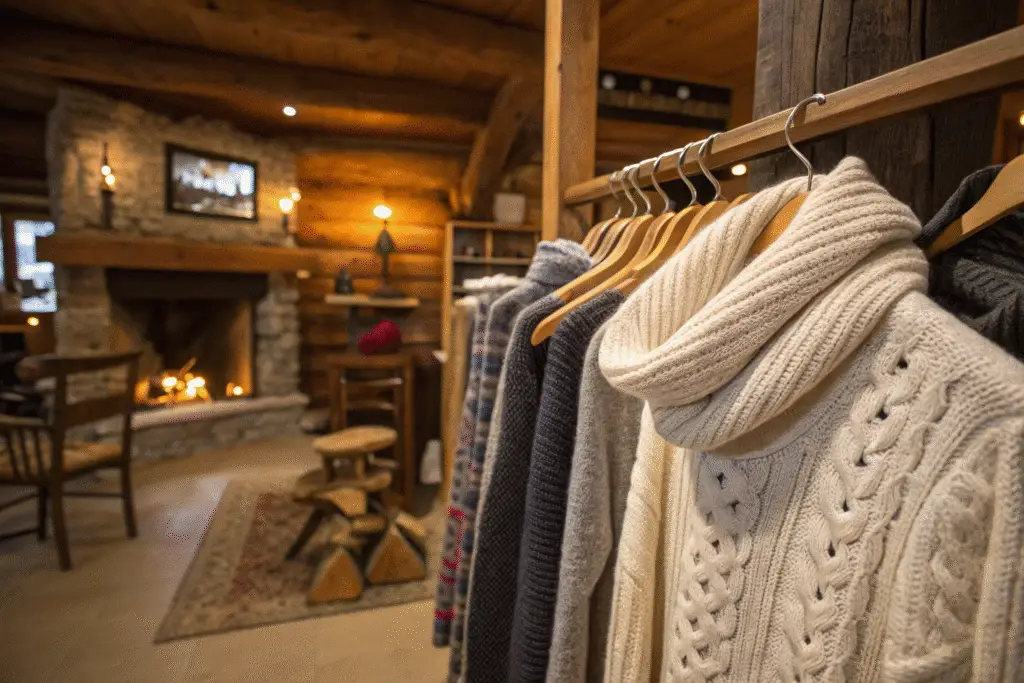
Wool has been trusted for centuries as one of the most reliable cold-weather fabrics. It is renewable, biodegradable, and naturally manages body heat. Unlike cotton, wool retains warmth even when damp, making it invaluable in snowy or humid conditions.
Wool is essential in cold weather because it traps warm air, wicks away sweat, and insulates even when wet. This makes it a reliable choice for base and mid-layers in freezing climates.
How Does Merino Wool Compare To Regular Wool?
Merino wool is softer and finer than traditional wool, which means it feels comfortable against the skin. It is popular in premium base layers because it is light, breathable, and naturally resists odor. Brands such as Smartwool rely on merino in performance apparel because of these advantages.
In addition, certifications like Woolmark guarantee fiber quality, durability, and ethical production standards. For apparel buyers, these labels help ensure that wool-based products meet international quality requirements.
Is Wool Waterproof Or Just Water-Resistant?
Wool fibers contain lanolin, which repels light moisture, but wool is not fully waterproof. Heavy rain will eventually saturate it. However, unlike many fabrics, wool continues to insulate even when wet. That is why it works best when paired with an outer shell made of technical fabrics.
Some suppliers blend wool with nylon to increase durability, ensuring garments hold shape longer and withstand heavy use. For brands, this combination provides both natural comfort and modern resilience.
Is Down The Warmest Fabric Choice?
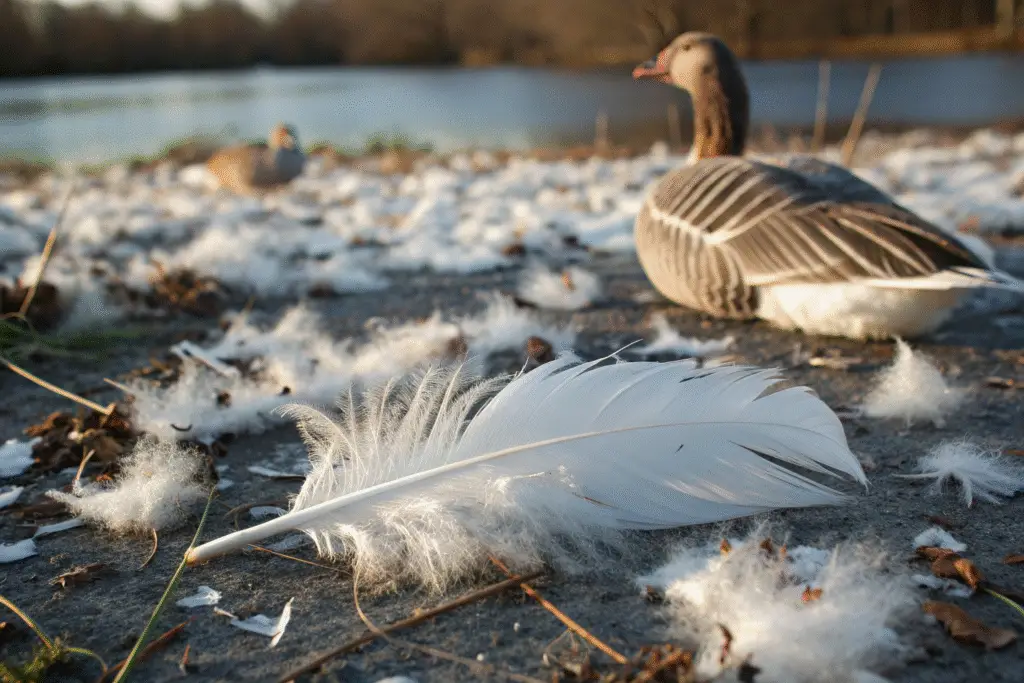
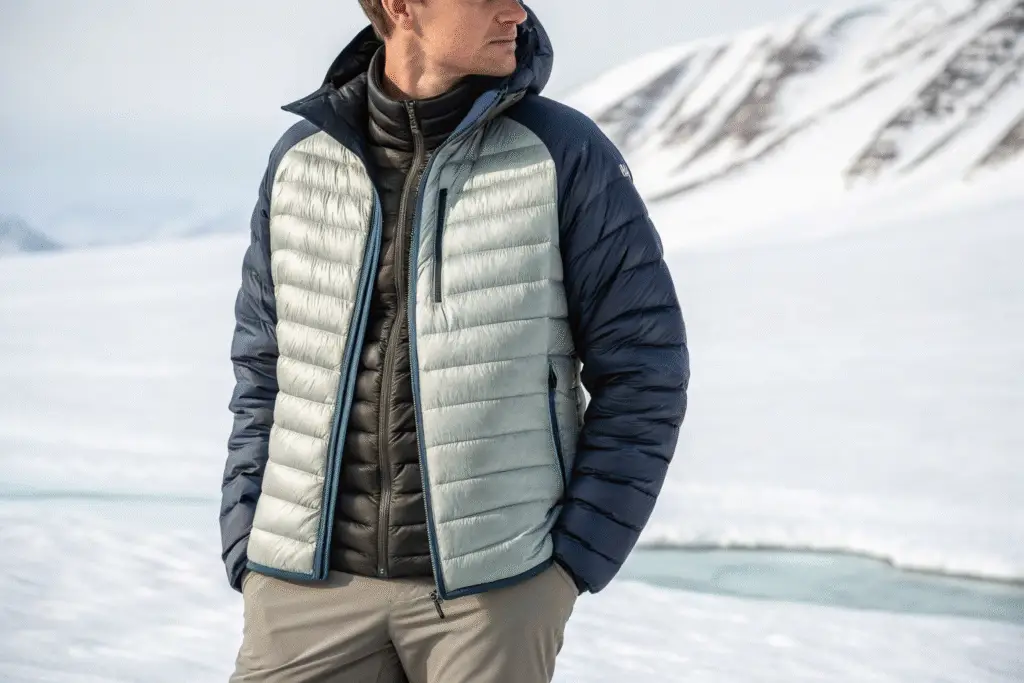
Down is one of the most effective natural insulators. Taken from the fine feathers beneath ducks or geese, it traps heat in thousands of tiny air pockets, which makes it extremely efficient for extreme cold.
Down is considered the warmest insulation because it delivers unmatched warmth-to-weight ratio, making jackets light yet highly protective. Its one weakness is moisture, which is why water-repellent finishes are essential.
What Is Fill Power And Why Does It Matter?
Fill power measures the loft of down. Higher numbers, such as 800+, indicate larger clusters that trap more air and deliver stronger insulation. Brands like Patagonia and Canada Goose use fill power ratings to signal premium quality to buyers.
It is important to note that fill power differs from fill weight. A jacket with high fill power but little filling may not provide enough warmth. Buyers should evaluate both factors together to match product performance with intended use.
Is Synthetic Down A Good Alternative?
Synthetic down, usually made from polyester fibers, is designed to mimic natural down. It retains warmth even when wet, making it more reliable in rainy or humid climates. PrimaLoft is one of the leading synthetic insulations used in outdoor and military gear.
While natural down remains superior in insulation per gram, synthetic versions are more affordable, hypoallergenic, and easier to wash. This balance makes synthetic down a practical option for mid-range outerwear and markets that prioritize easy care.
How Do Synthetic Fabrics Perform In Cold Climates?
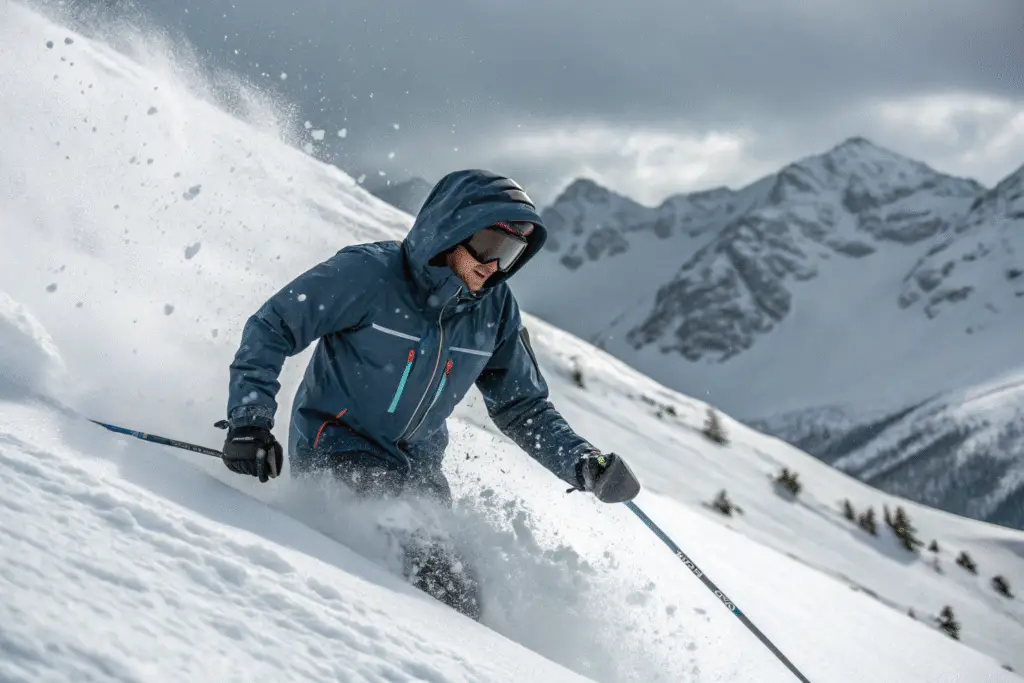
Synthetic fabrics such as polyester, nylon, and polypropylene are engineered for specific functions. They resist wind, wick away sweat, and dry quickly. These qualities make them crucial for both base layers and protective outerwear.
Synthetic fabrics perform well in cold climates because they offer lightweight insulation, durability, and rapid moisture control. They are often paired with natural fibers or used as the outer shield in layering systems.
Why Is Polyester Popular For Cold Weather Gear?
Polyester is one of the most versatile cold-weather fabrics. It resists shrinking, dries fast, and can be engineered into lightweight fleece or heavy-duty shells. Products like Polartec fleece are popular mid-layers because they provide reliable insulation without bulk.
Cost is another advantage. Polyester delivers solid performance at a lower price than wool or down, which makes it suitable for large-scale production. Buyers benefit from both scalability and consistent quality.
Are Technical Laminates Better Than Natural Fabrics?
Technical laminates, such as Gore-Tex, combine synthetic fibers with breathable waterproof membranes. These laminates create outerwear that blocks snow and wind while allowing body moisture to escape.
Compared with natural fabrics, laminates are superior in wet conditions but may feel less breathable. Still, they are indispensable for outer shells in extreme climates. Many top outdoor brands use laminates to guarantee that products meet safety and performance standards.
Should Fabrics Be Layered For Extreme Cold?
Even the best fabrics cannot work alone. Layering is the most effective strategy for staying safe in extreme cold because it combines moisture management, insulation, and weather resistance.
Fabrics should always be layered in extreme cold to manage body heat, sweat, and external conditions effectively. The standard method includes a base layer, a mid-layer, and an outer shell.
What Is The Function Of A Base Layer?
The base layer rests against the skin. Its role is to move sweat away from the body. Materials like merino wool or polypropylene excel at this. If sweat remains trapped, it cools the body and increases the chance of hypothermia.
Specialist companies such as Icebreaker focus on natural merino base layers, while Under Armour uses synthetics for active athletes. Both approaches keep the body dry and maintain comfort.
Why Is The Outer Shell Layer So Important?
The outer shell acts as the main defense against snow, rain, and wind. Without it, inner fabrics cannot perform effectively. Shells are usually made of laminated synthetics like Gore-Tex or eVent.
Details such as seam sealing and DWR (durable water repellent) finishes make a major difference. As REI’s layering guide explains, high-quality shells are critical for survival in storms and long expeditions.
Conclusion
The best fabrics for extreme cold are those that work together in a system. Wool provides warmth and odor resistance, down delivers unmatched insulation, synthetics add durability and quick drying, and layering ties them all into a complete solution.
For apparel brands and distributors, making the right sourcing choices ensures products perform in the markets they serve. With our expertise at Shanghai Fumao Clothing, we help clients select fabrics, develop designs, and deliver high-quality production for global buyers.
If you are ready to develop your own winter collection, contact our Business Director Elaine at strong>elaine@fumaoclothing.com</strong. Together, we can create apparel built for performance, durability, and style.