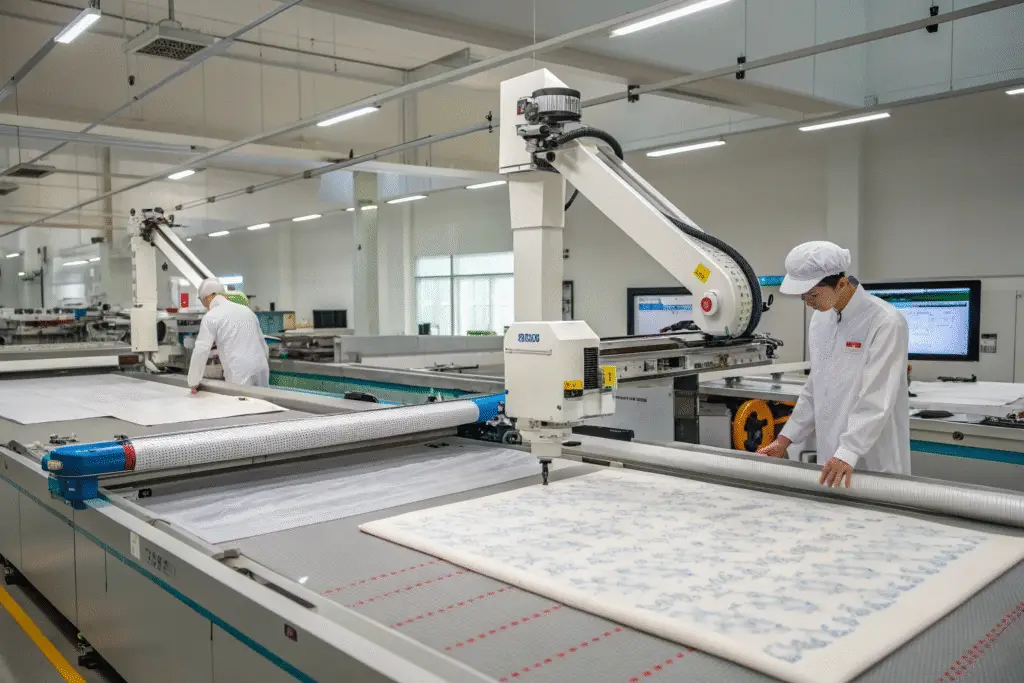
Fabric cutting is one of the most important steps in garment production. It determines how efficiently materials are used, how quickly production moves, and how consistent product quality will be. For many years, factories relied on manual skills or conventional CNC machines. Now, AI-optimized fabric cutting is reshaping the industry by offering faster, more precise, and more sustainable solutions.
Current trends in AI-optimized cutting include predictive nesting algorithms, defect detection through vision systems, seamless integration with 3D fashion design, and automated waste reduction. These innovations improve accuracy, reduce costs, and align production with global sustainability goals.
From my perspective as a manufacturer, more U.S. and European buyers are asking about factories with AI-driven processes. They see it as a way to cut costs, increase quality, and reduce environmental impact. Let’s look at how AI is transforming cutting step by step.
How Are AI Algorithms Improving Cutting Accuracy?
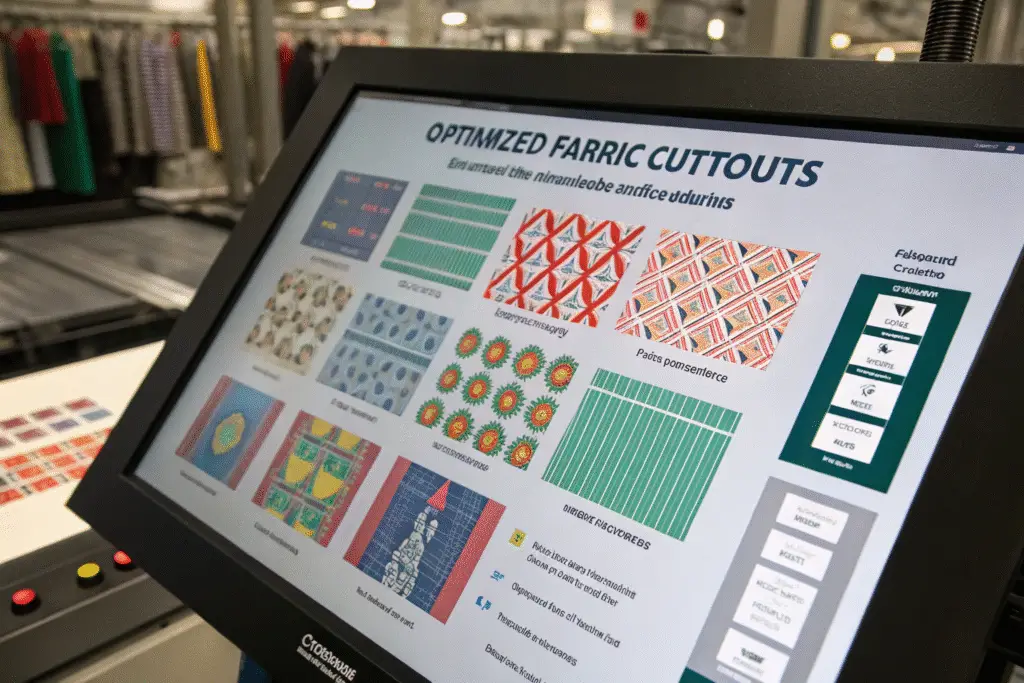
The first way AI improves cutting is through nesting optimization. Systems analyze fabric width, pattern shape, and order size, then calculate the most efficient layout.
Why Is Predictive Nesting Valuable?
Predictive nesting uses past production data to anticipate fabric behavior. As Lectra notes, this creates continuous improvements in material utilization, saving factories time and resources.
How Does AI Handle Complex Shapes?
AI can arrange irregular pattern pieces closer together than human operators or standard CAD programs. Tests by Gerber Technology show that fabric use can improve by 10–15% compared to conventional methods.
How Does AI Detect And Avoid Fabric Defects?
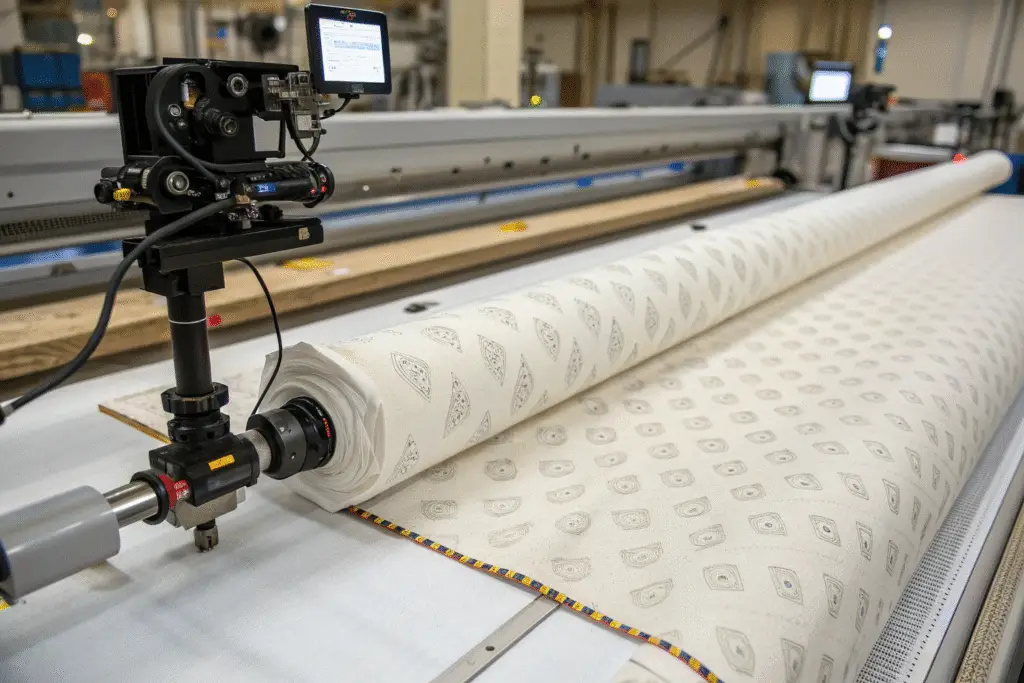
Fabric flaws are another costly challenge in cutting. If unnoticed, they can ruin entire garments. AI addresses this by integrating vision systems that scan fabric in real time.
What Tools Are Used For Defect Detection?
High-resolution cameras and AI models detect stains, holes, and weaving irregularities. Linking this to 3D garment simulations, as seen in CLO Virtual Fashion, allows factories to judge whether defects will affect final products.
How Does This Reduce Waste?
When AI detects a flaw, it automatically adjusts the cutting path so defective sections are excluded. This avoids wasting whole fabric rolls and can cut losses by 5–8%.
How Is AI Connected To 3D Fashion Design?
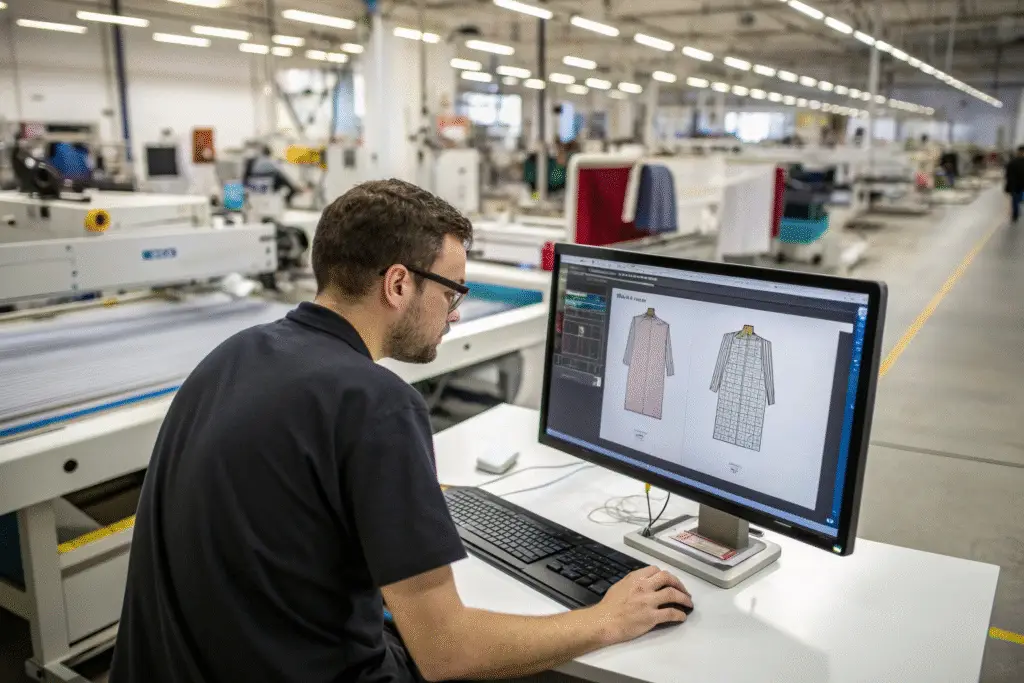
As the fashion industry shifts to digital workflows, AI cutting machines are increasingly integrated with 3D design tools. Designers now create patterns in virtual environments, and AI translates them directly into production layouts.
What Are The Benefits Of Digital Integration?
Connecting digital samples with AI-driven cutting reduces errors caused by manual conversions. As Browzwear highlights, this enables faster speed-to-market since virtual samples can be tested before real cutting begins.
Can AI Adapt To Customization?
Yes. On-demand production often requires frequent layout changes. AI systems can re-optimize cutting patterns in real time, making them suitable even for small, customized orders.
How Is AI Reducing Waste And Supporting Sustainability?
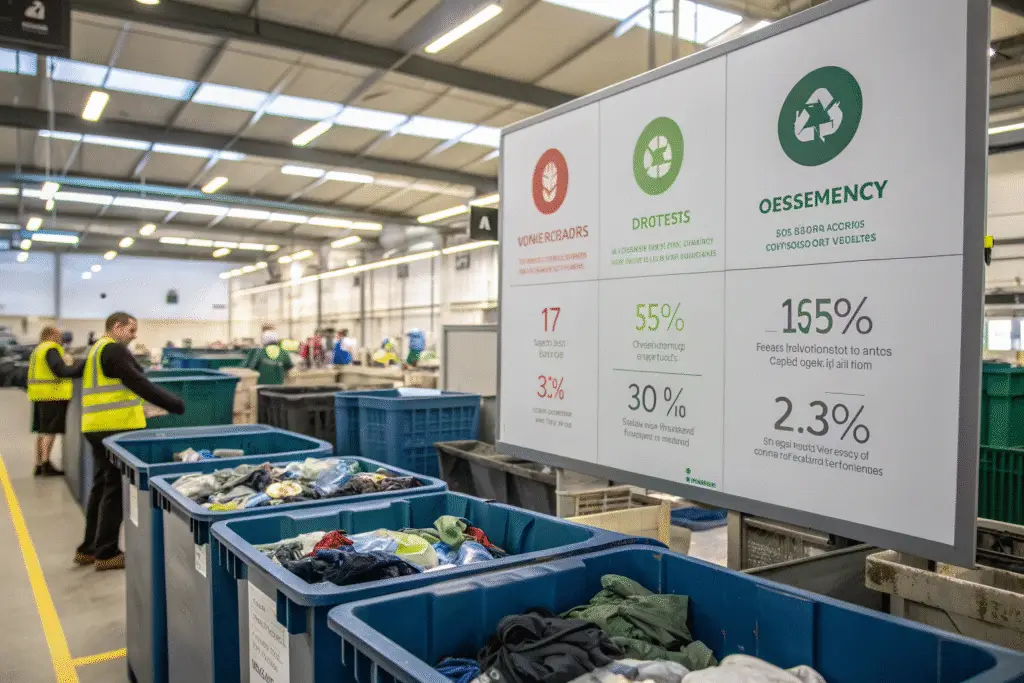
Sustainability is now a central priority for buyers. AI not only reduces waste through better layouts but also helps factories reuse and recycle leftover material.
How Much Waste Can AI Reduce?
Research from Textile Exchange shows that AI-optimized cutting can reduce waste by up to 20%. For large factories, this translates into millions of meters of fabric saved annually.
What Role Does Energy Efficiency Play?
AI systems also lower energy use by minimizing machine idle time and unnecessary movements. Factories report up to 15% reductions in electricity consumption, further improving sustainability.
Conclusion
AI-optimized fabric cutting is changing the future of apparel production. By improving nesting accuracy, detecting defects, integrating with 3D workflows, and reducing waste, AI creates measurable benefits for both factories and buyers. For brands, working with AI-enabled suppliers means lower costs, shorter lead times, and stronger sustainability credentials.
At Shanghai Fumao, we actively adopt advanced manufacturing technologies to support our global partners. Our AI-assisted cutting processes ensure precision, efficiency, and eco-friendly production. If you are seeking a supplier who can align with modern sourcing demands, contact our Business Director Elaine at strong>elaine@fumaoclothing.com</strong to explore collaboration opportunities.