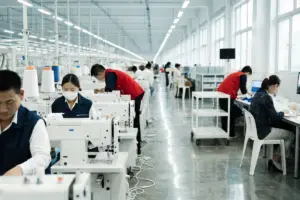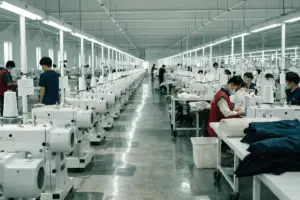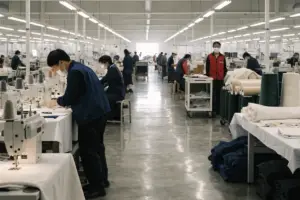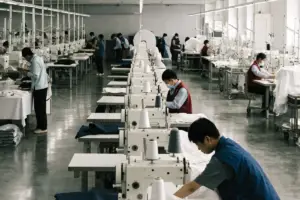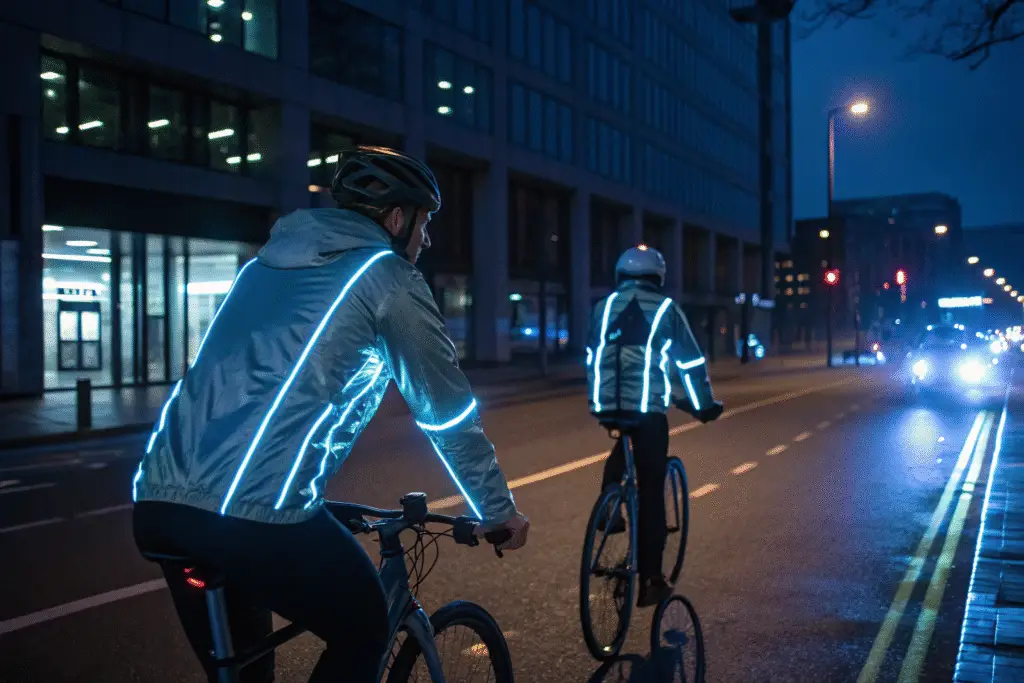
Cycling jackets are evolving from simple reflective gear to advanced self-illuminating garments that improve safety during night rides. These jackets integrate LED strips, electroluminescent panels, or fiber-optic threads, creating visibility without relying solely on external light sources. For apparel buyers, sourcing this type of product means understanding both technology and manufacturing challenges.
To source self-illuminating cycling jackets successfully, brands should evaluate lighting technology, battery integration, material compatibility, and supplier expertise. Selecting the right partner ensures products meet performance, safety, and market expectations.
As someone working closely with apparel factories, I have seen increasing demand for tech-driven garments. Buyers want innovative products that balance safety, comfort, and durability. This guide outlines how to find reliable suppliers and what to check before placing orders.
What Technologies Power Self-Illuminating Jackets?
The backbone of a self-illuminating cycling jacket is its lighting system. Different technologies provide different levels of brightness, durability, and flexibility.
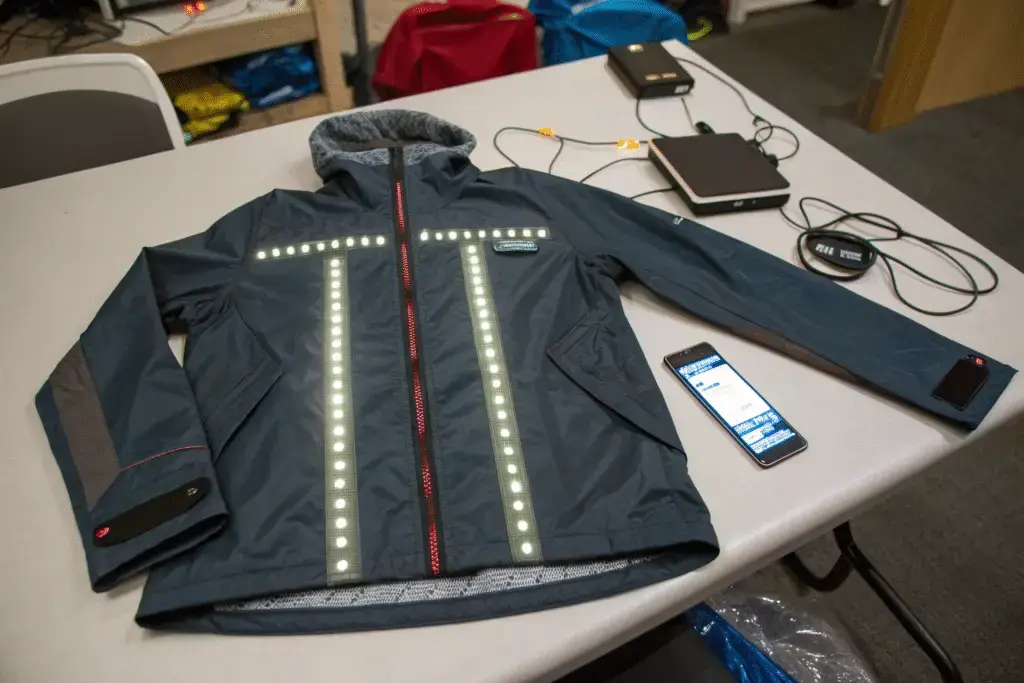
The three main options are LED strips, electroluminescent (EL) panels, and fiber-optic textiles. Each has unique advantages for cycling wear.
How Do LED Strips Compare To Fiber Optics?
LED lighting offers high brightness and long life, making it the most common choice. However, it can add weight and require careful integration. Fiber-optic threads, by contrast, are lighter and more flexible but may provide lower brightness.
Are EL Panels Practical For Apparel?
Electroluminescent technology creates smooth, even light across panels. It is thin and lightweight, but less durable under frequent washing. Brands must decide whether uniform glow or ruggedness is more important.
How Do Materials Affect Jacket Performance?
Self-illuminating jackets must balance safety with comfort. The choice of fabric is just as important as the lighting system.
Waterproof yet breathable materials are ideal, since cyclists need weather resistance without overheating. The fabric must also accommodate wiring channels and battery pouches.
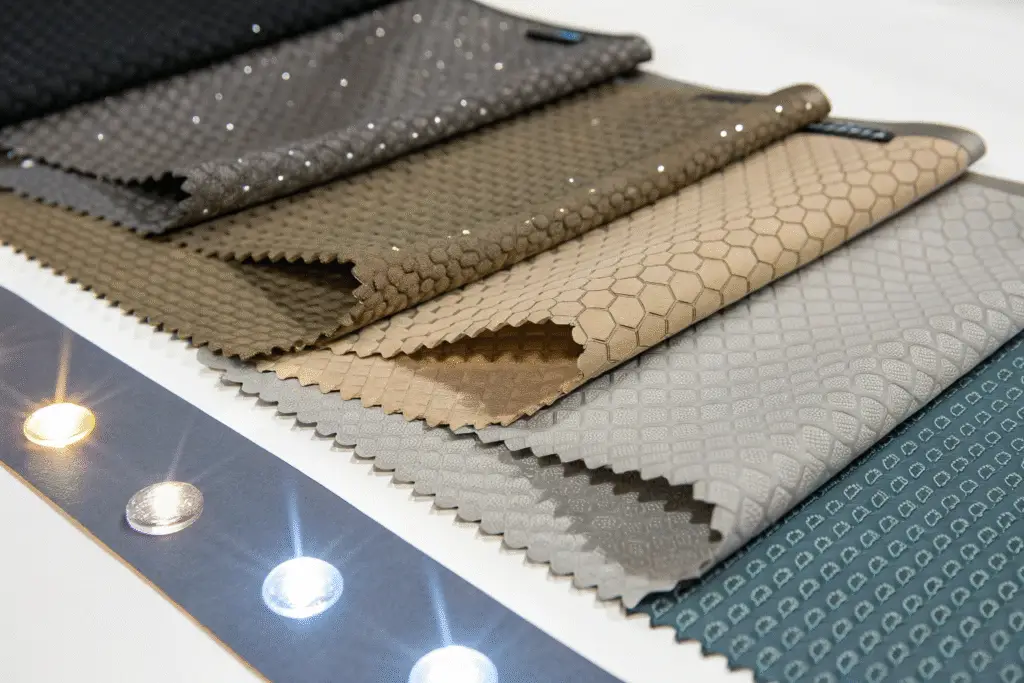
Which Fabrics Are Most Compatible With Electronics?
Polyester with laminated membranes works well, as it can integrate wiring and LED strips securely. According to Textile World, modern coatings allow fabrics to remain flexible even when embedded with conductive yarns.
Can Jackets Remain Washable?
Washability is a major challenge. Most electronic jackets use removable battery packs and sealed wiring to allow hand-washing. Some advanced fabrics tested by Wearable Technologies even integrate washable circuits, but they remain costly.
Where To Find Reliable Suppliers For Smart Jackets?
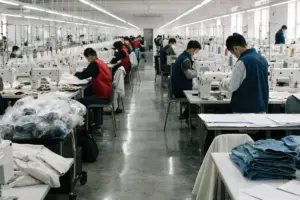
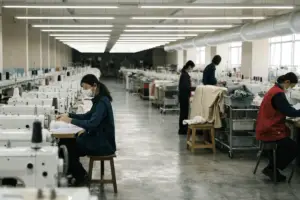
Finding a reliable supplier requires careful vetting. Not all garment factories can handle electronics integration.
The most suitable suppliers are those already experienced in producing smart wearables, outdoor gear, or performance sportswear.

What Sourcing Channels Work Best?
Trade shows like CES and ISPO Munich are key places to discover innovative wearable suppliers. Online B2B platforms such as Alibaba also list factories, though direct verification is critical.
How To Verify Supplier Capabilities?
Ask for samples, past project references, and certifications such as ISO 9001. A capable factory should also provide RoHS and CE compliance for electronic parts. Site visits or third-party audits add further assurance.
What Quality And Safety Standards Should Be Checked?
Because these jackets combine textiles and electronics, buyers must ensure compliance with both apparel and electronic standards.
Standards include waterproof ratings, battery certifications, and visibility performance tests. Meeting these requirements ensures jackets are safe for consumers and legal to sell in major markets.

What Safety Issues Are Most Critical?
Battery overheating, poor insulation, or short circuits are risks. Buyers should confirm compliance with UL battery safety standards and request full lab reports. Jackets should also achieve IPX waterproof ratings for outdoor use.
How To Ensure Visibility Standards?
In Europe, jackets must meet EN ISO 20471 for high-visibility clothing. In the U.S., ANSI/ISEA 107 compliance is expected. These standards guarantee that the illumination supplements visibility in low-light environments.
Conclusion
Self-illuminating cycling jackets represent a fusion of fashion, safety, and technology. To source them successfully, buyers must evaluate lighting options, fabric compatibility, supplier expertise, and certification compliance. The right approach ensures products stand out in a competitive market while delivering real benefits to cyclists.
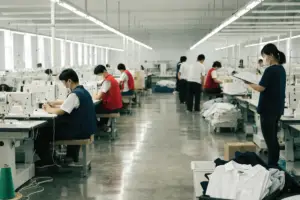
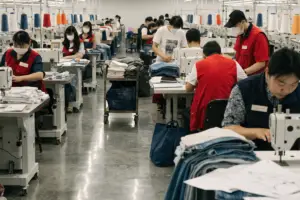
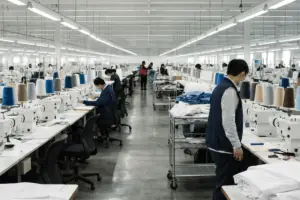
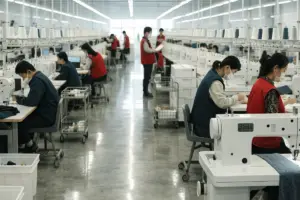
At Shanghai Fumao, we work with global buyers to develop innovative apparel solutions, from performance sportswear to tech-integrated garments. Our factory ensures quality, compliance, and flexible customization. If you want to explore sourcing self-illuminating jackets for your brand, contact our Business Director Elaine at strong>elaine@fumaoclothing.com</strong to start developing your next breakthrough product.