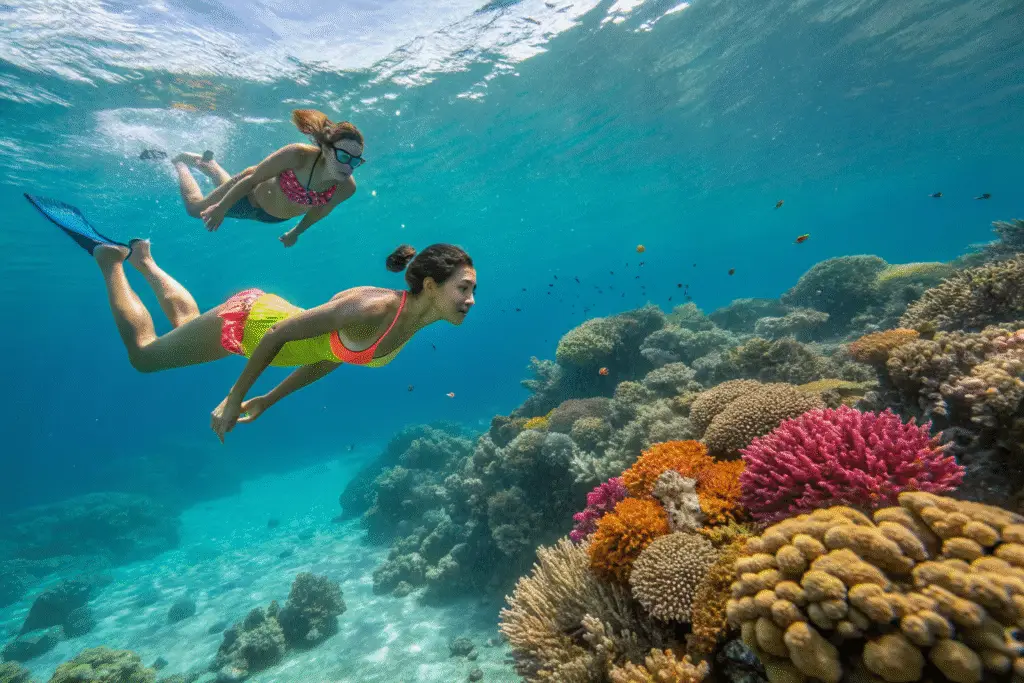
Coral reefs are among the most delicate ecosystems on the planet, yet they are increasingly threatened by human activity. One hidden danger is the chemical dyes used in swimwear. When harmful compounds enter the water, they disrupt coral health and contribute to bleaching. For brands aiming to align with sustainability, choosing coral-safe dyes is more than an ethical decision—it is also a way to meet consumer demand for eco-friendly products.
The best practices for coral-safe swimwear dyes involve eliminating harmful chemicals, selecting eco-friendly alternatives, adopting low-impact dyeing processes, and working only with certified suppliers. By applying these principles, brands can reduce their environmental footprint while maintaining vibrant colors and durable fabrics.
With my experience in textile sourcing and exports, I have seen how the right dyeing choices not only protect marine life but also improve a brand’s reputation in global markets. This guide will walk you through the risks of traditional dyes, eco-friendly alternatives, certification standards, and supplier collaboration.
Why Are Traditional Swimwear Dyes Harmful To Coral?
Understanding the harm of traditional dyes is the first step toward safer solutions. Coral reefs depend on their symbiotic algae, and when exposed to toxic substances, the algae die, leaving coral bleached and vulnerable. Even small amounts of dye runoff can trigger this effect.
What Chemicals Should Be Avoided In Swimwear Dyes?
Some dyes are especially damaging. Azo dyes may release harmful amines, while chlorinated fixatives and heavy metals like chromium persist in water. These substances are toxic to marine life and must be avoided in responsible swimwear sourcing.
How Does Pollution Reach The Ocean?
Contamination is not limited to beaches. Wastewater from dyeing factories, post-production rinsing, and even consumer laundry all release residues. Reports by UNEP identify textile dyeing as one of the leading causes of water pollution worldwide. This shows why solutions must cover the full production cycle.
Which Eco-Friendly Dyes Are Suitable For Swimwear?
After identifying what to avoid, the next step is choosing alternatives. Swimwear needs dyes that resist saltwater, chlorine, and sunlight while staying safe for marine life. Fortunately, several eco-friendly solutions already meet these needs.
Promising coral-safe options include natural plant-based dyes, low-impact reactive dyes, and solution-dyed synthetics. Each option reduces chemical discharge and preserves bright, durable colors for performance swimwear.

Are Natural Dyes Reliable For Swimwear?
Plant-based dyes such as indigo or turmeric are renewable and non-toxic. Their weakness is colorfastness under UV and chlorine. However, bio-engineered pigments inspired by natural sources are emerging as stronger alternatives, bridging the gap between tradition and technology.
What About Solution-Dyed Fabrics?
Solution dyeing, also called Dope Dyeing, adds color during fiber extrusion. This process saves water, reduces chemical use, and enhances color durability. For polyester and nylon swimwear, solution-dyed fabrics are one of the most sustainable large-scale options available.
What Certifications Ensure Coral-Safe Dyeing?
Certifications give buyers confidence that dyes meet strict safety and sustainability requirements. Without independent verification, claims like “reef-safe” remain unproven.
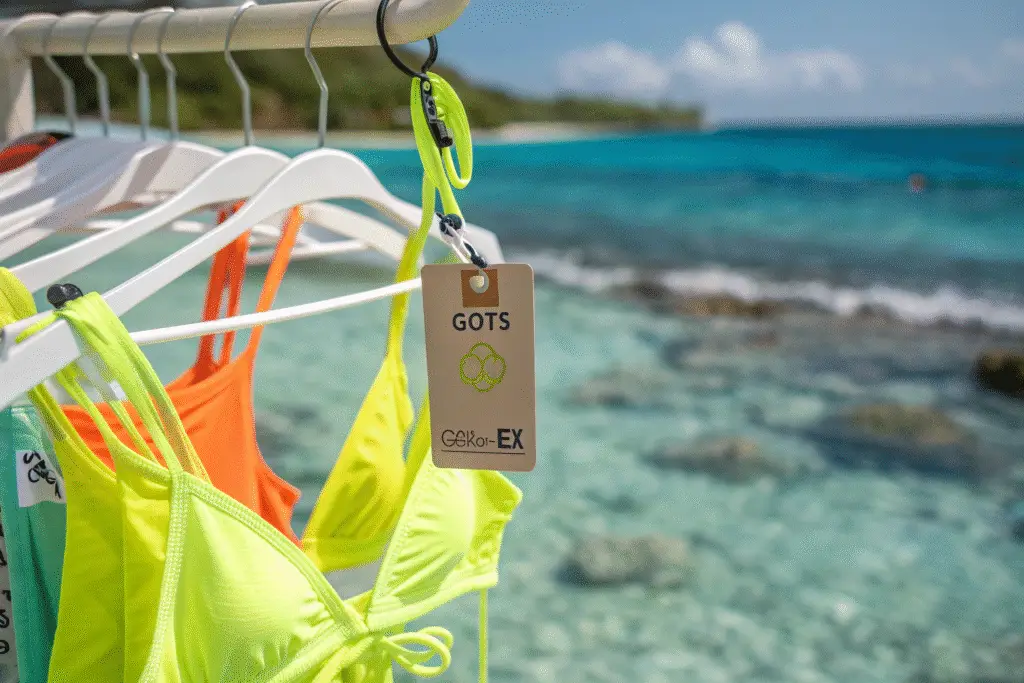
The most trusted standards include OEKO-TEX Standard 100, GOTS, and Bluesign. They confirm that fabrics are free from hazardous chemicals and that production follows strict environmental protocols.
Why Is OEKO-TEX Important For Swimwear?
OEKO-TEX Standard 100 screens textiles for over 300 hazardous substances, including azo dyes and heavy metals. For buyers in the U.S. and Europe, it is a widely accepted guarantee of safety.
How Does Bluesign Support Coral Safety?
Bluesign certification emphasizes chemical management. It requires factories to minimize wastewater pollution and adopt safer chemical inputs. This directly reduces ocean contamination, making it highly relevant to coral reef protection.
How To Work With Suppliers For Coral-Safe Dyeing?
Even the best dyeing technology requires reliable suppliers. Brands should not only trust verbal assurances but also demand documentation, testing, and transparency.
Building strong partnerships with suppliers means setting clear requirements, monitoring compliance, and prioritizing long-term collaboration over short-term savings.

What Questions Should Buyers Ask Suppliers?
Ask about dye types, wastewater treatment, and compliance with ZDHC guidelines. Request certifications, lab results, and detailed process descriptions. These questions show suppliers that sustainability is a serious business requirement.
How To Avoid Greenwashing Claims?
Some suppliers misuse eco-labels without evidence. To prevent greenwashing, demand third-party test reports, MSDS sheets, and certification tracking numbers. Responsible suppliers will welcome this scrutiny and share documentation openly.
Conclusion
Protecting coral reefs begins with responsible material choices. By avoiding harmful chemicals, selecting eco-friendly dyes, relying on certifications, and building accountable supplier partnerships, brands can ensure their swimwear lines are both high-performing and environmentally safe.
At Shanghai Fumao, we support global buyers in sourcing sustainable swimwear fabrics and dyes. Our factory provides certified quality, eco-compliance, and flexible customization. If you want to make coral-safe swimwear part of your brand’s future, contact our Business Director Elaine at strong>elaine@fumaoclothing.com</strong and start building eco-friendly collections today.