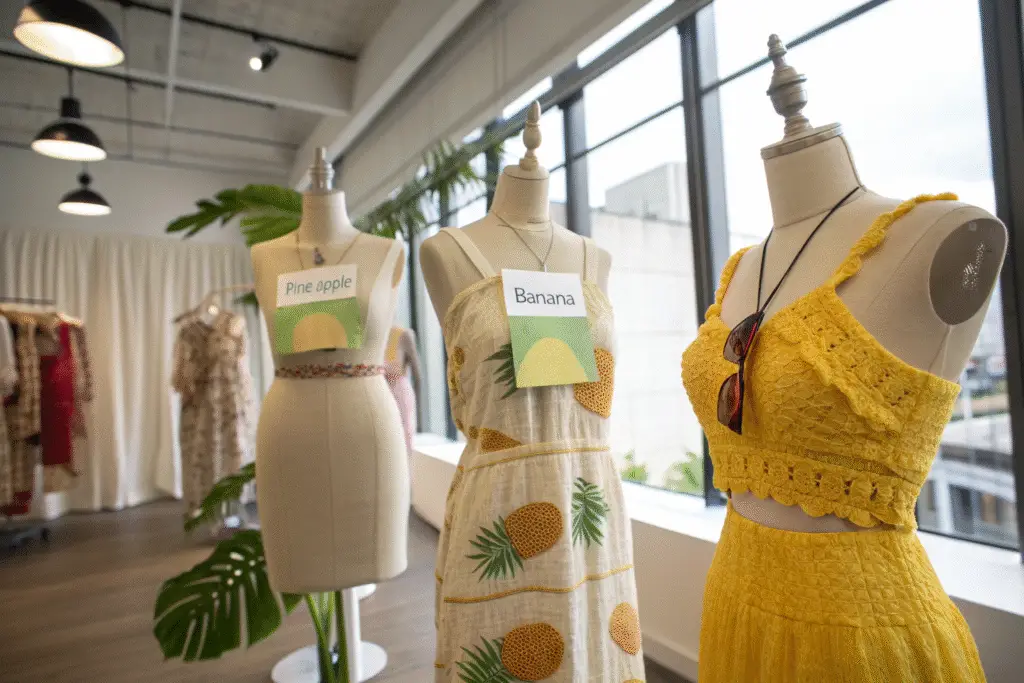
Sustainability is shaping the future of fashion, and brands are looking for innovative ways to reduce waste while offering stylish, functional garments. One of the most promising developments is the use of fruit waste fibers—textiles created from agricultural by-products such as pineapple leaves, banana stems, citrus peels, and coconut husks. These fibers are lightweight, breathable, and eco-friendly, making them especially suited for summer wear.
Fruit waste fibers are rising in popularity because they combine comfort, style, and environmental responsibility. They allow designers to create fashionable pieces while promoting circular economy principles that modern consumers value.
In the sections below, I will explain how fruit waste fibers are produced, why they are ideal for summer apparel, what environmental and economic benefits they bring, and how brands can use them to strengthen market positioning.
Understanding Fruit Waste Fibers
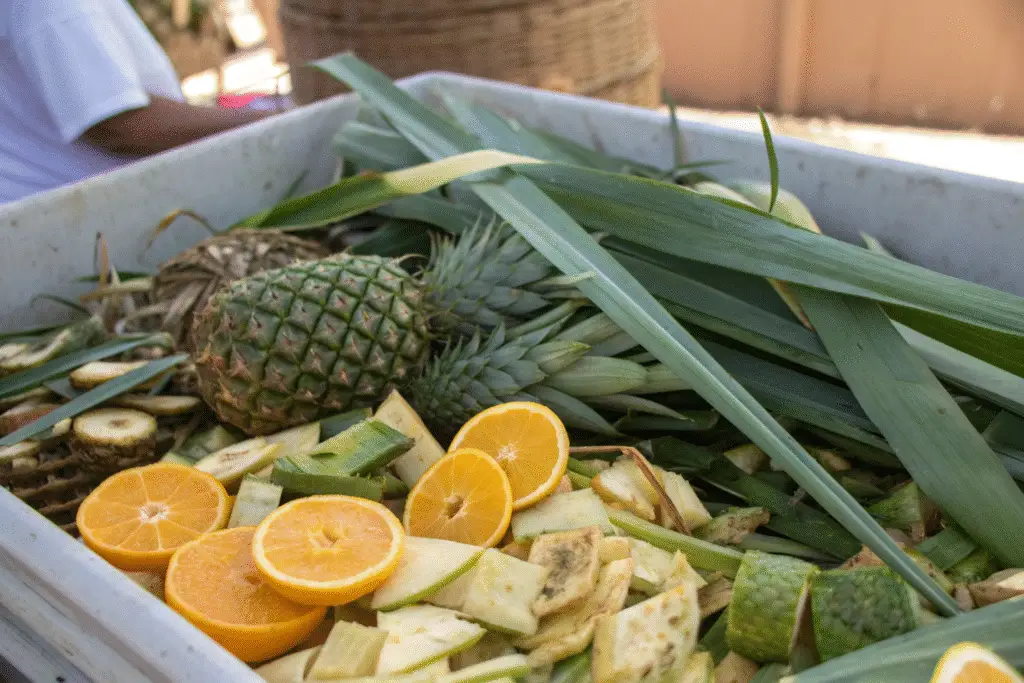
Fruit waste fibers are made by extracting cellulose from agricultural residues that would otherwise be discarded. Through retting, drying, and spinning processes, these by-products are transformed into fabrics suitable for weaving and knitting.
This approach not only prevents waste but also provides a sustainable alternative to conventional textiles.
By turning waste into wearable fabrics, the fashion industry can reduce its environmental footprint while maintaining material performance.
How Are Fruit Fibers Produced?
Pineapple leaves (Piñatex), banana stems, and citrus pulp are among the most common sources. According to ScienceDirect, these materials can be processed into durable, breathable fibers that blend well with cotton, silk, or synthetics.
Are Fruit Fibers Biodegradable?
Yes. When untreated with harsh chemicals, fruit fibers are fully biodegradable. Certifications such as GOTS and OEKO-TEX verify their eco-safety, making them reliable for sustainable fashion collections.
Ideal For Summer Apparel
Summer garments require fabrics that are light, breathable, and moisture-regulating. Fruit waste fibers naturally meet these needs thanks to their structure and comfort properties.
They provide a cooling effect, soft texture, and strength, making them suitable for summer dresses, shirts, and resort wear.
Designers also appreciate their versatility, as they can be used for both casual pieces and upscale collections.

Why Are They Comfortable In Hot Weather?
Fruit fibers allow airflow and wick away moisture from the skin. Research from Textile Today shows that pineapple and banana fibers offer high breathability, making them ideal for hot climates.
Can Fruit Fibers Replace Cotton?
In many applications, yes. While cotton remains common, fruit fibers offer comparable comfort with a lower environmental impact. According to Fashion United, brands are increasingly adopting Piñatex and banana textiles as alternatives to cotton and polyester.
Environmental And Economic Benefits
Fruit waste fibers address sustainability and resource efficiency simultaneously. They reduce pressure on landfills while creating value from agricultural by-products.
This dual advantage supports environmental conservation and provides new income opportunities for farming communities.
For fashion companies, this means aligning with both eco-conscious consumers and global sustainability goals.

How Do They Lower Environmental Impact?
They consume less water and fewer chemicals compared to traditional cotton production. According to Sustainable Brands, fruit fibers also cut down on carbon emissions and landfill waste.
What Economic Opportunities Do They Provide?
Farmers benefit from selling agricultural by-products that were once discarded. Studies from FAO highlight that regions producing bananas and pineapples gain added revenue streams, while textile producers access cost-effective raw materials.
Branding And Market Opportunities
Today’s consumers seek apparel that reflects their values, especially around sustainability. Fruit waste fibers give brands a compelling story that blends innovation, eco-consciousness, and fashion.
By promoting garments made from fruit fibers, companies can strengthen their brand identity and build stronger connections with eco-aware buyers.
This makes them valuable not just as fabrics but also as marketing assets.
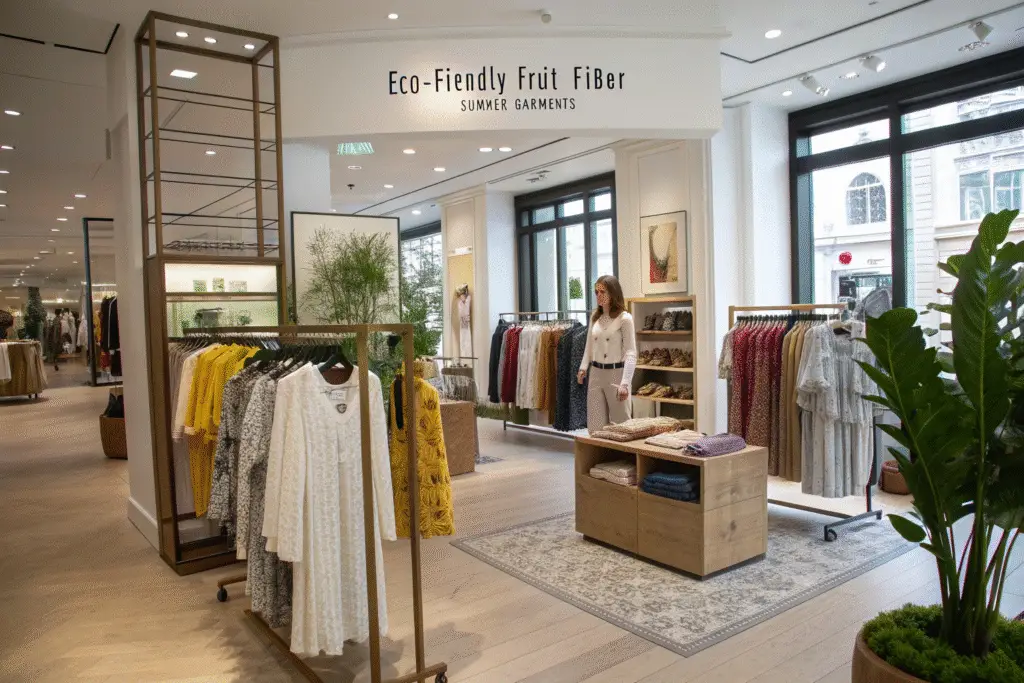
How Can Brands Use Fruit Fibers In Marketing?
By sharing the journey from waste to wardrobe, brands create powerful narratives. According to Vogue Business, transparency and storytelling around sustainable materials increase consumer trust and loyalty.
Which Markets Are Most Promising?
Resort wear, luxury apparel, and eco-conscious urban markets are leading adopters. Reports from Statista confirm that sustainable apparel demand continues to rise, making fruit fibers a timely and competitive choice.
Conclusion
Fruit waste fibers represent a breakthrough in sustainable textiles. They transform agricultural waste into breathable fabrics ideal for summer collections, reduce environmental impact, and create economic benefits for farmers. For fashion brands, they provide both material advantages and a compelling sustainability story that resonates with modern consumers.
If you are considering sustainable options for your next collection, our company Shanghai Fumao Clothing can help. We specialize in eco-friendly textiles and customized apparel manufacturing. To explore collaboration opportunities, please reach out to our Business Director Elaine at strong>elaine@fumaoclothing.com</strong.