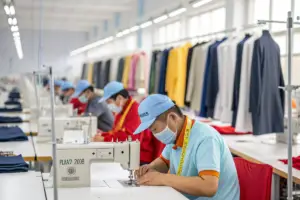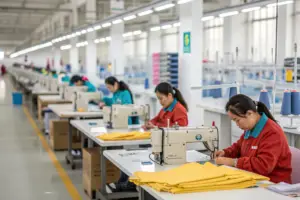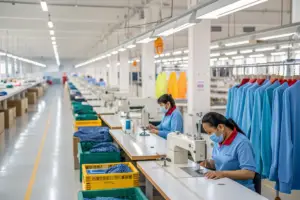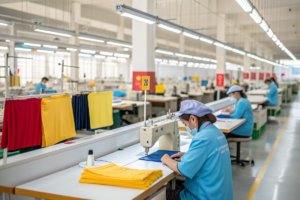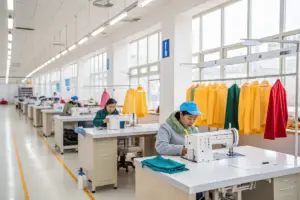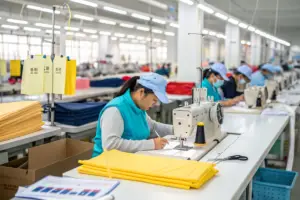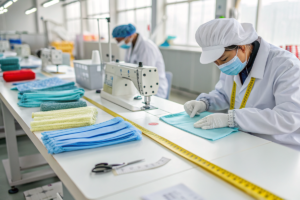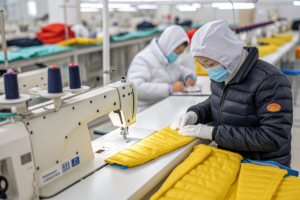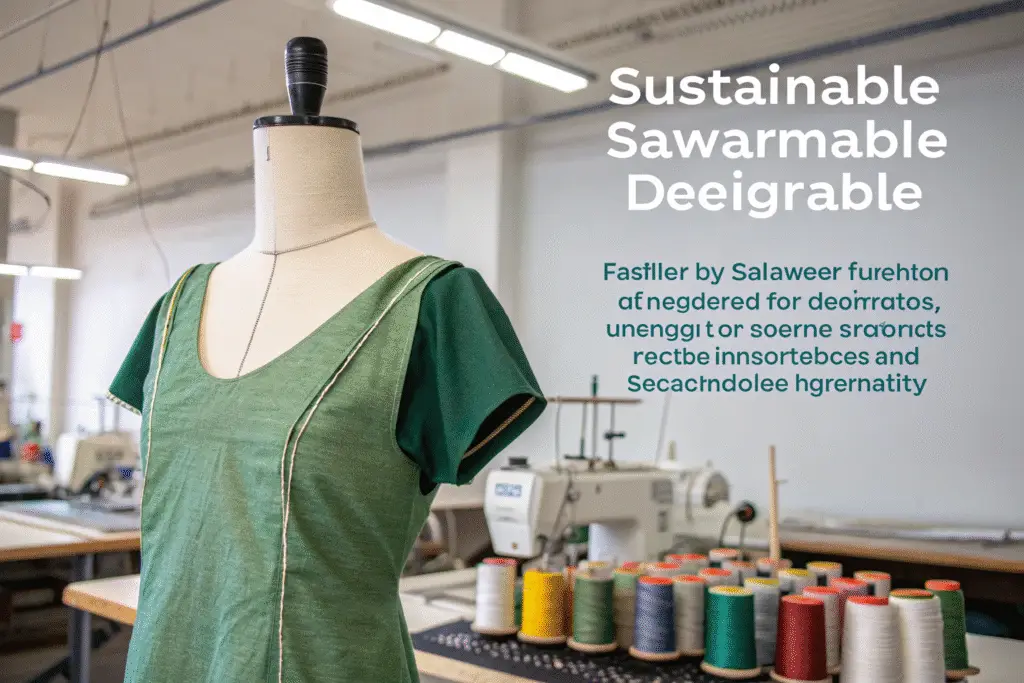
Sustainability has become central in the fashion industry. While fabrics usually get the spotlight, stitching is just as important. If eco-friendly garments are sewn with non-degradable threads, the effort falls short. Saltwater-degradable threads solve this problem by combining strength during use with safe decomposition after disposal.
These threads give brands a sustainable edge by offering durability in wear and environmental safety at the end of life.
This is not just a trend. It reflects a shift in how fashion is designed and consumed. Let’s look at what these threads are, why brands are choosing them, how they work in production, and how U.S. companies can benefit.
What Are Saltwater-Degradable Threads?
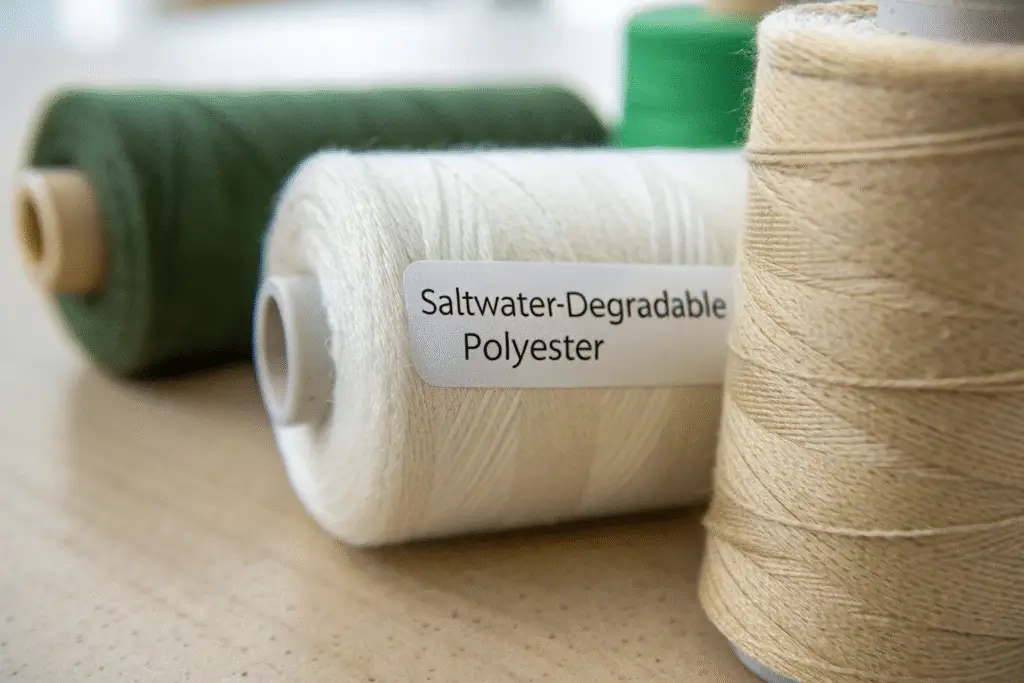
Saltwater-degradable threads are engineered to break down naturally in marine environments. Unlike polyester, which lingers for decades and releases microplastics, these threads decompose safely.
How do these threads differ from polyester?
Polyester threads are cheap and strong but petroleum-based and non-biodegradable. Saltwater-degradable threads use polymers that dissolve into harmless components when exposed to seawater, avoiding microplastic pollution.
Can they still meet strength standards?
Yes. These threads balance biodegradability with performance, meeting ISO textile standards while supporting sustainable apparel design.
Why Are Brands Switching to Saltwater-Degradable Threads?
The fashion industry faces growing scrutiny for its impact on oceans. Choosing saltwater-degradable threads helps brands cut microplastic waste, meet certification requirements, and strengthen their sustainability story.

Do consumers value sustainable stitching?
Yes. Over 70% of U.S. and European buyers prefer eco-friendly brands. Using sustainable threads shows responsibility down to the smallest detail, building loyalty, as noted in McKinsey’s sustainability report.
How does this affect brand reputation?
Brands that demonstrate eco-consciousness at every level, from fabric to thread, gain trust and stand out. Certifications from OEKO-TEX and other groups further enhance credibility.
How Do Saltwater-Degradable Threads Work in Garment Production?
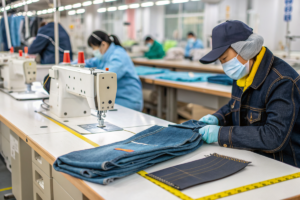
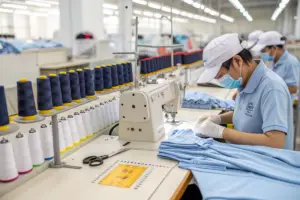
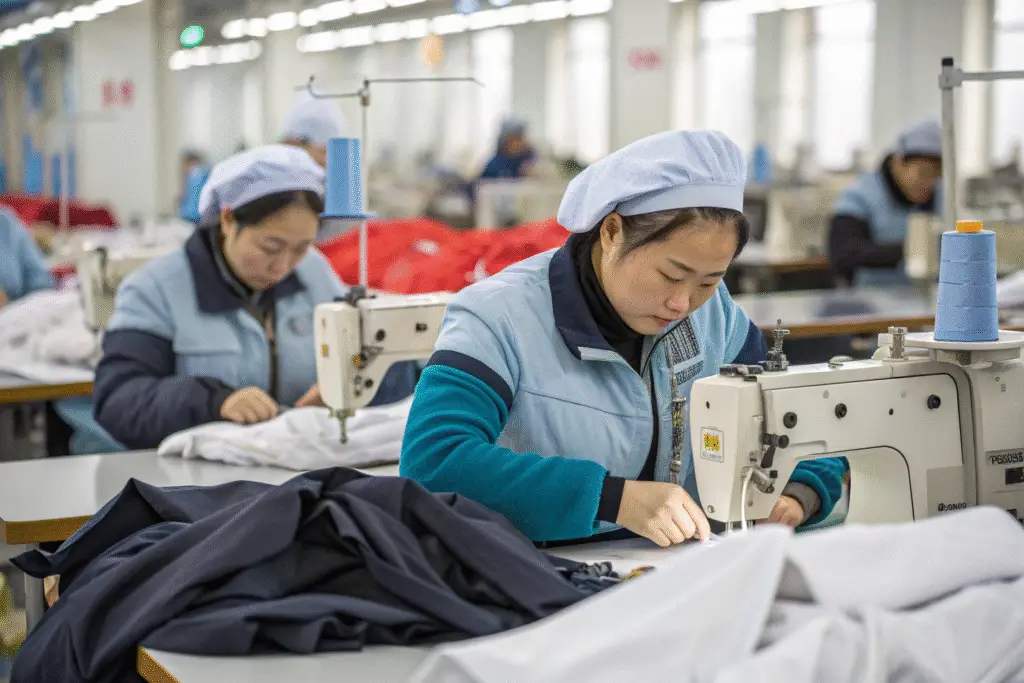
Most factories can adopt these threads with minimal adjustment. Standard machines handle them well, though tension and needles may need fine-tuning.
Are new machines required?
No. They work with existing industrial sewing machines, provided operators adjust settings. Resources like Threads Magazine offer guidance.
Do they raise costs significantly?
Only slightly—usually less than 2% of total garment cost. Given the global growth of sustainable apparel, the value far outweighs the expense.
How Can U.S. Brands Benefit From Using These Threads?
For U.S. brands, saltwater-degradable threads are both an environmental solution and a competitive strategy. Partnering with Chinese suppliers experienced in sustainable manufacturing ensures cost efficiency, compliance, and consumer trust.

Will this strengthen supply chain trust?
Yes. By sourcing from verified suppliers and using certifications from groups like Textile Exchange and OEKO-TEX, brands avoid accusations of greenwashing.
Can it boost competitiveness in the U.S. market?
Absolutely. Sustainable leaders enjoy higher margins and better retail opportunities. Reports from Forbes confirm the competitive edge sustainability provides.
Conclusion
Saltwater-degradable threads may look like a small change, but they have a big impact. They make garments truly sustainable, build trust with buyers, and prepare brands for stricter environmental standards.
If you are ready to integrate sustainability into your apparel sourcing, reach out to us at Shanghai Fumao. Our Business Director, Elaine, can guide you through our full production solutions. Contact her at elaine@fumaoclothing.com.