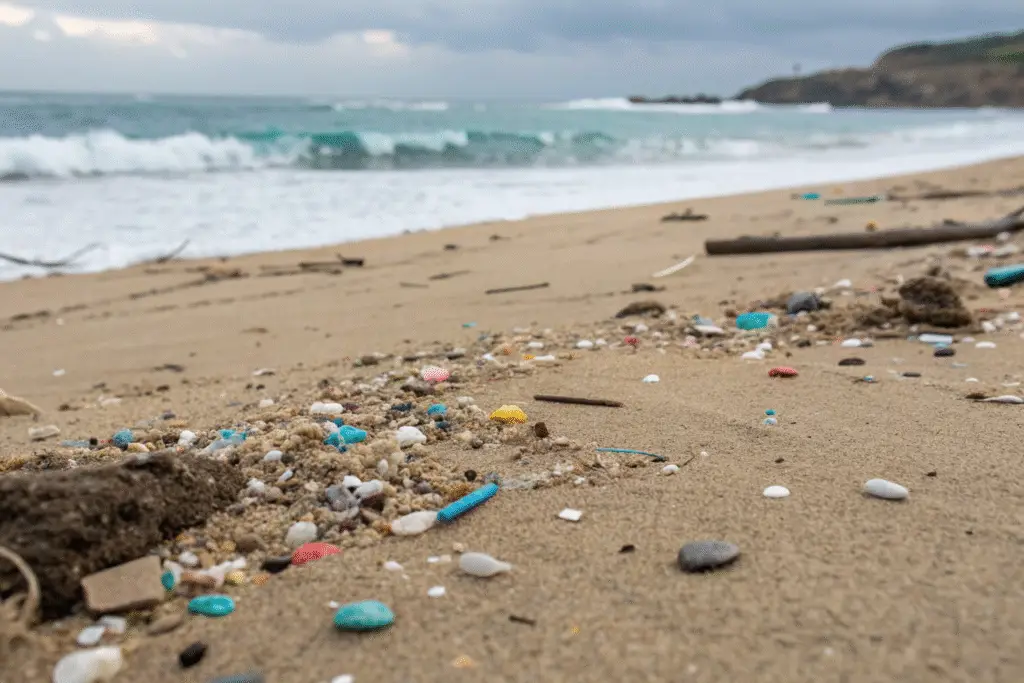
Microplastics are everywhere—oceans, rivers, soil, food, and even air. Their size makes them hard to detect and harder to remove. The urgent question is how to filter them out effectively.
The five leading solutions are membrane filtration, sand and granular filters, advanced oxidation and coagulation, biological filtration, and magnetic separation.
Each has strengths and limits depending on whether the goal is municipal water treatment, industrial discharge, or household purification.
Membrane Filtration: Can It Capture Tiny Microplastics?
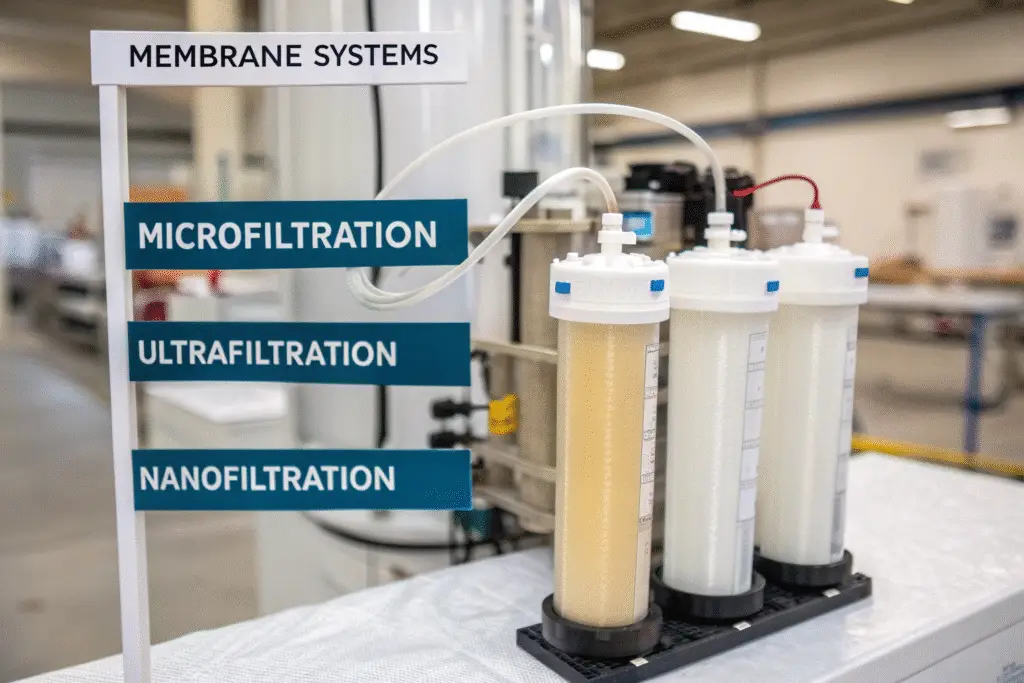
Membrane systems—microfiltration, ultrafiltration, and nanofiltration—use semi-permeable barriers to block particles as small as 0.1 microns.
They deliver high removal efficiency and are widely used in desalination and water treatment.
Why Is It Effective?
Membranes trap even sub-micron plastics, making them ideal for large-scale treatment. Research from the European Membrane Society confirms their reliability.
What Are The Drawbacks?
Clogging and frequent maintenance increase operating costs, as highlighted by ScienceDirect.
Sand And Granular Filters: Are Traditional Methods Still Useful?
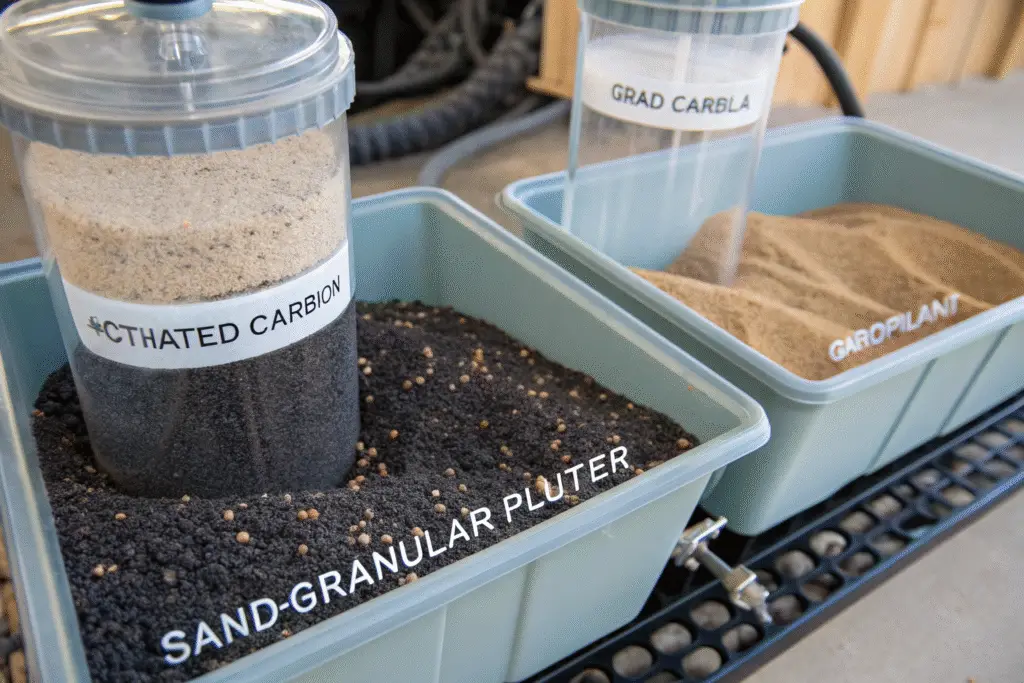
Sand and granular activated carbon (GAC) filters trap microplastics as water passes through packed beds.
They are cost-effective and adaptable, especially for larger particles.
How Effective Are They?
Sand and GAC filters capture particles larger than 20 microns and can also remove organic matter. The EPA Database lists them as viable treatment options.
What Are The Limits?
They struggle with very small plastics and require regular backwashing, according to the Water Research Foundation.
Advanced Oxidation & Coagulation: Can Chemicals Help?
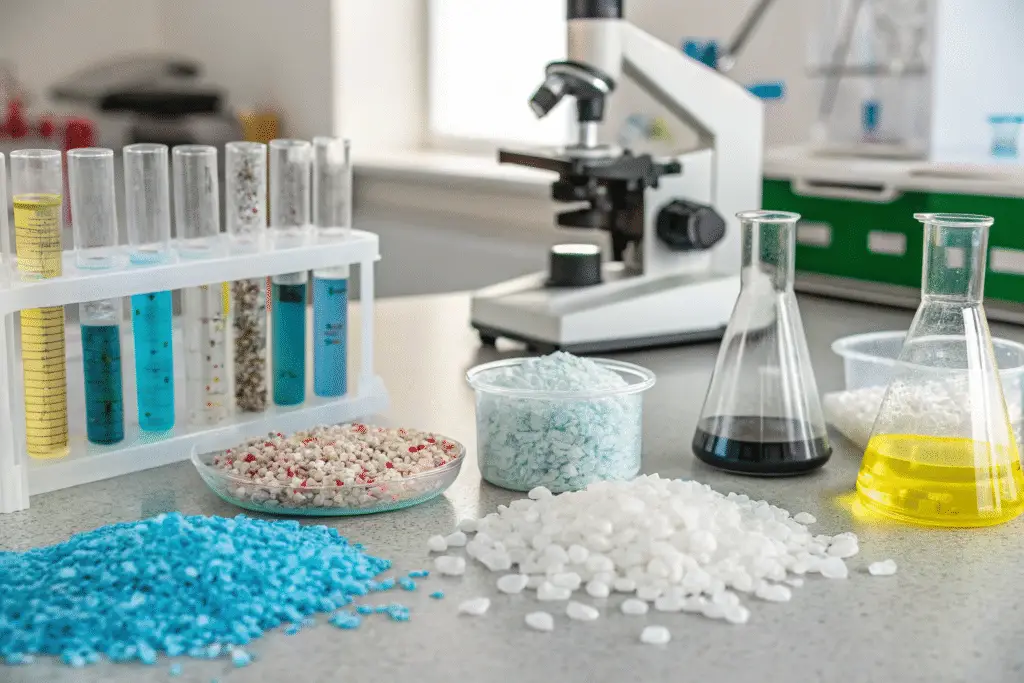
Chemical processes enhance microplastic removal by clumping or degrading particles.
Coagulants form larger clusters for easy filtering, while oxidation can break down fragments.
How Does It Work?
Polymers and salts bind particles, boosting filter efficiency. The Water Environment Federation notes coagulation works best when paired with physical filtration.
What Are The Risks?
Byproducts and higher energy demand make chemical methods costly. Hybrid systems, suggested by IWA Network, improve outcomes while reducing side effects.
Biological Filtration: Can Nature Do The Job?
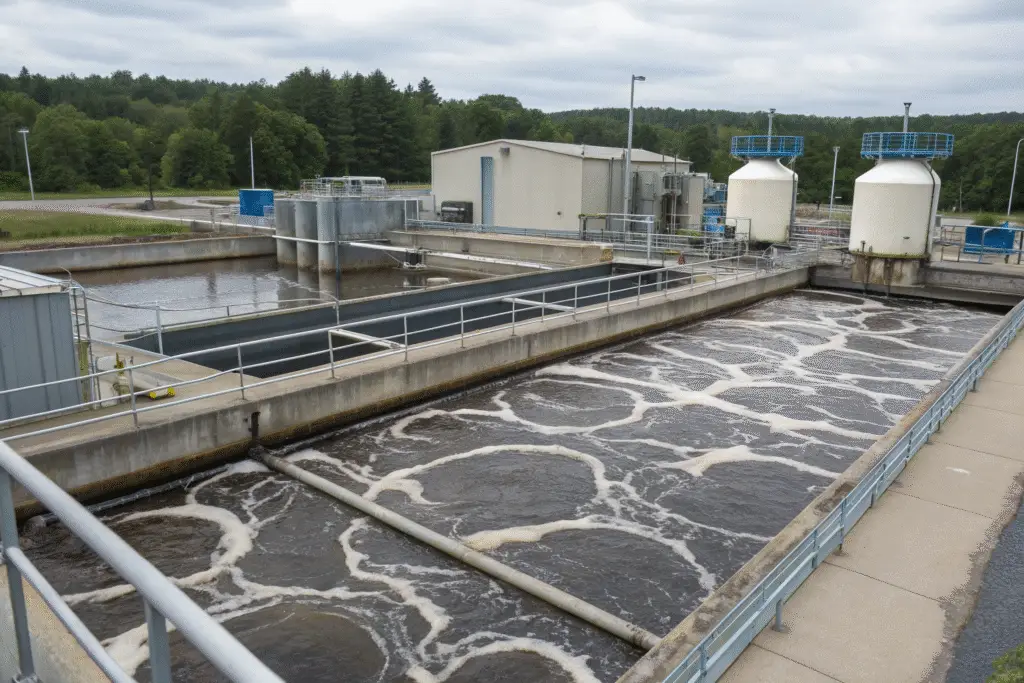
Biological treatment plants use biofilms and microbes to capture and sometimes degrade microplastics.
It is low-energy, sustainable, and integrates into existing wastewater systems.
Why Consider It?
Studies show biofilms trap fibers and fragments during secondary treatment, as reported by the International Water Association.
What Are The Challenges?
Efficiency varies and plastics are not fully degraded, making this method most effective when combined with physical filtration, according to Nature Sustainability.
Magnetic Separation: Is This The Future?
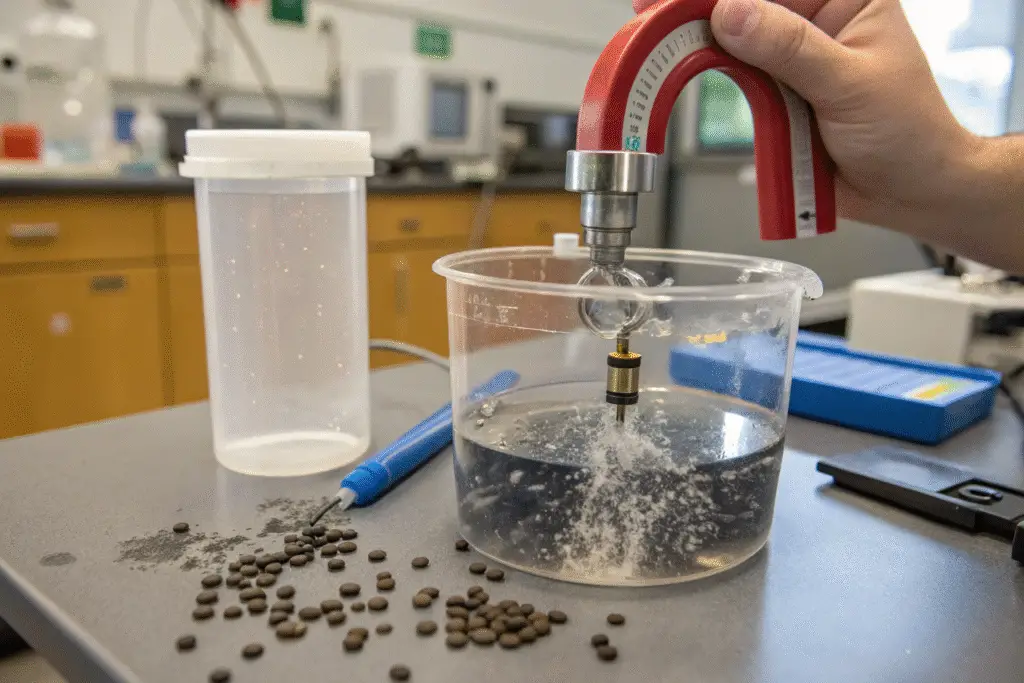
Magnetic methods use nanoparticles that attach to microplastics, which are then pulled out with magnets.
They show high efficiency in lab tests but remain experimental.
Why Is It Promising?
Magnetic separation avoids clogging and captures very small particles. Early studies in ScienceDirect report removal rates above 90%.
What Are The Barriers?
Scaling up and ensuring nanoparticle safety are major challenges, as noted by ACS Publications.
Conclusion
No single method solves microplastic pollution. Membranes provide precision, sand and GAC offer affordability, coagulation improves efficiency, biological systems add sustainability, and magnetic separation shows future potential.
The most effective solutions combine these technologies into integrated systems, helping industries and governments reduce microplastic pollution at scale.