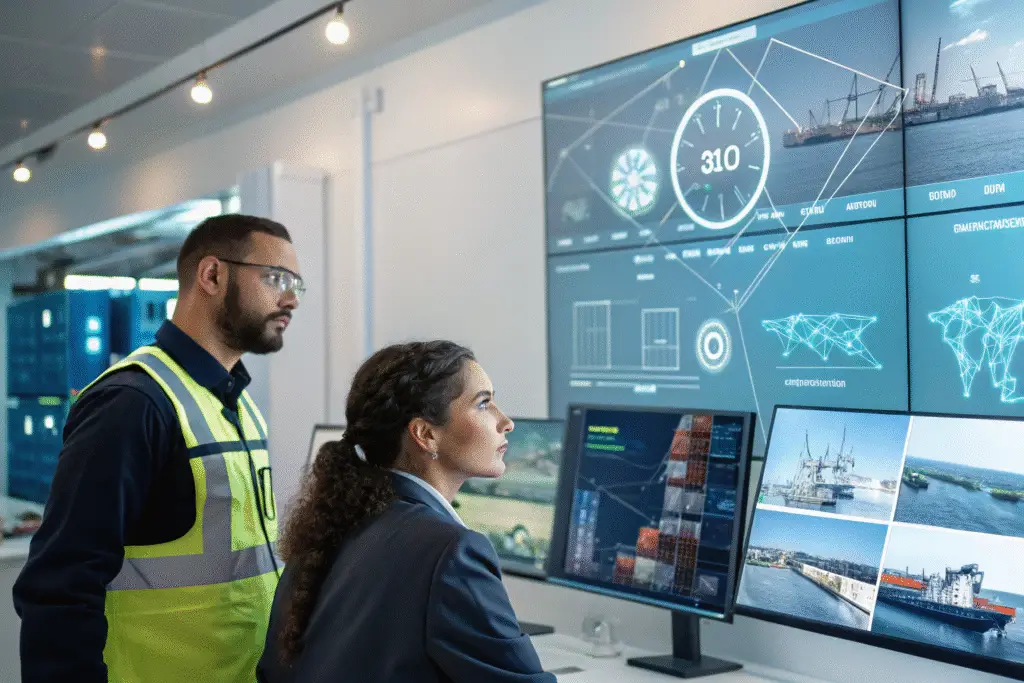
Let’s be real—climate change isn’t just some far-off warning anymore. It’s here, and businesses can’t afford to hide behind vague promises. Customers are asking tougher questions: How sustainable are you, really? And in industries like fashion, logistics, and manufacturing, the answer often gets lost in outdated reports, confusing numbers, or, let’s be honest, a little bit of greenwashing.
That’s why blockchain is stepping onto the stage. Sure, you’ve heard of it with crypto, but beyond that hype, blockchain is proving itself as a rock-solid way to track carbon emissions in real time. No more delays, no more smoke and mirrors—just clear, verifiable data.
So, why is blockchain such a big deal for sustainability? Let’s break it down.
Transparency That Shoppers Can Actually See
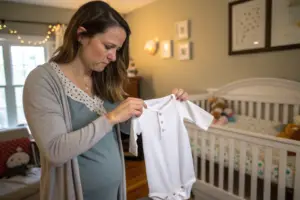
Think about how often you see labels that say “eco-friendly” or “sustainable.” But what does that even mean? Without proof, those words don’t hold much weight. Blockchain changes the game because it gives customers real, traceable data they can check themselves.
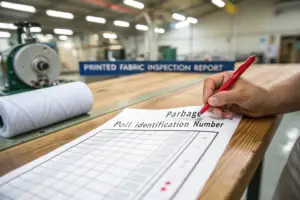
Every step—raw materials, production, shipping—gets logged on a secure ledger. Once it’s there, nobody can change it. That means no greenwashing, no half-truths, just transparency.
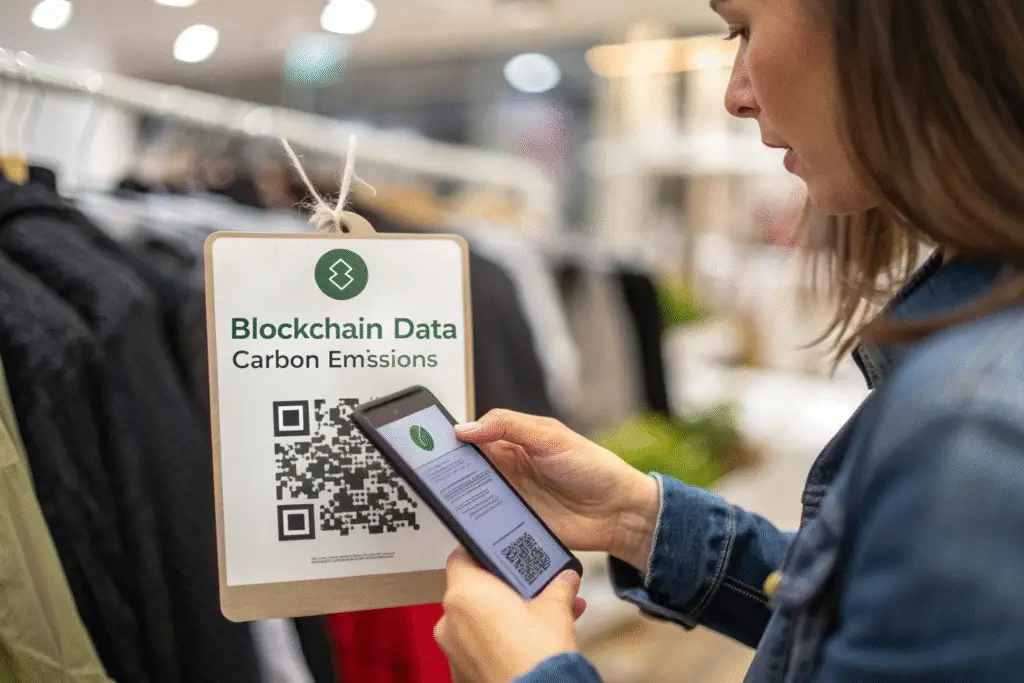
Why do shoppers care?
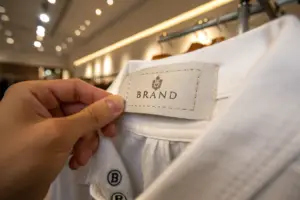
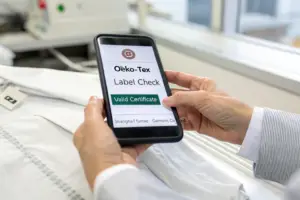
Because people want honesty. Platforms like Circularise already let customers trace sustainability claims. Imagine scanning a QR code and instantly seeing the carbon footprint of the shirt in your hands.
Why do brands care?
Because trust sells. A Forbes study shows younger generations stick with brands that prove their impact—not just talk about it.
Real-Time Tracking Instead Of Old Reports
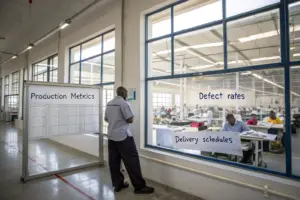
Here’s the problem with traditional carbon reporting: it’s slow. By the time you get the numbers, the damage is already done. Blockchain makes it possible to log emissions as they happen, thanks to IoT sensors feeding data straight to the chain.
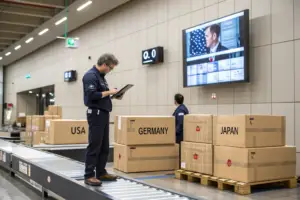
Factories, trucks, even shipping containers can push live emissions data that’s instantly visible.
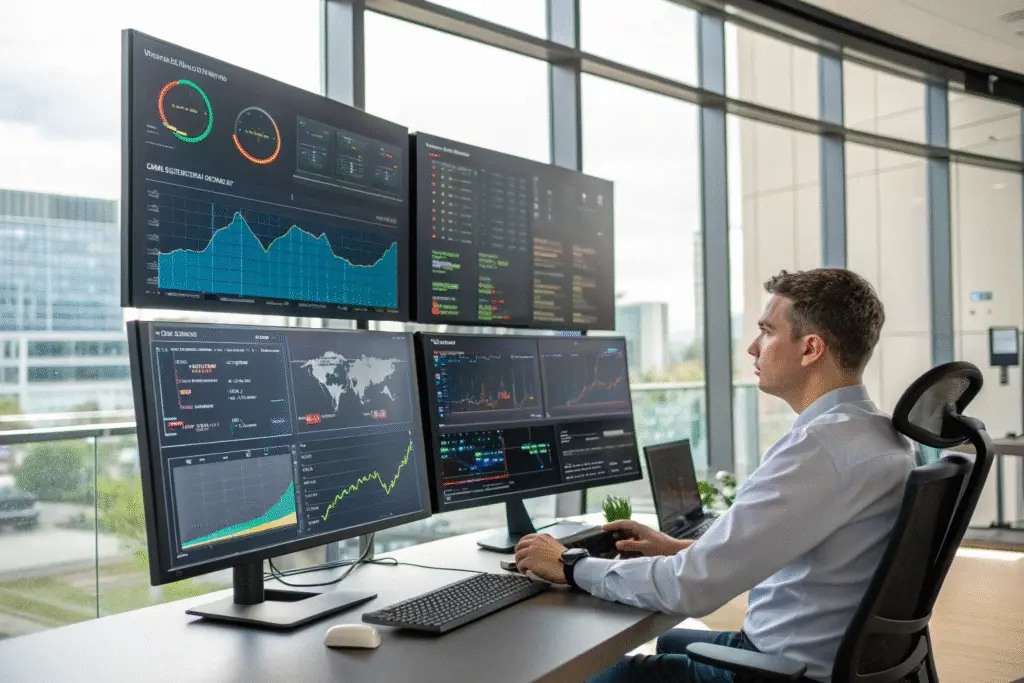
How does it work?
IoT devices measure things like energy use or fuel consumption. That data is automatically uploaded to blockchain. IBM Blockchain has already tested this kind of system for supply chains.
What’s the benefit?
Speed. If one part of your supply chain suddenly spikes in emissions, you don’t wait months to find out—you fix it now.
Records That Can’t Be Faked
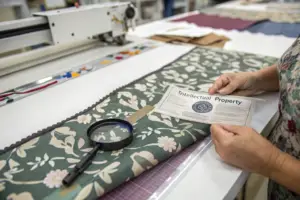
Another issue? Accountability. Companies sometimes “adjust” their numbers, and regulators are left guessing what’s real. Blockchain solves this by creating immutable, time-stamped records. Once data is logged, it stays there forever.
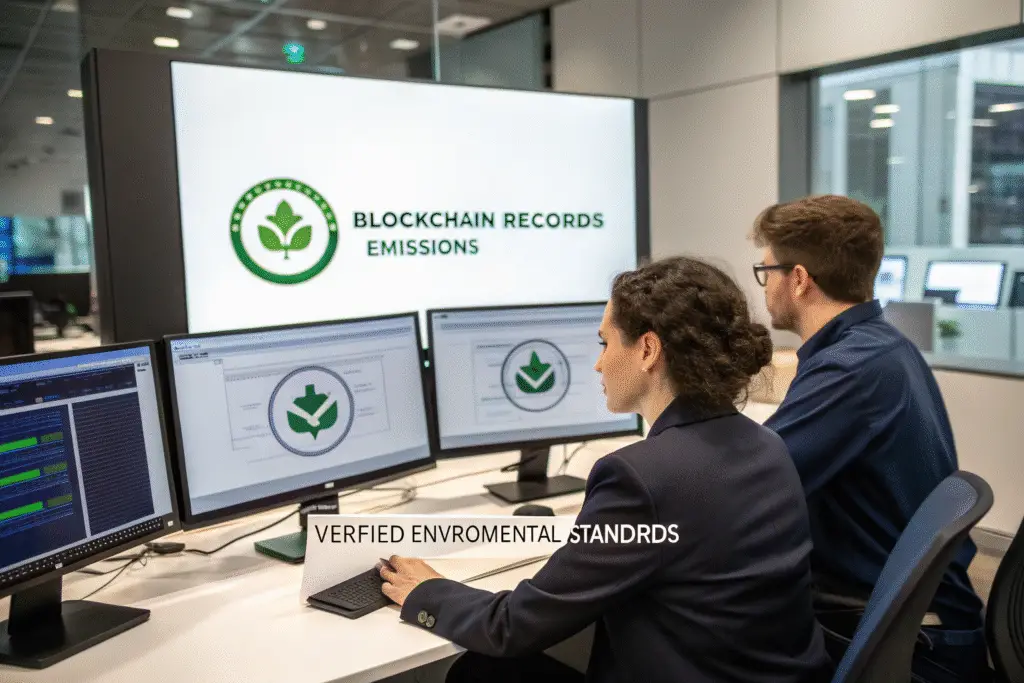
Why does this matter?
Because regulators and watchdogs need proof. World Economic Forum says blockchain’s permanence makes it perfect for verifying supply chain sustainability.
What’s in it for companies?
Less back-and-forth during audits, fewer disputes, and cleaner compliance. No more stacks of paperwork—just a verifiable digital trail.
Smarter Carbon Credits And Offsets
Let’s be honest—the carbon offset market has its flaws. Double-counting, fake credits, shady trading—it’s messy. Blockchain can bring order by turning credits into digital tokens that can’t be duplicated or faked.
What does that look like?
Platforms like Toucan are already building blockchain marketplaces for verified carbon credits. Companies can buy, sell, or trade offsets with total confidence.
Why does this matter?
Because credibility counts. If you say you offset emissions, you’d better have proof. Blockchain makes sure every credit is authentic and traceable.
Conclusion
Blockchain isn’t just about cryptocurrency—it’s a tool that’s making sustainability real, visible, and verifiable. From live tracking and transparent records to smarter offsets, it’s giving companies the chance to back up their words with hard data.
For brands, this is more than just good PR. It’s about survival in a market where customers and regulators demand proof.
At Shanghai Fumao Clothing, we understand that transparency is the future. That’s why we’re exploring blockchain-enabled traceability for carbon footprints in our supply chain. If you want to partner with a manufacturer that takes sustainability seriously—and proves it—reach out to our Business Director Elaine at elaine@fumaoclothing.com. Let’s move beyond promises and build trust with real data.