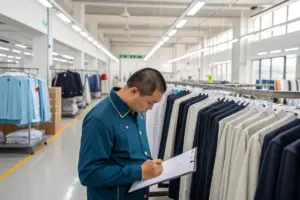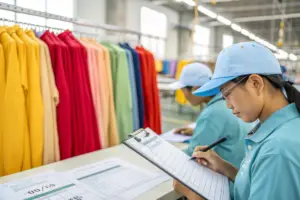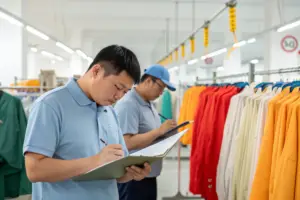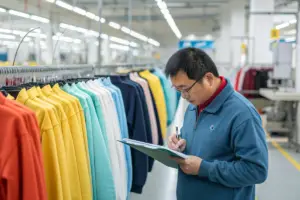
Uniforms are daily wear for students, so safety and comfort cannot be ignored. Skin irritation or allergic reactions often come from harsh chemicals in fabrics or dyes. Parents and schools now expect suppliers to guarantee both quality and safety.
Sourcing allergy-certified uniforms means working with verified manufacturers, using certified fabrics, and maintaining transparency with testing standards.
This approach ensures students stay comfortable while schools and brands gain trust.
Which Fabrics Are Best For Allergy-Safe School Uniforms?
The choice of fabric plays a critical role in reducing allergies. Breathable and skin-friendly options provide comfort for long school days.
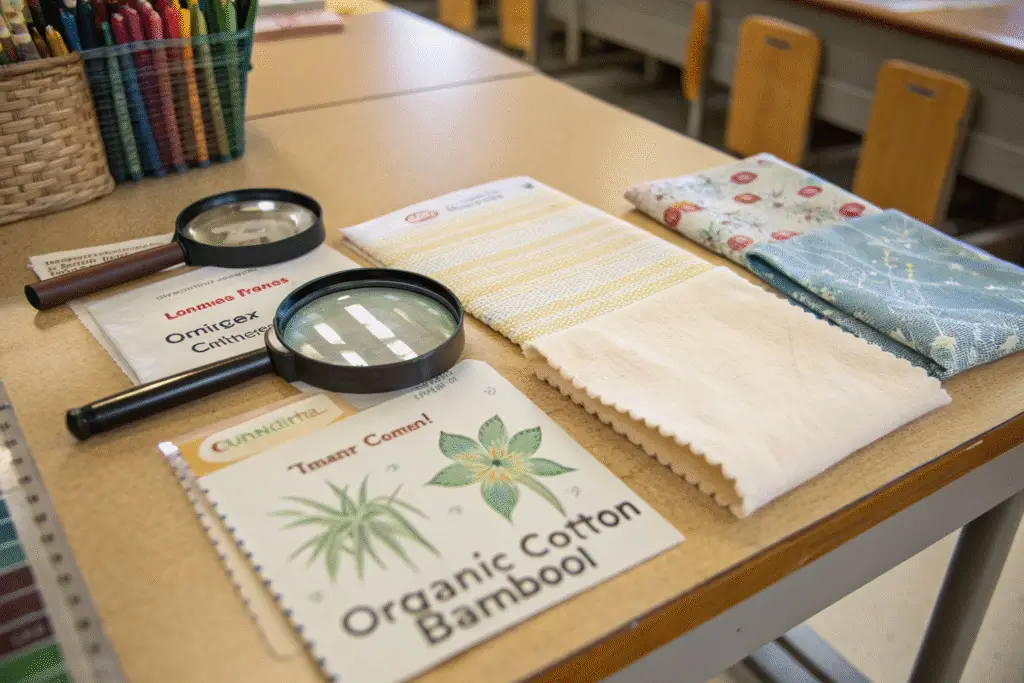
Organic cotton, bamboo, and Tencel® are the leading choices for allergy-safe school uniforms.
Why is organic cotton recommended?
It avoids harmful pesticides and dyes. Textile Exchange lists organic cotton as one of the safest materials for children’s skin.
Are bamboo and Tencel® suitable?
Yes. Bamboo naturally resists bacteria, while Tencel® is smooth and gentle. Lenzing explains that Tencel® is sustainable and widely used in sensitive-skin clothing.
How To Balance Cost And Quality When Sourcing?
Certified uniforms may carry higher upfront costs, but smart sourcing and bulk orders balance the expense. Schools can maintain quality while staying within budget.
Cost management involves large-volume contracts, efficient logistics, and strong supplier partnerships.

Are allergy-certified uniforms more expensive?
Yes, though the added value offsets the price. Eco-Business reports that sustainable uniforms provide long-term savings and stronger brand reputation.
How can schools manage budgets?
Ordering directly from certified factories and using Delivered Duty Paid (DDP) avoids hidden fees. Freightos notes that DDP simplifies customs and gives pricing clarity.
Why Are Allergy-Certified Uniforms Important For Schools?
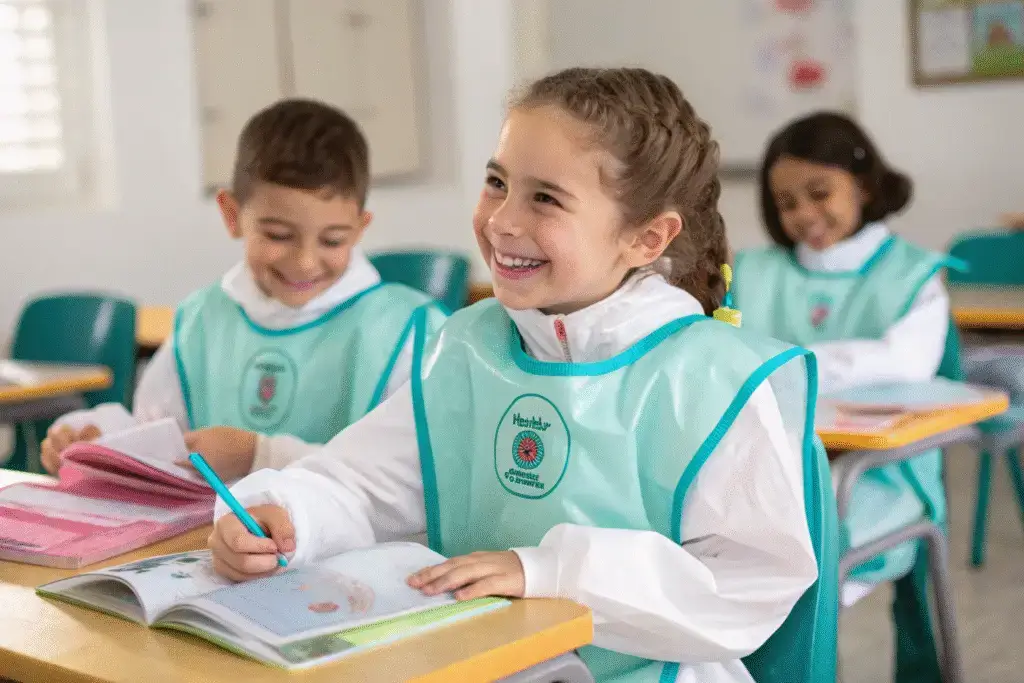
Children spend many hours each day in uniforms. If fabrics contain allergens, they risk skin rashes or discomfort. Allergy-certified uniforms protect health and show that schools care for student welfare.
These uniforms are essential for reducing skin reactions and ensuring safe daily wear.
What risks come from non-certified fabrics?
Chemical finishes or toxic dyes can trigger dermatitis. American Academy of Dermatology points out that many allergic reactions in kids come from textile chemicals.
How do certifications reassure schools and parents?
Labels like OEKO-TEX® Standard 100 prove uniforms are tested for harmful substances, giving confidence to parents and institutions.
How To Identify Reliable Allergy-Certified Suppliers?
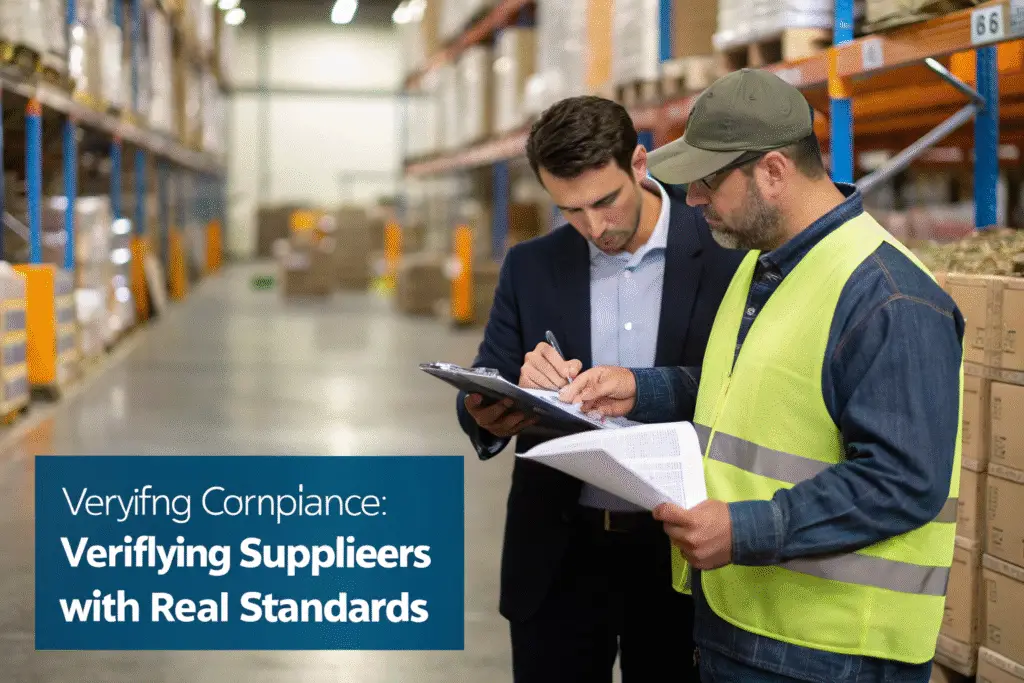
Not all suppliers meet real standards. Buyers need evidence of compliance and consistent production practices.
Authentic suppliers provide certification numbers, transparency, and independent test reports.
Which certifications matter most?
Global Organic Textile Standard (GOTS) and OEKO-TEX® are internationally trusted. Both ensure fabrics are safe for sensitive skin.
How can schools and buyers confirm authenticity?
Certificate numbers can be checked on official databases. Independent labs like SGS also help verify fabric safety.
Conclusion
Allergy-certified uniforms protect students, satisfy parents, and build school trust. By selecting fabrics like organic cotton, bamboo, and Tencel®, and sourcing from certified suppliers, schools ensure safety and sustainability.
At Shanghai Fumao, we specialize in producing certified children’s uniforms with strict quality control and reliable logistics. For details, please contact our Business Director Elaine at elaine@fumaoclothing.com.