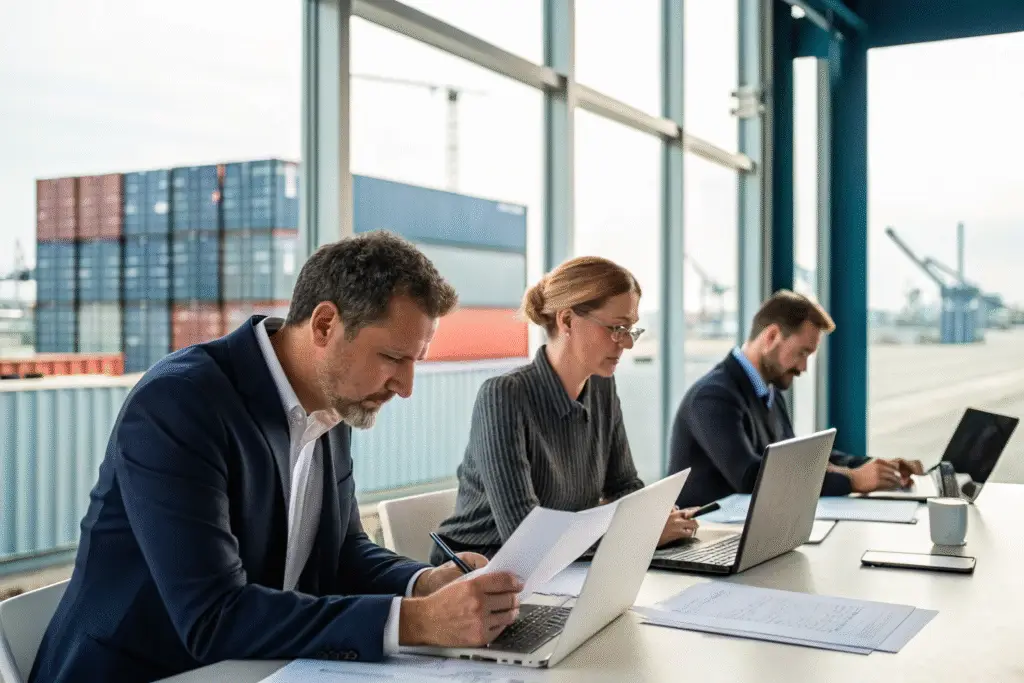
International shipping depends on accuracy and speed, but paperwork often slows everything down. Customs forms are complex, and small mistakes can mean costly delays. Many exporters and importers now rely on AI tools to automate classification, validate trade compliance, and digitize processes.
AI-based customs platforms help reduce errors, accelerate clearance, and improve trade compliance across borders.
By integrating smart technology, businesses gain time savings and avoid unnecessary penalties, keeping their supply chains more efficient.
Top 5 AI Tools For Customs Documentation
A growing number of platforms now apply AI to customs processes. These tools vary in focus, but all aim to reduce paperwork stress and speed up international trade.
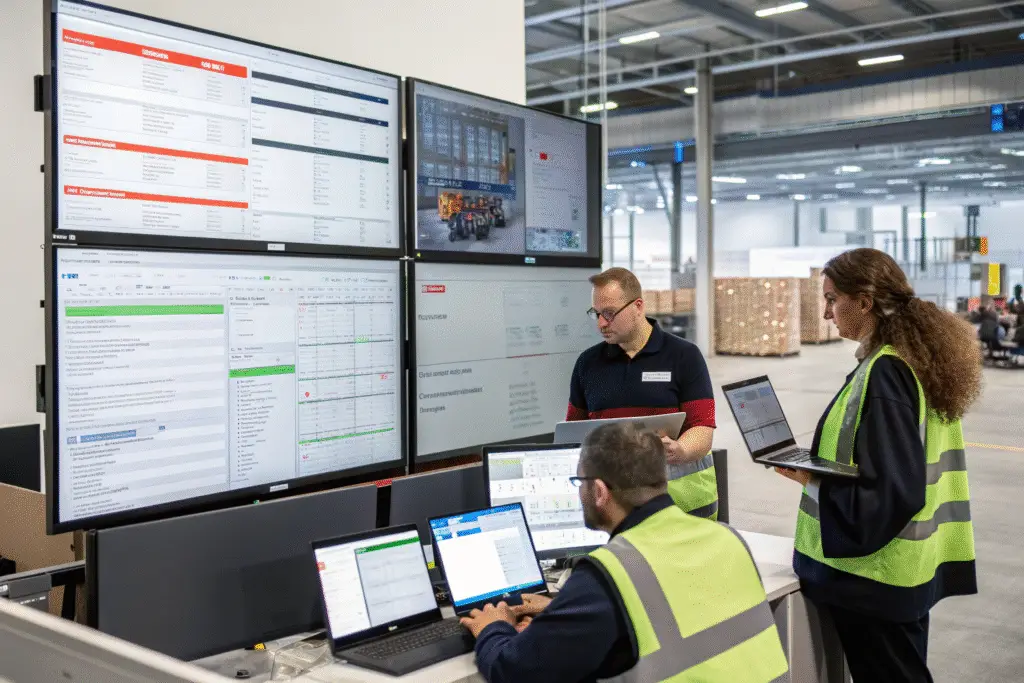
1. ClearNow
ClearNow simplifies U.S. import filing by automating customs brokerage. Its system electronically processes entries and speeds up cargo release. The U.S. Customs and Border Protection highlights electronic submission as a major time saver.
2. KlearNow.ai
KlearNow.ai applies artificial intelligence to digitize and classify customs documents. As TechCrunch notes, the platform removes the need for manual data entry for importers and freight forwarders.
3. Descartes Systems
Descartes integrates AI with compliance checks and digital trade documentation. Descartes explains that its global data network verifies information against regulations, minimizing errors.
4. WiseTech Global (CargoWise)
CargoWise offers an all-in-one logistics solution. WiseTech Global demonstrates how its platform supports customs filing, tariffs, and compliance across multiple markets.
5. OCR Labs
OCR Labs uses artificial intelligence for document recognition. OCR Labs shows that it verifies certificates, invoices, and IDs, helping companies improve customs-related identity checks.
How Do Businesses Benefit From AI Customs Tools?
Companies that adopt AI in customs processes report measurable gains. Faster clearance means fewer disruptions, while compliance features lower the risk of penalties.
The benefits of these tools include efficiency, reliability, and stronger compliance confidence.
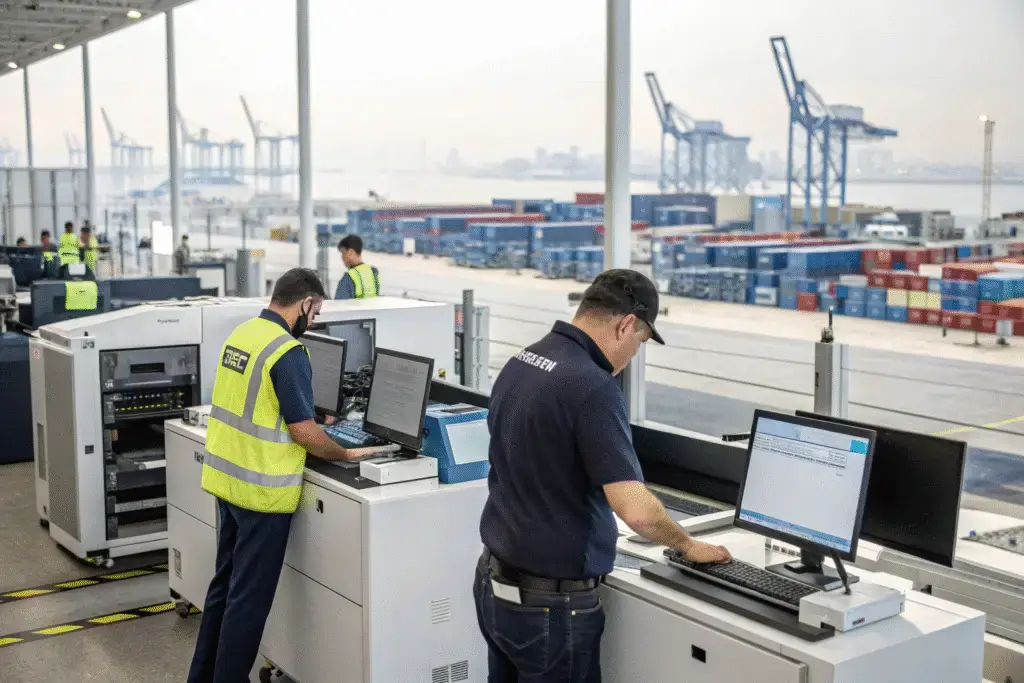
How do AI tools save time and money?
Automating data handling cuts hours of repetitive work. McKinsey shows that AI-enabled logistics reduces paperwork costs and frees staff for higher-value tasks.
Why is compliance assurance critical?
AI platforms identify missing documents or wrong HS codes before submission. The World Bank confirms that technology-assisted compliance reduces fines and minimizes shipment delays.
Why Is AI Important For Customs Documentation?
Customs regulations are dynamic, with frequent updates across markets. Manual processes cannot keep up easily. AI helps adapt by analyzing vast amounts of trade data quickly.
AI matters because it replaces repetitive manual work with accurate, automated compliance checks.
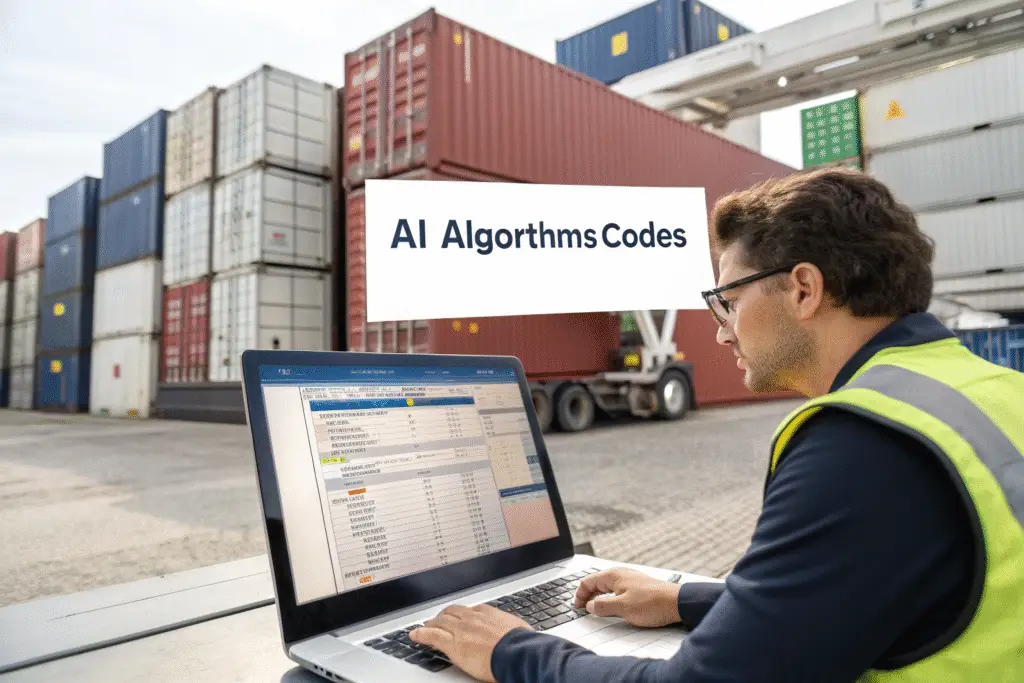
What risks come from manual customs processes?
Incorrect HS codes or missing certificates can halt shipments at borders. The WTO states that non-compliance can result in fines and even confiscation.
How does AI improve efficiency?
Machine learning assists in scanning and correcting data before submission. IBM explains that this automation lowers error rates while keeping supply chains flowing.
Conclusion
AI tools are reshaping how businesses handle customs paperwork. Platforms such as ClearNow, KlearNow.ai, Descartes, CargoWise, and OCR Labs provide efficiency, compliance checks, and faster trade flows.
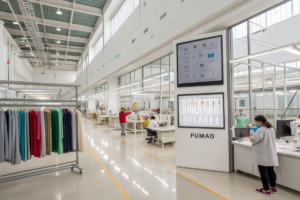
At Shanghai Fumao, we know timely delivery is vital for apparel exports. By adopting advanced customs solutions, we make sure shipments leave our factory smoothly. For sourcing and logistics support, contact our Business Director Elaine at elaine@fumaoclothing.com.