Polyester blends dominate global apparel markets, from performance sportswear to everyday fashion. Yet these mixed fabrics are notoriously difficult to recycle because polyester is usually combined with fibers such as cotton, nylon, or elastane. Traditional recycling often downgrades the material, producing weaker outputs and losing much of the original value.
Closed-loop recycling provides an alternative by breaking blended textiles into their molecular building blocks and then reconstituting them into high-quality fibers, cutting reliance on virgin raw materials and reducing textile waste.
The following sections explain how the process works, the environmental gains it offers, its impact on supply chains, and the main barriers with emerging solutions.
How Is Closed-Loop Recycling Applied To Blended Textiles?
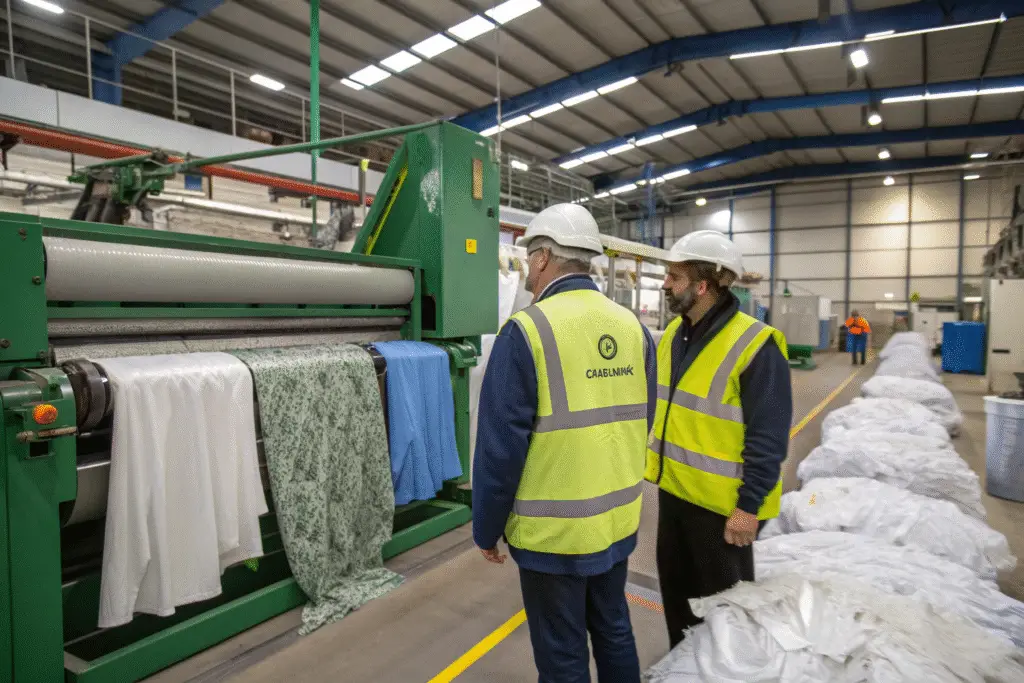
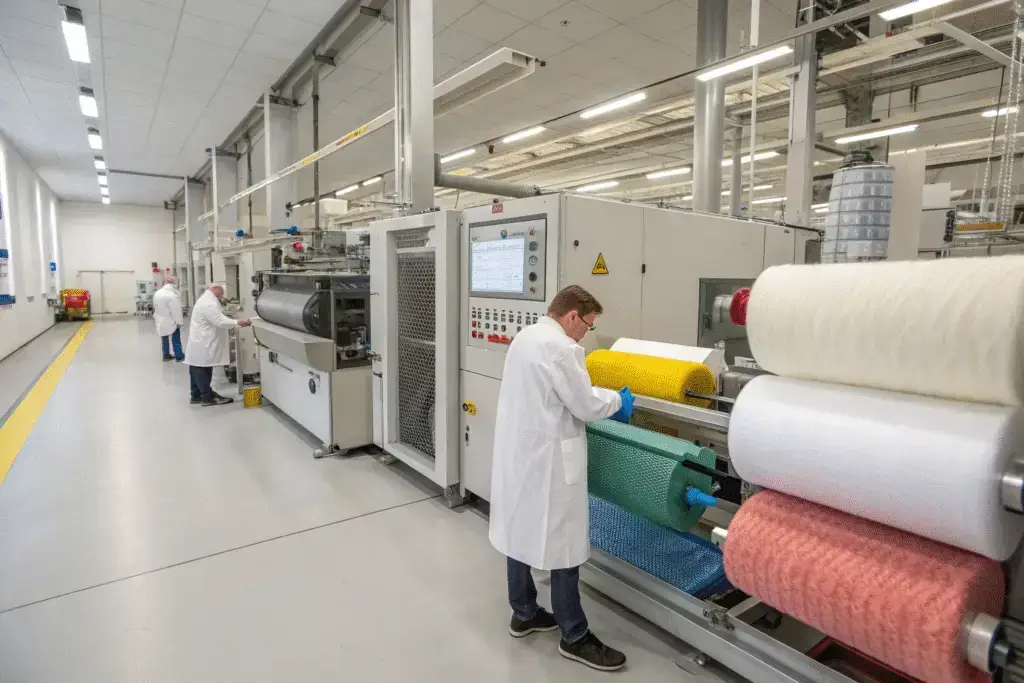
Unlike mechanical shredding, which shortens fibers, closed-loop methods rely on chemical or enzymatic separation. These techniques recover polyester in near-virgin condition and allow cotton or cellulose to be reused as well.
Through purification and re-polymerization, polyester can be transformed into fresh fibers suitable for apparel and technical uses.
Why Not Depend Only On Mechanical Recycling?
Mechanical systems degrade strength with each cycle. Textile Exchange emphasizes that chemical recovery retains performance and supports repeated recycling.
What About Mixed Fabrics?
Innovators such as Worn Again demonstrate technology that separates polyester and cotton simultaneously, achieving high purity for both streams.
What Are The Environmental Advantages?
The ecological value of closed-loop systems is significant.
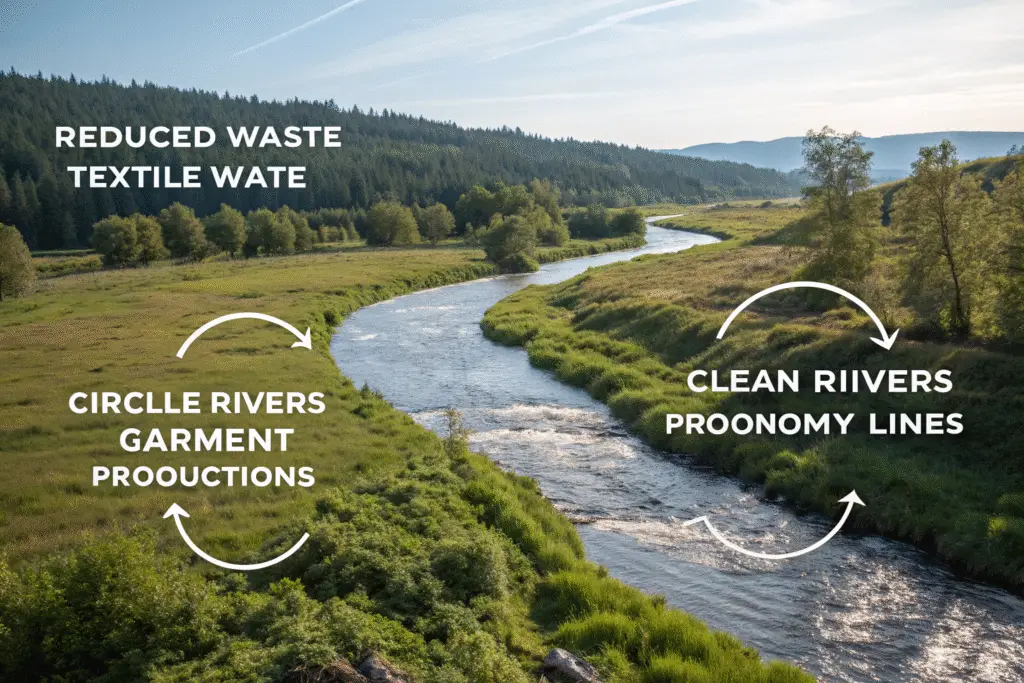
Recycling blended textiles lowers landfill accumulation, cuts greenhouse emissions, and reduces demand for oil-based virgin polyester.
How Large Is The Impact?
The Ellen MacArthur Foundation reports that circular textile flows could prevent millions of tons of waste while lowering carbon output.
Does It Conserve Water?
Yes. Every ton of recycled polyester reduces pressure on water-heavy cotton farming and oil extraction.
Why Does It Strengthen Supply Chains?
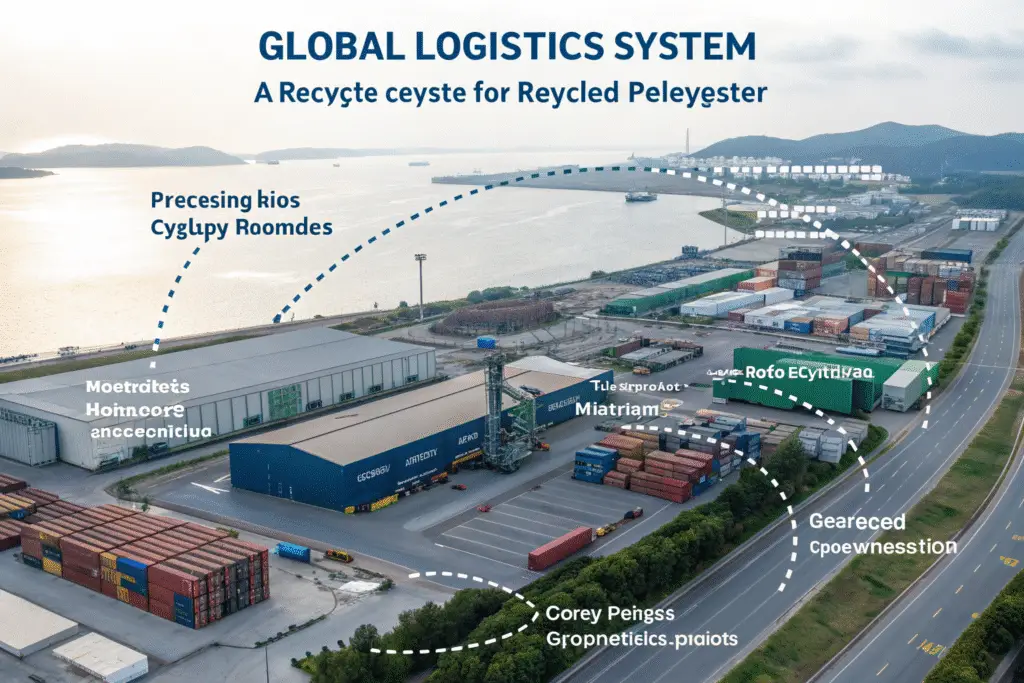
Virgin polyester depends heavily on oil markets, exposing buyers to volatility. Closed-loop recycling provides a more reliable fiber source.
With recycled inputs, companies stabilize sourcing while meeting their sustainability pledges.
How Do Brands Gain?
By integrating recycled polyester, brands secure consistent supply and satisfy consumer expectations. Fashion for Good highlights pilot programs that scale blended-fiber chemical recycling.
Does It Build Consumer Trust?
Yes. Transparent circular models reinforce credibility and attract eco-conscious customers.
What Obstacles Exist And How Are They Addressed?
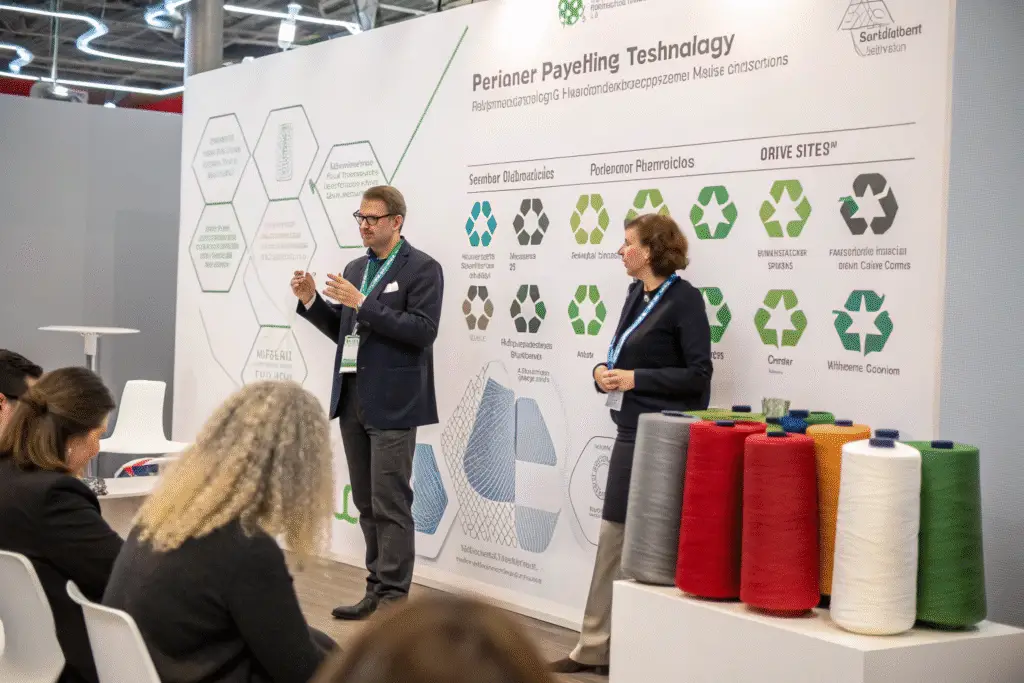
Scaling closed-loop recycling is not without hurdles. Costs remain high, infrastructure is limited, and collection systems are underdeveloped.
Yet collaborations between startups, major brands, and investors are steadily reducing expenses and expanding access.
What Problems Persist?
Expensive processing and fragmented textile collection systems limit progress.
What Solutions Are Emerging?
Partnerships with groups like Carbios and the Circular Fashion Partnership are improving commercialization and building regional recovery networks.
Conclusion
Closed-loop recycling for polyester blends is increasingly recognized as a cornerstone of sustainable fashion. By recovering resources, cutting waste, improving sourcing stability, and enhancing brand reputation, this approach offers clear benefits. While technical and economic barriers remain, ongoing innovation is making closed-loop solutions progressively more practical.
At Shanghai Fumao, we assist partners interested in sustainable fabrics and advanced recycling integration. For inquiries on eco-friendly polyester sourcing, please reach out to our Business Director Elaine at elaine@fumaoclothing.com.