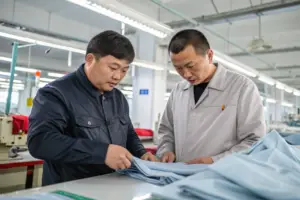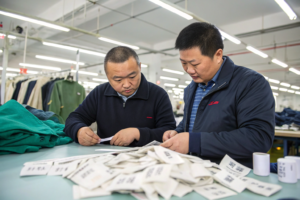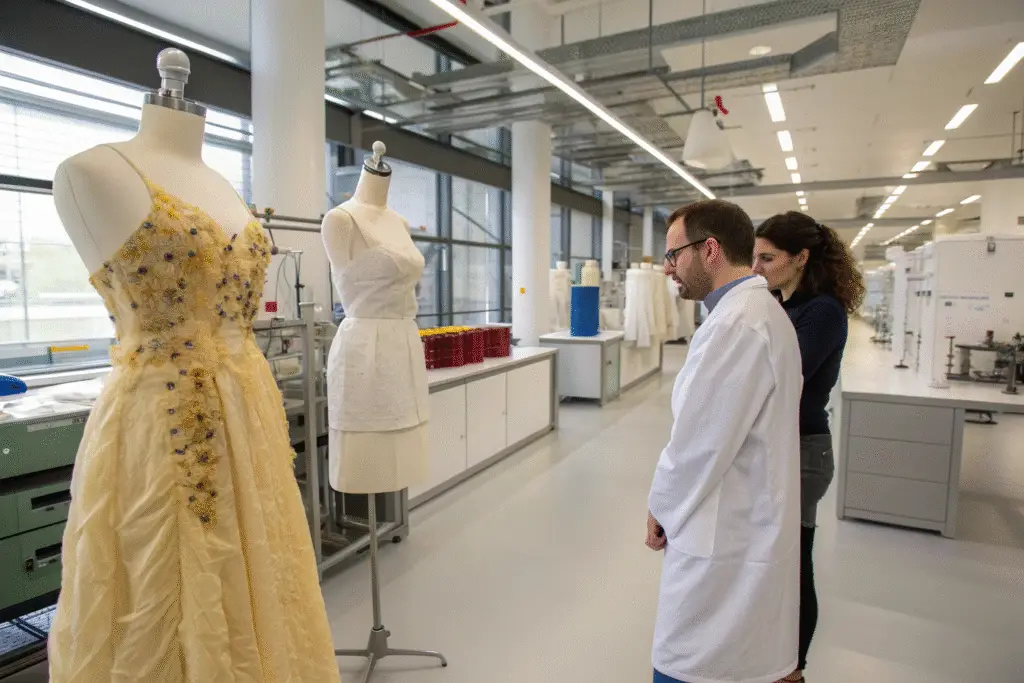
The landscape of textiles is undergoing a major shift, with lab-grown silk becoming one of the most promising alternatives to conventional sericulture. Raising silkworms demands significant resources, while biofabrication delivers a sustainable and animal-free option. For brands, researchers, and fashion buyers, this technology represents both scientific progress and a path toward ethical production.
Key movements in lab-grown silk production include synthetic biology methods, tailoring of performance traits, sustainability as a market driver, applications in medical and cosmetic fields, industrial-scale breakthroughs, and expansion into high-tech sectors.
These changes signal that silk innovation is no longer confined to research laboratories but is steadily entering commercial markets.
How Is Synthetic Biology Redefining Silk?
Using tools of synthetic biology, silk proteins can be generated without the aid of silkworm farming. Engineered microbes such as yeast and bacteria are programmed to produce these proteins, which are then spun into fibers.
This approach provides consistent structural quality and allows scaling to levels that traditional farming cannot match.

Why Is This Development Significant?
It reduces dependency on fragile agricultural systems. Companies like Kraig Biocraft Laboratories demonstrate how genetic methods can enhance fiber strength and elasticity.
What Results Are Achieved?
Through this technique, fibers with predictable performance and specialized attributes can be manufactured, unlocking new industrial opportunities.
How Are Properties Being Adapted To Market Needs?
One of the advantages of bioengineered silk is the ability to tune its performance. Protein sequences may be altered to adjust resilience, softness, or tensile strength.
By fine-tuning, suppliers create fibers suited for clothing, technical textiles, or even composites.
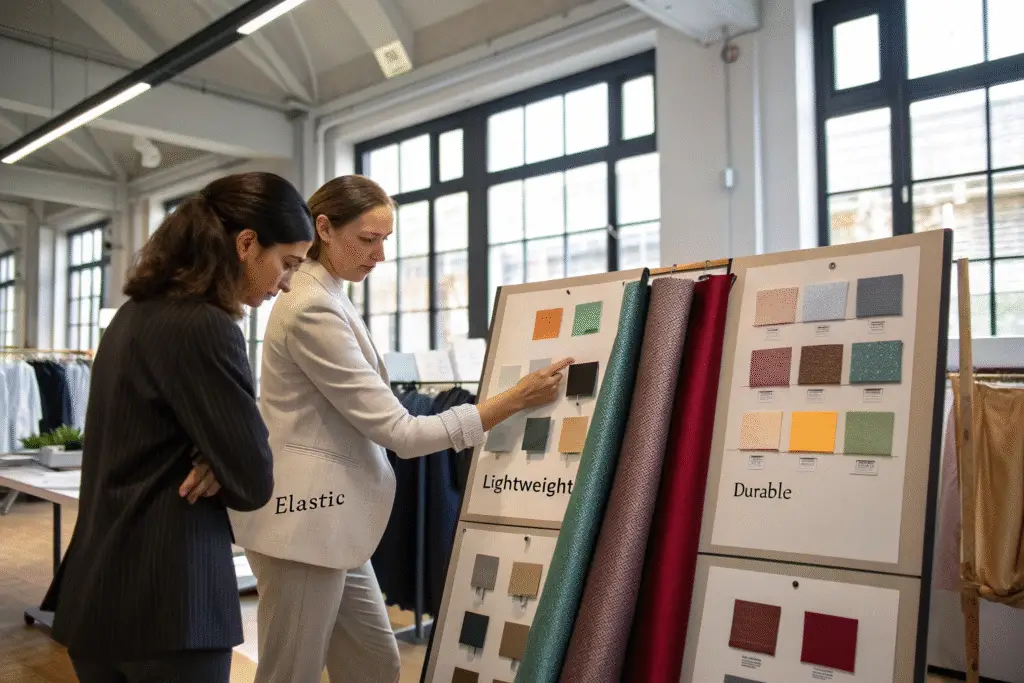
What Impact Does This Have On Apparel?
Customization allows brands to influence fabric drape, breathability, and durability. The World Economic Forum highlights fermentation as a scalable route to these designer materials.
Does It Extend Beyond Fashion?
Yes. Engineered silk is already tested for ropes, high-performance coatings, and industrial uses where strength-to-weight ratio is critical.
Why Is Sustainability Accelerating Adoption?
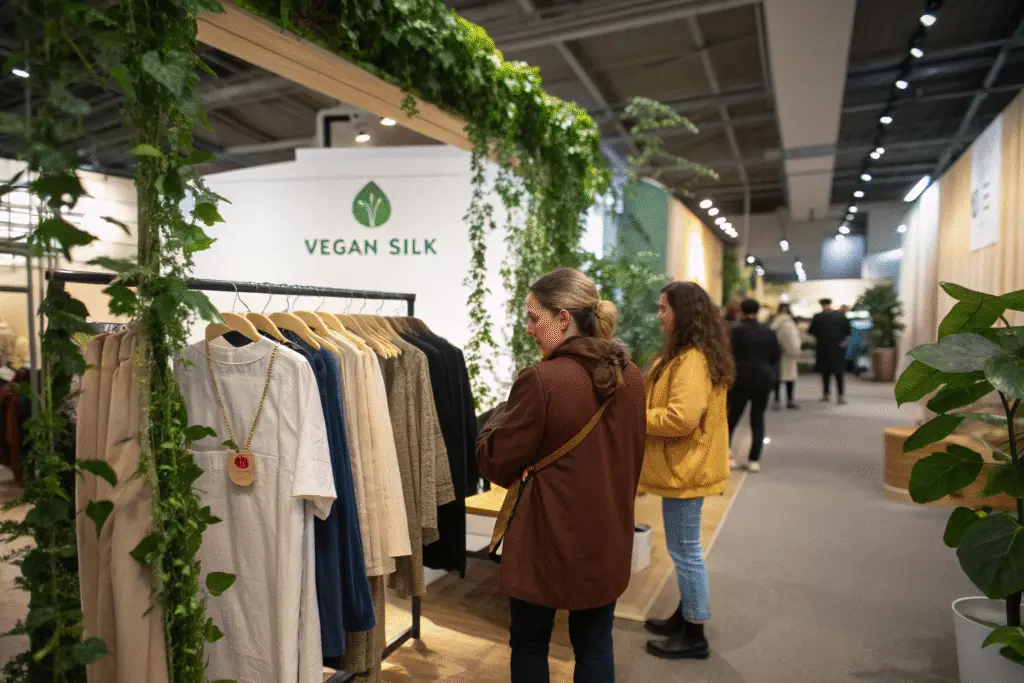
The market is increasingly shaped by ethical considerations. Biofabricated silk reduces land consumption, minimizes water requirements, and avoids animal use.
Vegan-certified textiles offer not only ecological benefits but also strong branding opportunities for forward-looking fashion houses.
What Does Market Research Indicate?
According to Market Business Insights, consumer demand for sustainable silk alternatives is climbing, particularly in Western markets.
How Do Companies React?
Firms that integrate these materials position themselves as leaders in ethical sourcing, which enhances reputation and buyer loyalty.
What Sectors Beyond Fashion Use Biofabricated Silk?
Silk’s unique biocompatibility has expanded its role into health care and cosmetics.
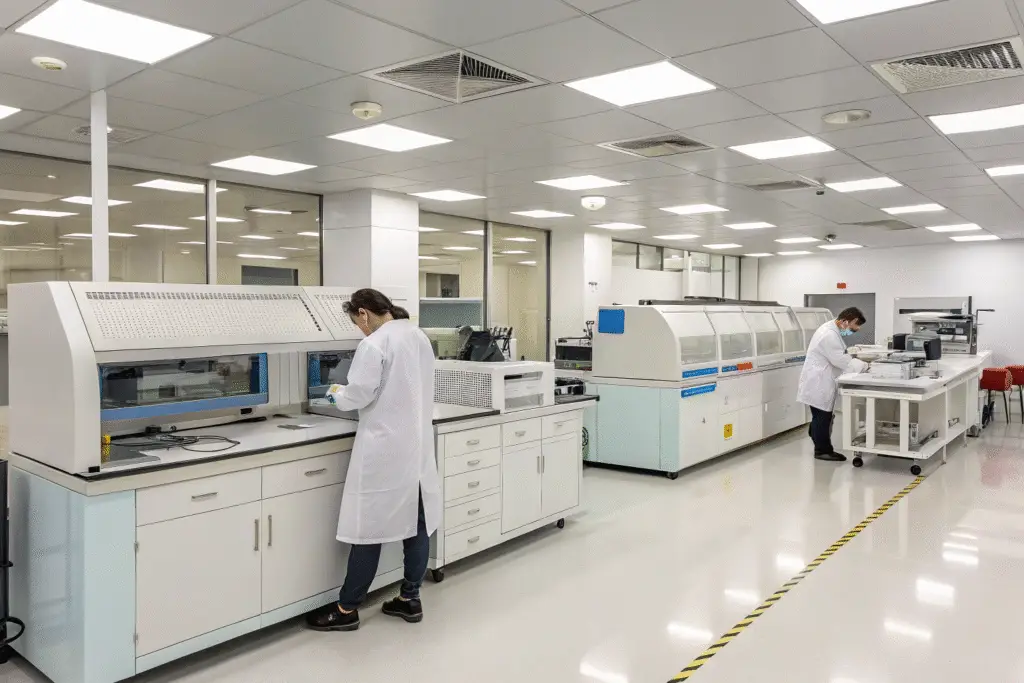
Medical researchers employ silk proteins for surgical sutures, wound dressings, and regenerative scaffolds, while skincare brands add silk peptides for hydration and anti-aging.
How Is It Applied Clinically?
Business Research Insights points out that silk’s natural strength and low immunogenicity make it ideal for tissue engineering.
Why Do Cosmetic Companies Value It?
Its film-forming and moisturizing qualities provide premium effects in creams and serums, broadening commercial appeal.
How Is Production Scaling To Industry Levels?
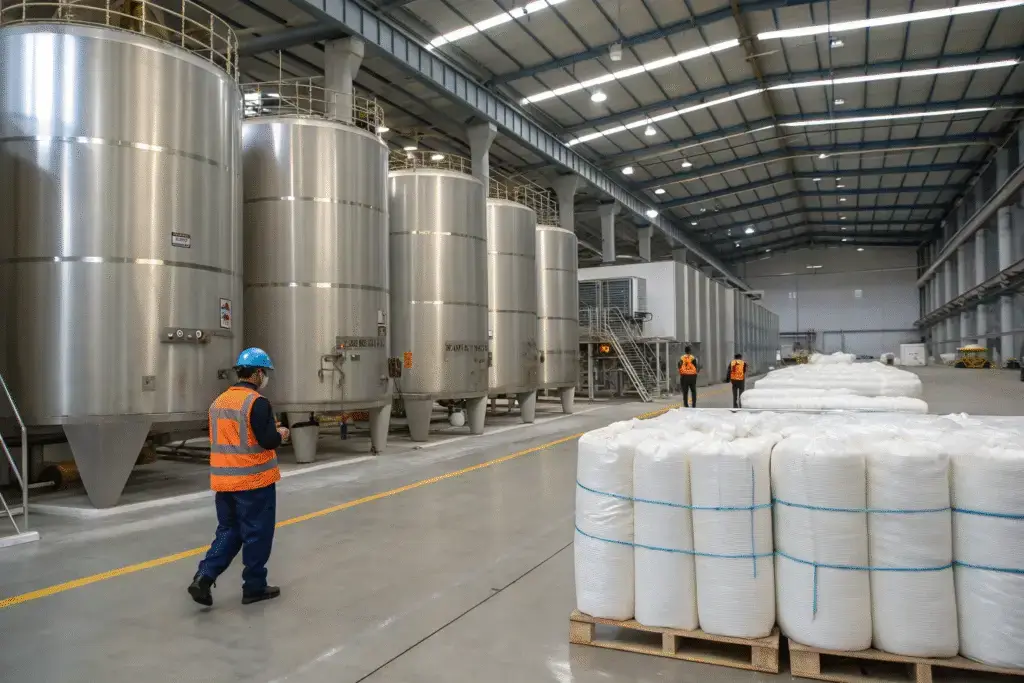
For years, cost and yield were obstacles. Now, several firms are proving scalability.
AMSilk and Spiber are leading with facilities capable of supplying apparel and footwear brands, demonstrating commercial readiness.
Which Products Showcase This Breakthrough?
Adidas introduced sneakers using AMSilk’s Biosteel®, while Spiber collaborated with designers to create high-end garments.
Why Is Scaling Crucial?
Only large-scale production can reduce costs, stabilize supply, and make biofabricated silk viable for mainstream fashion.
What Are The Emerging High-Tech Applications?
Beyond fashion and medicine, silk is now being adapted for electronics and optics.
Bioengineered silk films are investigated for conductivity, flexibility, and clarity, offering potential in sensors and optical devices.

What Research Supports This?
Findings on arXiv discuss electronic and optical applications of silk-based films.
Why Does This Diversification Matter?
Expanding into multiple industries strengthens resilience of the silk sector, while creating broader opportunities for innovation.
Conclusion
Lab-grown silk is transitioning from experimental science to commercial reality. By combining synthetic biology, tailored material traits, sustainability-driven branding, biomedical expansion, scalable production, and cross-industry innovation, this technology is reshaping how textiles and advanced materials will be produced in the future.
At Shanghai Fumao, we are ready to collaborate with partners exploring biofabricated fabrics. We support sourcing, prototyping, and manufacturing to help bring next-generation materials into global markets. For inquiries, contact our Business Director Elaine at elaine@fumaoclothing.com.