Across the global apparel market, expectations for inclusivity and function have grown sharply. Employers and fashion labels, particularly in the U.S. and Europe, now seek adaptive office wear that accommodates multiple sizes and accessibility needs while preserving a professional look. Yet sourcing such products presents challenges, as it requires specialized tailoring, dependable factories, and adherence to rigorous standards.
The most dependable approach for obtaining inclusive adaptive garments is to collaborate with manufacturers who possess experience in accessibility-focused design, to evaluate textile performance, and to insist on testing that verifies both comfort and workplace suitability.
The following discussion explores demand trends, fabric selection, quality testing, and supply chain strategies that support adaptive apparel sourcing.
Why Is The Need For Adaptive Workwear Rising?
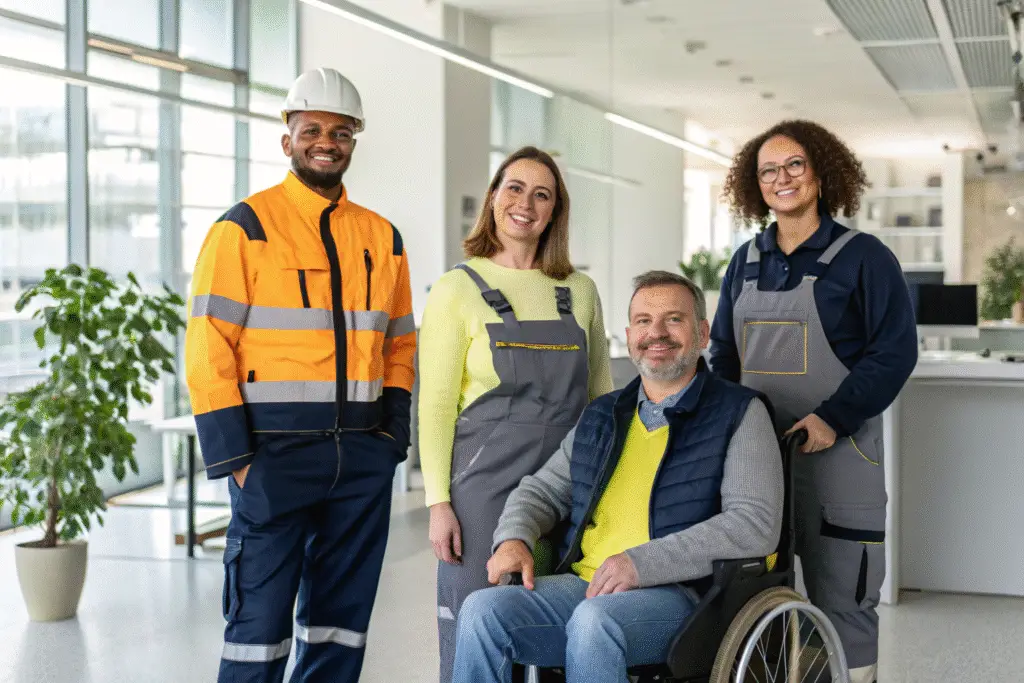
Growing attention to equality in employment has pushed companies to invest in attire suitable for all staff. Adaptive garments not only provide practical solutions but also help firms demonstrate respect for diverse employee groups.
Demand is expanding because workers want clothing that supports inclusivity, employers must comply with equality policies, and fashion brands see the value of serving wider audiences.
What Factors Drive Market Expansion?
As noted by Forbes, buyers are more loyal to labels that highlight accessibility. Additionally, laws such as the Americans with Disabilities Act encourage the adoption of inclusive designs across workplaces.
How Do Workers Gain From It?
Employees experience improved comfort, easier mobility, and better confidence when provided with adaptive attire. Insights shared by Business of Fashion confirm that inclusive clothing also enhances corporate reputation.
Which Fabrics Perform Best In Adaptive Designs?
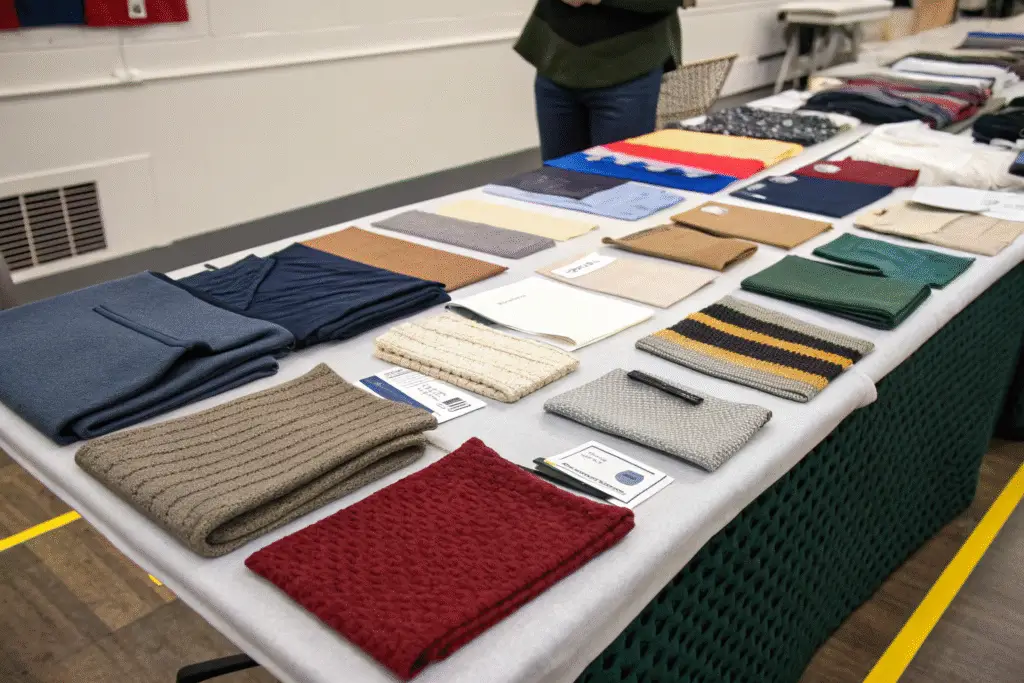
The choice of fabric has a direct effect on the success of adaptive workwear. Materials must remain flexible, resilient, and suitable for professional presentation.
Breathable cotton blends, stretch fibers, and easy-care textiles are among the most effective options for adaptive office wear.
What Properties Are Important?
Stretch and shape recovery matter most. Textile Exchange highlights sustainable options such as organic cotton and recycled polyester, which also satisfy eco-conscious sourcing demands.
How Do Closures Add Functionality?
Adaptive clothing often integrates Velcro, magnets, or stretch waistbands. Research reported in ScienceDirect shows these innovations help users dress more independently and comfortably.
How Can Companies Confirm Fit And Reliability?
Standard inspections are not enough for adaptive garments. To ensure functionality, clothing must be tested on users of various sizes and abilities.
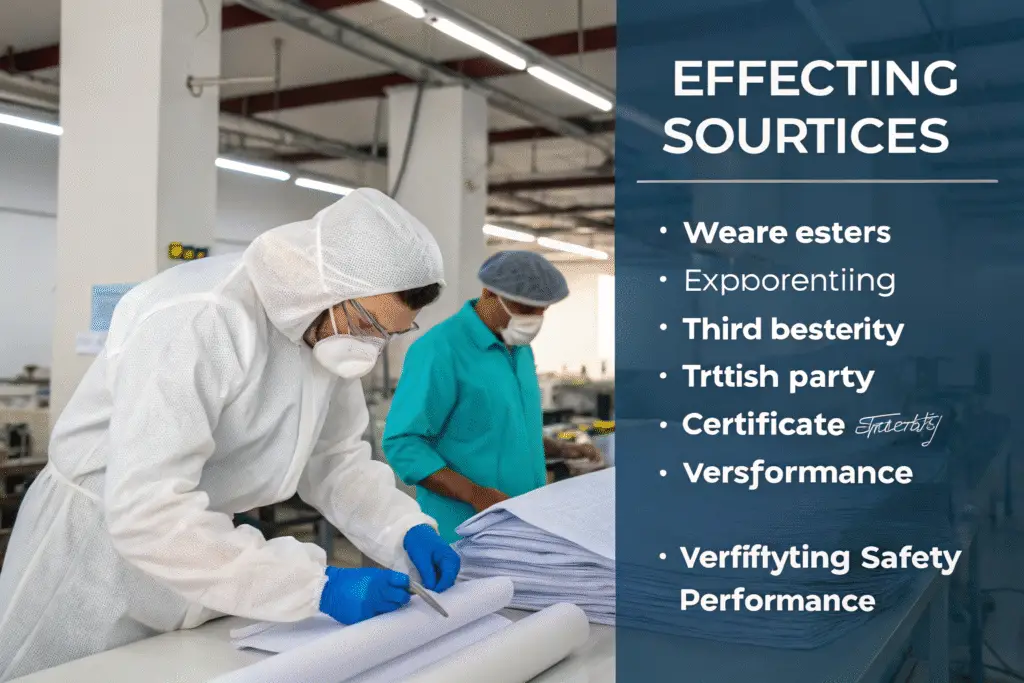
Effective sourcing relies on wearer trials, third-party testing, and verified certifications that guarantee fabric safety and performance.
Which Certifications Should Be Required?
Labels such as OEKO-TEX Standard 100 verify that textiles are safe for human use. Meanwhile, ISO 9001 provides assurance that factories follow structured quality management systems.
What Is The Best Way To Test Fit?
Organizing trial sessions with employees who represent different body types is critical. Feedback from these sessions, as recommended by Apparel News, guides improvements in adaptive designs.
How Should Supply Chains And Logistics Be Managed?
Beyond correct design, delivery and supply chain efficiency determine sourcing success. Adaptive clothing requires production partners who can manage complexity and ensure consistent distribution.
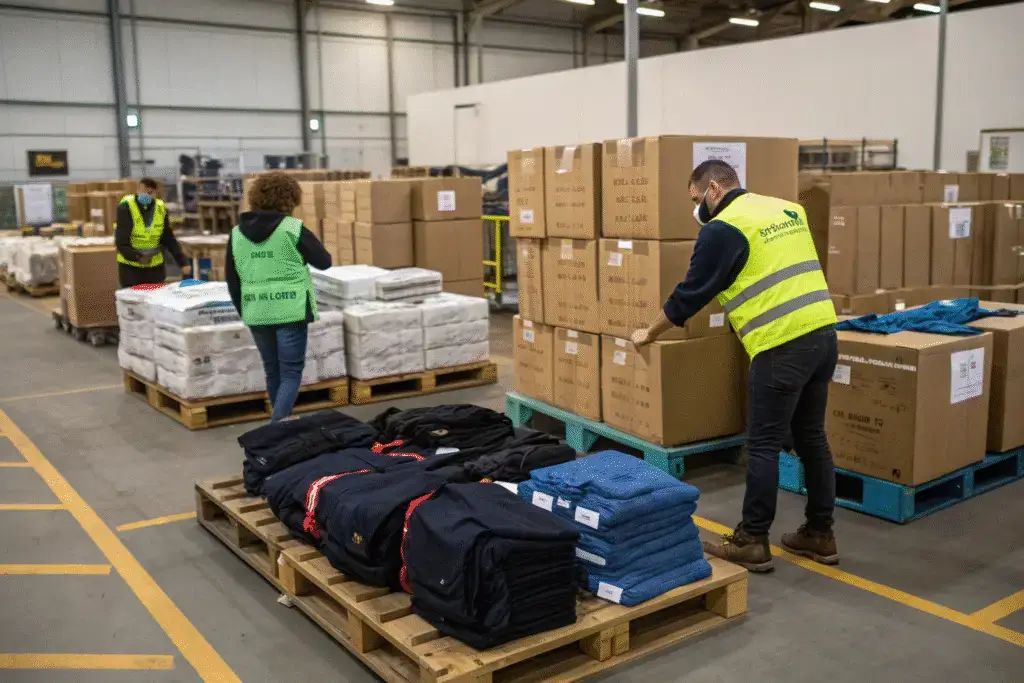
To maintain quality and timeliness, brands should select factories with full-package service, scale production lines effectively, and choose reliable logistics models.
Which Production Models Support Inclusivity?
Full-package (FP) suppliers are preferred. Reports in Sourcing Journal indicate that FP manufacturers manage raw material procurement, garment construction, and finishing, reducing the risk of inconsistency.
How Can Global Delivery Be Smoothed?
Using Delivered Duty Paid (DDP) arrangements reduces customs barriers. Experienced providers such as DHL Supply Chain specialize in international apparel shipments and can handle varied size assortments.
Conclusion
Adaptive workwear designed with inclusivity in mind is becoming an essential category within professional apparel. Success in sourcing comes from careful fabric selection, integration of functional closures, user testing, certifications, and coordinated supply chains.
At Shanghai Fumao, we specialize in manufacturing tailored solutions for international buyers, including adaptive and inclusive lines. If you are considering developing your own adaptive collection, please connect with our Business Director Elaine at elaine@fumaoclothing.com.