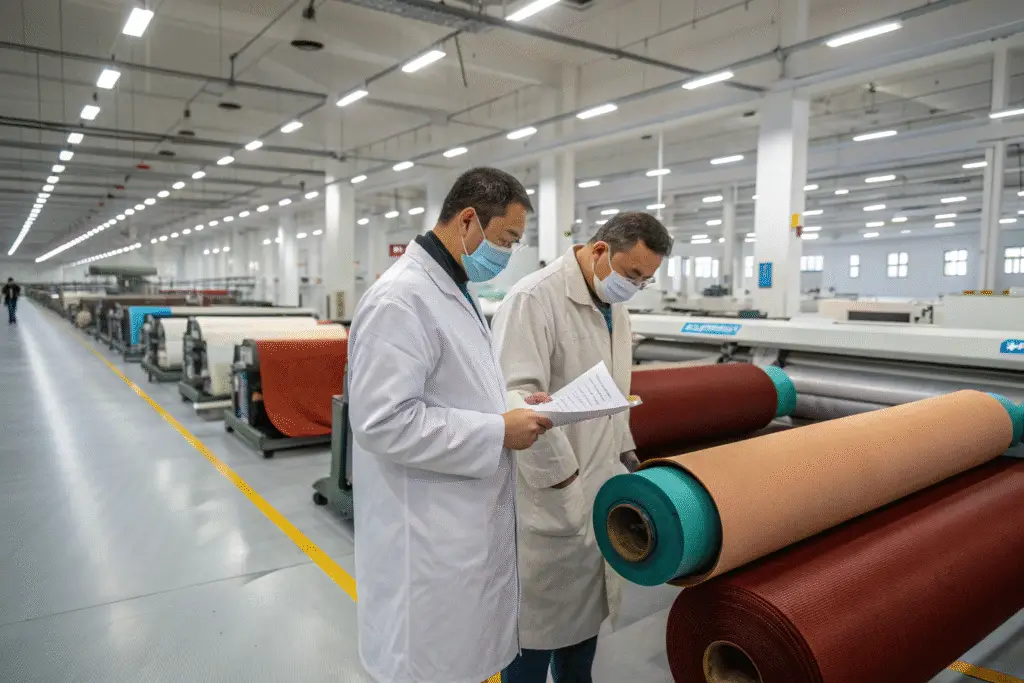
Growing awareness of sustainability is reshaping the apparel supply chain. Many U.S. and European buyers want alternatives to animal leather that are both safe and environmentally responsible. Among these, vegan leather with minimized volatile organic compound (VOC) release has gained attention. Yet, brand owners often encounter difficulties when they try to balance durability, price, and strict regulations on chemical emissions.
The most reliable way to obtain vegan leather with reduced VOC levels is to select suppliers with certifications, confirm their processes, and request verifiable test data that demonstrate compliance with environmental standards.
In the following sections, I will discuss how to identify suitable suppliers, what standards to request, how to confirm test results, and why VOC emissions have become a key concern for fashion businesses.
Why Does Low VOC Vegan Leather Matter?
Concerns about harmful emissions from coatings, adhesives, and solvents are common in textile sourcing. For apparel makers, VOCs can reduce indoor air quality and create risks for consumer health.
Choosing vegan leather with very low emissions protects end users, while also helping brands meet chemical safety requirements in the U.S. and EU.
Which Certifications Are Essential?
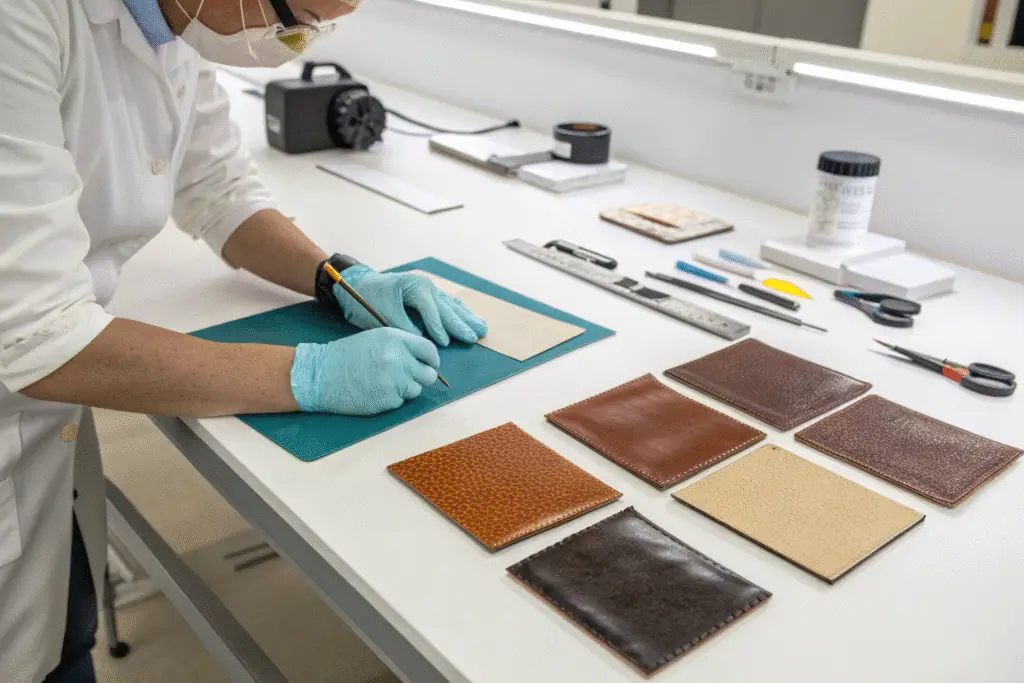
Key certifications include OEKO-TEX Standard 100 and REACH, both recognized for ensuring safety against harmful chemical residues. For materials made with recycled content, Global Recycled Standard is widely applied.
How Does It Enhance Brand Value?
Modern shoppers prefer safer, sustainable items. Research by Textile World shows that eco-labeled fabrics strengthen consumer confidence. Offering low VOC vegan leather can position a company as responsible and enable better pricing for sustainable collections.
Where Can You Locate Trusted Vegan Leather Producers?
It is not unusual for factories to advertise their products as “green” while failing to meet emission requirements. For sourcing teams, the challenge is verifying which suppliers can consistently deliver compliant goods.
The most effective approach is to combine trade fair visits, trusted online directories, and independent audits of factories.

Are Trade Shows Worth Attending?
Events such as Première Vision Paris and Lineapelle in Italy bring together material innovators, many of whom present sustainable synthetic leathers. These events allow direct evaluation of samples and face-to-face discussions about emission control.
Can Online Marketplaces Provide Reliable Leads?
Websites like Alibaba and Global Sources offer a wide list of vendors. Yet, before committing, buyers should always ask for VOC compliance test reports, and ideally, run independent checks.
How Do You Confirm VOC Emission Levels?
Even when factories present certificates, independent confirmation is necessary.
The safest way to ensure vegan leather meets low emission standards is by conducting third-party laboratory testing before mass shipment.
Which Laboratories Are Reliable?
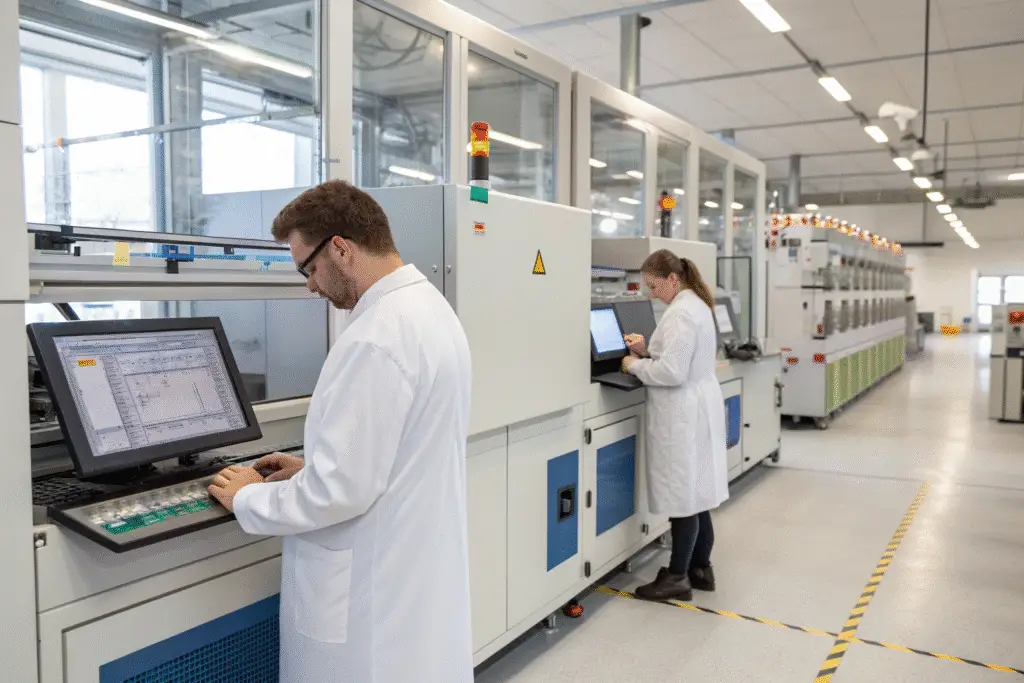
Organizations like SGS and Intertek are accredited for textile emission testing. Their reports are recognized globally, including in North America and Europe.
How Do Brands Reduce Risks?
One effective strategy is signing formal quality agreements with suppliers. These can specify that materials must pass third-party VOC testing before leaving the factory, which helps with compliance under California Proposition 65.
What About Pricing And Supply Chain Efficiency?
Cost is often raised as a concern when switching to sustainable inputs. Buyers fear that environmental compliance will drive expenses up or slow production.
In reality, vegan leather with low VOC emissions is slightly more expensive, but smart order planning and large-volume purchasing can offset the difference.
Does It Raise Unit Costs Significantly?
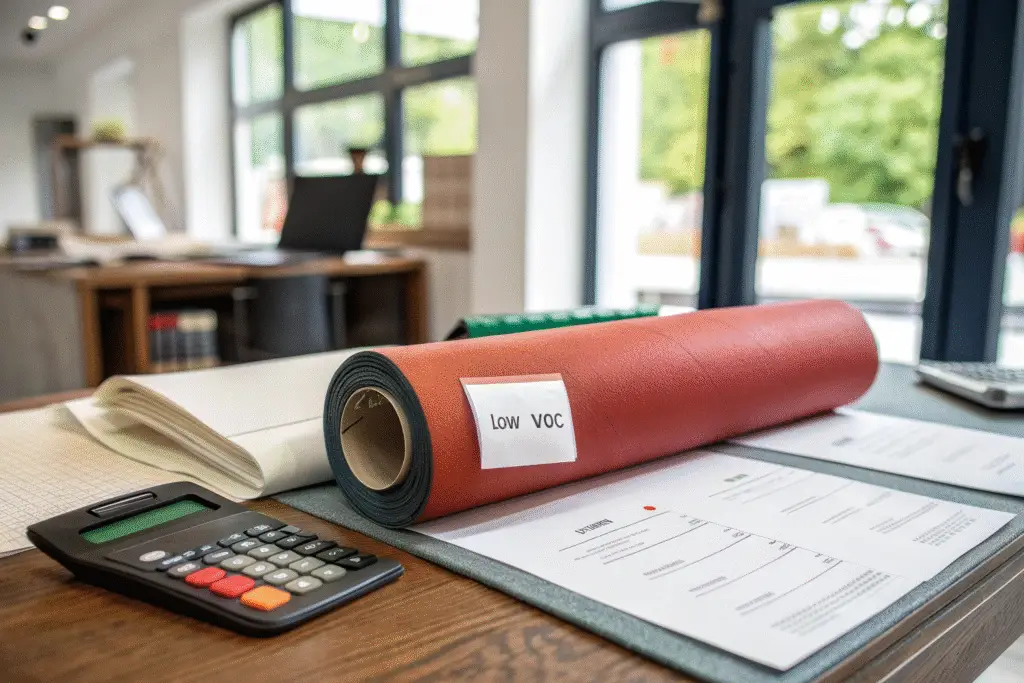
Typically, the cost increase ranges between 5–10%. According to Material District, the expanding demand for eco-materials is gradually lowering costs, making them more affordable for bulk orders.
How Can Logistics Be Streamlined?
Working under DDP (Delivered Duty Paid) terms is beneficial for eco-certified goods because customs procedures are smoother. Collaborating with experienced freight forwarders, such as Flexport, helps avoid delays and ensures consistent delivery schedules.
Conclusion
Sourcing vegan leather that emits fewer VOCs is achievable and necessary for modern fashion brands. With certifications, supplier verification, reliable testing, and optimized logistics, companies can secure sustainable materials without sacrificing quality or efficiency.
At Shanghai Fumao, we are committed to guiding global buyers through this process. We not only manufacture apparel but also integrate eco-certified fabrics, including low VOC vegan leather, into custom orders. For inquiries or collaboration, please reach out to our Business Director, Elaine, at elaine@fumaoclothing.com.