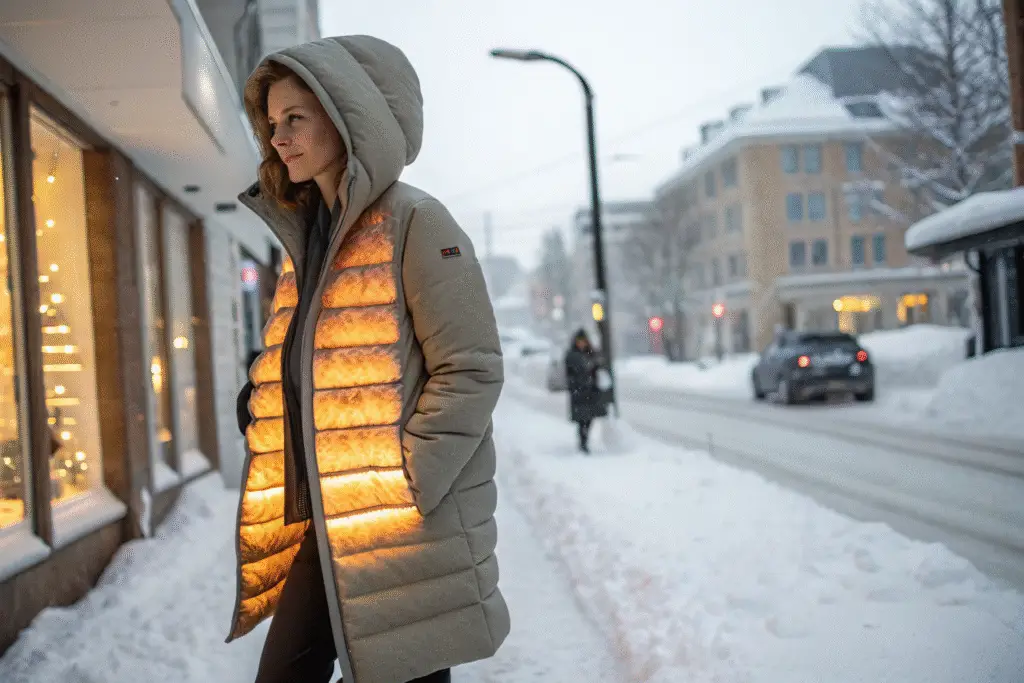
When buyers evaluate winter outerwear, insulation material becomes the defining factor. Many compare natural fillers with synthetic alternatives, trying to decide which one delivers consistent warmth in challenging weather. Myco-Wool, made from renewable fibers, has gained recognition for its ability to insulate, regulate comfort, and meet sustainability goals. Unlike conventional synthetics, it performs reliably even when exposed to damp air or melting snow.
In brief, Myco-Wool blends the proven thermal function of wool with modern eco-conscious qualities, positioning it as an excellent candidate for winter coat padding.
From years of working with American and European importers, I have noticed that they now value not just warmth but also comfort, durability, and ethical sourcing. Myco-Wool aligns well with these expectations, offering both technical performance and market appeal.
Thermal Efficiency Compared To Synthetic Options
The way natural insulation such as Myco-Wool traps heat differs from polyester padding. Its fiber network contains micro air chambers that hold warmth while allowing controlled airflow.
This structure provides reliable heat retention, even in wet weather, where man-made fillings often collapse.
One weakness of synthetic padding is its tendency to lose loft and effectiveness when damp. By contrast, Myco-Wool remains resilient. For outdoor wear, that difference can define whether a coat keeps the wearer comfortable or lets in cold.
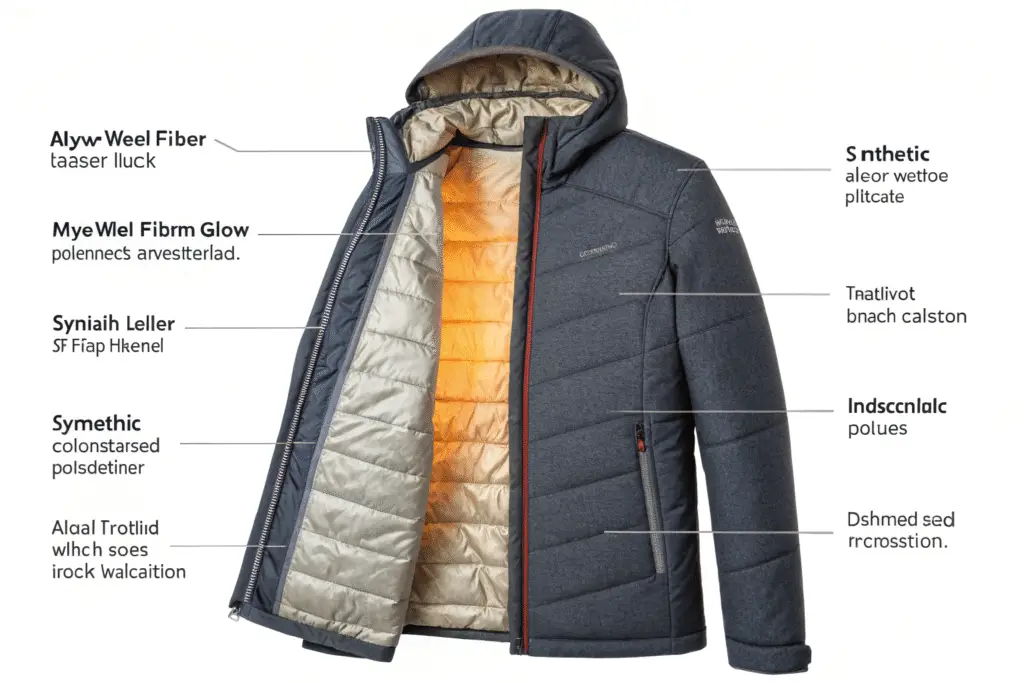
Why Does Wool Keep Warm Even When Damp?
Wool fibers have a natural spiral-like crimp that builds a springy three-dimensional matrix. This geometry captures warm air yet can absorb vapor inside the fiber core without feeling soggy.
As noted by Farmstand and Knowing Fabric, this quality enables wool to stabilize body temperature better than petroleum-derived fills.
How Does Myco-Wool Compare With Polyester Padding?
Polyester fill is light and inexpensive, but it tends to flatten when exposed to moisture or pressure, and recovery is limited. Myco-Wool, on the other hand, springs back repeatedly, maintaining loft across many uses.
Both Shunvogue and Wikipedia highlight wool-based insulation as more dependable in varied winter climates.
Moisture Regulation And Breathability
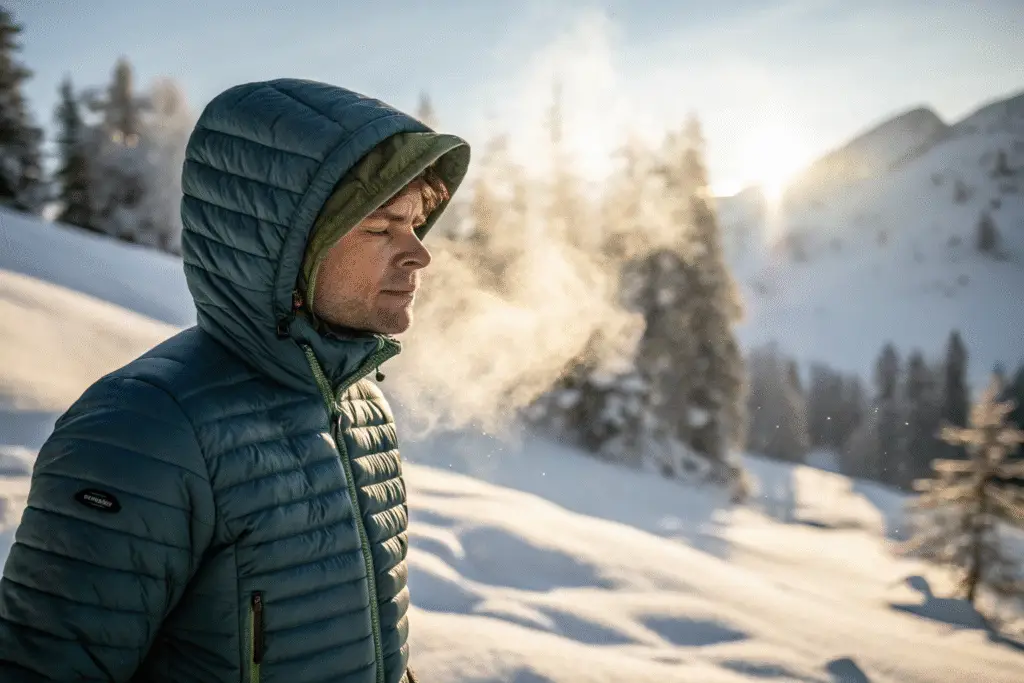
True comfort in cold weather depends not only on thermal insulation but also on how well a material handles body moisture. A coat that locks in perspiration may become clammy and uncomfortable.
Myco-Wool distinguishes itself by absorbing vapor, storing it temporarily, and then releasing it back into the air.
For wearers who remain active outdoors, this breathability ensures they stay dry while moving and warm when at rest.
How Does Myco-Wool Balance Humidity Inside Coats?
Each strand can take up nearly one-third of its own mass in water vapor without producing a wet sensation. This property minimizes condensation inside garments.
According to IWTO and Wikipedia, wool creates a balanced microclimate next to the skin, reducing sudden temperature swings.
Why Do U.S. Buyers Value Breathability?
Consumers in the U.S. often use coats in mixed situations—skiing, commuting, or stepping from heated spaces into freezing outdoors. Breathable insulation prevents overheating while still offering warmth.
Reports from Knowing Fabric and Shunvogue note that garments with breathable insulation achieve higher customer satisfaction and fewer returns.
Safety And Environmental Benefits
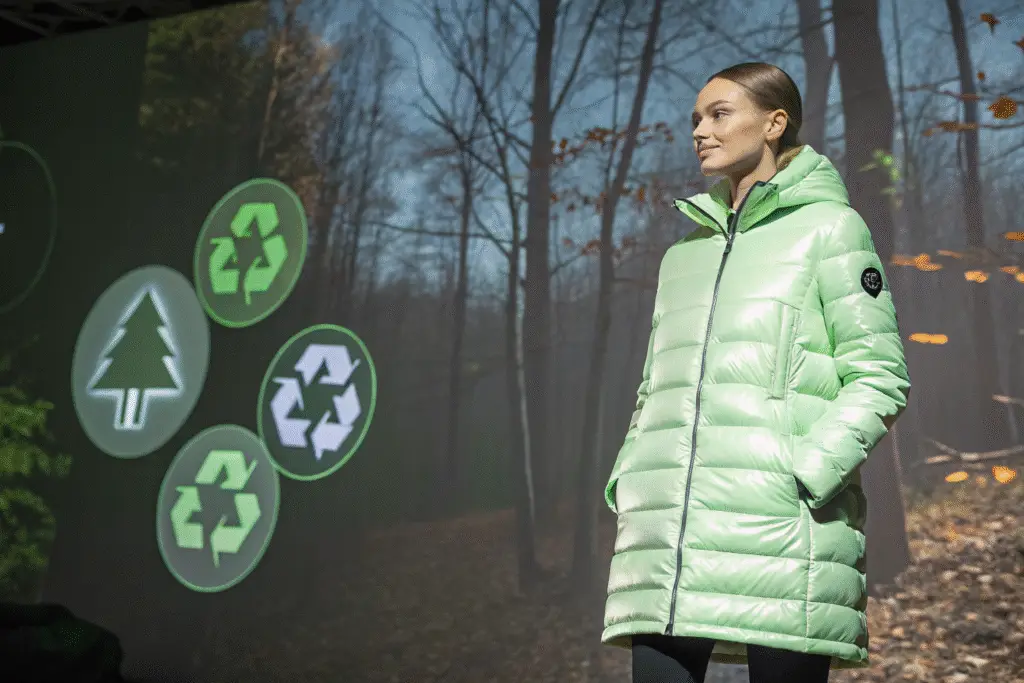
Effective insulation is expected to be safe as well as environmentally responsible. Myco-Wool naturally resists flame spread without requiring chemical additives.
At the same time, it is biodegradable, renewable, and supports lower-impact garment production.
For American buyers attentive to sustainability, this gives Myco-Wool a competitive advantage compared to synthetic fills made from fossil fuels.
In What Ways Does Myco-Wool Increase Safety?
Unlike synthetic fibers that can melt, wool chars and self-extinguishes when exposed to flame. This reduces hazards for both wearers and indoor use.
Studies from IWTO highlight that wool’s low flammability makes it a natural safeguard compared with petroleum-based options.
Why Has Sustainability Become A Key Factor?
Modern apparel supply chains face scrutiny over environmental impacts. Choosing a renewable and compostable material like Myco-Wool addresses these expectations.
Organizations such as World Resources Institute and Fashion Revolution encourage brands to adopt fibers that return safely to the environment. Myco-Wool helps apparel companies align with these standards.
Durability And Long-Term Value
Performance in insulation only matters if it holds up over years of use. Synthetic padding often compresses and fails to regain volume, which weakens a coat’s insulating function.
Myco-Wool keeps its spring and elasticity, ensuring steady warmth and dependable service life.
For fashion brands, this resilience reduces complaints about sagging coats and increases repeat purchases.
Why Does Wool Resist Flattening Better?
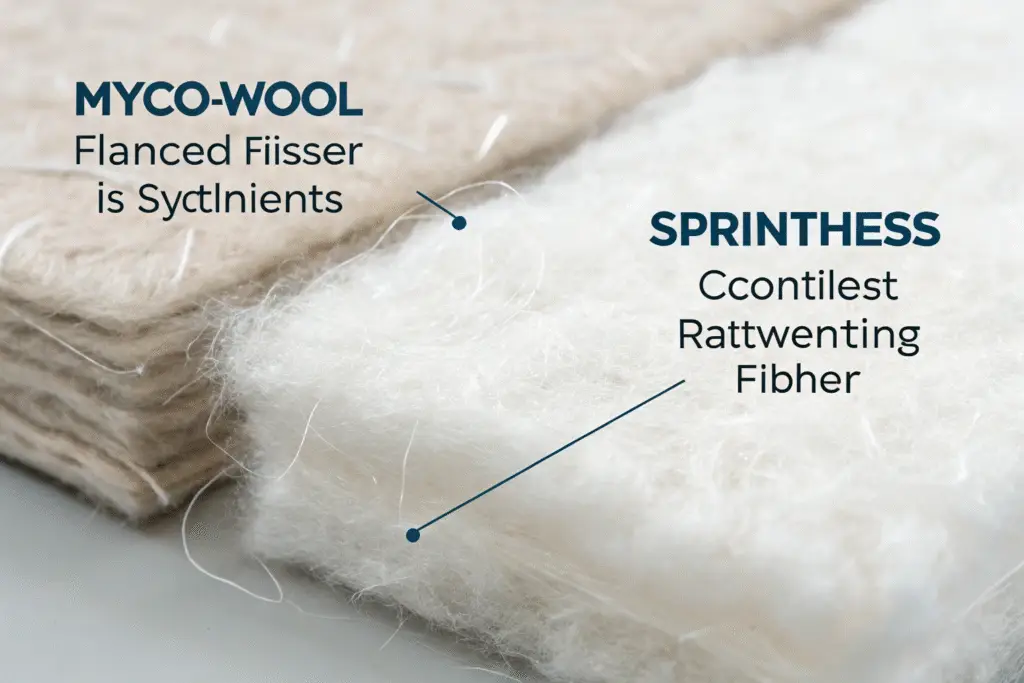
Its natural crimp works like tiny springs that recover shape after compression. Even after repeated wearing, Myco-Wool fibers bounce back.
Both Wikipedia and Shunvogue note that this recovery property makes wool insulation longer-lasting than polyester.
Why Do Buyers Care About Longevity?
Durability means better investment value for customers. Coats that remain warm for years cut waste and support brand credibility.
Evidence from IWTO emphasizes that longer-lasting fibers reduce overall environmental impact while improving customer trust.
Conclusion
Adopting Myco-Wool as insulation in winter coats delivers multiple advantages: reliable warmth even in wet climates, superior breathability, natural fire safety, reduced ecological burden, and long-term resilience.
For U.S. apparel buyers focused on balancing performance with sustainable values, this material provides both practicality and consumer appeal.
As the owner of Fumao Clothing, I see Myco-Wool as a smart solution for brands seeking modern, responsible winter outerwear. If you would like to explore garment production with this insulation, please reach out to our Business Director Elaine at elaine@fumaoclothing.com.