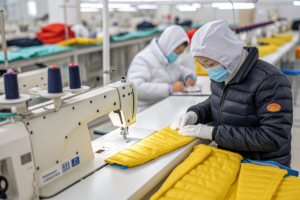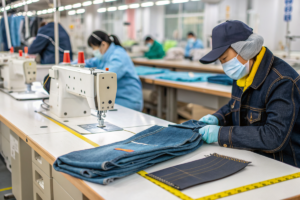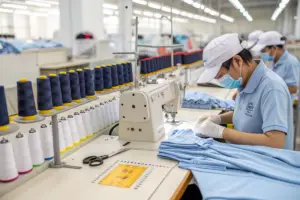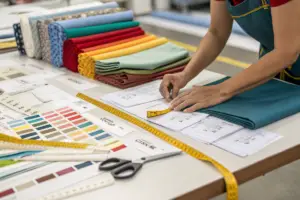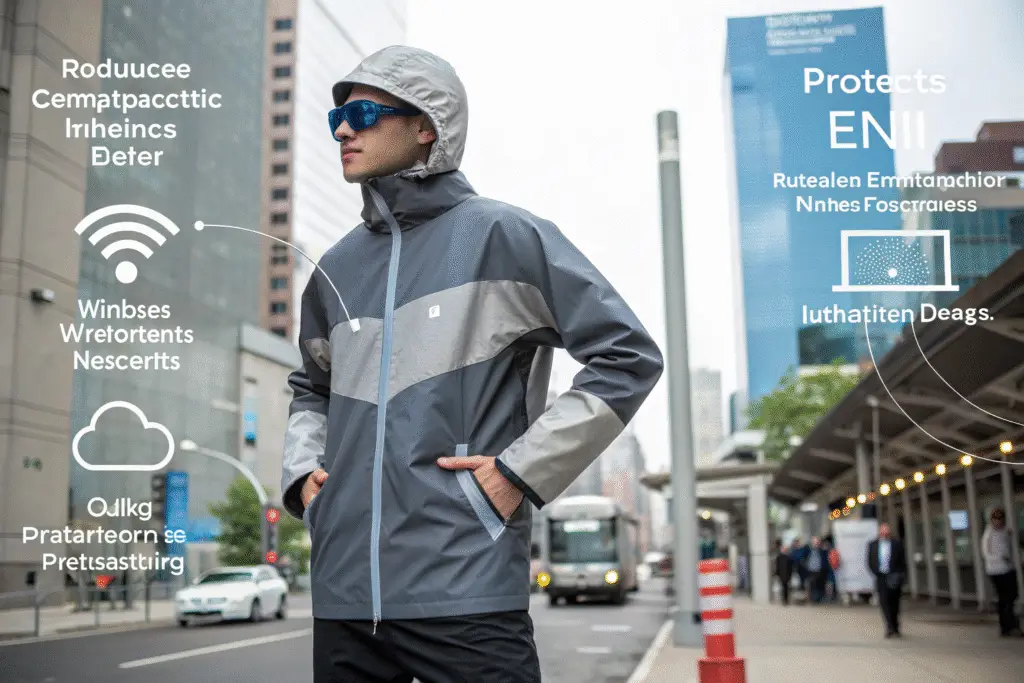
In today’s environment, electromagnetic exposure has become a pressing issue. With the spread of smartphones, wireless networks, and industrial devices, people are looking for protective measures more than ever. This rising awareness has led to a growing interest in clothing designed to reduce electromagnetic interference, not only for professionals in defense, healthcare, and high-tech sectors but also for individuals concerned about EMF sensitivity.
Fabrics that achieve the best shielding effect usually combine conductive fibers—such as silver, copper, nickel, or stainless steel—with conventional textiles. By doing so, they provide both effective protection and acceptable comfort for wearers.
For anyone considering the use of such fabrics, it is essential to understand how these textiles function, the strengths and weaknesses of different materials, and the scenarios where they are most useful.
Why Are Specialized Textiles Needed in Shielding Apparel?
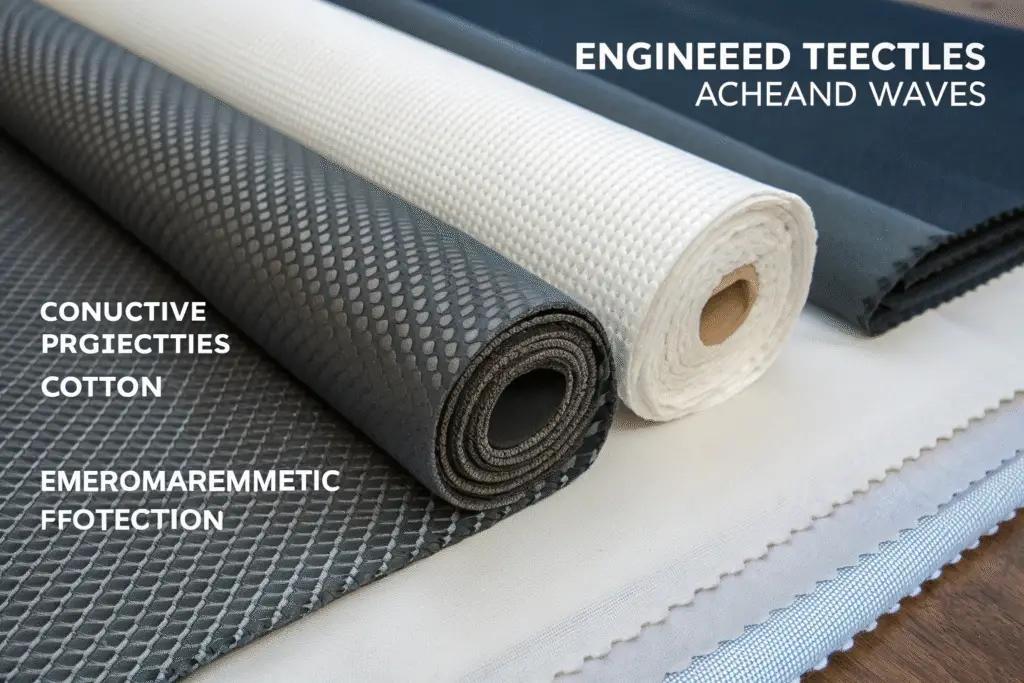
Ordinary fabrics like cotton or polyester lack conductivity and cannot block radiation on their own. To protect against electromagnetic waves, garments require engineered textiles with conductive properties.
These specialized fabrics act as barriers that reflect or absorb radiation, preventing it from reaching the body or interfering with equipment.
The technique usually involves blending base fabrics with ultra-fine metallic threads or applying conductive coatings. This way, protective clothing maintains a normal appearance while delivering advanced performance.
How Do These Materials Resist EMF?
The principle is similar to a Faraday cage. Conductive fibers woven into a fabric form a continuous grid, dispersing electromagnetic energy. The fields are either reflected outward or absorbed by the material, which reduces penetration.
Testing methods such as IEEE 299 or MIL-STD-285 are often applied to verify shielding efficiency.
Are They Comfortable for Daily Wear?
Modern shielding fabrics are usually based on nylon or polyester coated with silver or copper, which keeps the surface smooth and soft. Many options remain breathable and washable. For example, Shieldex produces fabrics intended for regular use while still providing effective protection.
Which Fabrics Provide the Strongest Protection?
Different conductive fibers vary in performance, durability, and affordability. The most popular materials include silver, copper, nickel, stainless steel, and certain hybrids.
The selection depends on whether the goal is consumer comfort, industrial safety, or military-level security.

Why Are Silver-Coated Textiles Highly Regarded?
Silver is one of the best conductors and also resists bacteria, which makes it highly suitable for garments close to the skin. Many wearable medical devices integrate silver-coated fabrics because they combine hygiene with electromagnetic protection.
The drawback is higher cost, and repeated laundering may reduce effectiveness. Yet, luxury and healthcare markets often prefer silver due to its superior shielding ability.
What Role Do Copper and Nickel Fabrics Play?
Copper-based textiles provide strong conductivity, while nickel coatings improve wear resistance. Together, they are commonly used in industrial EMI shielding applications.
Although not as soft as silver, these blends are cost-effective. Additional layers of cotton or polyester are often added to enhance comfort for long-term use.
Where Are Shielding Fabrics Most Needed?
Demand comes from both specialized industries and consumer markets. The leading users include healthcare, defense, and electronics manufacturing.
Each sector emphasizes different aspects: medical fields value antimicrobial properties, while military and industrial users prioritize durability and compliance with standards.
Why Do Hospitals and Labs Rely on These Textiles?
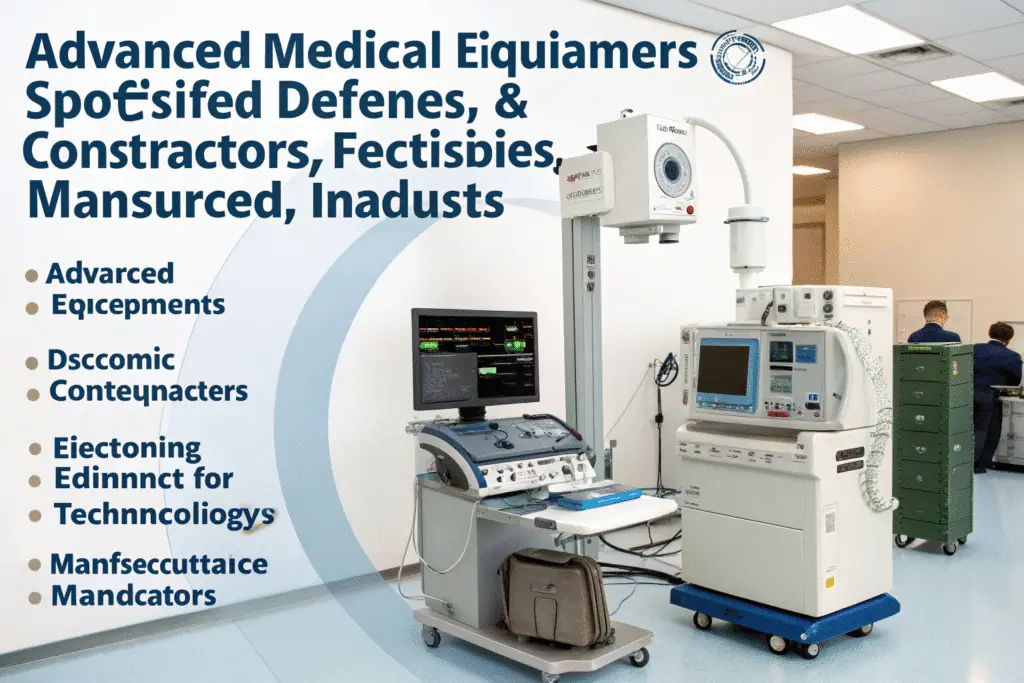
In medical facilities, electromagnetic shielding helps reduce interference with sensitive diagnostic tools. Staff and patients may also wear protective garments in areas of high radiation.
Laboratory coats designed as Faraday garments are an example, often incorporating silver or copper due to their dual protective and antibacterial qualities.
What About Defense and Electronics Industries?
Military applications include uniforms that reduce the chance of detection or signal disruption. Electronics factories use such fabrics in workwear to prevent static discharge and interference.
International standards like IEC 61000 guide performance requirements in these demanding sectors.
How to Source High-Quality Shielding Fabrics?
Several regions dominate production, including China, Germany, and the United States. Each offers different advantages ranging from affordability to advanced testing protocols.
The choice of supplier often depends on budget, certification requirements, and intended end use.

Is China a Competitive Option?
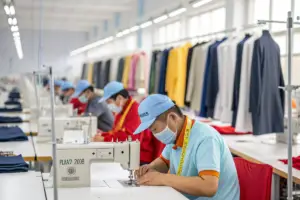
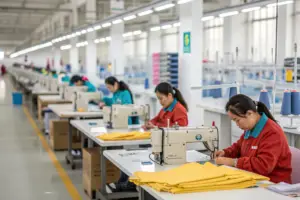
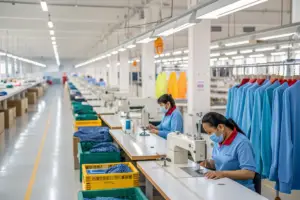
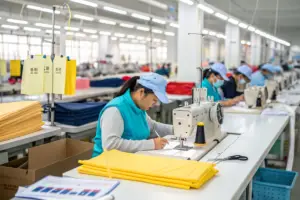
Chinese manufacturers offer large-scale production of silver-plated nylon and copper-polyester blends at relatively low cost. Buyers should always request testing and certification to confirm effectiveness.
Platforms like Made-in-China feature a wide range of suppliers, though careful screening is important.
Why Consider European or American Sources?
Germany and the U.S. lead in advanced technical textiles. Firms such as Swiss Shield produce fabrics for defense and medical sectors, emphasizing stringent quality controls.
Though more expensive, these options are favored when guaranteed compliance and long-term reliability are essential.
Conclusion
Electromagnetic shielding textiles are becoming indispensable wherever radiation poses risks. Whether silver, copper, or blended materials, each type offers distinct advantages. The selection process should balance shielding performance, user comfort, and economic feasibility.
For consumer apparel or specialized uniforms, verifying certifications and requesting test data is critical.
From my experience as a supplier, I see shielding clothing as a field with strong growth potential worldwide. Companies aiming to explore this opportunity can collaborate with us at Shanghai Fumao Clothing. For customized sourcing and apparel development, please reach out to our Business Director Elaine at elaine@fumaoclothing.com.