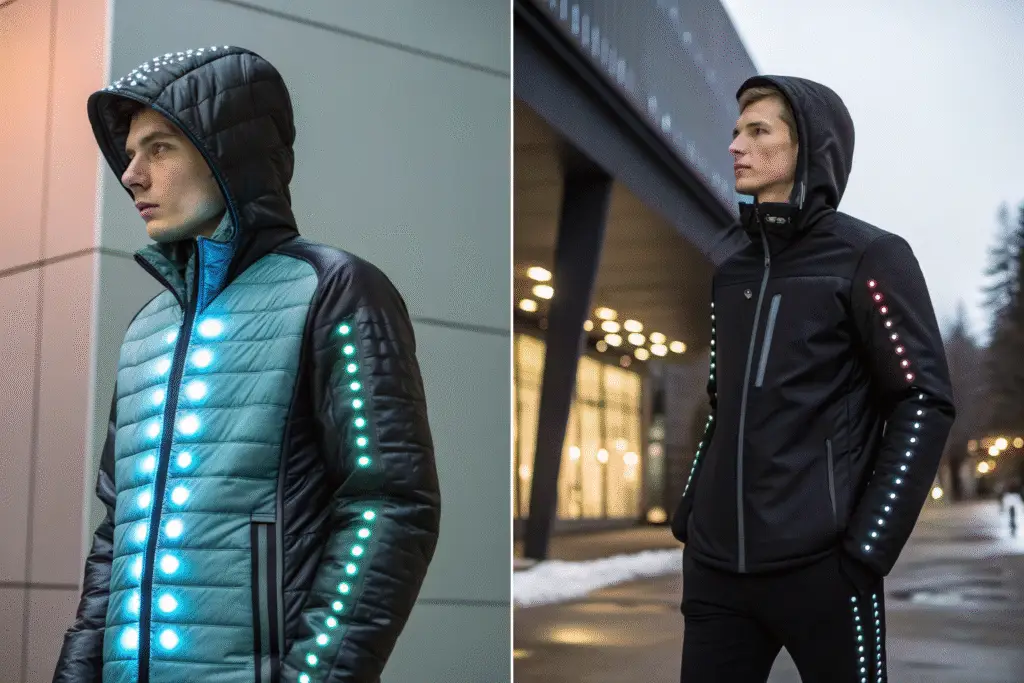
Thermal comfort in clothing—it sounds simple, but in reality, it’s one of the toughest challenges in apparel manufacturing. Many U.S. buyers tell me the same story: winter jackets that feel too heavy, that make customers sweat indoors yet somehow still leave them freezing outside. To be honest, I’ve heard this complaint countless times.
Phase-change materials (PCMs) are a breakthrough. They don’t just insulate; they actively regulate heat, absorbing and releasing energy as conditions shift. That means apparel can adapt—warmth when you need it, cooling when you don’t—without the bulk.
Actually, PCMs have been around longer than most people realize. NASA first used them in space suits, protecting astronauts against sudden temperature swings. Now, slowly but surely, they are moving into mainstream fashion. And personally I think this technology will redefine thermal apparel for brands that want comfort, performance, and sustainability together.
How Do Phase-Change Materials Regulate Body Temperature?
The magic of PCMs is in their phase shifts. When body temperature rises above a set point, the PCM melts and absorbs heat. When temperature drops, it solidifies again and releases stored warmth. A simple cycle—but powerful.
Instead of sudden chills or overheating, PCMs create a stable comfort zone around the body. Not many fabrics can do that.
What Makes Latent Heat Storage So Effective?
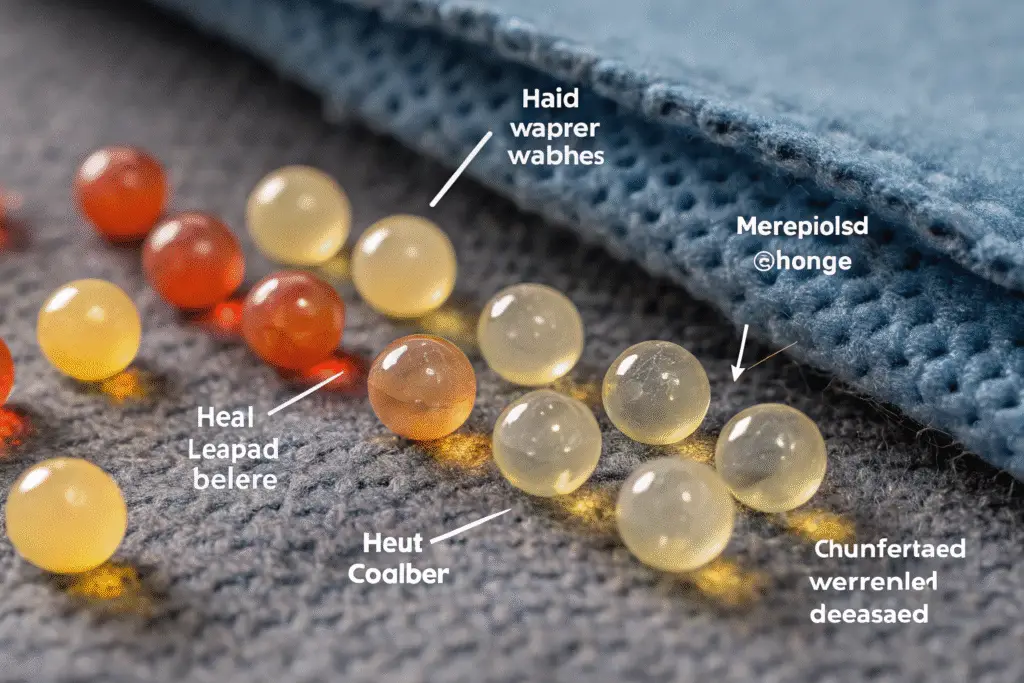
Energy density—that’s the secret. PCMs store much more heat per unit weight than typical fibers. According to Wikipedia, this latent heat storage explains why PCMs deliver real thermal regulation without being bulky. And as Springer research confirms, they balance human thermal comfort across wide-ranging conditions.
Can PCM Clothing Adapt To Both Cold And Warm Environments?
Yes—it can. Unlike regular insulation that only works one way, PCMs react dynamically. Personally I think this is their biggest selling point: a jacket that cools you while active yet warms you when you stop. As Knowing Fabric notes, PCMs are what make textiles truly “smart.”
Why Is PCM Apparel Lightweight Yet Effective?
Here’s the thing—warmth usually means bulk. Traditional insulation works by trapping air, so more warmth requires more thickness. PCMs change that equation.
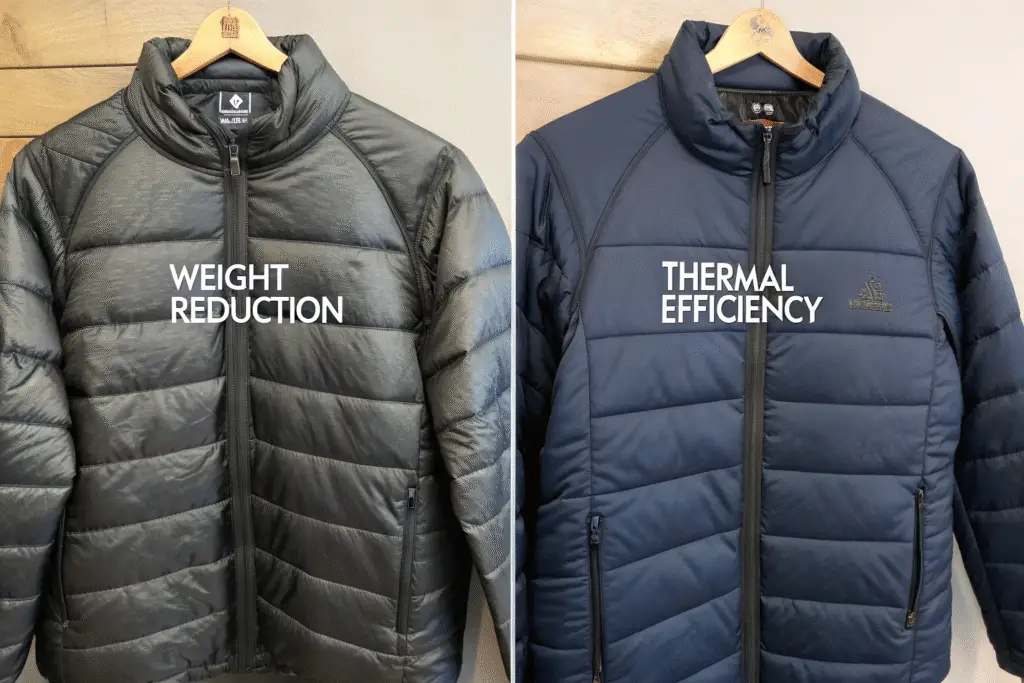
By storing energy in their material structure, PCMs deliver warmth without size or weight. That means jackets can look slim yet still perform like heavy gear.
Do PCMs Replace Insulation Entirely?
Not always… and that’s okay. In many cases, they work together. According to Knowing Fabric, designers combine PCM capsules with light insulation. The result? Garments that adapt across activity levels and climates. A layered approach, but smarter.
Why Does This Matter For Fashion Buyers?
Mobility matters—U.S. consumers hate bulky coats. Slim silhouettes with PCM appeal to modern shoppers. As Springer Research highlights, PCM garments maintain warmth and comfort with far less weight. Personally, I think that’s exactly the kind of advantage buyers are looking for when they source next-season collections.
Are Phase-Change Materials Sustainable For Fashion?
Today, no buyer can ignore sustainability. Apparel has to be both high-performance and eco-friendly. PCMs, surprisingly, fit this need well.
By stabilizing body temperature, PCM garments reduce the reliance on heaters, air conditioners, and extra clothing layers. That translates into real energy savings for consumers.
Can PCMs Be Made From Renewable Materials?
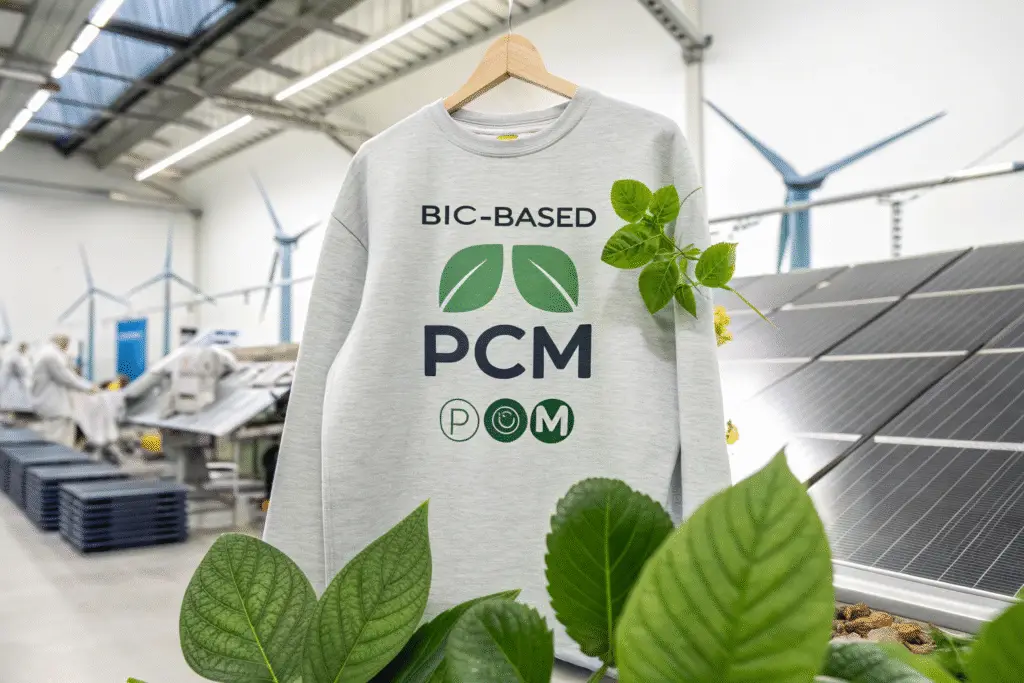
Yes, and they already are. Researchers are developing bio-based PCMs from natural oils and fatty acids. Springer Research confirms that these bio-options make PCM textiles far more sustainable. It’s no longer just synthetic chemistry; it’s green innovation.
How Do PCMs Support Sustainable Consumer Habits?
Longer product use—that’s the key. PCM apparel works across seasons, meaning consumers buy fewer pieces. According to Fashion United, multi-season garments are a driver of sustainable consumption. To be honest, it’s a strong marketing story for any brand that wants to position itself as eco-conscious.
Where Are PCMs Already Used In Apparel?
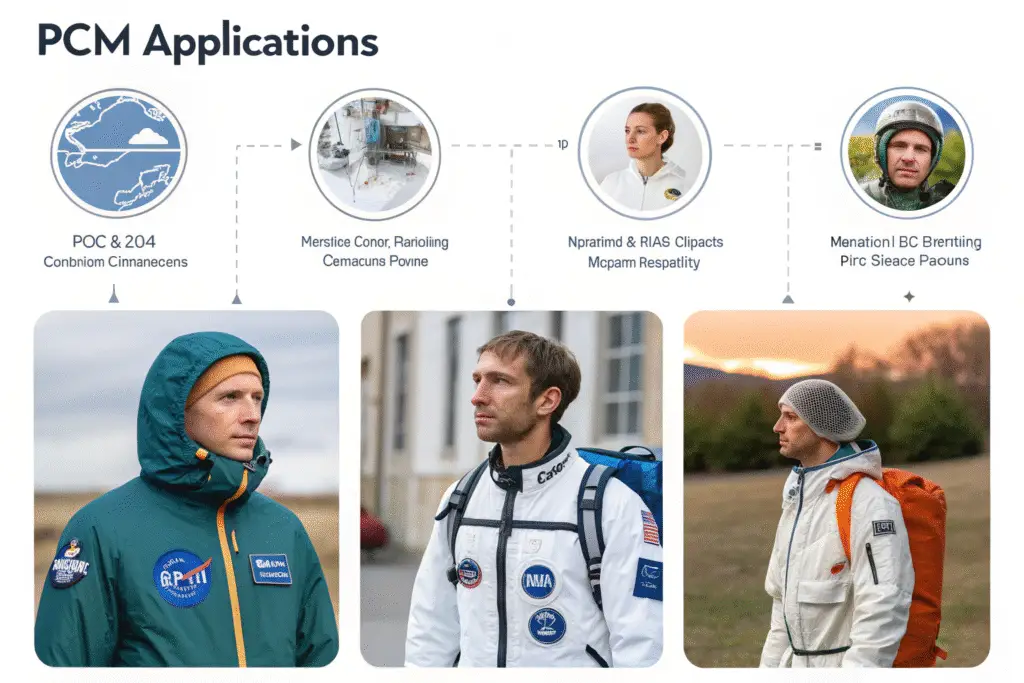
PCMs have a heritage that few innovations in fashion can claim. They were used in outer space long before they appeared in jackets and bedding.
From astronaut suits to outdoor wear, sports gear, medical products, and even shoes, PCMs are proving their versatility.
What Is The Legacy Of PCMs In Space Technology?
NASA applied PCMs in space suits to counter extreme swings. According to NASA Spinoff, this technology then shifted into consumer textiles. A fascinating journey—from space to your wardrobe.
Which Apparel Markets Use PCMs Now?
Outdoor gear leads the way: ski jackets, hiking gear, and performance sportswear. But that’s not all. Textile World notes their expansion into medical clothing and bedding. Personally I think the potential markets are still just beginning.
Conclusion
Phase-change materials are not just another textile trend. They bring intelligent heat regulation, lightweight comfort, and eco-friendly potential. From NASA suits to consumer jackets, their journey proves reliability. For apparel buyers, PCMs open the door to smarter, slimmer, and more sustainable products.
If you’re an American apparel brand searching for innovative thermal solutions, we at Shanghai Fumao Clothing can help. Our factory integrates PCMs into custom designs—kidswear, womenswear, menswear—tailored for your market. Reach out to our Business Director Elaine at elaine@fumaoclothing.com. Together, we’ll make sure your apparel not only looks good but also feels right, season after season.