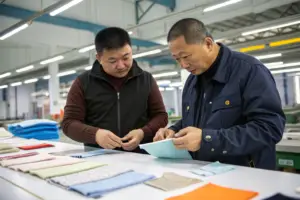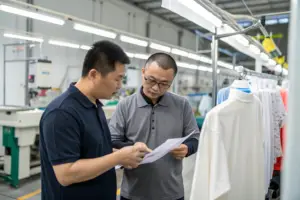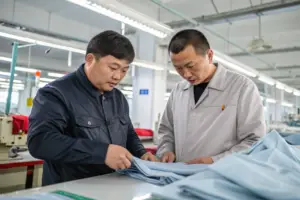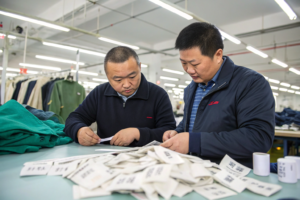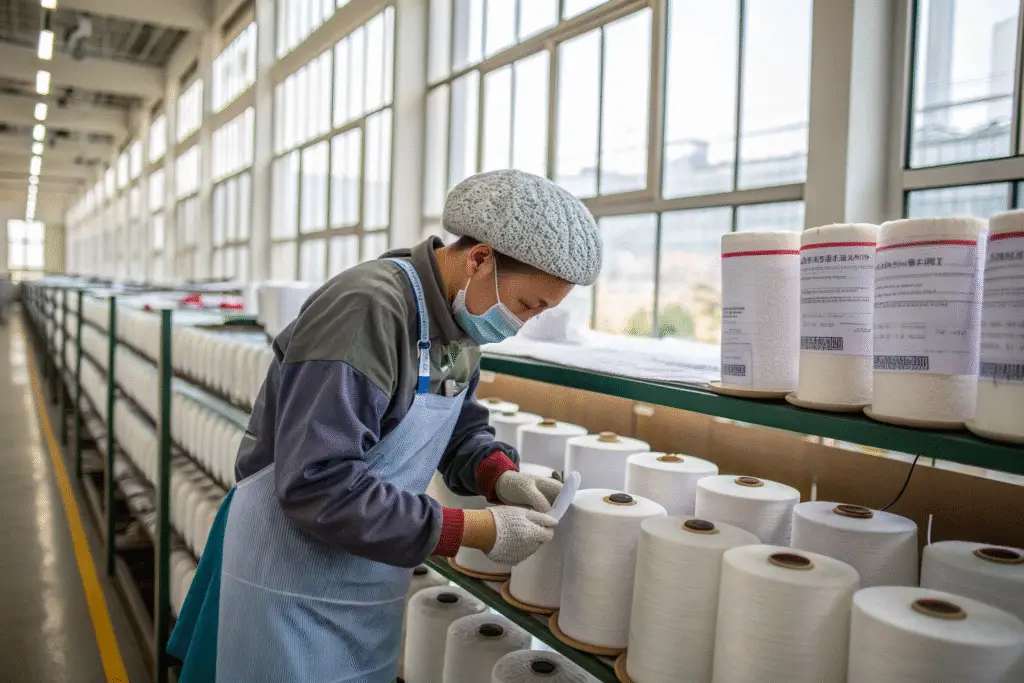
Knitwear—soft, warm, versatile—has always been a staple in fashion. But to be honest, in today’s apparel market it isn’t only about texture or style anymore. Buyers, especially in Europe and North America, want to know the story behind their sweater: who made it, under what conditions, and whether it was fairly traded. Actually, that’s why Fair-Trade Certified knitwear has become such a priority. It gives assurance of fairness, wages, and sustainability, while strengthening a brand’s reputation at the same time.
The most reliable way to source Fair-Trade Certified knitwear is to work with verified suppliers, cross-check their certifications, select sustainable yarns, and build long-term transparent relationships with the right factories.
Personally I think—it isn’t just about a certification stamp, it’s about aligning values with the entire production process.
Understanding Fair-Trade Certification
Fair Trade is more than a label; it’s a system that protects workers and communities.
Fair-Trade knitwear guarantees living wages, safe conditions, and an extra community premium—money that goes back to worker welfare.
What Does Fair Trade Certification Cover?
It includes worker rights, wages, no forced or child labor, and reinvestment in local communities. Fair Trade Certified outlines these standards. Personally I think—it gives buyers the confidence that their products aren’t tied to exploitation.
Why Is It Important For Knitwear?
Knitwear involves intensive labor: yarn spinning, knitting, finishing. To be honest, without Fair Trade, wages can be shockingly low in some regions. Ensuring fairness here is crucial, or else brands risk both reputation and customer trust.
Finding Fair-Trade Certified Suppliers
The search for suppliers is where many brands stumble… but it doesn’t have to be complicated.
Start by checking directories, verified audits, and established trade platforms for Fair-Trade Certified factories.

Where To Find Verified Suppliers?
The Fair Trade Certified partner directory is the most direct source. Platforms like Global Sources and Made-in-China also list certified suppliers.
How Do You Verify Authenticity?
Ask for certification numbers. Cross-check them against official Fair Trade or third-party databases. And—this is important—request independent audits. Services like SGS validate certification claims. Personally I think, never accept only a PDF file sent over email… it’s too easy to fake.
Choosing Sustainable Materials
Fair Trade and sustainable yarns go hand in hand.
Knitwear works best when Fair-Trade Certified fibers are combined with eco-conscious materials like organic cotton, wool, or recycled blends.
Which Materials Are Best For Fair-Trade Knitwear?
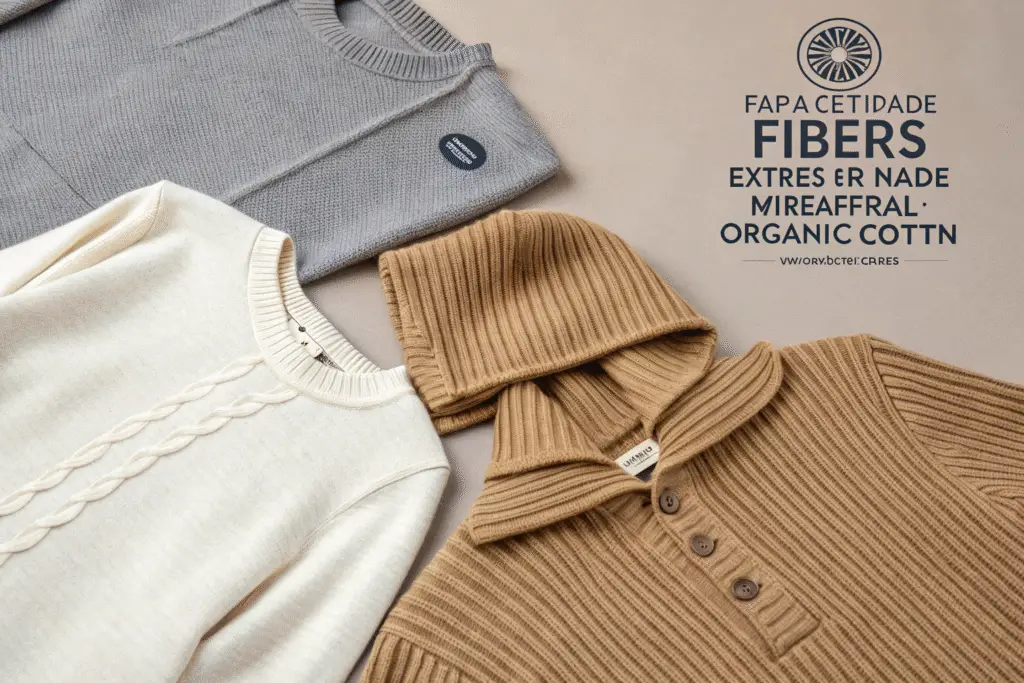
Organic cotton, certified by GOTS, is common. Peruvian alpaca, Fair-Trade wool, and blends with recycled polyester are rising in demand. Actually, material stories resonate strongly with buyers when combined with Fair Trade guarantees.
How Do Sustainable Fibers Add Value?
They reduce environmental impact and improve storytelling. Textile Exchange reports that brands combining Fair Trade and organic materials see stronger customer loyalty. Personally I think—consumers care just as much about how it was made as about what it’s made from.
Managing Cost and Logistics
Let’s be honest, Fair-Trade Certified knitwear usually costs more. But the premium has purpose.
Costs can be managed through bulk planning, strong supplier relationships, and optimized logistics.

Is Fair-Trade Knitwear More Expensive?
Yes, typically 10–20% higher. But McKinsey studies show that consumers are willing to pay premiums for ethically produced apparel. Personally I think—paying extra upfront avoids reputational costs later, which are far more expensive.
How Do You Ensure On-Time Delivery?
Secure production schedules, confirm delivery milestones, and use DDP shipping where possible. Logistics companies like DHL manage apparel shipments efficiently. To be honest, Fair-Trade factories often run stricter compliance systems, which reduces the risk of unexpected delays.
Building Brand Identity With Fair Trade
Fair Trade isn’t just compliance—it’s a positioning tool.
Brands that use Fair-Trade Certified knitwear stand out, building deeper emotional connections with conscious buyers.
How Does Fair Trade Strengthen Brand Value?
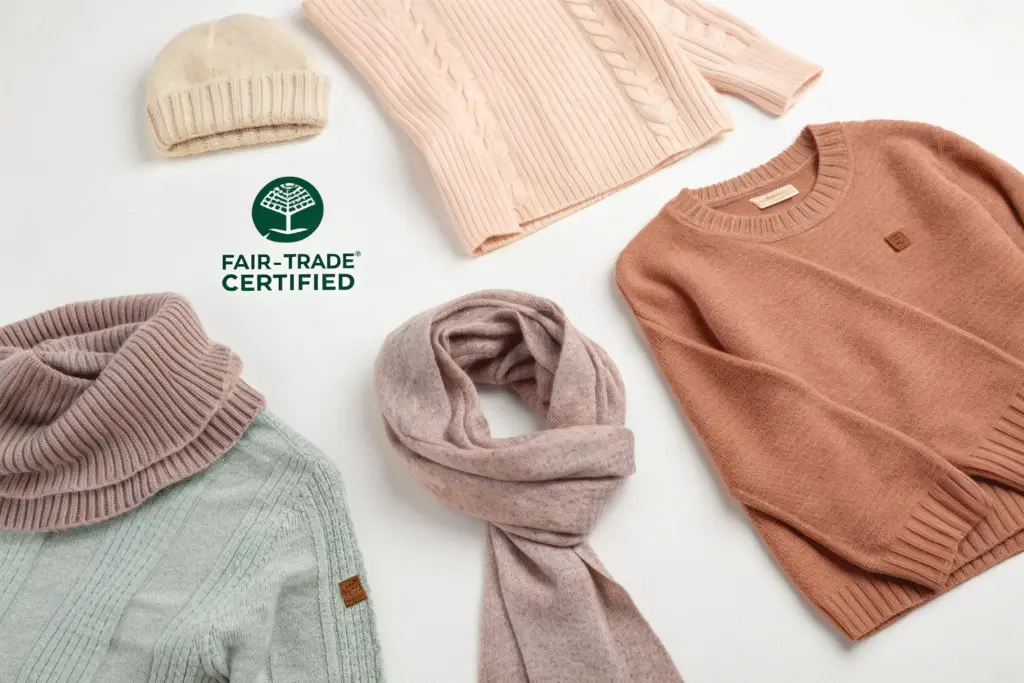
It signals ethics and accountability. Fairtrade International case studies prove that adoption leads to stronger brand growth. Personally I think—it’s no longer niche; it’s becoming mainstream expectation.
How Do You Market Fair-Trade Knitwear?
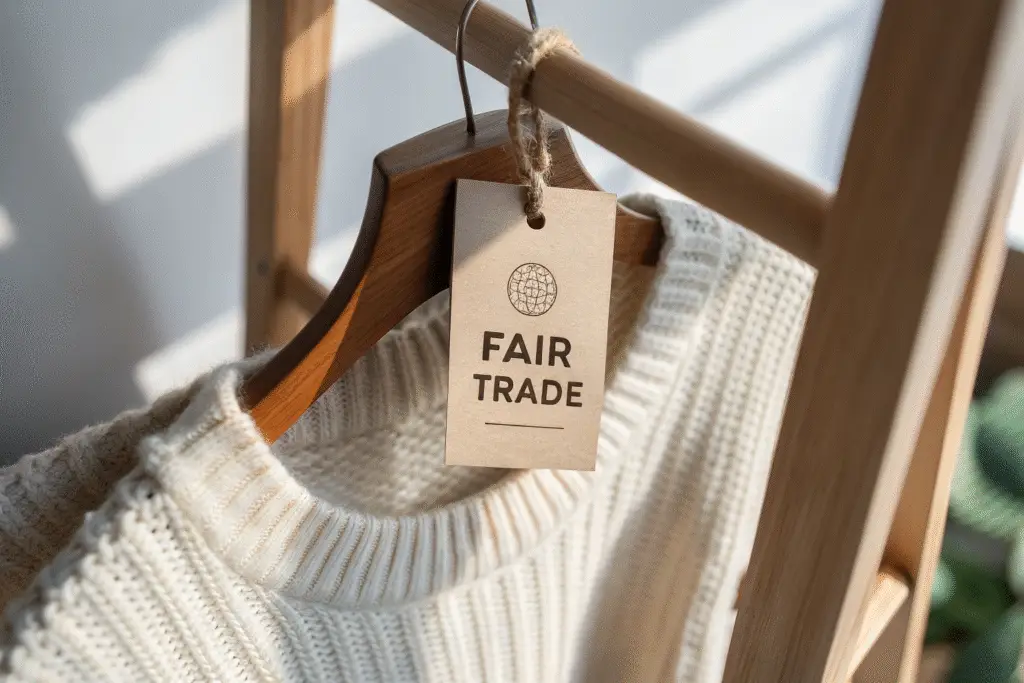
Hangtags with certification logos, worker impact stories, and transparent supply chain reports. Actually, customers want to see not just the product, but also the people who made it. That’s what makes the story real.
Conclusion
So—how do you source Fair-Trade Certified knitwear? Start by identifying verified suppliers, confirm certifications, choose sustainable fibers, manage logistics carefully, and finally, tell the story honestly. To be honest, it’s more than sourcing—it’s about aligning your brand with values that consumers already care about.
At Shanghai Fumao Clothing, we collaborate with certified partners to deliver knitwear that is not only stylish but also fair and sustainable. If your company wants to explore ethical knitwear sourcing, contact our Business Director Elaine at elaine@fumaoclothing.com.