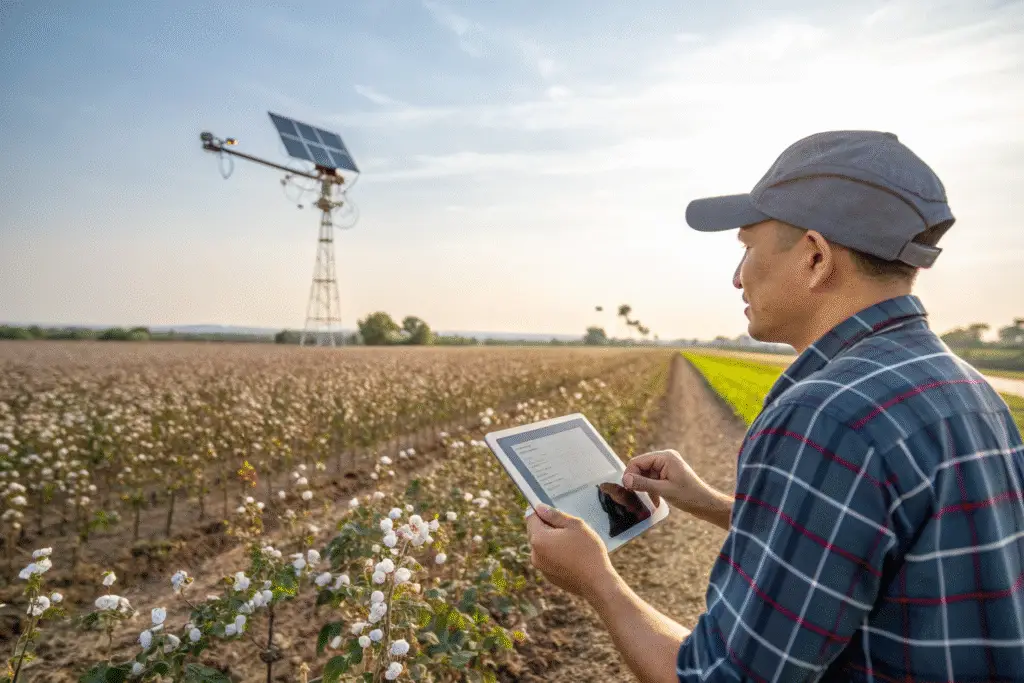
Cotton—it’s the backbone of our apparel industry. But to be honest, its journey from farm to fabric has always been a bit cloudy. Brands say one thing, suppliers sometimes say another, and buyers—well, they just want proof. That’s where satellite monitoring enters the picture. Not as some far-off science experiment, but as a practical, very real tool for verifying cotton’s true story.
Satellite monitoring enables apparel companies to trace cotton farms accurately, confirm ethical sourcing, reduce fraud, and comply with strict regulations.
Actually, traditional methods like paper documentation and human audits are not enough anymore. Personally I think—they never really were. Satellites, on the other hand, don’t get bribed, don’t get tired, and don’t lose paperwork. Let’s dig into why this matters.
Ensuring Transparency in Cotton Sourcing
Traceability is not just a buzzword; it’s survival for brands under global scrutiny.
With satellites, cotton sourcing becomes verifiable, mapping fields and proving farm locations in real time.
How Does Satellite Data Improve Traceability?
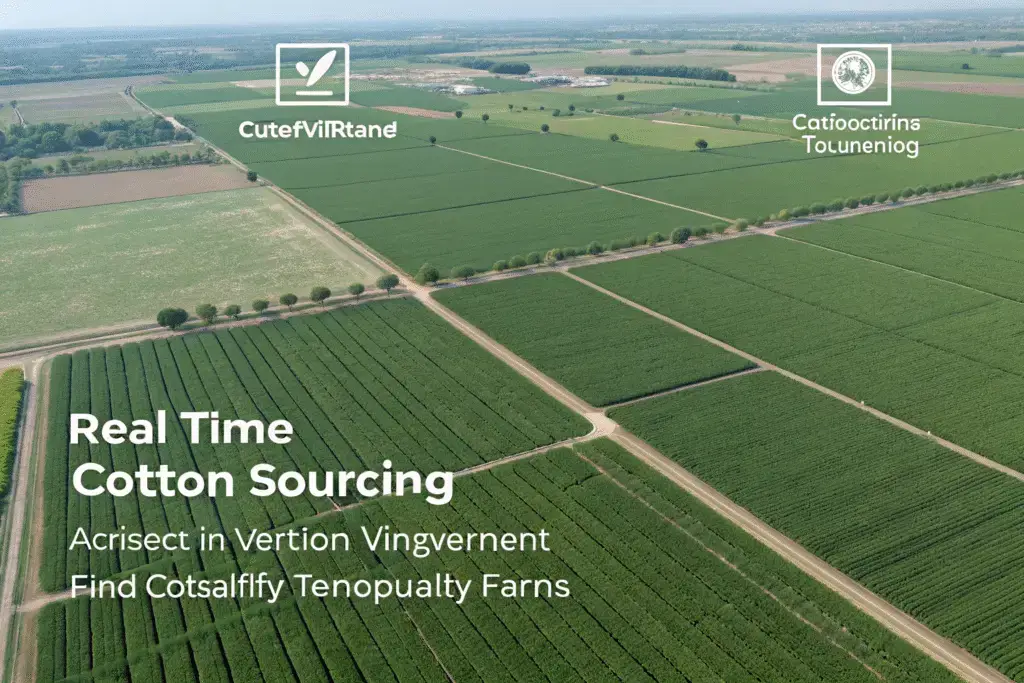
Images from space can identify farm boundaries, crop types, and field sizes. Providers like Satelligence already deliver this service. Rarely has the apparel industry had such a clear bird’s-eye view. Textile Exchange also stresses how these tools build confidence in sourcing claims.
Can It Detect Unethical Sourcing?
Yes—actually, quite effectively. Fields in restricted zones can be flagged. Regions associated with forced labor or deforestation can be tracked. Better Cotton reports that digital monitoring supports fair labor sourcing, ensuring cotton is not tainted by controversy.
Monitoring Sustainability Practices
Sourcing is one thing, but sustainability—how the cotton is grown—is another.
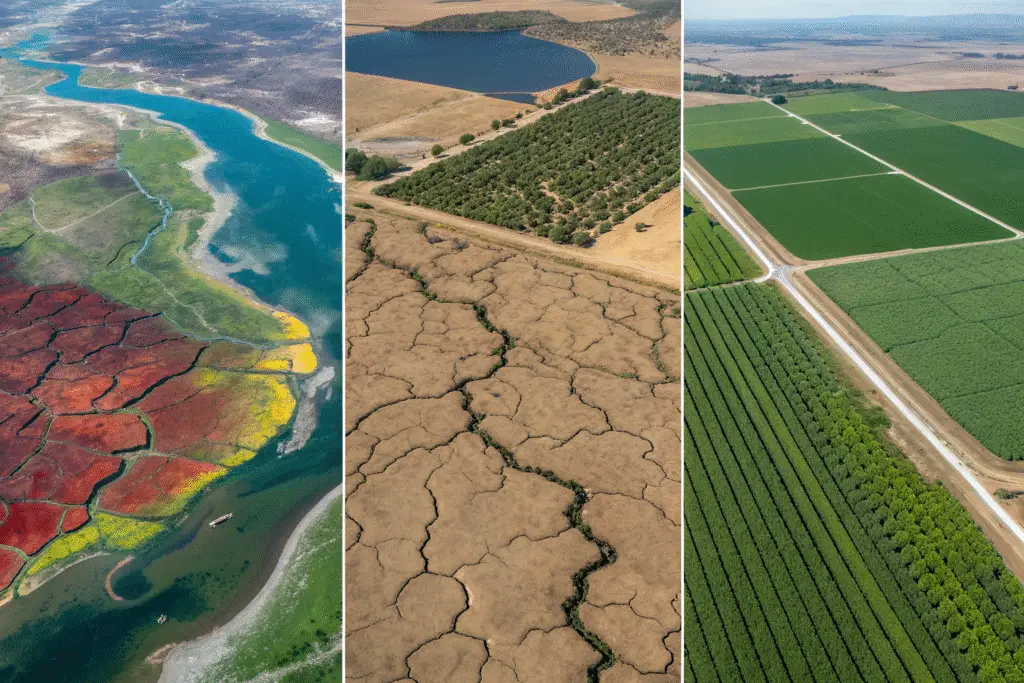
Satellite monitoring reveals water use, soil health, and regenerative practices that affect sustainability claims.
How Can Satellites Track Water Use?
Multispectral imaging detects irrigation stress. NASA’s Landsat Program helps track water consumption over time. Personally I think this is crucial in thirsty regions like India and Pakistan, where cotton often drains scarce resources.
Can Satellites Verify Regenerative Practices?
Yes, they can. Satellites track crop rotation, cover crops, and even soil carbon changes. Planet Labs already supplies daily monitoring that brands use to verify regenerative farming. And this—let’s be honest—gives marketing claims actual weight.
Reducing Fraud in Cotton Supply Chains
Fraud in cotton? It’s real and widespread. Mixing organic with conventional cotton, inflating yields, or faking certificates—these happen more often than many admit.
By comparing satellite imagery with supplier claims, fraud can be exposed before it hits the supply chain.
What Types of Fraud Can Be Prevented?
When “organic” yields exceed realistic farm capacity, something’s off. Satellites can catch that. Reuters investigations already revealed widespread fraud in organic cotton, underlining why verification is necessary.
How Does It Support Certification Bodies?
Certifiers like GOTS gain an independent tool to double-check claims. Personally I think, adding this layer of verification makes the whole system stronger and harder to cheat.
Supporting Compliance With Regulations
Regulations aren’t optional—they’re tightening across the globe.
Satellite monitoring helps brands comply with UFLPA, EU due diligence laws, and sustainability frameworks.

How Do Satellites Help With UFLPA Compliance?
The U.S. Uyghur Forced Labor Prevention Act bans cotton from certain regions. Satellites identify fields in those zones, giving proof of clean sourcing. USDA has already noted the value of geospatial tools here.
What About EU Regulations?
The EU’s Corporate Sustainability Due Diligence Directive is strict. Satellites, when paired with blockchain systems, create unbroken supply chain visibility. Personally I think—brands that adopt these tools early avoid the penalties and win consumer trust.
Conclusion
So, why satellite monitoring for cotton farm traceability? Because it’s honest data. It brings transparency to sourcing, verifies sustainability practices, prevents fraud, and keeps companies safe from non-compliance penalties. Actually, it also strengthens brand reputation—customers trust what can be proven.
At Shanghai Fumao Clothing, we pay attention to these tools because we know supply chain transparency is becoming just as important as garment quality. If your company wants a partner that values both product and integrity, contact our Business Director Elaine at elaine@fumaoclothing.com.