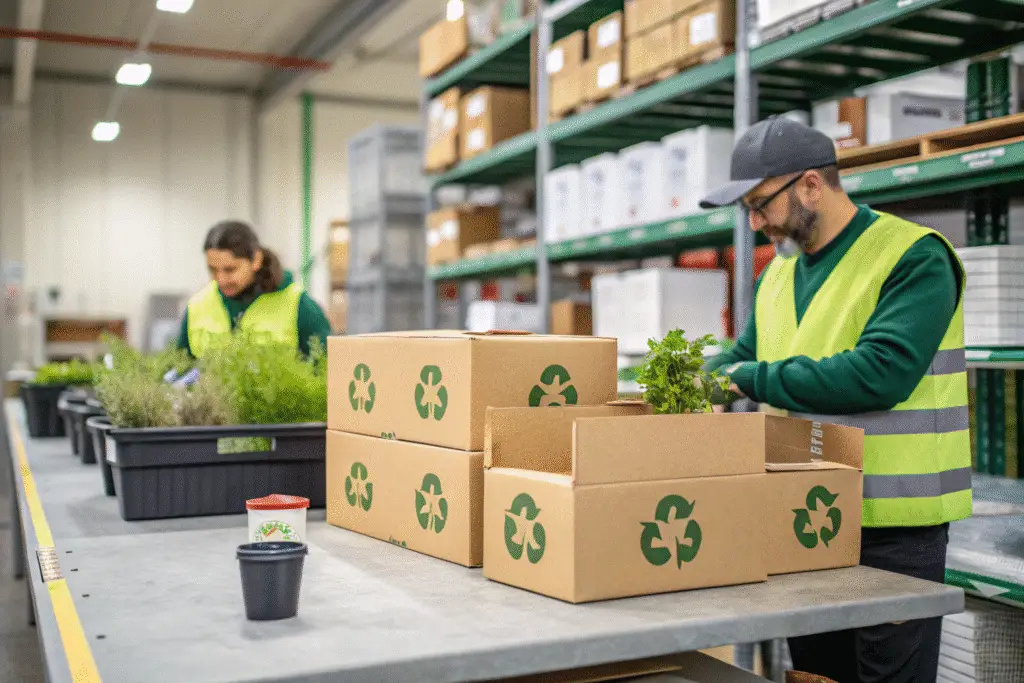
Packaging—honestly, it’s everywhere in our industry. Boxes, polybags, labels… and with them comes a mountain of emissions. To be honest, buyers no longer settle for “eco-friendly” as a slogan. They want proof, and increasingly they want packaging that is not just neutral but carbon-negative. But how do we actually source such solutions in wholesale apparel?
The most effective way to source carbon-negative packaging is by partnering with certified suppliers who use plant-based materials, agricultural waste, or captured-carbon polymers—while also proving scalability and compliance.
Actually, it isn’t as simple as choosing a cheaper recycled bag. Greenwashing is rampant. Personally I think, the challenge is not finding suppliers—it’s finding the right ones, those who can deliver consistently and transparently. Let’s explore how.
Understanding Carbon-Negative Packaging
Not the same as carbon-neutral, carbon-negative packaging removes more CO₂ than it emits during its life cycle.
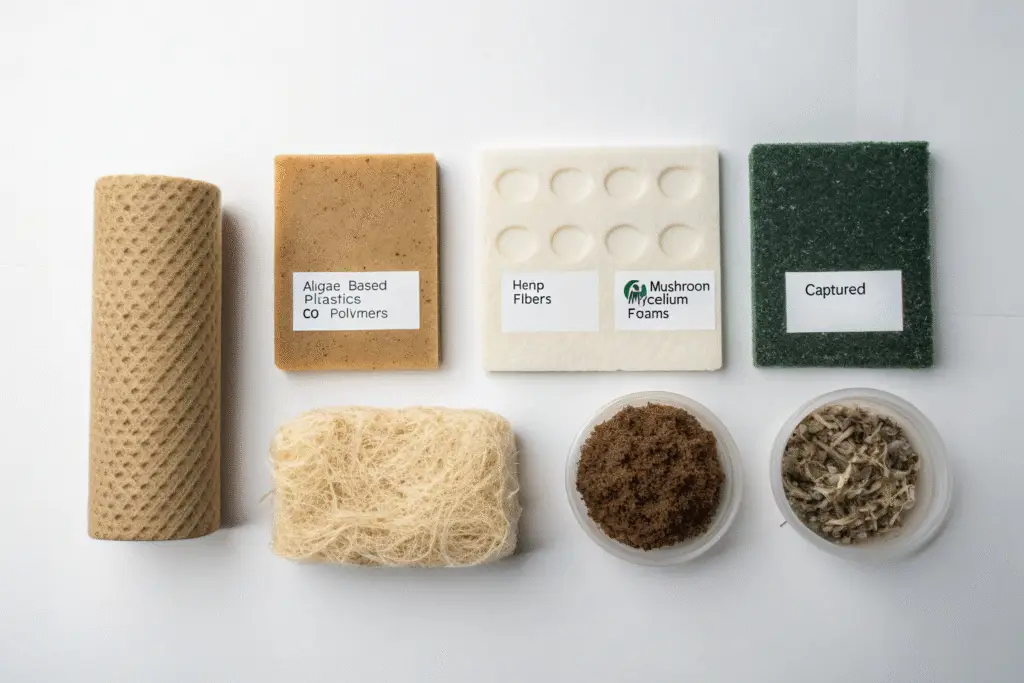
Carbon-negative materials include algae-based plastics, hemp fibers, mushroom mycelium foams, and captured-CO₂ polymers.
What Makes It Different From Carbon-Neutral?
Neutral is balance—you emit, you offset. Negative is impact—you capture, you reduce. Companies like Lanzatech turn emissions into polymers, while Notpla makes seaweed packaging that biodegrades in weeks. Rarely do traditional plastics offer anything close.
Which Materials Are Commonly Used?
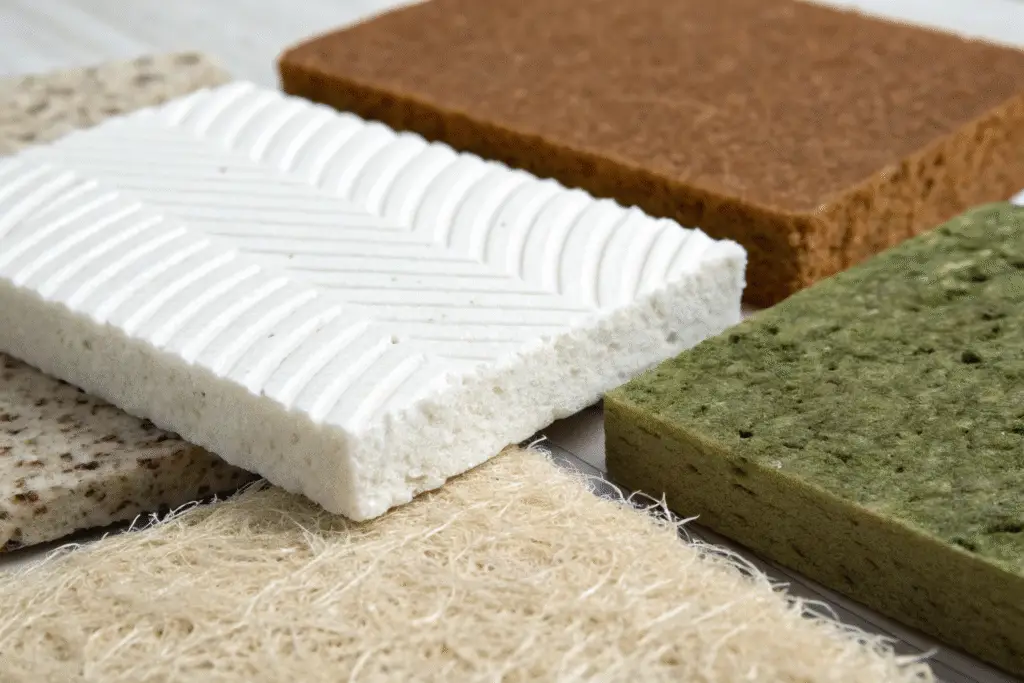
Hemp composites, mycelium foams, algae bioplastics, recycled ocean waste… these are the stars. The Ellen MacArthur Foundation explains how they fit into circular economy loops. Personally I think—it’s not about picking one material, but about matching material with product needs.
How To Evaluate Suppliers
Here’s the tricky part: lots of suppliers shout “eco,” but few deliver carbon-negative results.
Evaluating means checking certifications, independent assessments, and proof of scalability.
Which Certifications Matter Most?
Cradle to Cradle, B Corp, ISO 14067—these prove life-cycle carbon data. Without them, claims are just words. To be honest, if a supplier hesitates to share documents, it’s already a warning sign.
How Can Buyers Avoid Greenwashing?
Ask for life-cycle assessments, and if possible, third-party audits. SGS offers such verification. Personally I think—it’s better to walk away from a flashy presentation than end up with packaging that doesn’t stand up to scrutiny.
Balancing Cost and Scalability
It’s true—carbon-negative packaging can cost more. But then again, so did recycled materials a decade ago, and now they’re standard.
Balancing requires negotiation, pilot runs, and partnerships with innovative startups.

Is It Affordable for Wholesale Apparel?
Yes, though margins shift. Bulk orders reduce costs, governments sometimes subsidize. The U.S. Department of Energy supports bio-based packaging firms, and EU grants fund algae projects. Rarely does innovation stay expensive forever.
How Do You Scale With These Materials?
Start small. Test in premium collections, expand later. Suppliers like Living Ink (algae-based inks and packaging) scale production alongside demand. Personally I think—long-term contracts lock in both price and supply.
Logistics and End-of-Life Considerations
Sourcing doesn’t stop at production—it ends in the consumer’s hands.
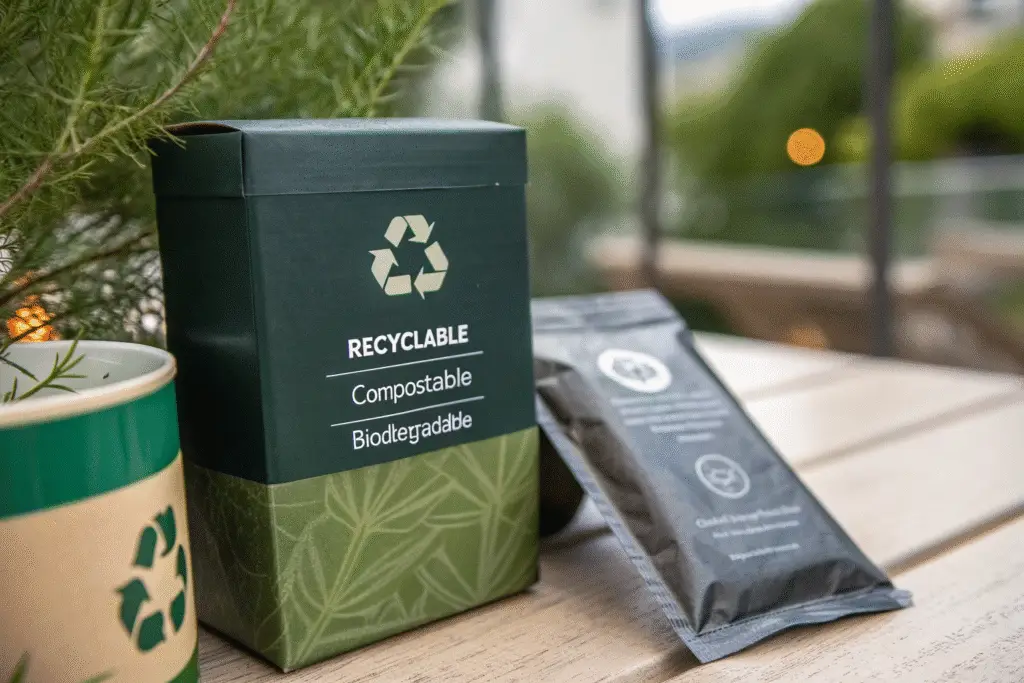
Carbon-negative packaging must be recyclable, compostable, or biodegradable, with clear disposal guidance.
How Do Logistics Affect Carbon Impact?
Transport can ruin gains if packaging is bulky or shipped too far. Local suppliers reduce footprint. EcoEnclose already offers localized production. To be honest, logistics is where many “eco” programs quietly fail.
What About Consumer Disposal?
Clear labeling matters. Packaging should say “home-compostable,” “recyclable,” or “industrial compost only.” Confusion leads to waste. Some suppliers like Noissue even add QR codes linking to disposal instructions. Personally I think—it’s small touches like this that increase trust.
Conclusion
So—why implement carbon-negative packaging? Because it doesn’t just reduce harm, it actively heals. From algae plastics to mycelium foams, from third-party certified suppliers to scalable startup solutions, the sourcing path is clear. To be honest, it takes patience and discipline. But it positions your brand not only as compliant but as forward-looking.
At Shanghai Fumao Clothing, we already help brands align their apparel with sustainable packaging choices. If your company is serious about sourcing carbon-negative solutions, contact our Business Director Elaine at elaine@fumaoclothing.com.