Sustainability—it’s no longer just a buzzword. In the apparel business, I’ve seen firsthand how buyers and consumers alike now demand eco-friendly solutions. To be honest, biodegradable activewear is one of the clearest answers to this call. But then again, many still wonder: what exactly are the trends driving this movement forward?
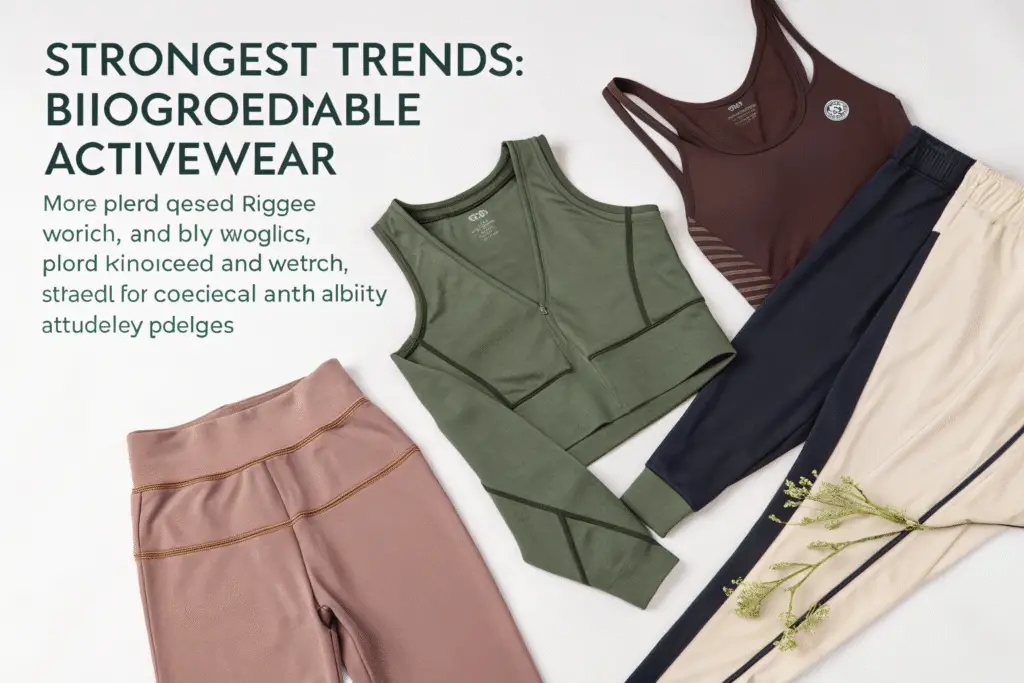
The strongest trends in biodegradable activewear are plant-based fabrics, algae-based leggings, bio-based stretch alternatives, toxin-free finishes, and circular design models. These aren’t abstract concepts; they’re already shaping collections from both niche and global brands.
Actually, adoption isn’t uniform. Some innovations are already mainstream, others are just testing waters. Yet, the direction is unmistakable—away from synthetics, toward materials and designs that return safely to nature. Let’s walk through each of these trends step by step…
Biodegradable, Plant-Based Fabrics
When people think of eco-fabrics, cotton usually comes first. But the real leaders today? Hemp, bamboo, Tencel™, and blends that combine strength with biodegradability.
Plant-based fabrics are leading because they balance comfort, performance, and compostability.
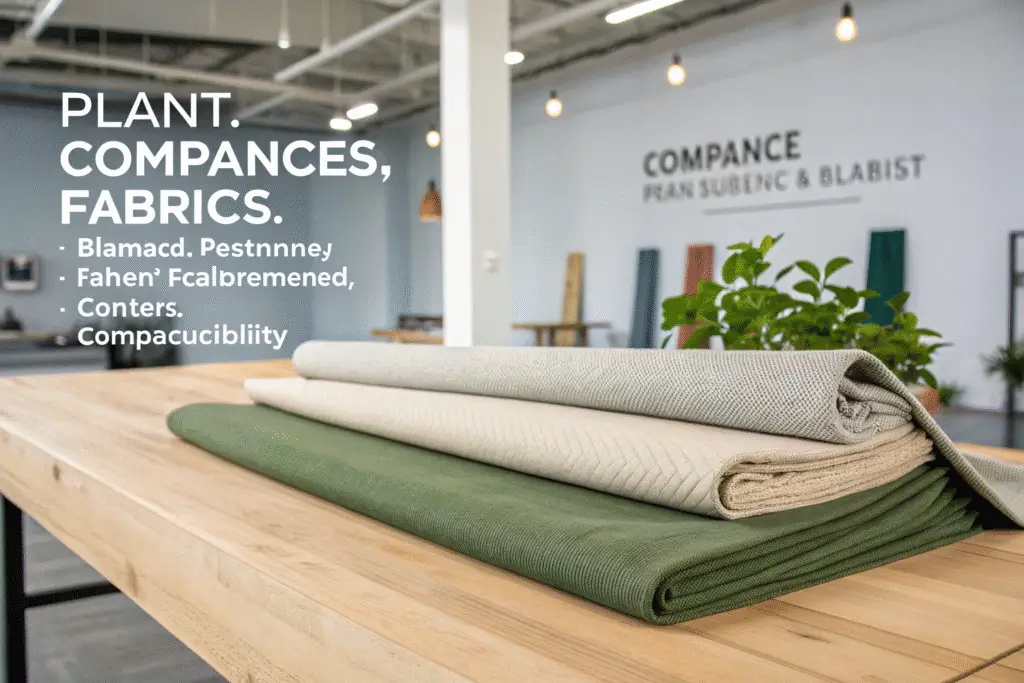
Why Are Tencel™ and Hemp Popular?
Rarely do fabrics combine softness, durability, and low impact the way Tencel™ and hemp do. Lenzing Tencel is widely trusted, while suppliers like Hemp Traders make hemp more accessible to apparel mills worldwide. And personally I think—though some still doubt it—these fabrics often outperform synthetics in breathability and feel.
How Do These Fabrics Perform in Sportswear?
Performance is key. Bamboo blends wick sweat, Tencel™ regulates temperature, hemp keeps bacteria at bay. Reports from the Sustainable Apparel Coalition confirm the reduced environmental footprint. So yes, eco and performance can live together, even in demanding activewear.
Algae-Based and Compostable Leggings
One of the more futuristic developments—yet already here—is algae-based activewear. Some leggings literally break down in compost within a year.
Algae-based textiles prove that performance wear can be biodegradable without compromise.
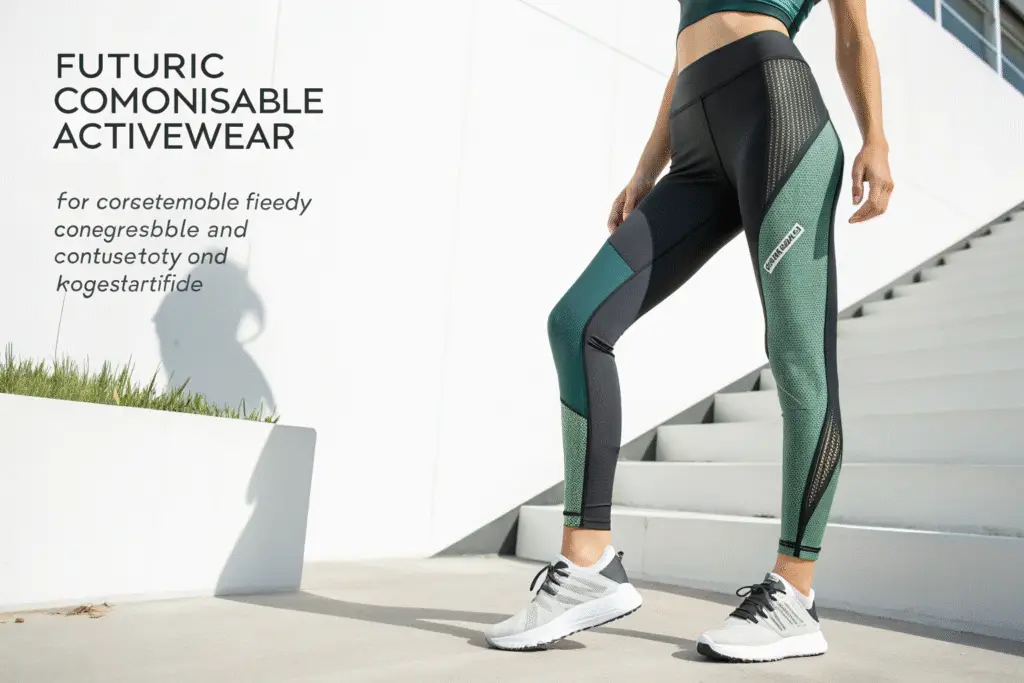
What Makes Algae Textiles Special?
Algae has elasticity, breathability, and a lightness that feels natural. Innovators like Bloom Materials are turning algae into foams and fibers. European startups, too, are experimenting with compost-ready leggings.
Are Compostable Leggings Market-Ready?
Actually, availability is still limited—industrial composting facilities aren’t everywhere. Yet Patagonia and others show what’s possible. For early adopters, this can be a unique selling point. To be honest, it may take years before it’s mass-market, but the trend is not slowing.
Bio-Based Stretch Alternatives
Spandex—it’s everywhere in leggings, but it’s petroleum-based and stubbornly non-biodegradable. This is where natural rubber and other bio-elastics come in.
Bio-based stretch materials are set to replace elastane, offering stretch without the environmental cost.
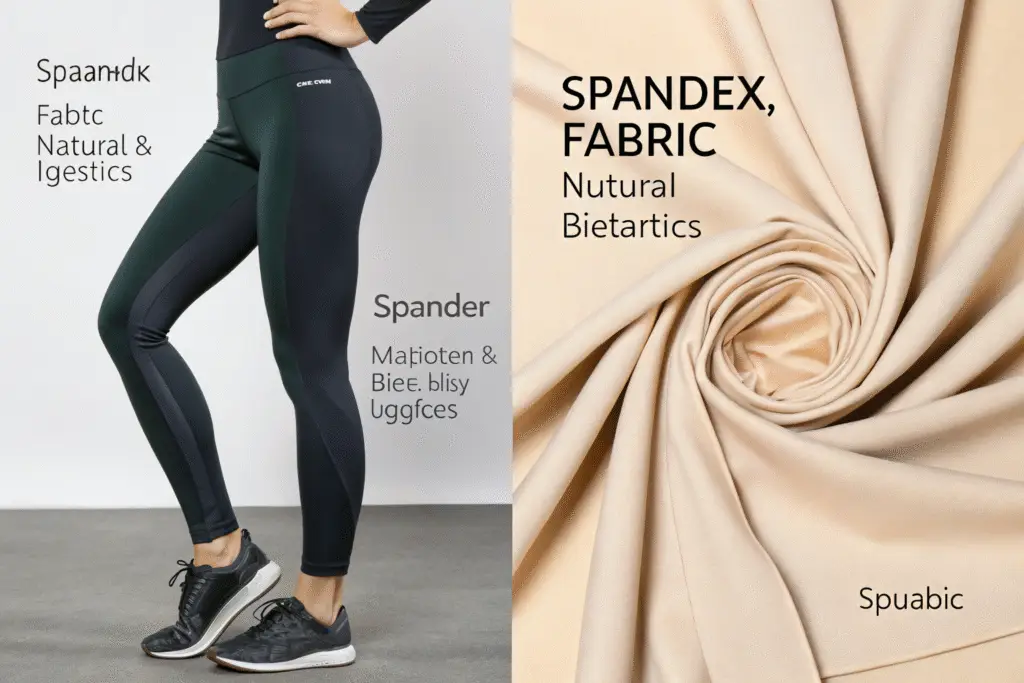
Can Rubber Replace Spandex?
Companies like Yulex use natural rubber for wetsuits, and Candiani Denim created Coreva™ bio-elastic technology. Personally I think, the stretch isn’t yet identical—but it’s close, and it’s improving every season.
What Are the Limitations?
Scaling up is tough. Rubber plantations are climate-sensitive. Adoption takes time. But, according to Vogue Business, brands are actively testing spandex alternatives. Slowly but surely, elastane’s monopoly is being challenged.
Clean Fashion: Chemical-Free Finishes
Many don’t realize it, but the problem isn’t just the fabric. It’s also the finishes. Sweat-wicking and water-repellent treatments often rely on PFAS, so-called forever chemicals.
The next wave in biodegradable activewear is toxin-free finishing—no harmful chemicals, only natural treatments.
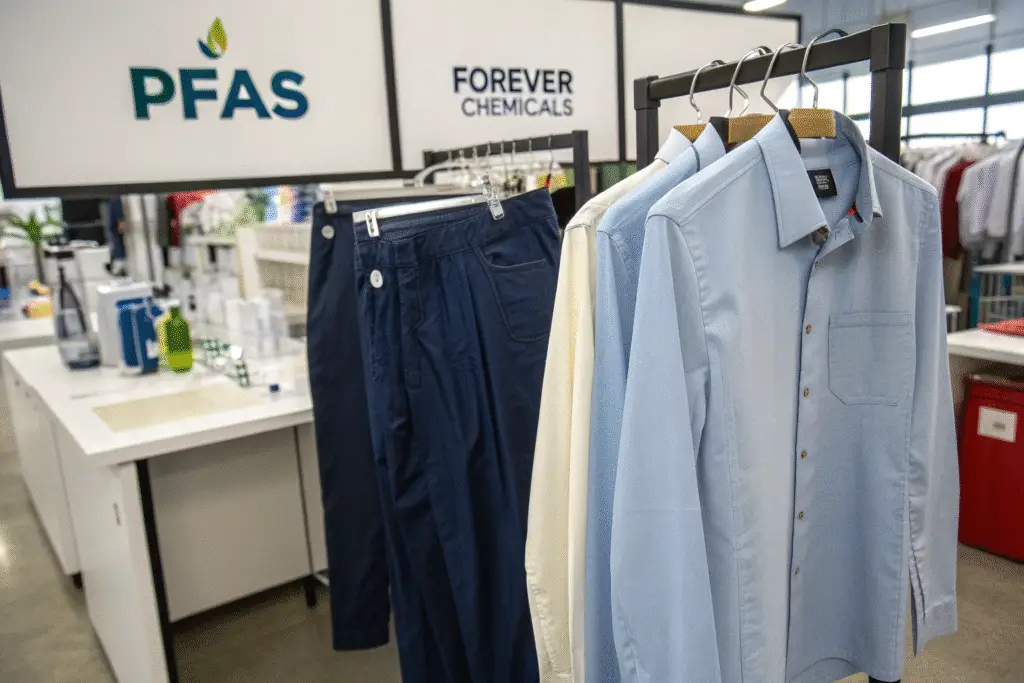
Why Are PFAS Being Phased Out?
The EU is pushing for a PFAS ban by 2026. That’s not far away. The Financial Times reports that brands not shifting now will struggle later. Consumers, too, are asking tougher questions about toxins in clothing.
What Are the Alternatives?
Natural waxes, plant-derived repellents, or even tight-weave engineering are being used. Personally I think—it’s both regulation and consumer trust driving this. Whoever gets ahead here will stand out as both compliant and ethical.
Circular Design and Zero-Waste Production
It’s not only what goes into the fabric—it’s also about the entire lifecycle of the garment.
Circular design means zero-waste cutting, compostable packaging, and full garment recycling.
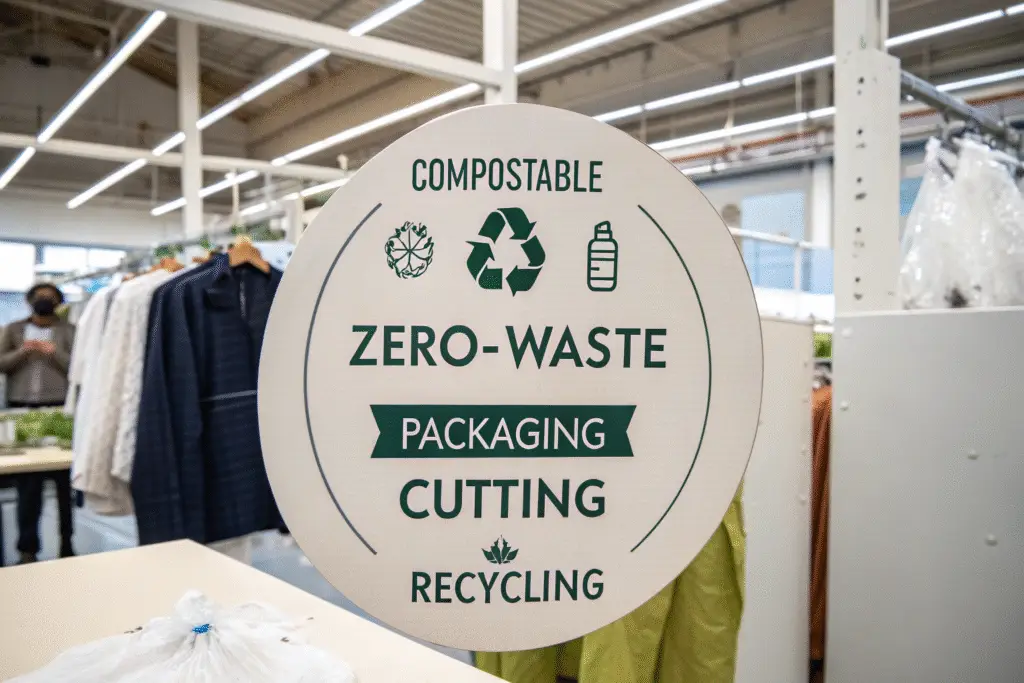
How Do Brands Apply Circular Design?
The Ellen MacArthur Foundation promotes circular economy models. Some brands are doing garment-to-garment recycling; others build modular clothes for easier reuse. Circularity, once theory, is fast becoming practice.
What About Packaging and Logistics?
Waste doesn’t stop at the garment. Compostable mailers, biodegradable hang tags, and even DDP logistics with carbon offsets matter. Providers like Noissue offer eco-friendly packaging that supports these systems. To be honest, it’s the full chain that counts.
Conclusion
So what are the top trends in biodegradable activewear? Plant-based fabrics, algae innovations, bio-based stretch, chemical-free finishing, and circular design—together, they’re reshaping the market. Actually, it’s not only about fashion; it’s about responsibility. And, personally I think, it’s also about survival in a more regulated and more eco-conscious world.
At Shanghai Fumao Clothing, we are already integrating biodegradable fabrics and sustainable processes into our apparel production. If you want your brand to move forward with eco-friendly activewear, contact our Business Director Elaine at elaine@fumaoclothing.com.