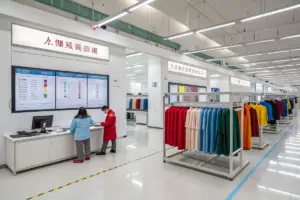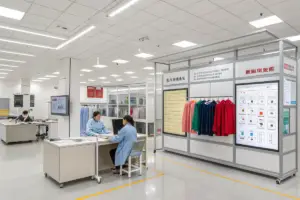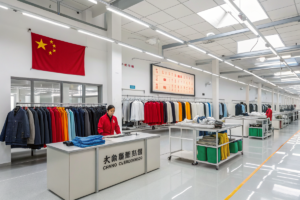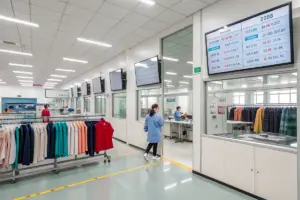
In today’s apparel industry, even a small sewing flaw or a faint dye inconsistency can quickly turn into a major problem. A single defective batch can lead to thousands of dollars in returns, cancelled contracts, and the erosion of years of brand credibility. Manual inspection teams, while essential, often struggle with fatigue, distractions, or inconsistent standards—especially during peak production seasons when output reaches tens of thousands of garments per day. For global buyers who demand precision and timely delivery, this inconsistency creates constant risk and stress.
AI-powered defect detection offers real-time, automated quality control that reduces human error, maintains consistency across every batch, and dramatically improves speed. By combining high-resolution cameras with machine learning algorithms, these systems can detect stitching errors, fabric flaws, and size irregularities in seconds—far faster than traditional manual checks.
When factories transition from manual to AI-driven inspection, they gain more than just accuracy. They achieve transparency in their processes, measurable improvements in efficiency, and stronger trust from clients in competitive markets like the U.S. and Europe. This shift represents not just an operational upgrade, but a strategic advantage for manufacturers seeking long-term partnerships.
How Does AI Defect Detection Work in Apparel Production?
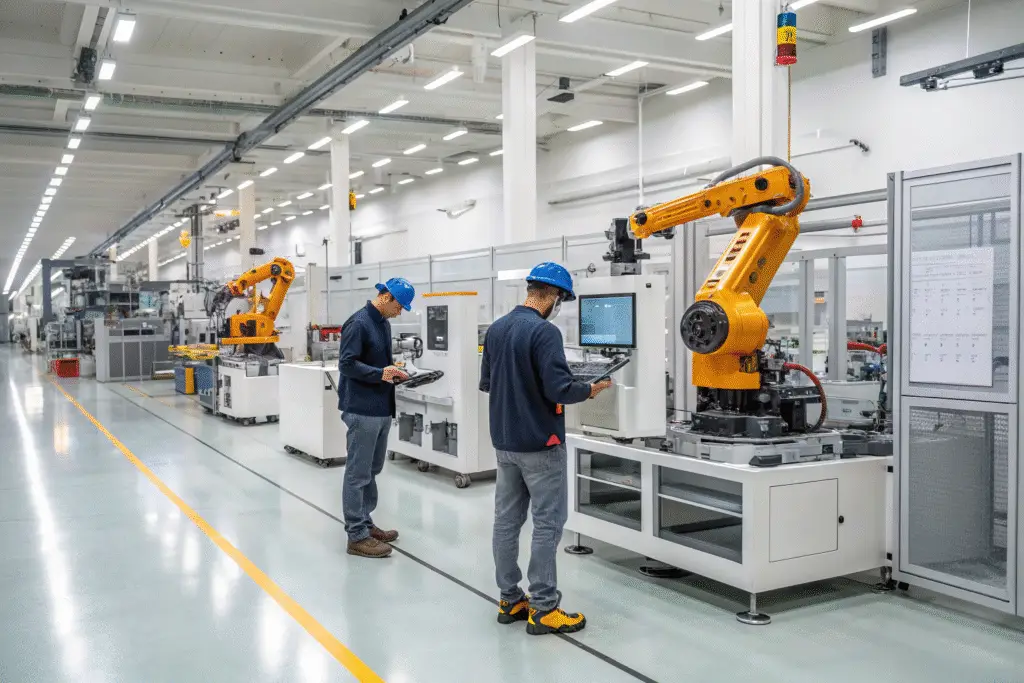
AI defect detection integrates advanced cameras, IoT sensors, and machine learning models into the production line. These systems are fed with thousands of images of both flawless and defective garments. Over time, the algorithms learn to recognize patterns and detect irregularities that are invisible to the human eye.
In practical terms, AI can spot fabric snags as small as 0.1 millimeters, misaligned embroidery, or faint color deviations in dyed fabrics—all within seconds, ensuring production issues are caught before garments move to packaging.
Can AI detect defects better than human inspectors?
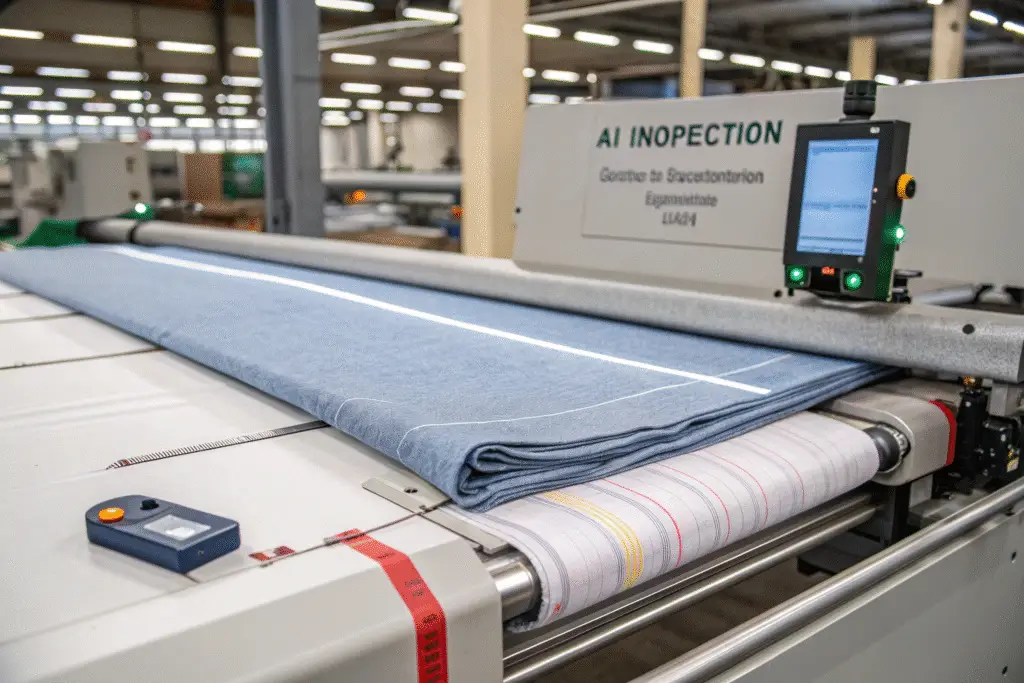
Yes. Studies show that human inspectors, especially after two to three hours of repetitive checking, can miss up to 30% of subtle defects. In contrast, AI systems operate continuously without fatigue and maintain detection accuracy rates above 90%. For example, IBM’s computer vision technology has been implemented in industries like automotive and textiles, showing consistent precision across millions of data points. In apparel production, this means a roll of fabric spanning hundreds of meters can be inspected without breaks, reducing the chances of flawed material slipping into finished garments.
What role does machine learning play in defect detection?
Machine learning allows AI systems to evolve and adapt. Every time an inspector validates or rejects an AI detection, the system becomes smarter. For instance, a McKinsey report on AI in manufacturing highlights that factories using adaptive AI reduced overall defect rates by up to 50%. Over months, the AI can build a “knowledge base” of new defect types—such as uneven stitching caused by a specific machine setting—something human inspectors might overlook until too late.
What Are the Main Benefits of AI Quality Control?
The benefits of AI defect detection go beyond accuracy and consistency. They directly impact efficiency, financial savings, and the overall brand image in the eyes of consumers and buyers.
AI-powered quality control reduces inspection time by as much as 70%, cuts labor costs, and creates detailed digital records that can be shared with clients as proof of consistent quality.
How does AI improve efficiency in production lines?
AI systems inspect garments in real time, meaning that while one piece is being sewn, another is already being scanned for defects. This seamless process prevents bottlenecks that slow down shipments. For instance, Siemens’ industrial AI solutions have demonstrated up to 30% reductions in production downtime. In a mid-sized apparel factory producing 50,000 units monthly, such efficiency gains can result in shipping an additional 15,000 defect-free pieces per season.
Can AI quality control reduce costs for apparel brands?
Yes, and the savings can be substantial. By identifying defects early, AI prevents waste from escalating. For example, catching a fabric flaw before cutting can save an entire roll of fabric, worth thousands of dollars. Deloitte’s manufacturing insights show that early defect detection improves first-pass yield—a critical metric that measures how many products pass inspection the first time—by up to 25%. For apparel exporters, this translates into fewer costly returns, lower rework expenses, and stronger trust with wholesale buyers.
Is AI Inspection Scalable for Different Apparel Categories?
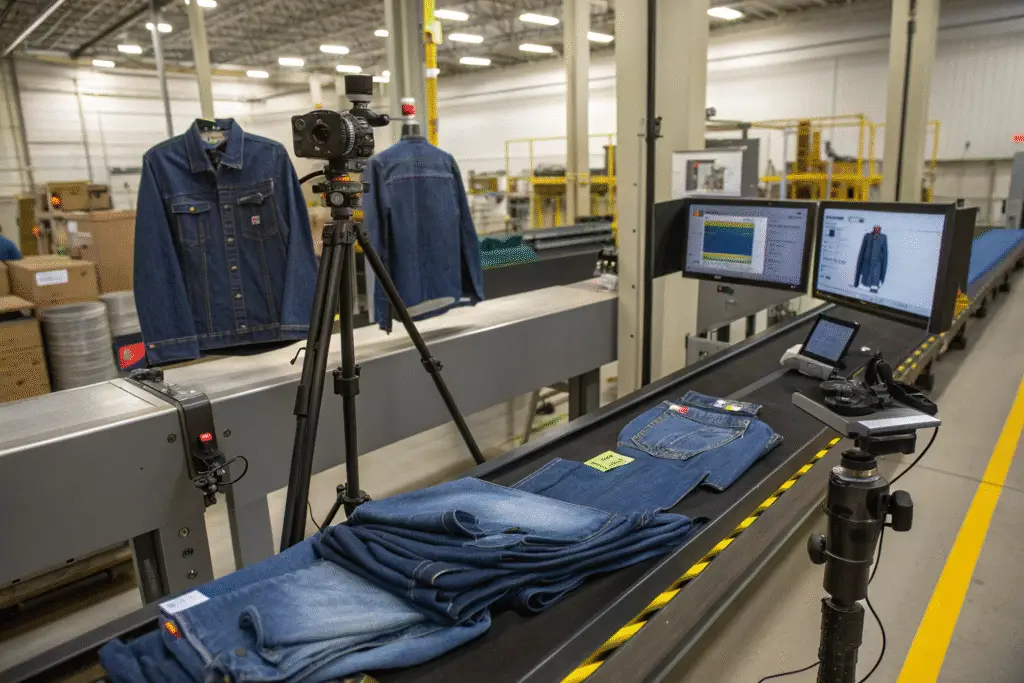
AI-powered inspection systems are highly versatile and can be customized for different garment types, from delicate newborn wear to complex technical outerwear. This flexibility makes them an excellent investment for factories serving multiple markets.
Scalability is one of AI’s biggest strengths—it can switch from inspecting lightweight knitwear in the morning to heavy denim jackets in the afternoon without retraining an entire human team.
Can AI handle delicate fabrics and detailed designs?
Yes. AI cameras with ultra-high resolution can detect minute issues like misaligned lace trims or uneven satin weaves. In factories that produce premium garments, even a 1mm shift in embroidery alignment can be unacceptable. Companies like Cognex provide machine vision tools capable of distinguishing between intentional fabric variations (like slubs in linen) and actual defects. This precision ensures luxury buyers receive the flawless finishes they expect.
How does AI adapt to seasonal or custom collections?
AI can be reprogrammed with new datasets within days. For example, if a brand introduces a new spring collection with floral prints, the system can be trained to spot pattern misalignments unique to that design. This is crucial in fast fashion cycles where styles change every 4–6 weeks. Textile World notes that adaptive AI has allowed manufacturers to deliver rapid seasonal shifts without sacrificing quality, helping them meet the strict timelines of global retailers.
What Challenges Come with AI Quality Control?
While AI adoption offers clear benefits, it also requires careful planning. Costs, workforce adaptation, and system integration are common challenges.
Factories that address these issues early—through phased adoption, training programs, and ROI calculations—are more likely to succeed with AI-driven quality control.
Is AI too expensive for medium-sized factories?
Initial investments can be significant, often ranging from $50,000 for basic vision systems to $250,000 for advanced multi-line AI integration. For many medium-sized factories, this seems daunting. However, PwC’s Industry 4.0 research shows that 55% of manufacturers adopting AI saw profit improvements within two years, largely due to savings from reduced waste and fewer returns. For a factory shipping $5 million worth of goods annually, a 2% reduction in returns alone could cover the system’s cost within 18 months.
How can factories integrate AI without disrupting production?
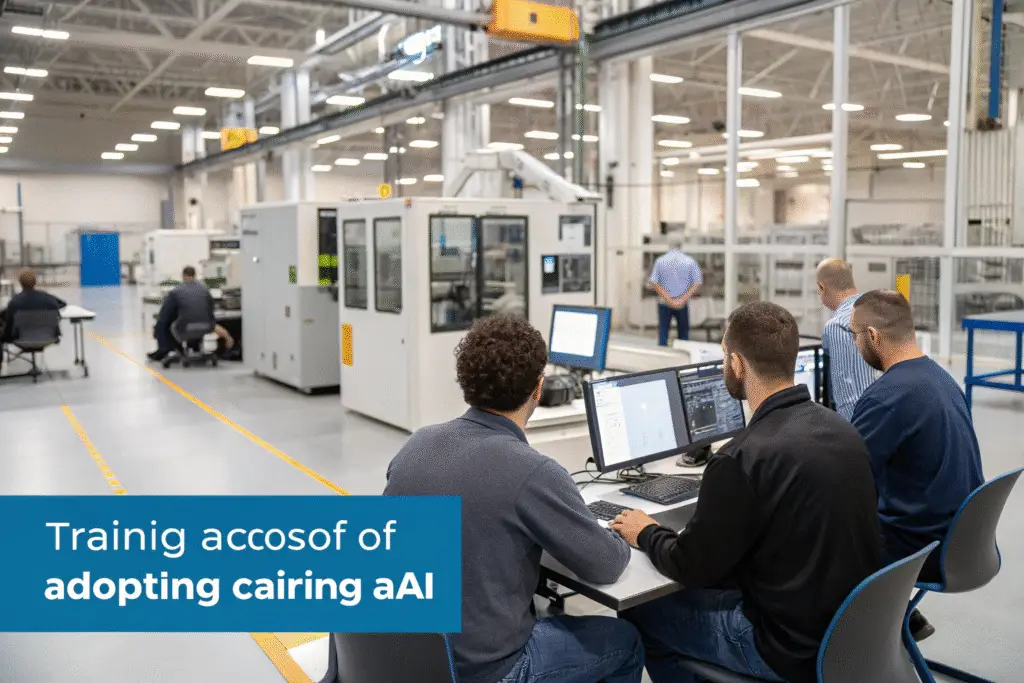
The best approach is gradual adoption. A factory may first implement AI inspection on high-value product lines, such as premium jackets, while maintaining manual checks on basics like T-shirts. This phased rollout allows staff to adjust. Employee training is also vital. The World Economic Forum stresses that digital adoption succeeds when workers are upskilled to interpret AI-generated reports and troubleshoot systems. Factories that combine AI adoption with training often see smoother transitions and higher acceptance from staff.
Conclusion
AI-powered defect detection is no longer a futuristic concept—it is a proven solution that leading manufacturers are adopting today. By providing unmatched precision, speed, and scalability, it reduces defect rates, improves profitability, and strengthens trust with international buyers. While the initial costs and training requirements are real, the return on investment and competitive edge are undeniable.
For apparel brands and sourcing managers, choosing AI quality control means partnering with suppliers who can consistently deliver defect-free garments, even at scale. At Shanghai Fumao Clothing, we are committed to integrating advanced AI-driven inspection systems into our production lines. This ensures our partners receive garments that meet the highest global standards. To explore how AI-powered quality assurance can benefit your next collection, contact our Business Director, Elaine, at elaine@fumaoclothing.com.