
When apparel companies grow beyond a certain size, managing production, sourcing, and distribution with spreadsheets or basic software becomes a bottleneck. Missed deadlines, rising inventory costs, and lack of real-time visibility often prevent businesses from scaling. These problems are especially serious in the apparel industry where style changes fast, seasons are short, and customers expect quick delivery.
The top ERP systems built for apparel manufacturing help solve these challenges by integrating production, inventory, supply chain, and sales into one platform. They not only streamline operations but also provide real-time insights that improve decision-making. For U.S. apparel companies sourcing from China, Vietnam, or India, the right ERP can mean the difference between hitting the selling season or missing it completely.
This article explores the five most trusted ERP systems for apparel manufacturing—Infor CloudSuite Fashion, BlueCherry, Aptean, Uphance, and MRPeasy—by breaking down their unique strengths and giving practical examples of how brands use them.
Infor CloudSuite Fashion for Global Apparel
Infor CloudSuite Fashion is widely recognized as one of the most advanced ERP systems for large apparel manufacturers and global brands. It is designed to handle complex product life cycles, multiple sourcing regions, and rapid fashion changes.
Infor CloudSuite Fashion is trusted by brands like Adidas and PVH Corp because it provides supply chain transparency, digital product lifecycle management, and scalable production planning. Its modules help brands reduce development times by integrating 3D design tools, sourcing management, and global logistics.
Infor helps companies manage supplier compliance across Asia, track raw materials, and avoid costly delays. For instance, one sportswear brand reported that it reduced its lead time by 20% by using Infor’s real-time vendor tracking and digital approvals.

How Does Infor Improve Supply Chain Visibility?
Infor CloudSuite Fashion allows apparel companies to track each supplier in the chain, from fabric mills in China to cut-and-sew factories in Vietnam. It provides dashboards that highlight delays, bottlenecks, or compliance issues before they cause shipment disruptions. With these insights, brands can act quickly to reallocate resources. For example, companies adopting 3D product design integrated with Infor shorten sample approval from weeks to days. Also, integration with Sustainable Apparel Coalition standards helps brands ensure ethical sourcing.
Why Is Infor Best for Large Global Brands?
Infor’s strength lies in scalability. Unlike smaller ERPs, it can handle thousands of SKUs across multiple regions. Global retailers like Macy’s benefit from its ability to synchronize production schedules with retail demand, reducing overstocking and markdown losses. This makes it especially valuable for enterprises managing multiple fashion categories and geographies.
BlueCherry ERP for Apparel Forecasting
BlueCherry ERP by CGS is considered the best all-around ERP solution for apparel forecasting, demand planning, and SKU management. Unlike generic ERP systems, it was designed specifically for the fashion industry.
BlueCherry helps wholesalers, distributors, and mid-to-large apparel companies manage thousands of style, size, and color combinations while keeping inventory accurate and sales aligned with production.
It includes modules for product lifecycle management, supply chain tracking, and advanced analytics. Denim and sportswear brands often rely on BlueCherry to align retail sales data with production runs, helping them adjust in real time to changing consumer demand.
How Does BlueCherry Handle Complex SKUs?
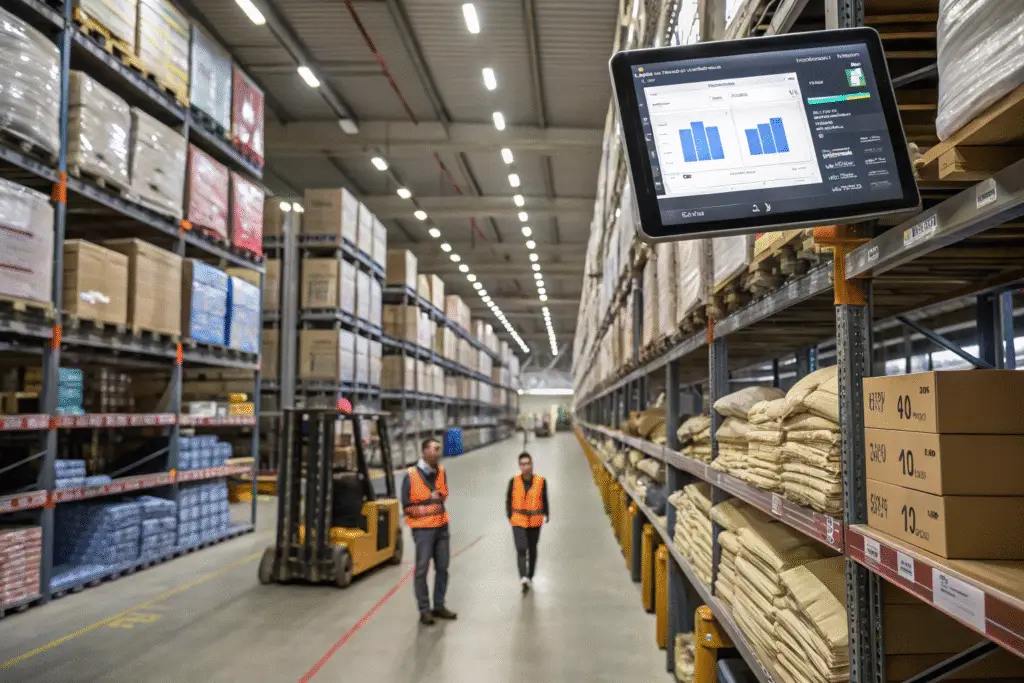
BlueCherry manages extensive style libraries with ease. For example, a U.S. denim brand uses it to synchronize POS (point-of-sale) data with production. If jeans in sizes 32 and 34 sell faster, the ERP adjusts forecasts automatically. Integration with Retail Pro POS ensures data flows directly from stores to manufacturers. BlueCherry’s advanced SKU system helps prevent overproduction, cutting carrying costs by up to 15%.
Why Is BlueCherry Ideal for Wholesalers?
BlueCherry shines when it comes to wholesale distribution. Its EDI (Electronic Data Interchange) integration enables apparel suppliers to share shipping notices and invoices with large retailers like Walmart. This reduces compliance issues and improves on-time delivery performance. For wholesalers juggling multiple buyers, this automation removes manual paperwork and accelerates payment cycles.
Aptean Apparel ERP for Omnichannel Retail
Aptean’s ERP systems, including its Full Circle and RLM editions, are purpose-built for apparel businesses operating across wholesale, retail, and e-commerce.
Aptean Apparel ERP enables companies to track raw materials, manage production at overseas factories, and deliver goods seamlessly to retailers, online stores, and end customers.
It is popular with brands supplying to major department stores in the U.S., as it simplifies compliance with retailer requirements, from EDI documentation to vendor scorecards.
How Does Aptean Support Omnichannel Fulfillment?
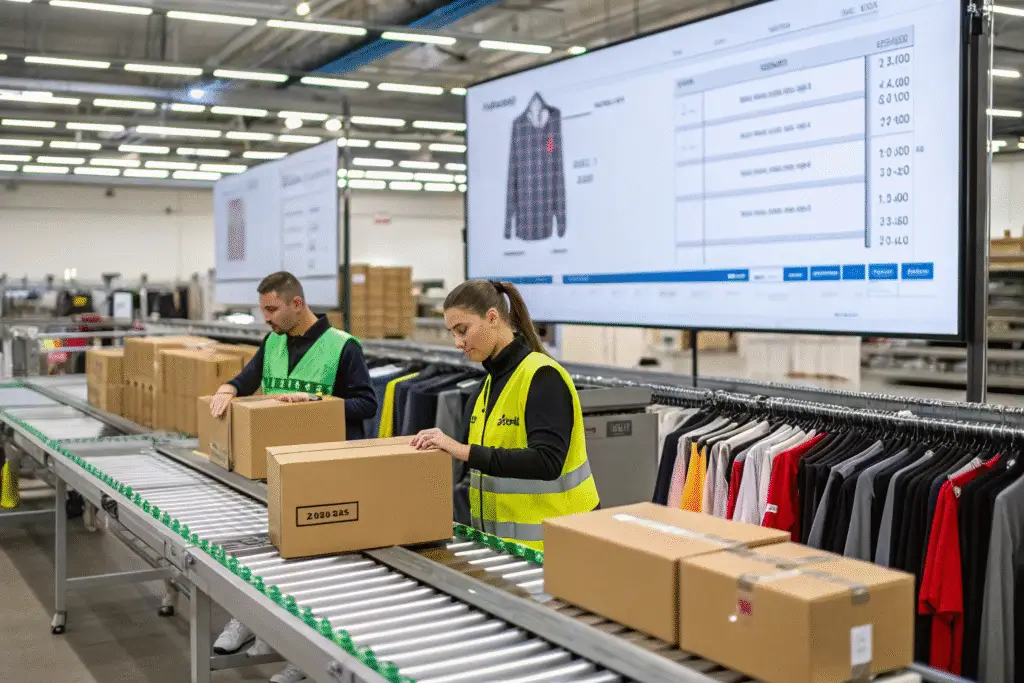
Aptean allows apparel brands to manage B2B wholesale orders, direct-to-consumer shipments, and retail replenishment in one system. A U.S. outerwear brand using Aptean RLM can send bulk orders to Nordstrom while simultaneously shipping individual orders through Shopify. This reduces system duplication and streamlines inventory allocation.
Why Is Aptean Strong in EDI Compliance?
Many large retailers, such as Target, require suppliers to send documents electronically in exact formats. Aptean’s built-in EDI support ensures compliance, minimizing chargebacks or penalties. By automating invoicing and shipping notices, apparel brands can avoid delays and maintain good relationships with retail partners.
Uphance ERP for Growing Apparel Brands
Uphance is a modern, cloud-based ERP built for small and growing apparel companies that want an affordable yet powerful solution. It is favored by independent labels and startups for its simplicity and scalability.
Uphance combines production management, inventory control, order tracking, and B2B e-commerce in one intuitive platform.
It is especially useful for streetwear and boutique brands managing small teams and frequent product launches.

How Does Uphance Help With Limited Edition Drops?
Streetwear brands often release products in small runs that sell out quickly. Uphance syncs inventory across Shopify, Amazon, and wholesale accounts, preventing overselling. For example, a Los Angeles streetwear brand reduced customer complaints by using Uphance to automate inventory visibility, making sure only available stock is shown to buyers.
Why Do Startups Prefer Uphance?
Unlike large ERP systems, Uphance is easy to set up and does not require dedicated IT staff. Its visual dashboards provide clear insights into cash flow, sales trends, and production progress. Integration with QuickBooks allows finance tracking without leaving the platform. For startups with fewer resources, this simplicity speeds up decision-making.
MRPeasy ERP for Variant Management
MRPeasy is a cost-effective ERP designed for small to mid-sized apparel companies that need robust features without enterprise-level costs. It is particularly effective at managing apparel variants such as sizes and colors.
MRPeasy helps companies streamline purchasing, production scheduling, and warehouse management while integrating smoothly with e-commerce and accounting systems.
It is popular among yoga wear, sportswear, and casual apparel brands with revenues under $50M.

How Does MRPeasy Handle Size and Color Variants?
MRPeasy makes it simple to manage SKUs across different product variants. A yoga apparel brand in Florida uses it to manage fabric cutting, track production runs, and organize warehouses. By integrating with WooCommerce, it ensures online stores reflect accurate inventory levels. This automation reduced their production lead times by 25%.
Why Is MRPeasy a Cost-Effective Choice?
Unlike Infor or BlueCherry, MRPeasy has lower licensing costs, making it accessible for smaller apparel businesses. It integrates with Xero and QuickBooks for financial management, reducing the need for extra software. For companies producing under 100,000 units annually, MRPeasy delivers enterprise-grade features without the price tag.
Conclusion
The top 5 ERP systems for apparel manufacturing—Infor CloudSuite Fashion, BlueCherry, Aptean, Uphance, and MRPeasy—cover the full spectrum of business needs, from global brands managing thousands of SKUs to small startups balancing limited edition drops.
- Infor is the best choice for large enterprises with complex supply chains.
- BlueCherry excels in forecasting and SKU-heavy operations.
- Aptean shines in omnichannel fulfillment and EDI compliance.
- Uphance gives startups and small brands an easy-to-use all-in-one platform.
- MRPeasy balances affordability with powerful features for variant-heavy products.
Every apparel business faces the same challenge: staying on trend while controlling costs and meeting deadlines. The right ERP system not only solves today’s operational problems but also builds a foundation for scaling tomorrow.
If you are ready to bring your apparel business to the next level, our team at Shanghai Fumao Clothing can support you with custom apparel production and ERP-integrated manufacturing. Contact our Business Director, Elaine, at elaine@fumaoclothing.com to explore how we can collaborate on your next collection.