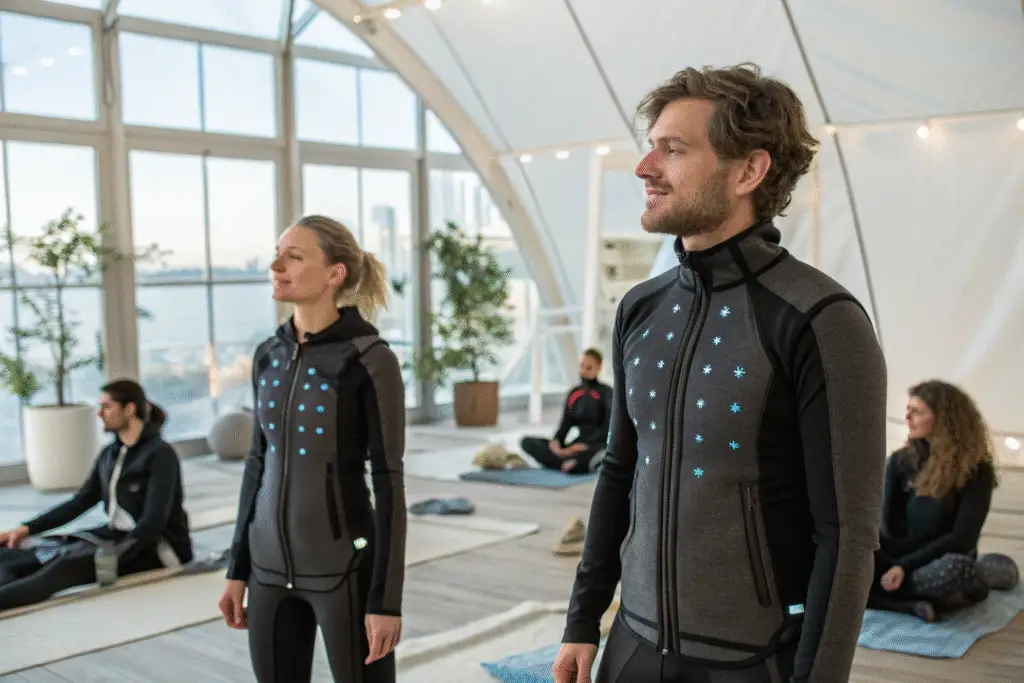
The fashion and wellness industries are moving through one of the fastest waves of transformation in recent decades, with technology playing a defining role. In the past, fabrics were judged only on style, texture, and comfort. Today, buyers—especially in North America and Europe—are demanding more. They want apparel that not only looks attractive but also adds measurable value to their health and lifestyle. That is why emotion-sensing fabrics are gaining attention. These textiles, embedded with soft micro-sensors, are capable of monitoring stress levels, mood fluctuations, and relaxation progress.
These innovative fabrics enable wellness brands to move beyond simple design and comfort, creating apparel that helps the wearer achieve better emotional balance and mental clarity. In practice, this means a yoga outfit could track heart rate variability during meditation, or a pair of lounge pants could give data-driven feedback about daily stress.
I have observed from industry exhibitions in Shanghai and Las Vegas that many leading wellness brands are beginning to explore these technologies. They see a strong consumer trend: shoppers want garments that are multifunctional, blending aesthetics with health-driven features. If we understand and adopt this innovation early, we can establish our brands as leaders in wellness apparel rather than followers.
How Do Emotion-Sensing Fabrics Work?
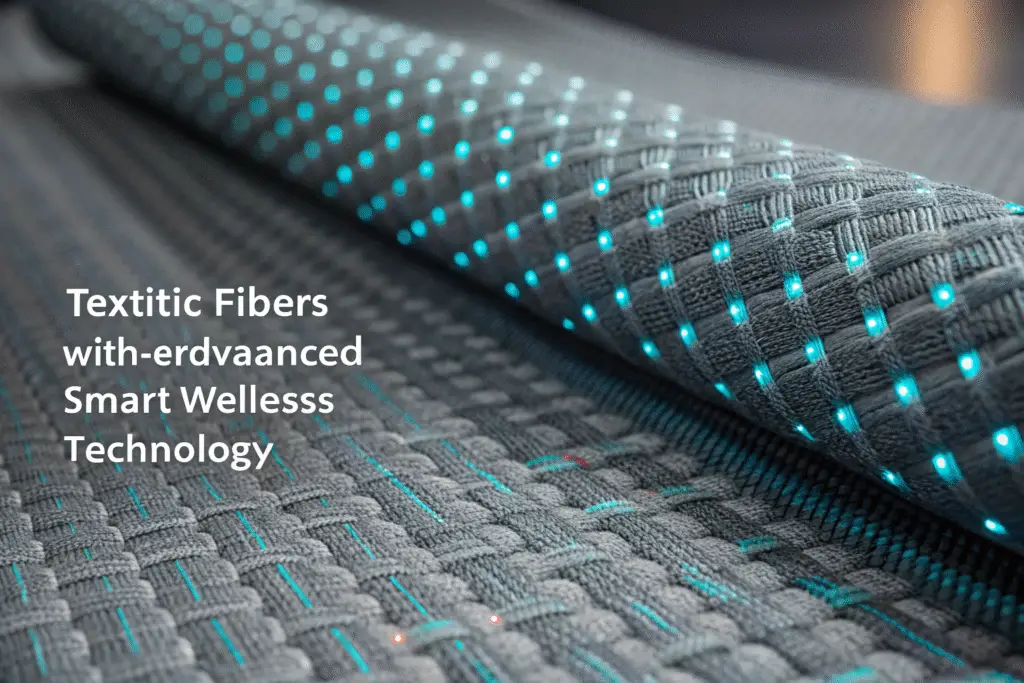
Emotion-sensing fabrics operate on a combination of biotechnology and smart materials. They are designed with flexible biosensors woven into fibers that can capture physiological signals from the human body. These signals include heart rate variability (HRV), electrodermal activity (skin conductance), skin temperature, and even micro-sweat changes that occur when a person is stressed. Each of these data points correlates with emotional states, creating a real-time picture of how the wearer is feeling.
In other words, the fabric acts like a second skin. It is constantly reading subtle cues from the body and converting them into actionable feedback.
For example, if someone’s HRV drops significantly, the system can indicate high stress levels. A connected app can then suggest breathing exercises, stretching routines, or even recommend that the user take a short walk. This level of integration is what makes these fabrics so powerful in the wellness industry.
Can They Really Detect Stress Levels?
Yes, emotion-sensing fabrics can detect stress with a surprising degree of accuracy. By combining data points like heart rate variability and electrodermal activity, the system can recognize when the sympathetic nervous system is activated, which is often linked with stress or anxiety. Research published in Frontiers in Physiology confirms that HRV is a strong marker for emotional stress. Imagine wearing a meditation hoodie that quietly alerts you when your stress level spikes, helping you refocus before it becomes overwhelming.
Are They Comfortable to Wear?
One of the earliest concerns about smart textiles was comfort. No one wanted to wear stiff clothing filled with wires. Modern manufacturers solve this problem by using conductive yarns and stretchable polymers. These materials keep the garment breathable, flexible, and lightweight. A practical example comes from sportswear companies that now produce running shirts with integrated ECG sensors, which feel no different from normal polyester blends. This proves wellness lines can adopt the technology without compromising softness or wearability.
Why Wellness Brands Should Invest in These Fabrics?
Wellness brands face fierce competition, especially as fitness and lifestyle markets grow. Customers today compare dozens of options before making a purchase. They look for products that not only satisfy immediate needs but also offer long-term benefits. Emotion-sensing fabrics provide this exact differentiation.
By integrating these fabrics, wellness brands can position themselves as leaders of innovation, appealing to consumers who want apparel that enhances physical relaxation, emotional well-being, and mental clarity.
This is not only about offering an extra feature; it is about building a relationship of trust. When customers see a brand actively supporting their health, they are more likely to remain loyal and even advocate for the brand in their social circles.
Do They Add Value to Yoga and Meditation Lines?
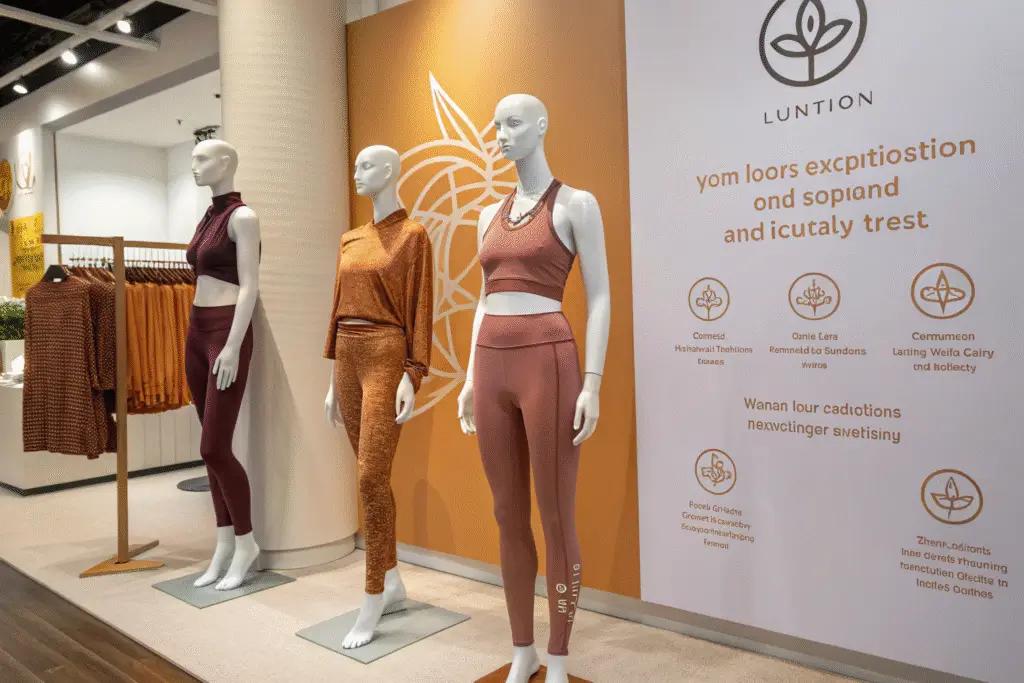
The value is significant. Imagine a yoga line where leggings monitor micro-movements and stress indicators, then give feedback about how the body responds during meditation. Wearable biofeedback studies have shown that this type of feedback improves relaxation outcomes by as much as 20%. A yoga studio could adopt this apparel for classes, making each session measurable and more effective.
Are Customers Willing to Pay More?
Yes, the market data is very clear. According to Grand View Research, the smart textile industry is projected to grow at a CAGR of 28.4% through 2030. This is driven largely by consumer willingness to pay premium prices for garments that integrate health benefits. For example, some bio-sensing shirts already retail for 2–3 times the price of regular sportswear. Wellness brands can confidently adopt a premium pricing strategy for these garments.
What Are the Challenges of Using Smart Fabrics?
As with every new technology, emotion-sensing fabrics come with challenges. Brands must consider not just the marketing appeal, but also the technical, economic, and ethical aspects of production.
The biggest challenges include ensuring durability after repeated washes, achieving consistent accuracy in data capture, and managing the higher costs of integrating sensors at scale.
Despite these hurdles, progress is rapid. Companies are investing heavily in R&D, which is lowering costs and improving performance every year.
How Durable Are These Fabrics After Washing?
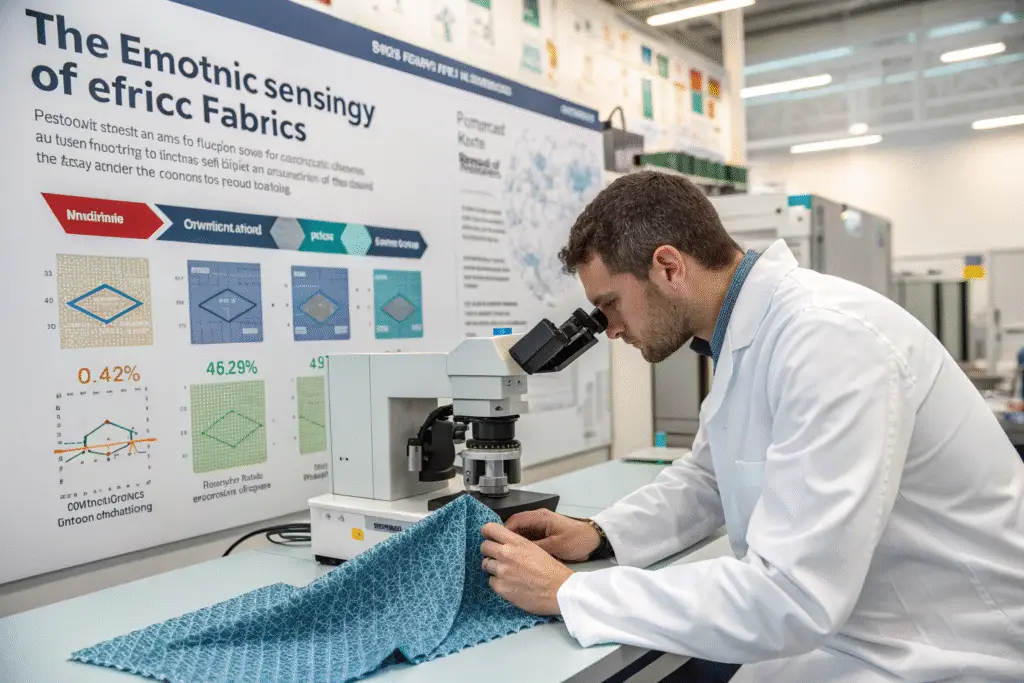
Durability is often the first question from buyers. Traditional sensors could fail after just five washes, but modern techniques have improved this drastically. For example, some manufacturers use nano-coatings to protect sensors from water and friction. Tests now show that advanced designs can survive over 30–50 wash cycles without performance loss, making them practical for daily wear.
Is Data Privacy a Concern?
Yes, and this cannot be ignored. Because these fabrics collect sensitive emotional data, regulations such as the GDPR are directly relevant. Brands must ensure secure encryption of data, transparent user consent, and clear explanations of how the information will be used. A failure here could damage customer trust permanently. On the positive side, brands that prioritize privacy can use this as a competitive advantage, promoting themselves as both innovative and ethical.
How Can Apparel Manufacturers Support Brands?
From my perspective as a clothing manufacturer, I see the growing demand for emotion-sensing fabrics as both a challenge and an opportunity. While the technology is advanced, what brands need most is a reliable partner who can transform these ideas into commercial products at scale.
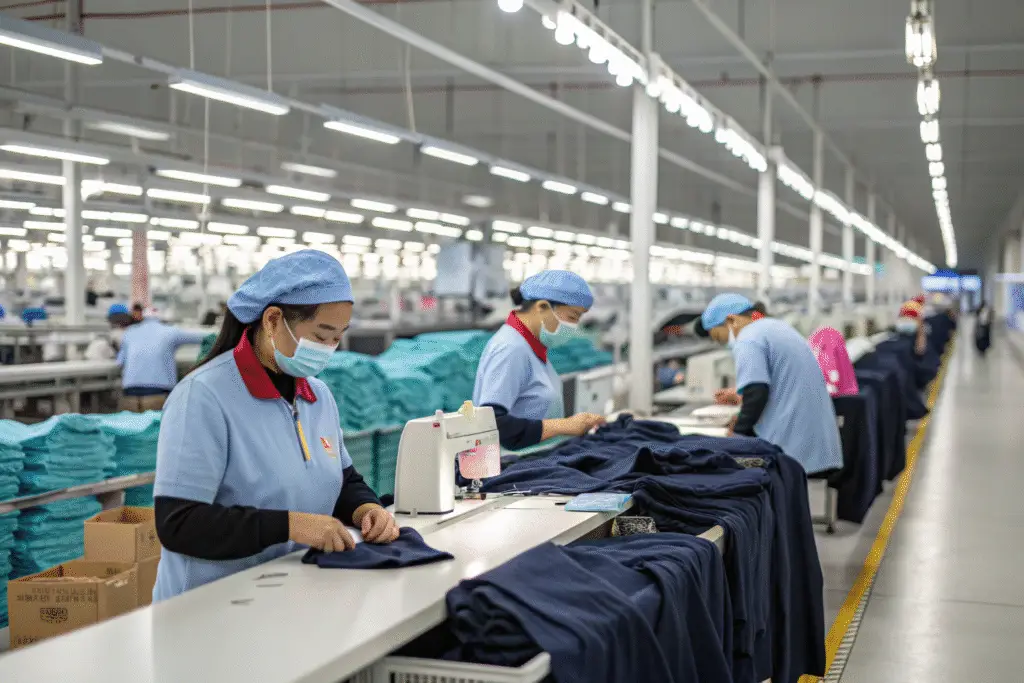
Factories like ours bridge the gap between high-tech textile development and the global wellness apparel market. We provide sourcing, technical integration, customization, and large-scale production under strict quality standards.
What Kind of Customization Is Possible?
Customization is the key advantage for wellness brands. Using advanced sourcing channels, we can integrate custom apparel designs with sensor-enabled textiles. For example, a meditation brand may want soft pastel colors with embroidered logos, while a sportswear brand might need compression fits with reflective strips. All these options are possible while embedding the sensors seamlessly.
How Do Manufacturers Ensure Quality?
Quality assurance is critical. We apply international ISO 9001 quality management standards throughout production. Every garment is tested for fabric integrity, comfort, and accuracy of data transmission. For example, garments are put through stress tests involving repeated stretching, washing, and signal calibration to ensure performance. This rigorous process reduces the risks that wellness brands face when adopting new technologies, giving them confidence in their final products.
Conclusion
Emotion-sensing fabrics are no longer a futuristic dream. They are here today, already tested in labs, used in pilot wellness products, and accepted by consumers who want more from their apparel. These smart textiles create a direct link between fashion and well-being, offering measurable benefits that extend beyond appearance.
For wellness brands, this is an opportunity to stand out in a crowded market. Early adopters will capture consumer attention, build stronger loyalty, and create premium product lines that competitors cannot easily replicate.
If you are ready to explore emotion-sensing fabrics for your next wellness apparel line, we at Shanghai Fumao Clothing are here to partner with you. You can contact our Business Director Elaine at elaine@fumaoclothing.com to discuss your project. Together, we can create garments that combine wellness, technology, and fashion—helping your brand succeed in the next wave of apparel innovation.