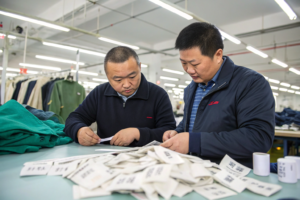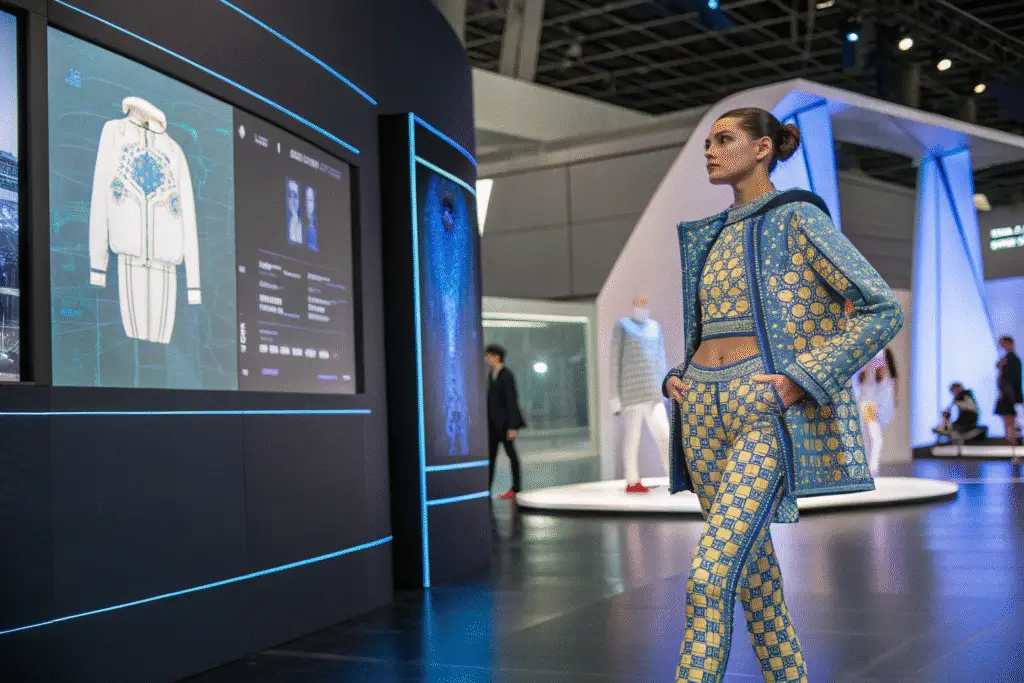
Fashion has always evolved alongside culture and technology. Today, the metaverse is shaping the way people interact with fashion both digitally and physically. Many U.S. and European buyers are asking: why should virtual clothing affect real-world garment production?
Metaverse fashion is changing how garments are designed, marketed, and manufactured. It affects consumer expectations, accelerates design processes, and creates new business models that directly impact physical supply chains.
As both a manufacturer and exporter, I see daily how digital fashion is no longer separate from physical apparel. Instead, it drives real-world production by shaping trends, improving prototyping, and influencing consumer demand.
What Is Metaverse Fashion And Why Does It Matter?
Some assume the metaverse is only about gaming or entertainment. However, for fashion, it represents a digital ecosystem where consumers explore identity and brands test creativity.
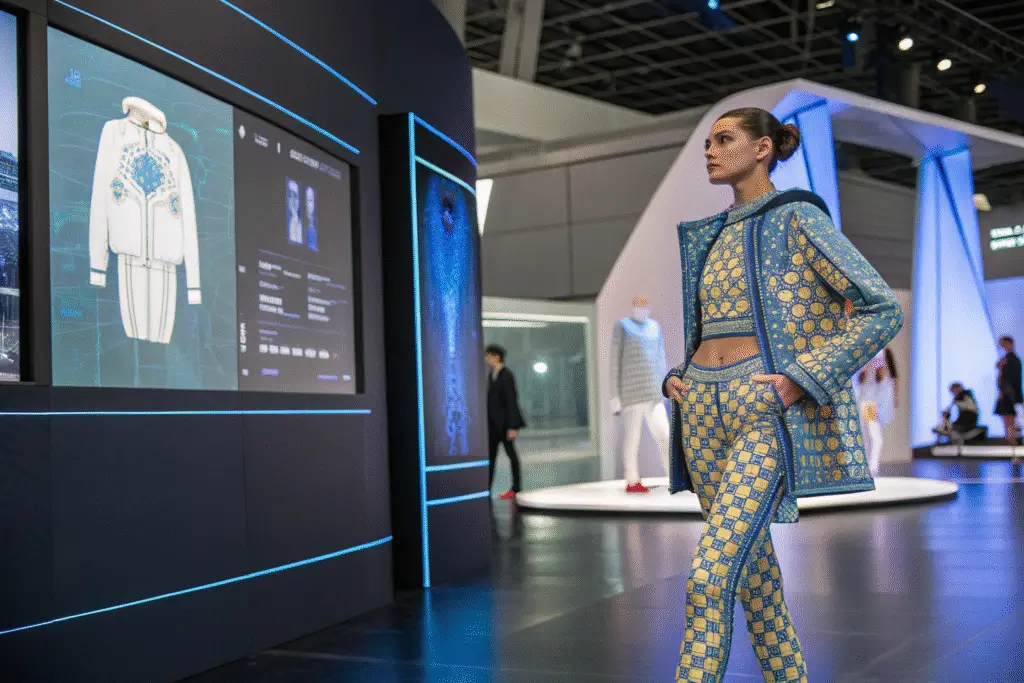
Metaverse fashion refers to clothing designed for virtual spaces—worn by avatars in VR platforms or through AR filters. Even though garments are virtual, they influence physical trends because people often transfer digital preferences to real life.
How Does It Change Consumer Behavior?
When consumers buy digital outfits for avatars, they begin to value innovation and customization. Platforms like Roblox and Decentraland show how virtual fashion drops drive massive engagement. As a result, consumers expect similar creativity and personalization in physical clothing, forcing brands to adjust production.
Why Is It Important For Brands?
The metaverse allows brands to test new ideas safely. Therefore, bold colors, unusual silhouettes, and experimental textures can be trialed digitally before moving to real production. Reports from McKinsey & Company confirm that brands using virtual fashion reduce time-to-market and cut prototyping costs.
How Does Digital Design Influence Physical Manufacturing?
Traditional fashion design required multiple physical samples. In contrast, digital design lets brands visualize instantly and decide faster.
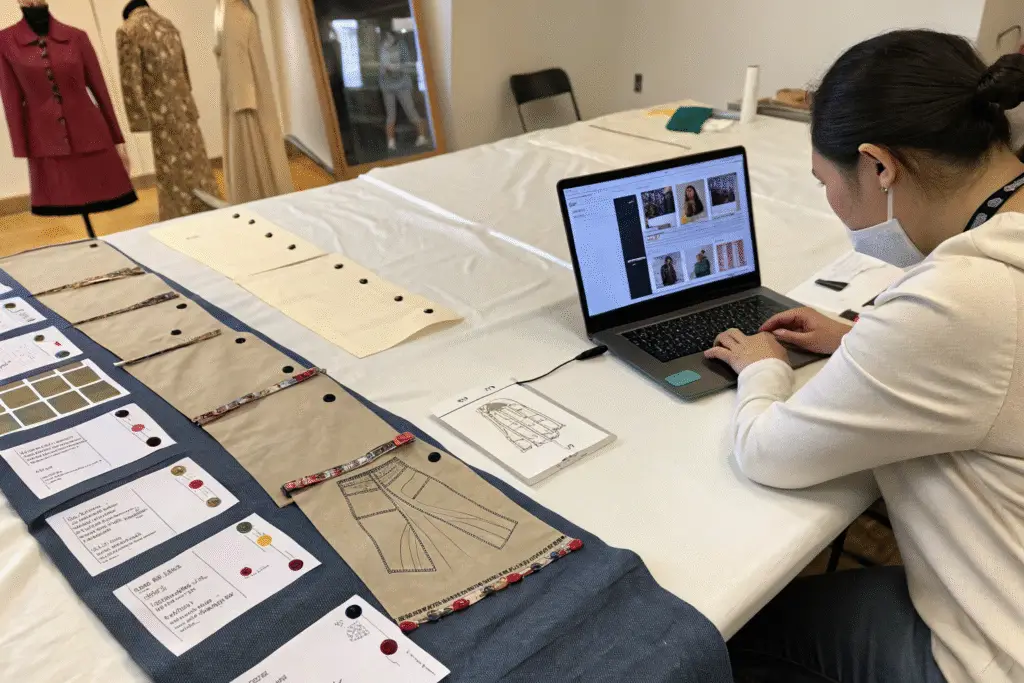
By applying 3D design tools and digital twin technology, metaverse designs can be translated directly into real-world patterns with minimal adjustment. This reduces waste and shortens production cycles.
What Role Does 3D Prototyping Play?
Software like CLO3D and Browzwear allows designers to simulate fabrics realistically. Consequently, brands can reduce physical samples by up to 50%, lowering costs and saving time. Manufacturers then refine patterns digitally before cutting fabric.
How Does This Improve Supply Chain Efficiency?
Sharing accurate 3D prototypes with factories reduces miscommunication. Therefore, fewer corrections are needed during production, which results in smoother logistics and on-time delivery. This is critical because delayed shipments often frustrate international buyers.
Why Does Metaverse Fashion Impact Trends In Physical Apparel?
Fashion trends once started on runways and filtered down. Now, many trends emerge in the metaverse, where young consumers experiment freely.
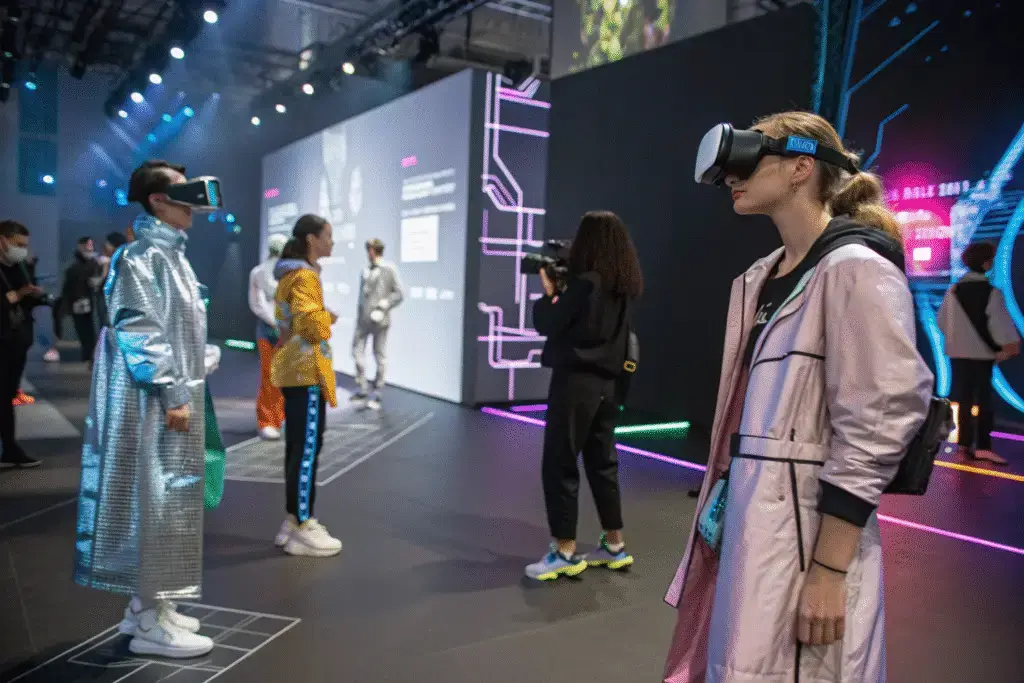
Virtual styles such as holographic effects, digital prints, and futuristic silhouettes often migrate into physical garments.
How Do Digital Trends Shape Real Demand?
Virtual platforms like Fortnite have proven that skins and digital outfits build strong communities. As a result, when a style becomes popular online, demand for its physical version rises. For instance, pixel-inspired prints and holographic jackets often appear in physical stores after gaining traction virtually.
What About Consumer Expectations?
Younger consumers—especially Gen Z—want novelty and constant updates. Therefore, physical fashion must match the speed of digital trends. Data from Statista shows that Gen Z often purchases clothing influenced by gaming and virtual aesthetics, proving the direct connection between digital and physical worlds.
How Can U.S. Buyers Source Metaverse-Inspired Apparel From China?
Many U.S. buyers want to test metaverse-inspired lines but fear unreliable suppliers. However, Chinese manufacturers with strong digital capabilities are bridging this gap.
Factories that integrate 3D design tools with production can quickly turn virtual concepts into real garments. This allows U.S. brands to keep pace with rapid digital trends.
What Should Buyers Look For In A Supplier?
Buyers should prioritize manufacturers with experience in 3D software and sample reduction. Certifications like ISO 9001 also confirm quality control. Consequently, brands avoid delays from misinterpreting digital designs.
How Can Logistics Be Simplified?
Complex logistics often slow projects. Therefore, Delivered Duty Paid (DDP) services are essential. According to Alibaba.com, DDP simplifies customs clearance and ensures timely delivery. For U.S. buyers, working with Chinese suppliers offering DDP reduces risks and guarantees seasonal collections arrive on schedule.
Conclusion
The metaverse is not replacing physical fashion—it is reshaping it. From digital prototyping to new trend creation, it directly affects how garments are designed, manufactured, and delivered. As a result, physical production becomes faster, more efficient, and more responsive to consumer expectations.
For U.S. buyers, China provides a reliable sourcing base for metaverse-inspired apparel. At Fumao Clothing, we specialize in converting digital fashion concepts into scalable production.
If you are ready to launch metaverse-inspired apparel collections, contact our Business Director Elaine at elaine@fumaoclothing.com. Together, we can turn digital trends into physical garments that resonate with modern consumers.