The fashion industry is under increasing pressure to provide sustainable solutions. U.S. apparel buyers like Ron are constantly looking for fabrics that combine environmental responsibility, quality, and cost-effectiveness. However, many traditional eco-friendly fabrics do not fully address these needs, often leaving brands frustrated.
Fermented fabrics offer a new pathway by using biotechnology to create fibers from natural feedstocks. This innovation reduces dependence on petroleum-based synthetics, minimizes waste, and contributes to a circular economy. For brands that want to meet consumer expectations and stand out in competitive markets, fermented fabrics present a strong solution.
As this technology develops rapidly, more American and European brands are exploring fermented textiles. In this article, I will explain what fermented fabrics are, the benefits they bring, their cost considerations, and how U.S. buyers can source them reliably from China.
What Are Fermented Fabrics?
Many apparel buyers feel overwhelmed by new material terms. It is easy to confuse fermented fabrics with organic cotton or recycled polyester. This lack of clarity makes it hard for brands to explain value to their customers.
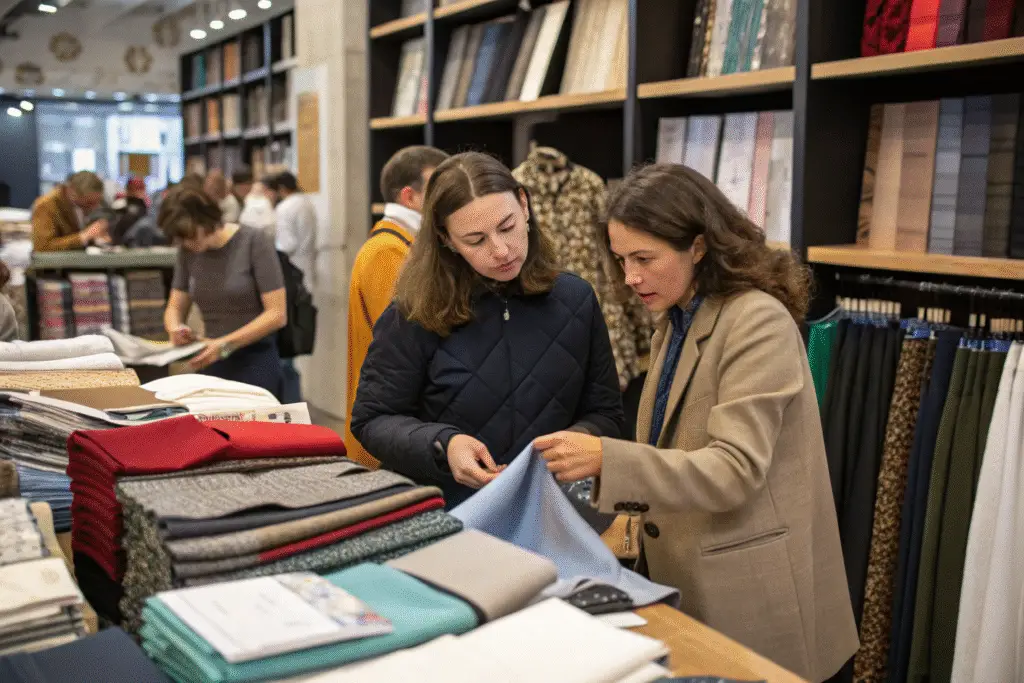
Fermented fabrics are bioengineered textiles created by microbes that transform sugars or plant waste into usable fibers such as protein-based silk alternatives or cellulose fibers. They combine the softness of natural textiles with the strength of modern biotechnology.
How Are They Made?
The process begins with natural feedstocks like corn sugar or agricultural by-products. Engineered microbes convert these into polymers, which are then spun into fibers. Companies such as Bolt Threads and Spiber lead this field, showing how science can replace petroleum and animal-based fibers. As a result, the production cycle shifts from resource-heavy farming or fossil extraction to renewable, efficient biotechnology.
Why Are They Different From Traditional Textiles?
The main difference lies in resource use and scalability. Polyester depends on fossil fuels, while silk requires silkworm farming. Fermented fabrics avoid both, using renewable raw materials and controlled lab environments. This makes them less vulnerable to weather or agricultural risks. In short, they combine sustainability with reliable supply, a major advantage for apparel brands.
What Are The Benefits Of Fermented Fabrics?
Buyers often face a trade-off: sustainable fabrics may have weaker performance, while high-performance fabrics are less eco-friendly. Fermented fabrics help bridge this gap.
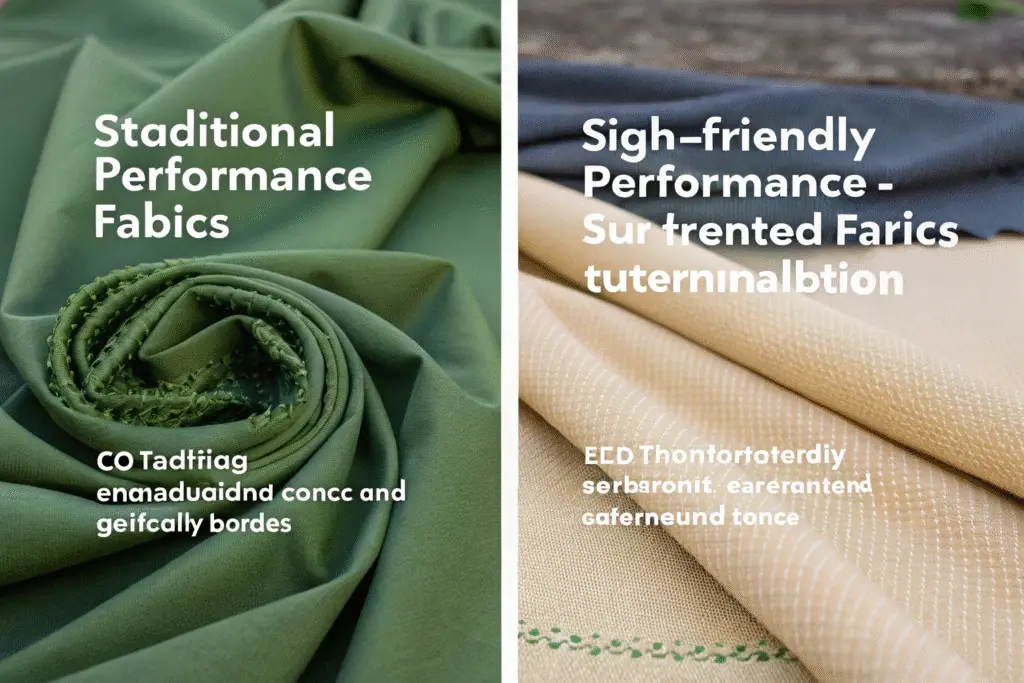
Their benefits include a lower environmental footprint, greater design flexibility, and more stable supply. These advantages directly address the pain points that buyers like Ron experience.
Do They Reduce Carbon Footprint?
Yes. Fermentation consumes less energy and emits fewer greenhouse gases compared with cotton or polyester production. According to Fashion for Good, these fibers significantly reduce emissions because microbes convert sugars into fibers more efficiently than traditional farming or petrochemical processes. This cause-effect link makes fermented fabrics essential for brands aiming to meet climate goals.
Can They Improve Supply Chain Efficiency?
They also strengthen supply chains. Traditional fibers depend on land, water, and weather, which makes them unpredictable. Fermented fabrics, produced in controlled facilities, offer consistent quality and year-round availability. Research from McKinsey & Company confirms that supply chain resilience is now critical for competitiveness, and fermented textiles provide exactly that stability.
Are Fermented Fabrics Cost-Effective For Brands?
For many buyers, cost is the decisive factor. Sustainable fabrics are appealing, but high prices can stop adoption. This is especially true for smaller brands with limited budgets.
Although fermented fabrics are not yet the cheapest, they provide strong long-term value. Their costs are falling as production scales up, while their durability and brand positioning benefits create real economic returns.
How Do Prices Compare To Conventional Fabrics?
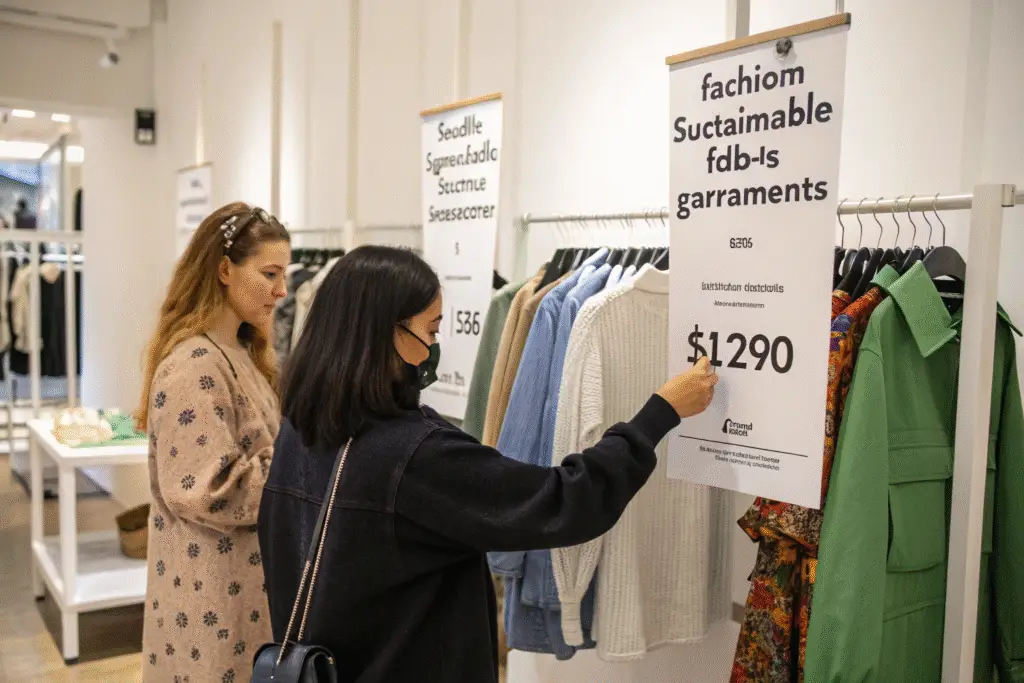
Currently, fermented fabrics cost more than polyester but are competitive with luxury fibers such as silk or merino wool. Reports from Textile World show that prices will drop further as more factories adopt large-scale fermentation. Sequentially, this means that early adopters gain brand advantage first, and later entrants will benefit from lower costs.
What About Long-Term Value?
The long-term value goes beyond price. These fabrics reduce waste, stabilize supply, and improve brand reputation. Research by Statista shows that more than 60% of U.S. consumers are willing to pay extra for sustainable products. This willingness creates a cause-effect cycle: brands that adopt fermented fabrics can raise prices slightly, which offsets material costs and increases profitability.
How Can U.S. Brands Source Fermented Fabrics From China?
American buyers like Ron often hesitate because of past issues with delayed shipments or unreliable certificates. To build trust, suppliers must prove reliability and provide end-to-end solutions.
Chinese manufacturers with advanced production lines now include fermented fabrics in their offerings. By handling product development, certification, and logistics, they make sourcing easier and more transparent for U.S. partners.

What Certifications Should Buyers Look For?
To avoid fraud, buyers should demand internationally recognized certificates. OEKO-TEX and Global Recycled Standard confirm compliance with sustainability and safety rules. Requesting these ensures quality and prevents the delays caused by invalid documents. Sequentially, this protects brand reputation in the U.S. market.
How Can Reliable Logistics Be Ensured?
Logistics is often where deals fail. A reliable supplier should offer Delivered Duty Paid (DDP) services, covering customs and shipping all the way to the buyer’s warehouse. According to Alibaba.com, DDP reduces delays and simplifies cross-border trade. Factories like ours in Shanghai specialize in DDP shipping, ensuring that seasonal collections arrive on time, which directly avoids missed sales opportunities.
Conclusion
Fermented fabrics are not just experimental—they are becoming a practical solution for sustainable fashion lines. They reduce environmental impact, provide reliable performance, and create long-term brand value. Although their costs are still stabilizing, the clear benefits in resilience, certification, and reputation make them worth adopting.
For U.S. buyers, sourcing from China offers additional advantages: certified quality, efficient logistics, and end-to-end services. Our factory in Shanghai specializes in helping American brands meet these needs without the stress of missed seasons or unreliable suppliers.
If you are planning to launch or expand a sustainable clothing line, contact our Business Director Elaine at elaine@fumaoclothing.com. At Fumao Clothing, we are ready to support your vision and deliver high-quality garments that align with your sustainability goals.