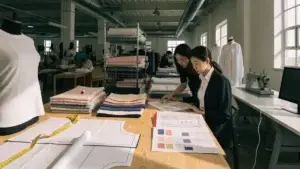
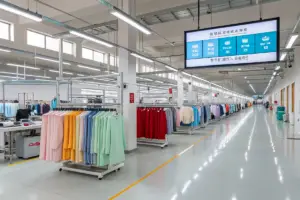
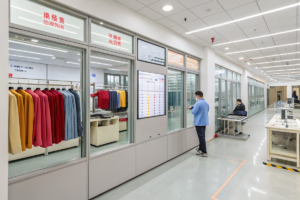
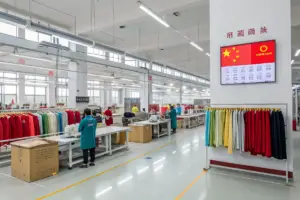
The apparel supply chain is undergoing a transformation. As the global fashion industry faces pressure to reduce waste and embrace sustainability, packaging solutions—particularly reusable garment bags—are quickly replacing disposable plastic covers. As someone who leads a Chinese apparel factory that exports to the U.S., I’ve witnessed firsthand how sourcing the right garment bag can impact not just cost but also a brand’s image, compliance, and operational flow.
Reusable garment bags are no longer a niche—it’s a competitive necessity. From material selection to logistics, every detail counts. In this guide, I’ll show you, step by step, how we source, customize, and deliver high-performance reusable garment bags that meet the quality and aesthetic standards of our U.S. and European buyers.
This article is based on technical expertise, real case studies from our production floor, and tested workflows used to ship hundreds of thousands of units across continents.
What Are The Best Materials For Reusable Garment Bags?
Choosing the right fabric for your garment bag isn’t just about price—it defines your packaging’s performance, feel, and perception in the hands of your customers. For importers in the U.S. and Europe, material quality has become a deal-breaker.
Materials like RPET, PEVA, non-woven polypropylene, and cotton canvas dominate the market due to their varied properties, eco-credentials, and adaptability to customization.
These fabrics allow for branding, sustainability, and function to work in harmony. The challenge is knowing which one is best for your brand and your product line.
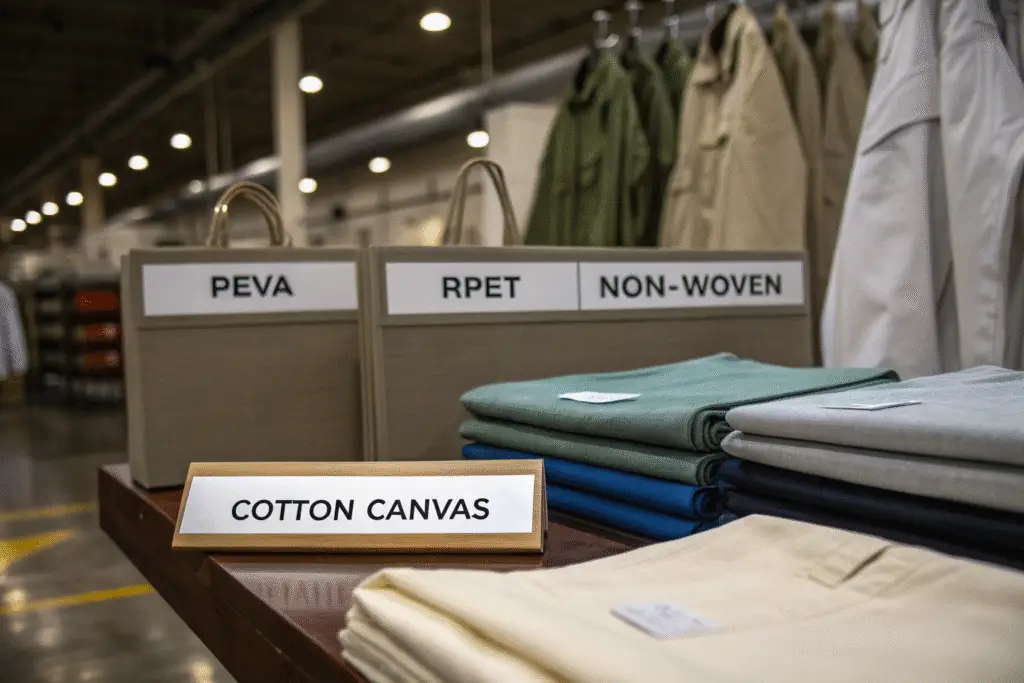
Which Fabrics Provide Durability And Sustainability?
Not all reusable bags are built the same. Each material offers a unique blend of texture, weight, cost, and lifespan. Here’s how the major players compare:
| Material Type | Benefits | Limitations |
|---|---|---|
| RPET | Made from recycled plastic, eco-certified, smooth finish | Higher cost, limited color fastness under heat |
| PEVA | Waterproof, flexible, semi-transparent | Less eco-friendly, harder to sew |
| Non-Woven PP | Lightweight, low-cost, printable | Limited lifespan, not moisture-resistant |
| Cotton Canvas | Organic, washable, upscale feel | Heavy weight, wrinkles easily |
We frequently recommend RPET to U.S. clients prioritizing sustainability and premium aesthetics. It aligns perfectly with the Textile Exchange guidance on eco-fiber integration.
What Certifications Should You Look For?
If you’re shipping to eco-conscious markets like California, New York, or the EU, certification is essential. Look for:
- GRS (Global Recycle Standard)
- OEKO-TEX Standard 100
- Sedex/BSCI Factory Audits
You can validate these through organizations like Control Union Certifications or Intertek. At Fumao, we proactively provide these documents during onboarding.
Where To Find Verified Manufacturers Of Garment Bags?
Finding a reliable source for garment bags goes beyond browsing platforms like Alibaba. We’ve heard too many stories of buyers losing time and money due to trading companies misrepresenting factory capabilities.
True manufacturing partners offer visibility, certifications, production flexibility, and long-term support—not just low quotes.
This is why we always encourage potential clients to dive deeper into a supplier’s infrastructure and operational capacity before placing a PO.

Are Online Marketplaces Like Alibaba Enough?
While Alibaba and Global Sources provide access to thousands of listings, not all suppliers listed are direct factories. Many are agents or resellers.
You can avoid major setbacks by taking these steps:
- Request a video walkthrough of the sewing lines.
- Ask for past shipping records and B/Ls.
- Verify business licenses and ownership data.
Our factory is registered in Shanghai with a verified BSCI audit and full manufacturing capability. You can also cross-check manufacturers via Made-in-China.com’s supplier validation tool.
What Questions Should You Ask Before Placing Orders?
To help our U.S. clients mitigate risks, we always recommend these questions:
- Can you show sewing, printing, and packaging in-house?
- Do you accept third-party QC inspections during production?
- What’s your MOQ for custom logos?
- Do you offer bundling with apparel shipments?
We also recommend engaging platforms like QIMA to run random sampling or lab tests to ensure consistent product quality.
Can Custom Printed Garment Bags Boost Brand Value?
In today’s competitive retail market, branding begins long before the customer touches the product. Branded garment bags aren’t just protective covers—they’re mobile billboards.
Custom printed reusable bags differentiate your line, elevate perceived value, and signal professional fulfillment.
Our buyers often come to us wanting to "level up" their packaging without bloating costs. And that’s very possible—if done smartly.
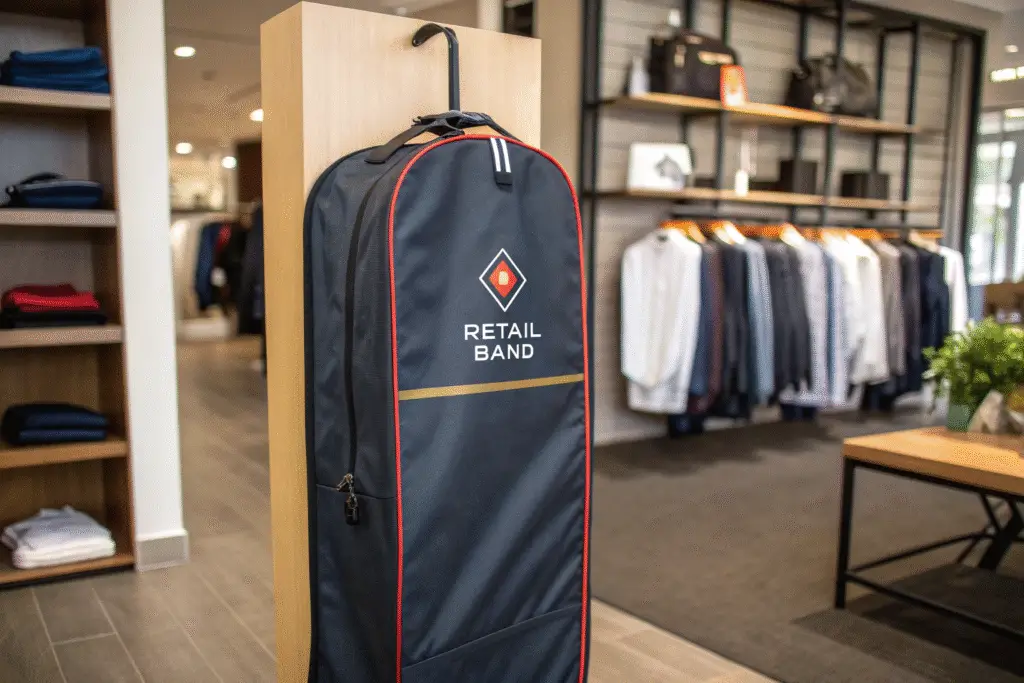
Is Brand Visibility Enhanced Through Packaging?
Yes. According to Smithers, 70% of end consumers notice branded packaging. B2B buyers, especially in boutique fashion, rely on visual cohesion across product and packaging.
We offer:
- Heat Transfer on PEVA & RPET
- Silkscreen on cotton and non-woven
- Digital sublimation for detailed patterns
These methods maintain integrity during ocean freight and long-term storage. You can learn about each from FESPA’s print technology guides.
How To Achieve Low MOQ Customization?
Customization doesn’t have to mean massive orders. At Fumao, we support small-batch customization from 500 units using flexible film plate technology.
We offer:
- Design templates via Canva
- Pantone matching from Pantone.com
- Print file proofs for buyer approval
Your logo, barcode, care instructions, and even QR-coded tracking can be printed to spec.
How To Handle Shipping, Packaging, and MOQ Challenges?
The best bags in the world won’t help you if they arrive late, wrinkled, or flagged by customs. As a supplier who exports weekly to the U.S., I’ve seen how logistics and compliance can make or break the sale.
The key is selecting the right freight terms, mastering packaging design, and preparing all documentation early.
Many problems stem from poor coordination between the packaging team, the factory, and the freight forwarder.

What Freight Terms Work Best For International Buyers?
Here’s what we recommend:
| Term | Control | Best For |
|---|---|---|
| DDP | Supplier handles customs, taxes | U.S. startups, tight timelines |
| FOB | Buyer books forwarder | Experienced buyers |
| EXW | Buyer picks up at factory | Custom logistics plans |
Most of our American clients choose DDP, which we facilitate through bonded warehouses and our freight partners like Flexport and UPS.
How To Avoid Common Order Pitfalls?
We’ve seen issues like:
- Bags arriving creased due to improper folding
- Customs delays from incorrect HS codes
- Mold or mildew due to poor storage humidity
At Fumao, we pack all reusable bags in dust-proof cartons with silica gel packets and outer moisture barriers. Every box includes printed labels with SKU and quantity—aligned with the buyer’s ERP format.
Conclusion
Reusable garment bags are no longer optional—they are a branding tool, a logistics advantage, and a compliance safeguard. By choosing the right materials, verified manufacturers, professional printing methods, and logistics partners, you build a system—not just a bag.
At Shanghai Fumao, we support our clients through every phase—from spec sheet to delivery dock—with one goal: to make your supply chain more efficient, compliant, and brand-forward.
To explore how we can support your next apparel order with custom reusable garment bags, please contact our Business Director Elaine at 📧 elaine@fumaoclothing.com.