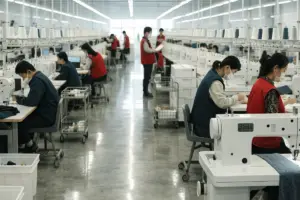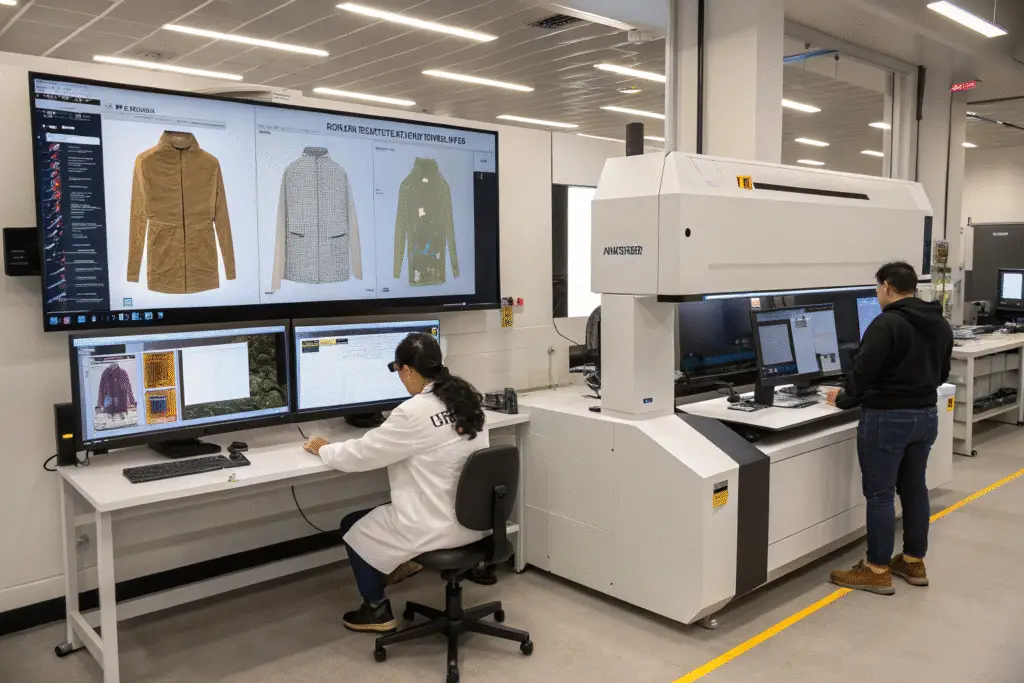
In today’s apparel supply chain, product development cycles must balance speed-to-market, accuracy, and cost efficiency. Conventional prototyping, which requires multiple rounds of physical samples, consumes excessive time and resources. Each iteration involves fabric usage, sewing labor, freight costs, and extended approval timelines.
Digital twins—high-fidelity 3D garment replicas—are redefining prototyping by enabling design validation, fit testing, and production-ready adjustments in virtual environments.
This article highlights why digital twins are a critical investment for sourcing managers, technical designers, and global apparel buyers.
How Do Digital Twins Optimize Development Costs?
Sample iteration costs are among the most significant inefficiencies in product development. Each physical prototype requires fabric cutting, labor allocation, and international shipping.
By integrating digital twin workflows, brands reduce sample iterations by up to 50%, significantly cutting fabric waste and freight costs.

Why Are Fewer Prototypes Required?
3D prototyping platforms such as CLO3D and Browzwear allow iterative adjustments at the digital stage, minimizing the need for redundant physical samples. Lectra reports that digital sampling reduces fabric waste by up to 95% across production cycles.
How Does This Impact Logistics Efficiency?
Digital samples eliminate courier delays and reduce carbon-intensive shipping. According to Optitex, multinational sourcing teams can align design approvals in real time, compressing development timelines by weeks.
How Do Digital Twins Enhance Fit Validation?
Fit consistency is a central quality metric in apparel sourcing. Traditional fit sessions rely on limited physical models and manual feedback.
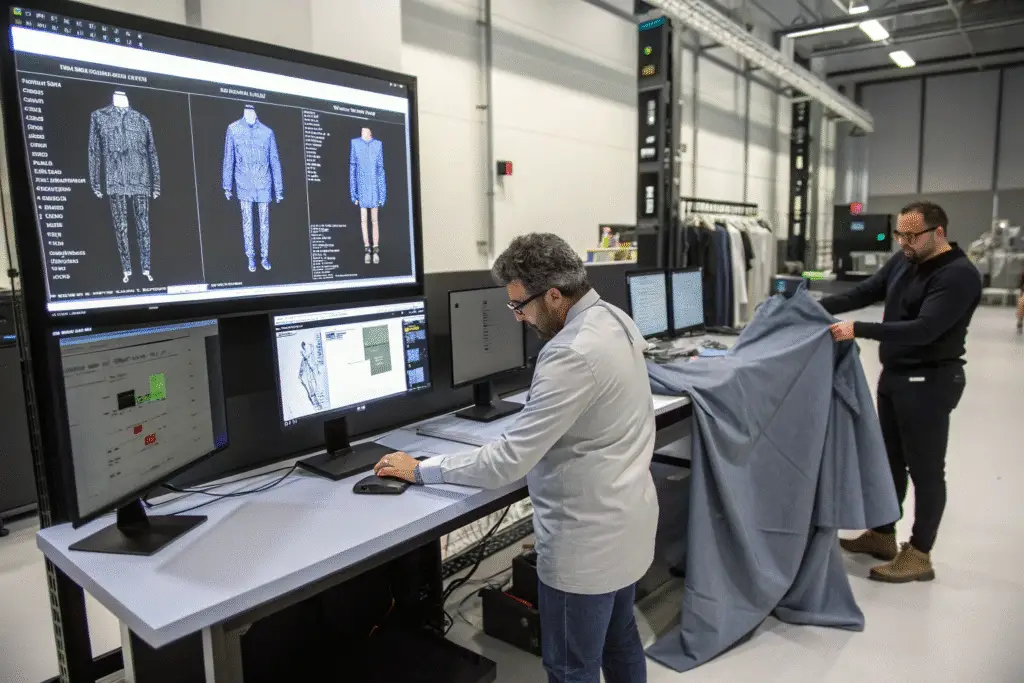
Digital twins leverage body-scan data and parametric avatars to validate fit across diverse size ranges and motion scenarios before fabric cutting.
What Role Do Virtual Avatars Play?
Virtual avatars simulate posture, body proportions, and mobility, enabling precise fit testing. Browzwear confirms that digital fit validation significantly reduces return rates linked to poor sizing.
How Does CAD Grading Integration Improve Outcomes?
Automated size grading through platforms such as Gerber AccuMark ensures measurement consistency across XS–XXXL. This reduces manual errors and accelerates compliance with U.S. and European sizing standards.
How Do Digital Twins Improve Lead Time and Market Agility?
Lead time reduction is critical for buyers managing seasonal assortments or fast-fashion SKUs.
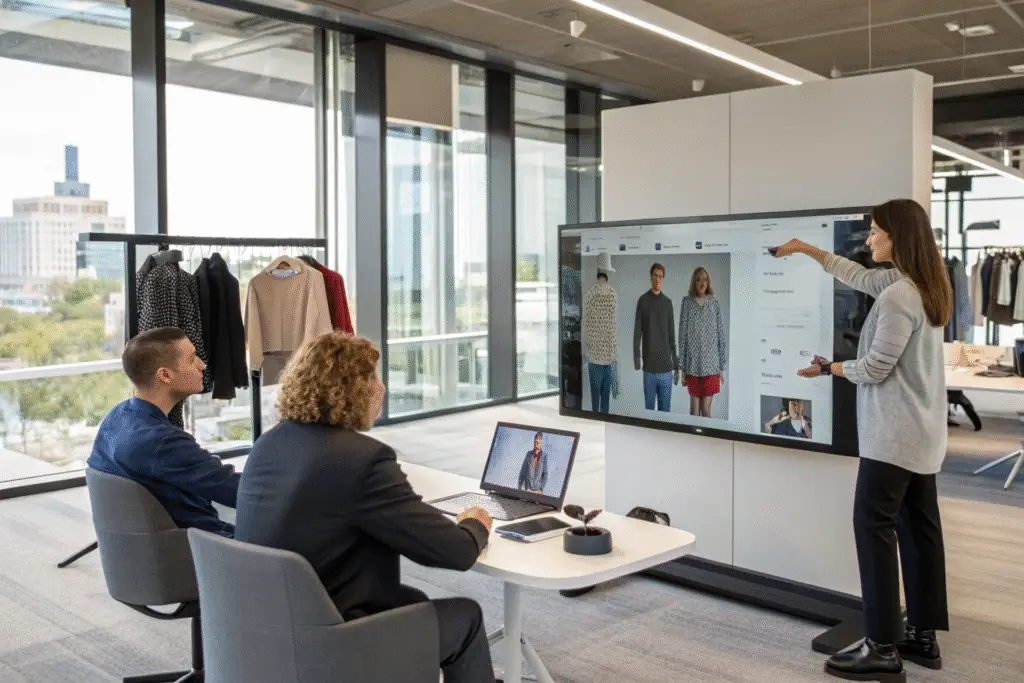
Digital twins accelerate approval cycles by enabling cross-border collaboration on design, fit, and material choices without shipping delays.
How Much Can Timelines Shrink?
Industry benchmarks indicate development cycle reductions of 30–50% when digital twin platforms are integrated with PLM (Product Lifecycle Management) systems. Fashion United notes that brands achieve faster SKU launches and improved sell-through rates.
How Do Remote Workflows Strengthen Collaboration?
3D garment files allow sourcing managers, QA specialists, and merchandising teams to approve designs synchronously across geographies. Optitex highlights that centralized cloud-based workflows minimize miscommunication.
How Do Digital Twins Support ESG and Sustainability Goals?
Sustainability compliance is now a sourcing requirement, not an option.
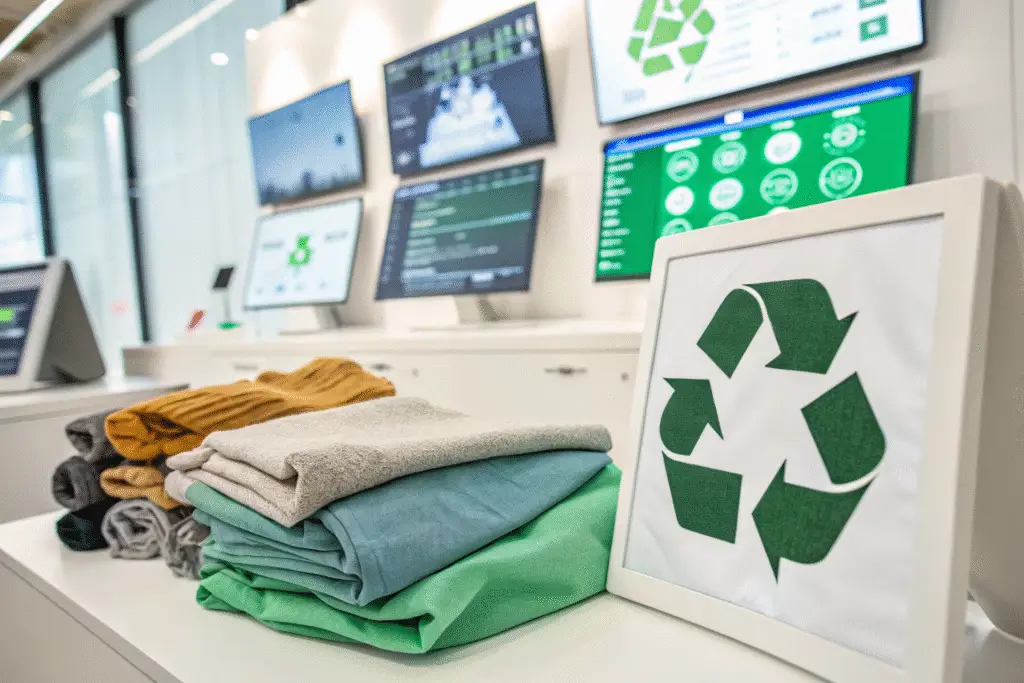
Digital twins reduce raw material waste, lower transport emissions, and support ESG reporting frameworks.
How Much Waste Reduction Is Achieved?
Apparel Resources reports that brands implementing 3D prototyping reduce sample-related fabric consumption by thousands of meters annually.
How Does It Improve ESG Metrics?
By cutting international sample shipping, brands lower their carbon footprint and strengthen sustainability claims. Just-Style identifies digital product creation as a pillar in aligning apparel sourcing with SDG and EU Green Deal objectives.
Conclusion
Digital twins represent a paradigm shift in apparel product development. They deliver measurable advantages in cost reduction, fit validation, lead time optimization, and sustainability compliance. For sourcing managers and apparel technologists, digital twin adoption is not simply a trend—it is becoming a procurement standard.
At Shanghai Fumao Clothing, we integrate digital twin prototyping with CAD grading and PLM systems to streamline development for global buyers. For U.S. and European sourcing teams seeking scalable and certified manufacturing partners, contact our Business Director, Elaine, at elaine@fumaoclothing.com.