The textile industry is changing fast. Traditional fabrics focus on strength and comfort. New materials now aim to repair themselves. These self-healing fabrics react to cuts, tears, or stress. They restore their structure and extend the garment’s life.
Self-healing fabrics are a breakthrough for sustainability and performance wear. They reduce waste, lower replacement costs, and bring new possibilities for sportswear, outdoor gear, and medical clothing.
This article looks at how self-healing fabrics work, the latest innovations, and the challenges still ahead.
How Do Self-Healing Fabrics Work?
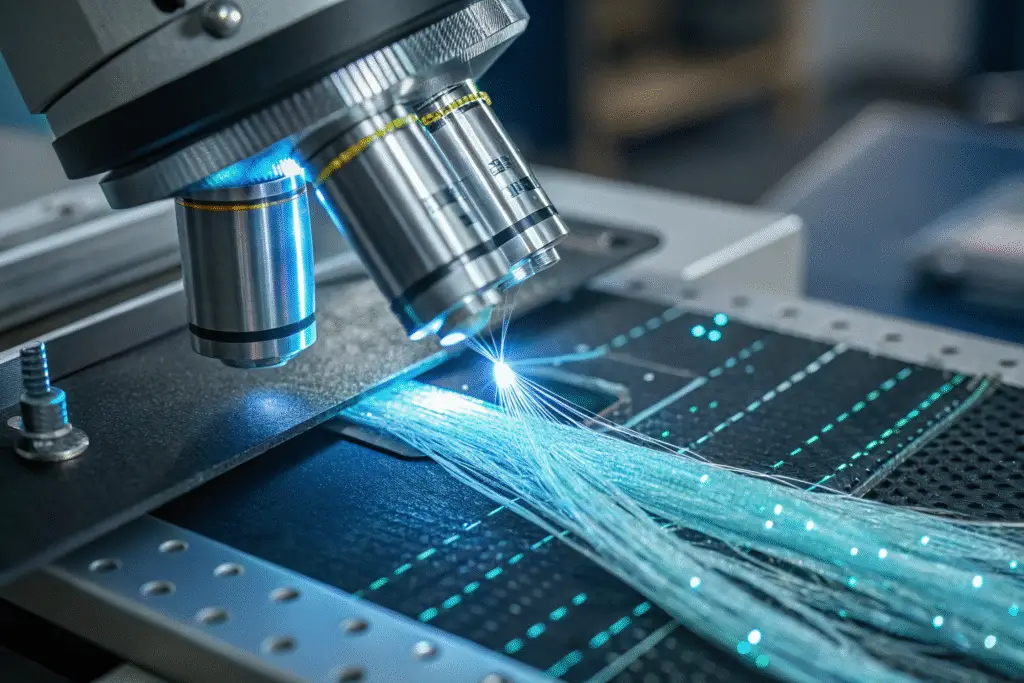
Self-healing fabrics use smart materials. They contain coatings, microcapsules, or polymers that activate when damaged.
The goal is simple: repair and reuse. The fabric regenerates instead of breaking down.
What Are The Main Healing Mechanisms?
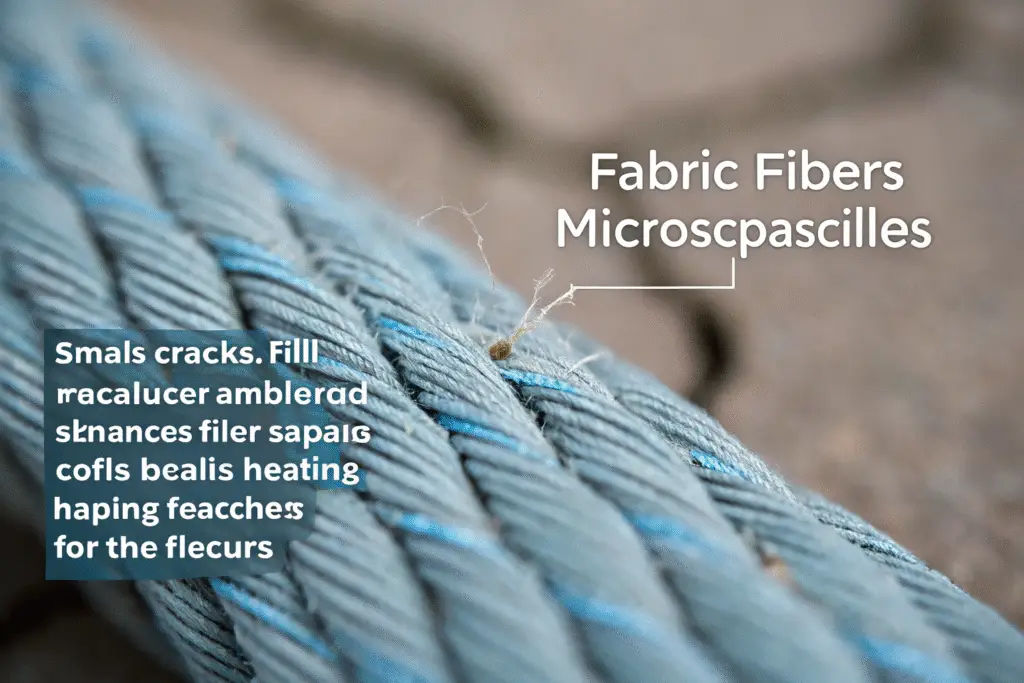
Some fabrics use microcapsules filled with healing liquids. When the fabric tears, the capsules break and release the liquid. This seals the damage. More information can be found at ScienceDirect.
Other fabrics rely on reversible polymers. These bonds can break and reform under heat, light, or pressure. Learn more at Nature Materials.
What Applications Use These Fabrics?
These fabrics fit sportswear, outdoor clothing, and protective uniforms. They keep garments usable longer and add safety benefits.
What Innovations Are Driving Self-Healing Textiles?
Researchers are combining chemistry, nanotechnology, and biology to improve textiles.
Recent advances make fabrics stronger, more flexible, and easier to repair.

How Does Nanotechnology Help?
Nanoparticles like graphene and nanocellulose boost strength and repair speed. They make fabrics both durable and flexible. Research at ACS Nano shows their potential.
What Are Bio-Inspired Approaches?
Nature inspires many textile designs. Human skin heals itself. Spider silk shows strength and elasticity. Scientists use these ideas to design fibers. See examples at MIT News.
Why Are Self-Healing Fabrics Important For Sustainability?
Fast fashion leads to waste. Clothes wear out quickly and end up in landfills. Self-healing fabrics can slow this cycle.
They help extend the life of garments and reduce resource use.
How Do They Reduce Waste?
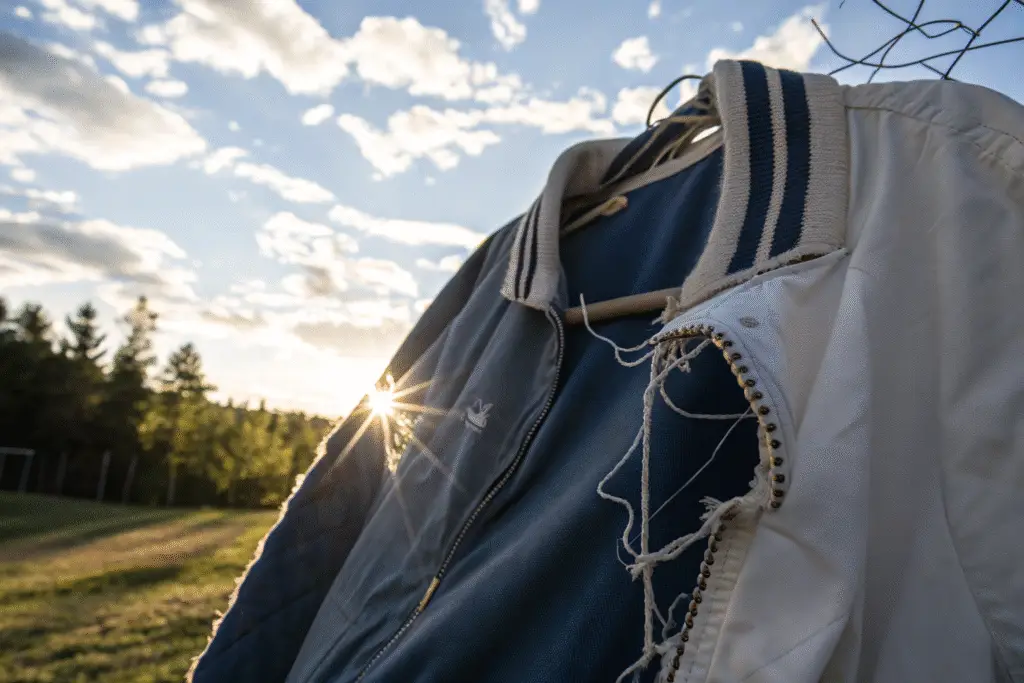
Garments that fix small tears last longer. A jacket that heals itself stays in use for years. This reduces textile waste. See analysis at Ellen MacArthur Foundation.
How Do They Support Circular Fashion?
Circular fashion depends on longer product life and repair. Self-healing fabrics make this possible. Learn more at Circular Fashion.
What Challenges Remain For Self-Healing Fabrics?
These fabrics are promising but not perfect. High costs and limited scalability slow adoption.
Researchers and brands must solve these issues before mass production.
What Are The Cost Barriers?
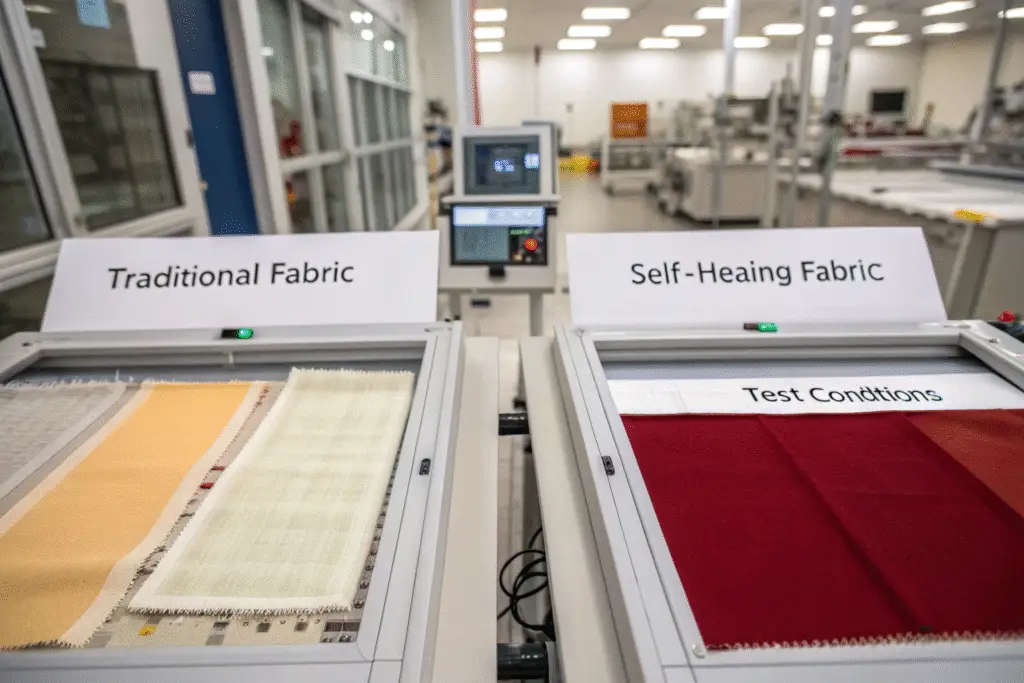
Special materials and testing raise prices. For now, most self-healing fabrics are used in premium markets. Costs may drop as production expands. Read more at Textile Today.
How Do They Perform In Daily Use?
Lab results differ from real-life conditions. Fabrics may repair in heat but not in cold. More field testing is needed. Studies continue at Springer Materials.
Conclusion
Self-healing fabrics mark an important shift in textile technology. They extend garment life, cut waste, and support sustainability. They also open new uses for performance wear, protective gear, and medical textiles.
Challenges remain, but progress is steady. With more research, these fabrics could become common in everyday clothing.
At Shanghai Fumao Clothing, we track these innovations closely. Our goal is to combine advanced fabrics with practical apparel design. If you want to explore new fabric technologies for your brand, contact our Business Director Elaine at elaine@fumaoclothing.com. Together, we can create garments that reflect the future of fashion.