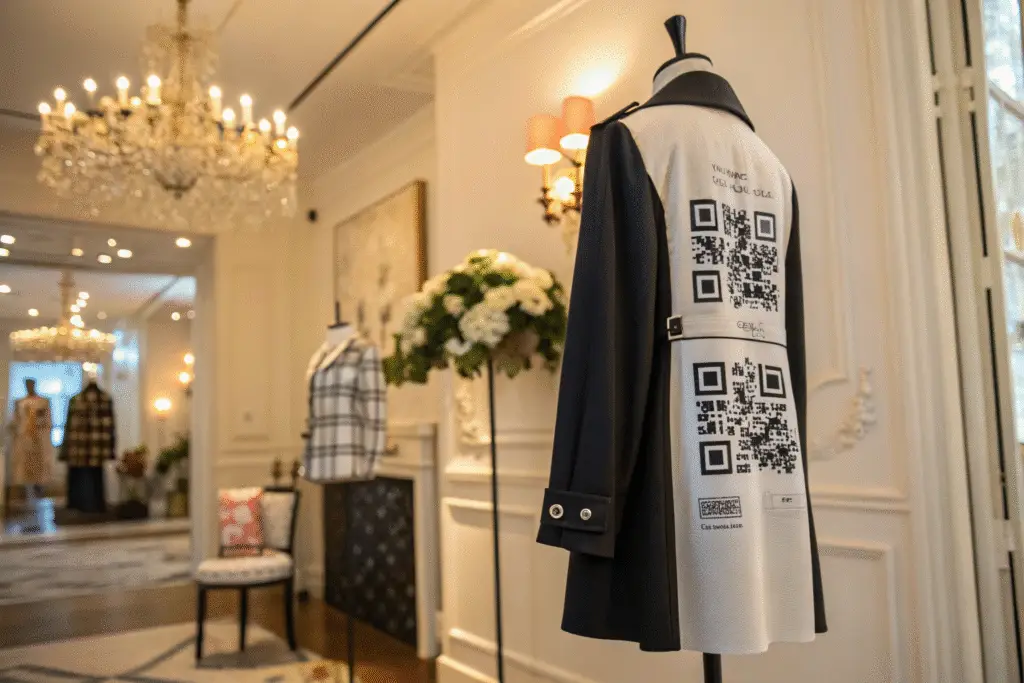
NFTs are no longer limited to digital art. They are becoming tools for apparel brands to connect physical garments with digital ownership. Fashion companies now use NFTs to prove authenticity, create exclusivity, and build customer engagement. This technology also creates new revenue and supports brand loyalty.
NFT integration is emerging in apparel because it links physical clothing with digital assets. It ensures authenticity, provides exclusivity, and improves consumer experiences.
I have spoken with many buyers and brand owners who ask about NFTs. They want digital proof that connects to physical products. They want to prevent counterfeits and offer something extra to customers. In this article, I will explain why NFTs are becoming important for apparel and how they reshape the buying process.
How Do NFTs Guarantee Authenticity In Apparel?
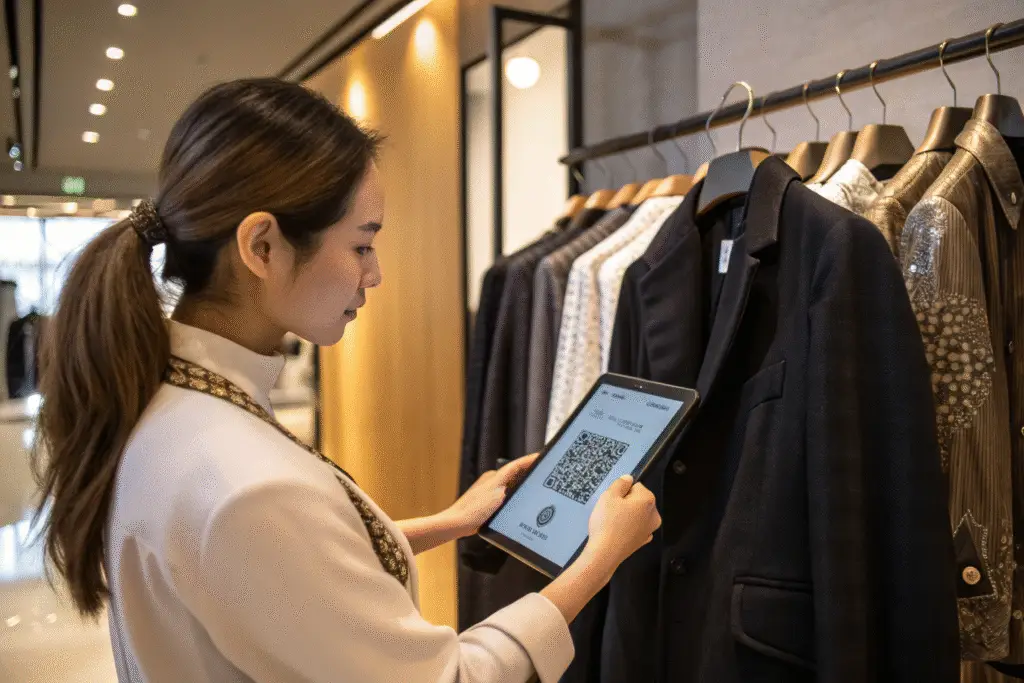
Counterfeit products are a serious problem in fashion. Brands lose profit and customers lose trust. NFTs provide a strong solution with blockchain-based certificates.
NFTs guarantee authenticity because each token connects to one specific garment. This gives both brands and buyers confidence.
Can Blockchain Prevent Counterfeit Garments?
Blockchain creates permanent digital records. A garment linked to an NFT cannot be copied without detection. Buyers can check ownership on Ethereum or Polygon. This reduces risks in resale markets and helps brands protect their reputation.
Do NFTs Replace Traditional Certificates Of Authenticity?
Paper certificates can be faked. NFTs cannot. A blockchain-based certificate provides security and peace of mind. Companies like Arianee offer solutions for digital identities in fashion. Brands that use these systems increase trust and reduce losses from counterfeits.
Why Are NFTs Important For Customer Engagement?
Fashion is more than clothing. It is also an experience. NFTs add another layer of interaction between brands and buyers.
NFTs improve customer engagement by giving buyers digital ownership, exclusive access, and community rewards.

Do NFTs Create Exclusive Access For Buyers?
NFTs work as digital membership passes. Buyers can unlock private events, limited releases, or special collections. Some fashion houses use NFTs to invite VIP customers to runway shows or early product drops. Platforms like DressX show how NFTs expand fashion experiences.
How Do NFTs Build Brand Loyalty?
NFTs help brands reward long-term customers. Holders may get discounts, early shopping, or unique digital outfits. Companies like The Fabricant use this system to build loyal communities. Buyers gain benefits while brands secure repeat sales.
What Is The Role Of NFTs In Digital Fashion?
Fashion is moving into virtual spaces. NFTs are key to making digital fashion valuable.
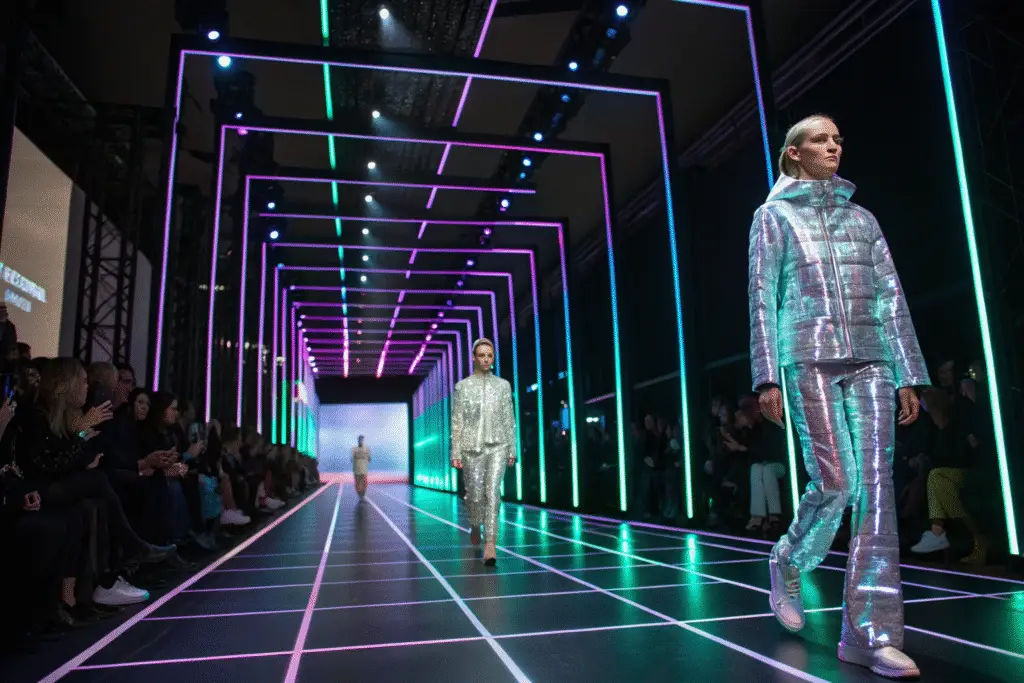
NFTs give digital garments ownership and create a new market for virtual fashion.
Are NFTs Driving Virtual Clothing Markets?
NFTs create value for digital garments. Buyers use them in games and online events. Companies like RTFKT lead the way with virtual sneakers and digital outfits. Younger consumers are especially interested because they value online identity.
Do NFTs Support The Metaverse Economy?
The metaverse is becoming a new marketplace. NFTs prove ownership of digital clothing inside this space. Buyers can sell, trade, or wear NFT outfits in virtual environments. Platforms like Decentraland allow brands to open digital stores. This creates revenue and builds deeper consumer connections.
Can NFTs Add Value To Resale And Logistics?
The resale industry is growing. Logistics always needs improvement. NFTs support both.
NFTs add value by making second-hand markets more transparent and by improving tracking in supply chains.

Do NFTs Increase Transparency In Resale?
NFTs store full ownership history. Buyers of second-hand apparel can see when and where an item was made, sold, and resold. Platforms like StockX already focus on authentication. Adding NFTs creates more trust and confidence.
How Can NFTs Improve Apparel Logistics?
NFTs connect garments to blockchain-based records. Brands can track sourcing, shipping, and delivery. Buyers can follow updates in real time. IBM Blockchain shows how supply chains use this system to reduce errors and fraud.
Conclusion
NFT integration is rising in apparel because it creates solutions and new opportunities. It guarantees authenticity, improves engagement, expands digital fashion, and strengthens resale and logistics. Both brands and buyers gain security and new experiences.
At Shanghai Fumao, we know that the future of apparel will combine physical products with digital innovation. If you want to explore NFT-integrated apparel production, contact our Business Director Elaine at elaine@fumaoclothing.com. We can help you create garments that blend craftsmanship with advanced technology.