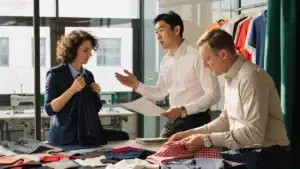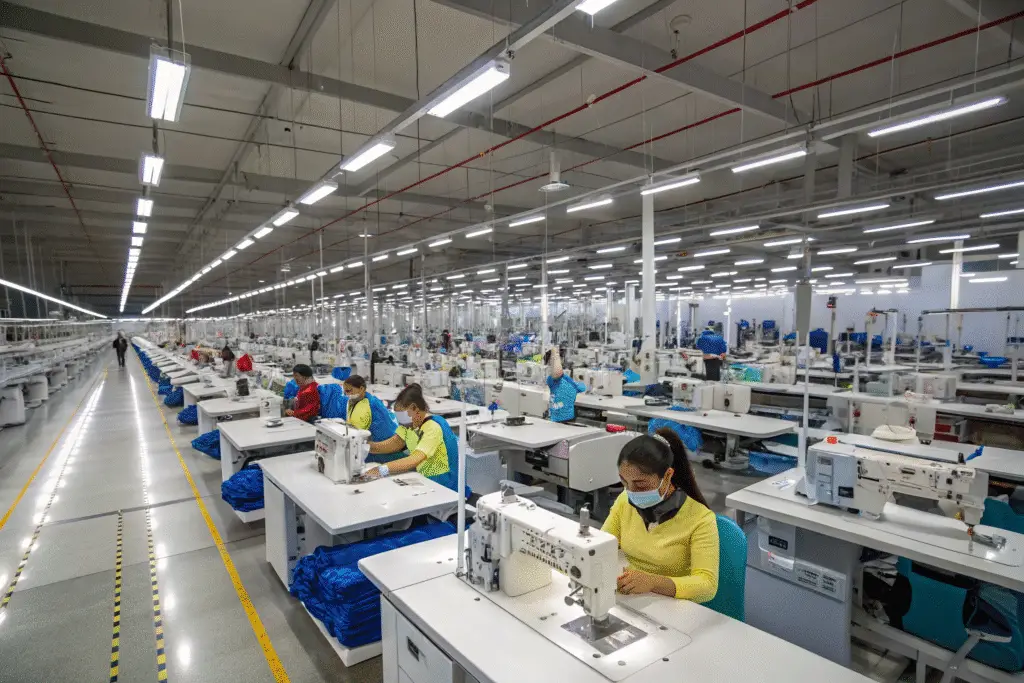
The apparel industry is under constant pressure to improve efficiency while reducing costs. With global buyers becoming more conscious of sustainability, factories must also lower their environmental impact. For manufacturers like us in China, energy-efficient sewing machines are one of the smartest investments to stay competitive.
Energy-efficient sewing machines reduce power consumption, lower operational costs, and support green manufacturing goals. They not only save money but also improve working conditions and machine durability. U.S. and European buyers increasingly prefer working with suppliers who adopt sustainable practices.
At the same time, many factories hesitate to upgrade due to initial costs or lack of awareness. However, the long-term benefits far outweigh the investment.
How Do Energy-Efficient Sewing Machines Work?
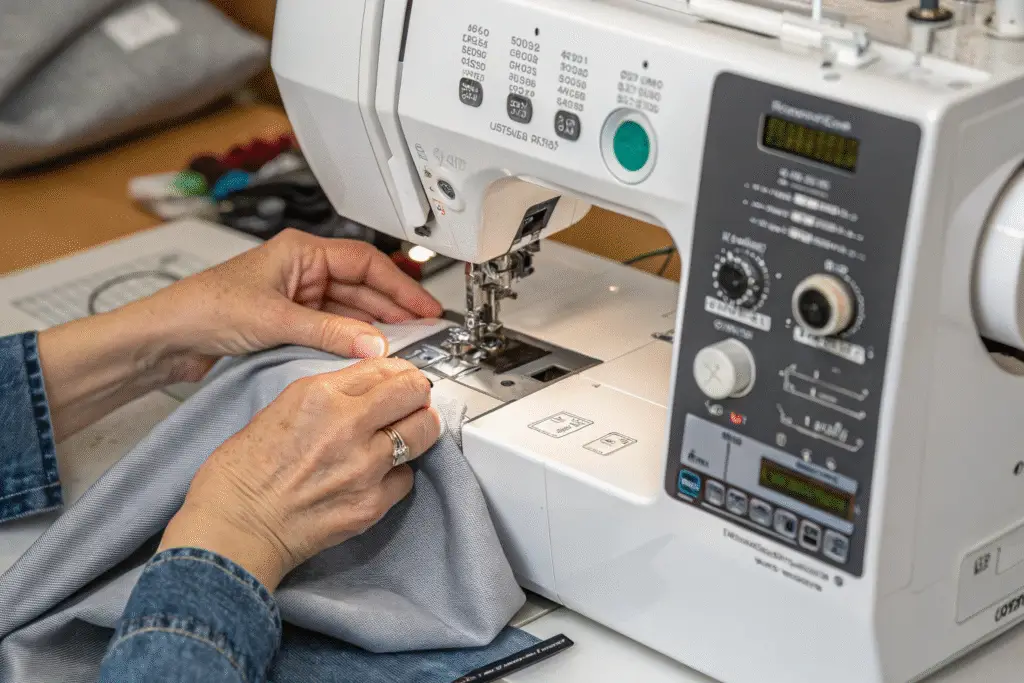
Energy-efficient sewing machines use direct-drive motors and smart controls that adjust power according to workload. Unlike traditional clutch motors, these machines only consume energy when actively stitching.
Why Are Direct-Drive Motors More Efficient?
Direct-drive motors connect directly to the needle bar, reducing friction and power loss. This saves up to 60% energy compared to clutch motors. Leading suppliers like Juki and Brother offer advanced models.
What Features Support Energy Savings?
Automatic thread trimming, needle positioning, and LED lighting reduce unnecessary energy use. These features cut idle consumption, making machines more eco-friendly and cost-efficient.
How Do Energy-Efficient Machines Cut Costs?
The financial impact of energy-efficient machines is significant. Lower electricity bills and reduced maintenance costs add up to major savings for apparel factories.
What Is the ROI for Factories?
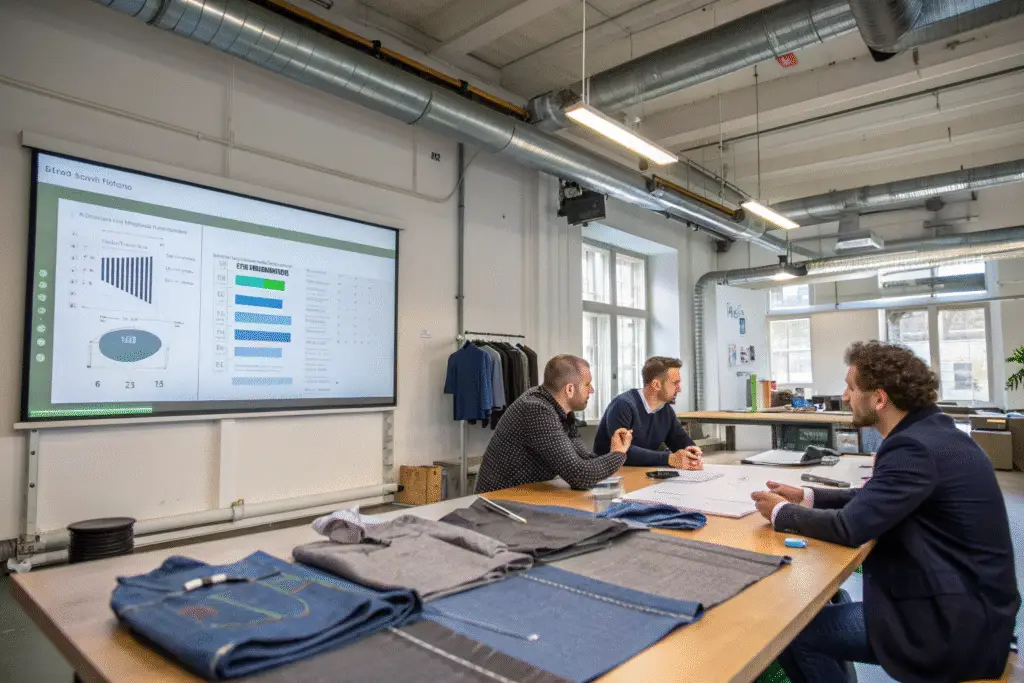
Factories often recover their investment within 12–18 months. Energy-efficient machines last longer, require fewer repairs, and reduce downtime. This provides better ROI compared to older models. Reports from McKinsey show how sustainability-driven upgrades can increase profitability.
Can Energy Savings Be Measured Accurately?
Yes. Smart sewing machines come with digital panels that track usage. Data can be analyzed using IoT monitoring systems, giving factories clear insight into power savings and productivity.
Why Do Buyers Care About Energy Efficiency?
Global buyers increasingly prioritize sustainability in their sourcing strategies. Apparel companies want suppliers who can demonstrate green practices, including energy-efficient equipment.
How Does Energy Efficiency Influence Buyer Decisions?
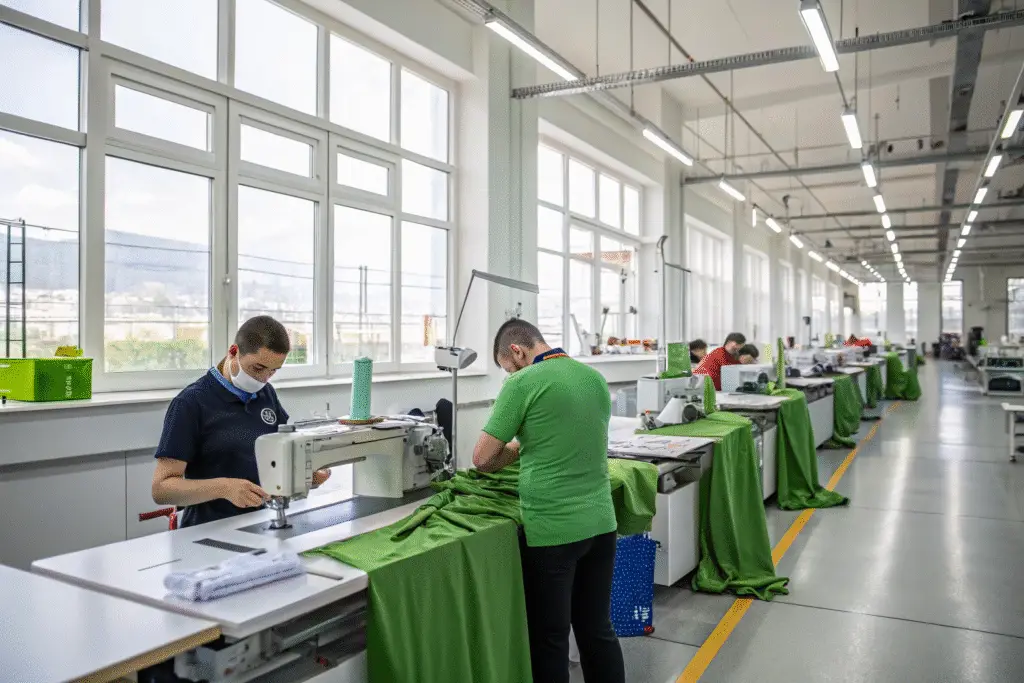
Many buyers now ask suppliers to provide sustainability reports. Having energy-efficient machines strengthens a factory’s credibility. Platforms like Higg Index are commonly used to evaluate supplier performance.
Can Factories Use Energy Savings as a Marketing Advantage?
Absolutely. Factories that adopt eco-friendly equipment stand out in competitive markets. Promoting certifications like ISO 50001 or using energy-saving claims in buyer proposals can build stronger partnerships.
What Role Does Sustainability Play in Factory Growth?
Sustainability is not just about compliance. It is a growth strategy that aligns with global market expectations. Factories that invest in energy efficiency are better prepared for future regulations and buyer demands.
Will Energy-Efficient Machines Become Standard?
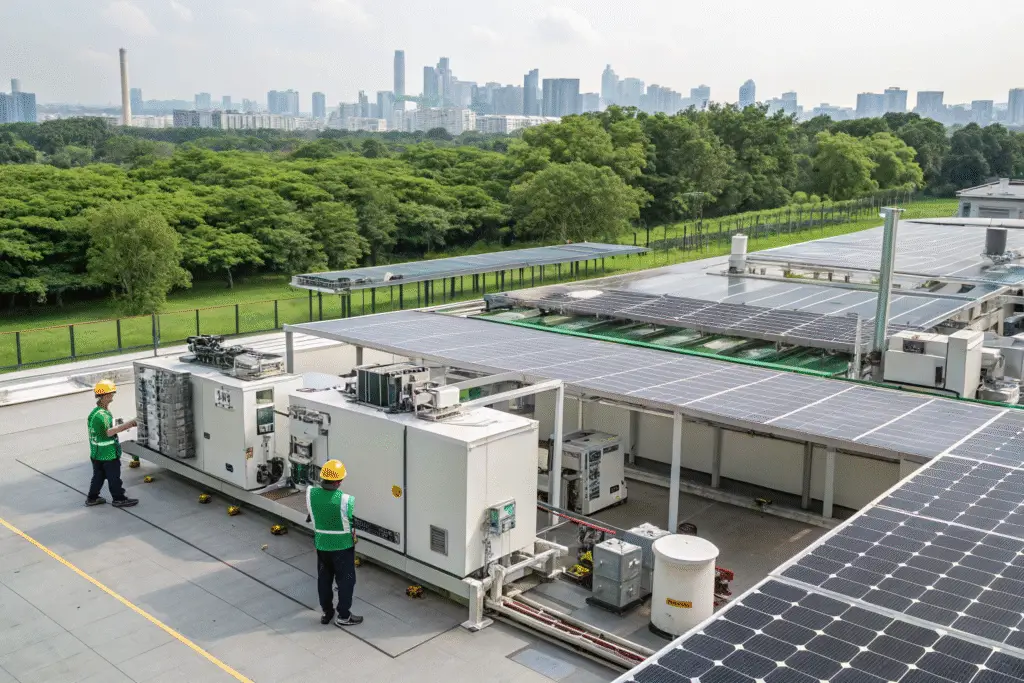
Yes. As governments tighten energy regulations and brands push for greener supply chains, energy-efficient sewing machines will become the new normal. Industry leaders like Pfaff Industrial are already setting benchmarks.
How Does Sustainability Drive Long-Term Competitiveness?
Factories that adopt sustainable practices secure more long-term contracts. Buyers prefer reliable suppliers who align with their ESG commitments. This ensures not only survival but growth in global markets.
Conclusion
Energy-efficient sewing machines are no longer optional—they are essential for cost savings, sustainability, and competitiveness. They cut energy bills, improve performance, and meet the growing expectations of international buyers.
At Shanghai Fumao, we continuously upgrade our production lines with energy-efficient equipment to ensure we deliver high-quality apparel while reducing environmental impact. If your brand is ready to partner with a factory that combines sustainability with reliability, contact our Business Director Elaine at elaine@fumaoclothing.com. Together, we can create apparel solutions that are cost-effective, eco-friendly, and future-ready.