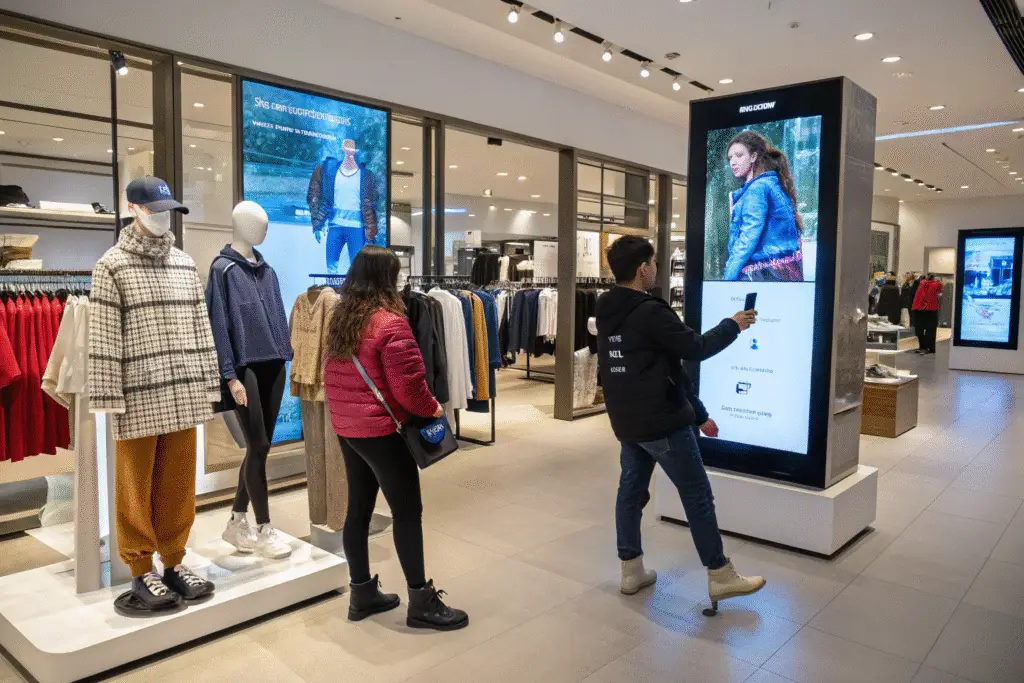
As an apparel manufacturer serving the U.S. and European markets, I have witnessed how consumer behavior is reshaping the supply chain. In recent years, phygital retailing—a combination of physical and digital experiences—has started to redefine how brands design, produce, and deliver clothing. Buyers no longer see online and offline as separate channels; they expect seamless experiences across both.
Phygital retailing is influencing apparel production by demanding faster lead times, customization, stronger inventory control, and tech-driven quality assurance. Brands that cannot adapt to these changes risk losing relevance in a market where consumers value speed and flexibility.
This article explores why phygital strategies are critical for apparel brands, and how manufacturers like us are adjusting production systems to meet these new demands.
Consumer Expectations Are Driving Faster Turnaround
Consumers expect real-time product availability. They might discover a style on TikTok in the morning and want to try it in-store by the weekend. This demand for immediacy forces apparel production to accelerate design and manufacturing cycles.

How Does Social Media Impact Production Speed?
Social platforms like Instagram and TikTok fuel micro-trends that can peak and fade within weeks. To capitalize, brands require shorter lead times and manufacturers that can produce small runs quickly.
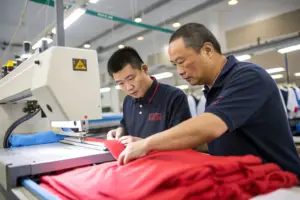
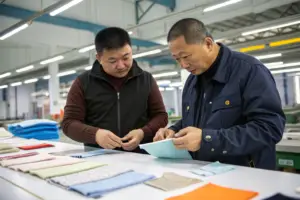
I have seen U.S. buyers shift away from six-month buying calendars to four-week design-to-rack cycles. Factories that offer agile production methods, such as digital pattern-making, on-demand printing, and modular lines, are becoming the preferred partners.
Why Does Omnichannel Demand Faster Fulfillment?
Phygital strategies mean online inventory must match store shelves. If a customer sees a jacket online but cannot find it in-store, the brand loses credibility. This alignment requires manufacturers to synchronize production with digital inventory systems. See more insights from McKinsey’s apparel report.
Customization And Personalization Are Becoming Standard
Phygital retailing emphasizes individuality. Consumers want products that feel unique, whether through personalized embroidery, fabric choices, or limited-edition drops.
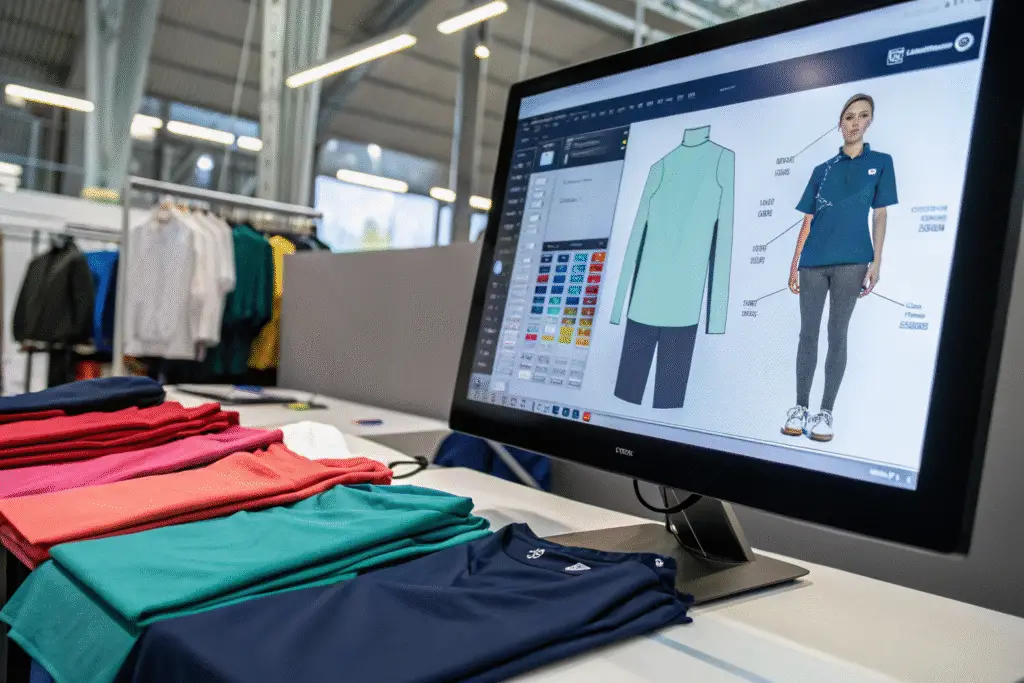
How Does Technology Enable Customization?
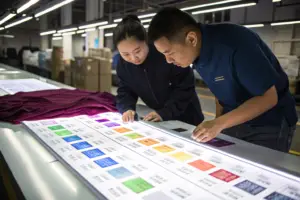
With 3D design software and AI-driven tools, manufacturers can create virtual samples before producing physical garments. This saves time and cost while allowing buyers to visualize styles instantly. Companies like CLO Virtual Fashion are leading in this area.
I have worked with U.S. clients who used digital sampling to present new styles on e-commerce platforms before finalizing bulk orders. Once customers responded positively, we moved into production. This reduces risk while making the shopping journey more interactive.
Why Is Limited Production More Profitable Now?
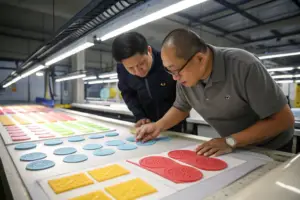
Phygital retail thrives on exclusivity. Small-batch collections marketed through digital drops and physical events create urgency. For manufacturers, this means offering flexible MOQs and fast repeat orders. The growth of on-demand manufacturing proves how this trend is reshaping production economics.
Inventory Management Requires New Strategies
The merging of physical and digital channels puts immense pressure on inventory accuracy. Traditional bulk production often leads to overstock or missed sales opportunities.
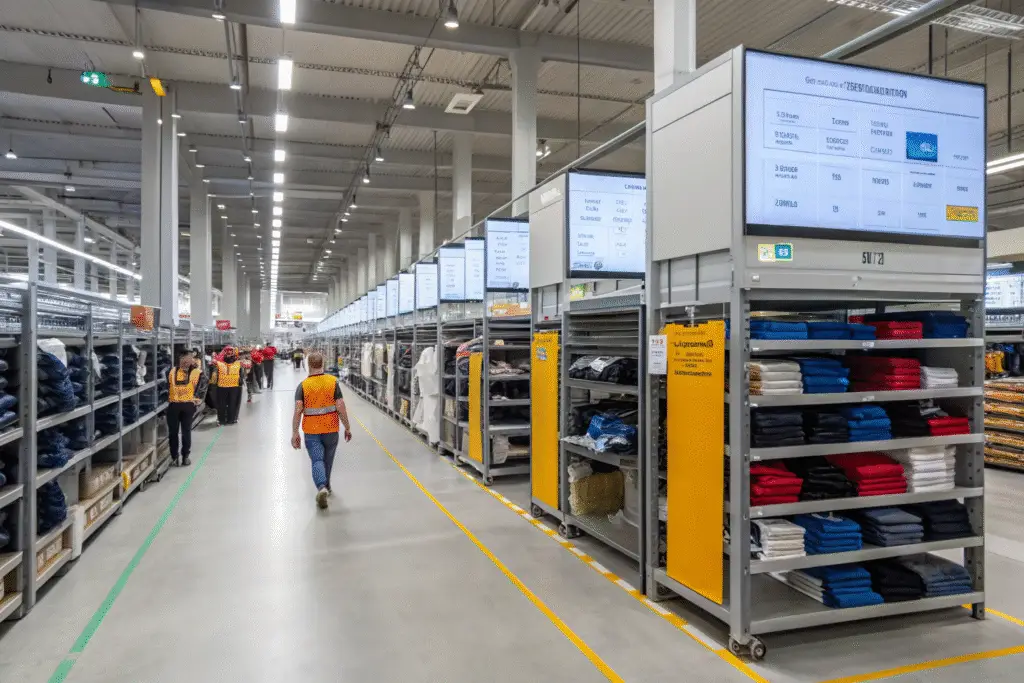
How Does Real-Time Tracking Support Phygital Retail?
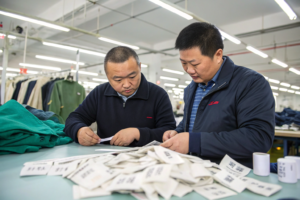
Technologies like RFID tags and cloud-based inventory systems help brands maintain transparency across channels. For example, Zebra Technologies provides retail tracking solutions that ensure stock is visible across e-commerce and physical stores.
Manufacturers now integrate with brand ERP systems, sharing live updates on fabric usage, production progress, and shipment status. This reduces mismatches between online listings and in-store availability.
Why Does Overproduction Harm Phygital Strategies?
Phygital relies on instant gratification and sustainability. Overstock contradicts both. By aligning production closer to demand signals—such as online pre-orders—factories can reduce excess. This is why Just-in-Time manufacturing is gaining popularity in apparel.
Quality And Transparency Strengthen Brand Trust
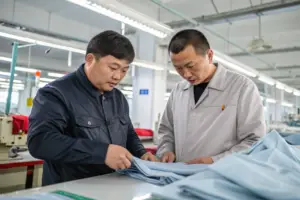
With consumers shopping both online and offline, any defect is magnified. A bad review online can harm physical store sales instantly. This forces brands to tighten quality control and demand transparency from manufacturers.
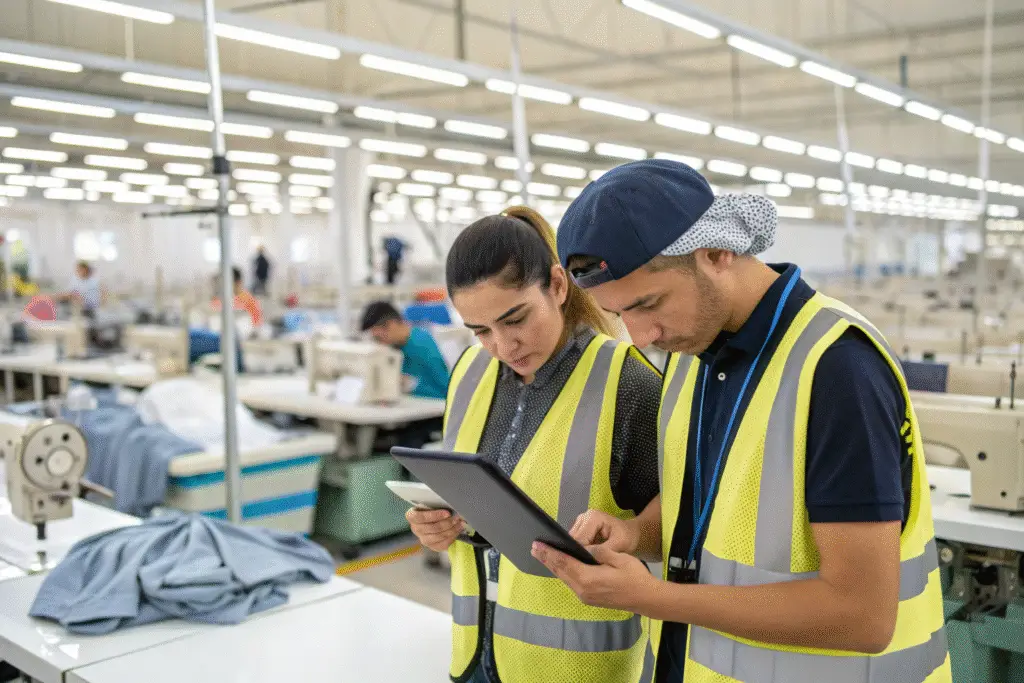
How Do Certifications Influence Buyer Confidence?
Brands often require suppliers to hold international certifications like OEKO-TEX and ISO 9001. These certifications assure customers that apparel meets global safety and quality standards.
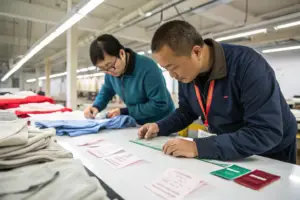
At Fumao Clothing, we integrate digital QC systems that allow clients to track inspection reports in real-time. This builds confidence and aligns with phygital’s emphasis on accountability.
Why Is Transparency A Competitive Advantage?
Consumers today value supply chain ethics as much as style. Brands that can show traceability from factory to store gain an edge. Blockchain solutions like Provenance are being used to share sourcing details directly with shoppers, bridging the gap between digital storytelling and physical products.
Conclusion
Phygital retailing is no longer a trend—it is a reality. It forces apparel production to become faster, more flexible, transparent, and personalized. Manufacturers that adapt to these demands are building stronger partnerships with global brands, while those stuck in old systems risk being left behind.
At Shanghai Fumao Clothing, we embrace phygital-ready practices such as small-batch flexibility, digital sampling, and real-time quality tracking. If you are a brand owner seeking a reliable partner to navigate this new retail landscape, contact our Business Director Elaine at elaine@fumaoclothing.com to begin your next production cycle.