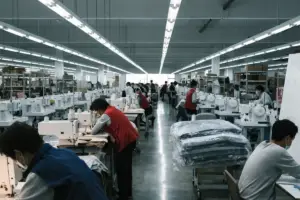
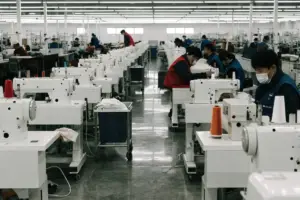
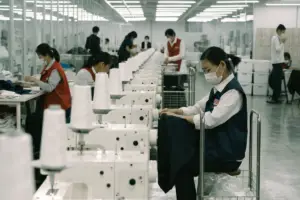
As a clothing manufacturer and exporter, I know how difficult it can be for apparel buyers to balance costs, risks, and flexibility. Many large factories enforce high Minimum Order Quantities (MOQs), which can make it challenging for brand owners and distributors to test new styles or expand into new categories. This pain point often leads to missed opportunities and excessive inventory.
The best practices for minimizing MOQs include building strong supplier relationships, consolidating fabrics, planning collections strategically, and using flexible manufacturing partners. These approaches allow brands to remain competitive without locking up too much capital in large orders.
In this article, I will share practical, field-tested strategies for lowering MOQs while maintaining profitability and quality. These methods come from my own experience working with U.S. apparel brands that demand both flexibility and reliability.
Negotiate With Suppliers For Flexible Terms
When I first entered the U.S. market, I learned that supplier negotiations are the key to flexibility. Many suppliers start with high MOQ demands, but those numbers are not always set in stone. If you present a clear long-term business plan and show potential for recurring orders, most suppliers are willing to compromise.

How Can You Show Long-Term Value To A Supplier?
One effective method is to share your sales forecasts and brand expansion plans. This proves that even if your initial order is small, the potential for growth is large. Suppliers often value long-term stability over a one-time big order.
For example, I once helped a U.S. buyer reduce their T-shirt MOQ by half simply by presenting a 12-month growth strategy. Suppliers agreed because they saw recurring opportunities. See more about supplier negotiation strategies.
Another tip is to consolidate styles. Instead of ordering 300 units of one color, consider mixing 3–4 colors within the same fabric run. This keeps fabric sourcing efficient while lowering per-style MOQ. Learn more about fabric sourcing practices.
What Role Does Clear Communication Play?
Communication is critical. When suppliers understand your target market, seasonal deadlines, and retail strategies, they are more likely to accommodate flexible MOQs. Using tools like tech packs, digital prototypes, and video calls ensures that no time is wasted on misunderstandings.
Optimize Fabric Sourcing To Reduce Waste
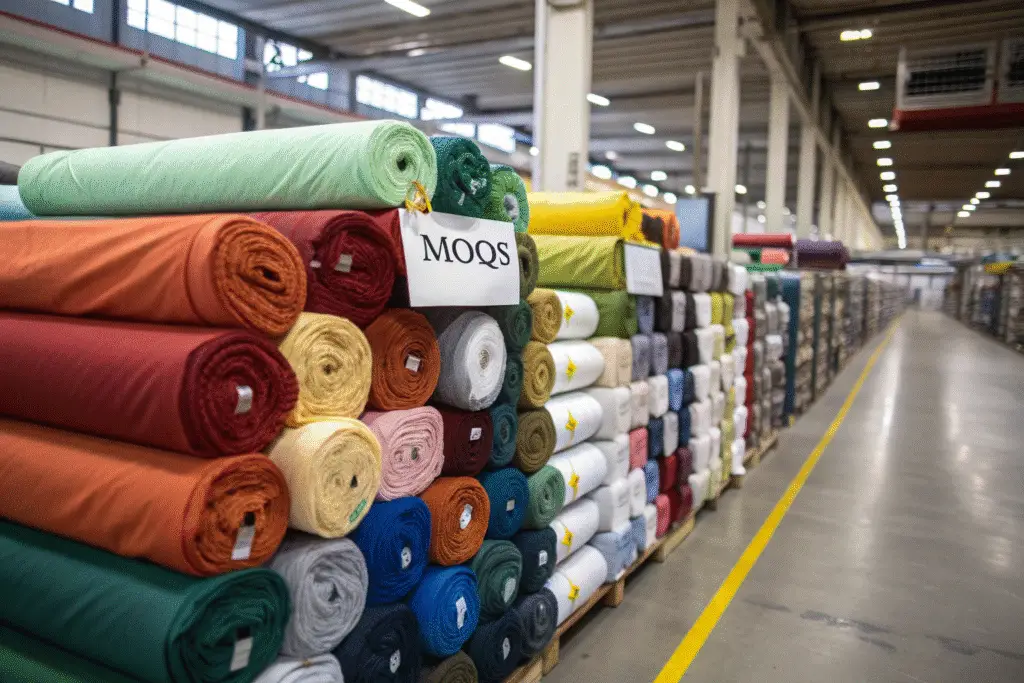
One of the biggest reasons suppliers demand high MOQs is fabric sourcing. Mills prefer selling in bulk, and leftover fabric often leads to waste. But with the right sourcing strategy, you can minimize fabric-related MOQ challenges.
Why Is Fabric Consolidation So Effective?
When you plan multiple styles around the same fabric, you increase efficiency. For example, a single cotton jersey can be used for T-shirts, polos, and even lightweight dresses. This reduces the need to order different fabrics in small quantities. Learn more about textile production.
Fabric consolidation not only minimizes MOQ but also helps you maintain consistency in quality. Your buyers will notice when the fabric feels the same across different products.
Can Deadstock And Stock Fabrics Help?
Yes, using stock fabrics or deadstock materials is another great strategy. Many mills keep leftover fabric rolls from larger productions. These can be sourced at lower MOQs and lower prices. Brands that need to test new designs before committing to bulk orders benefit greatly from this approach. You can explore more about deadstock sourcing.
Plan Collections Strategically To Align With Production
MOQ problems often arise when brands do not plan their collections in sync with production realities. By aligning collection planning with supplier capabilities, you can minimize order sizes while keeping variety.

How Can Grouping Styles Improve Efficiency?
If your seasonal collection includes 20 pieces, group them into fabric or trim families. This lets you order bulk fabric while producing multiple styles. The result is smaller MOQs per style but overall efficiency for the collection. See practical advice on fashion production planning.
I once worked with a women’s wear brand that grouped skirts, blouses, and dresses into one shared fabric story. They cut MOQ requirements by 40% without losing creativity in the line.
What About Pre-Booking Fabric?
Pre-booking fabrics before you finalize designs can help. Suppliers are more flexible if they know you are committing early. This also helps you lock in prices before fabric costs rise. Some buyers even form joint sourcing partnerships with other brands to share fabric, a growing trend in sustainable fashion. Read about sustainable fabric practices.
Partner With Factories That Offer Small Batch Production
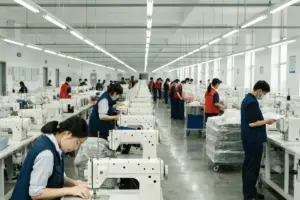
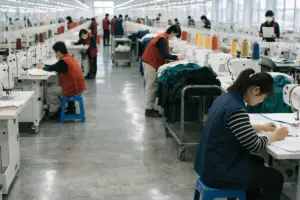
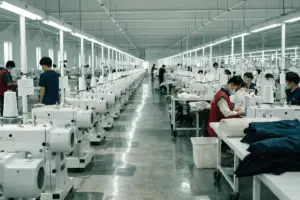
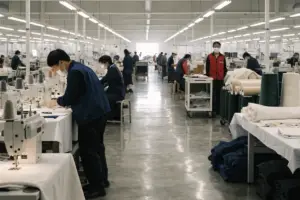
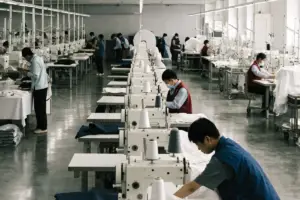
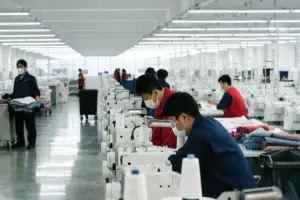
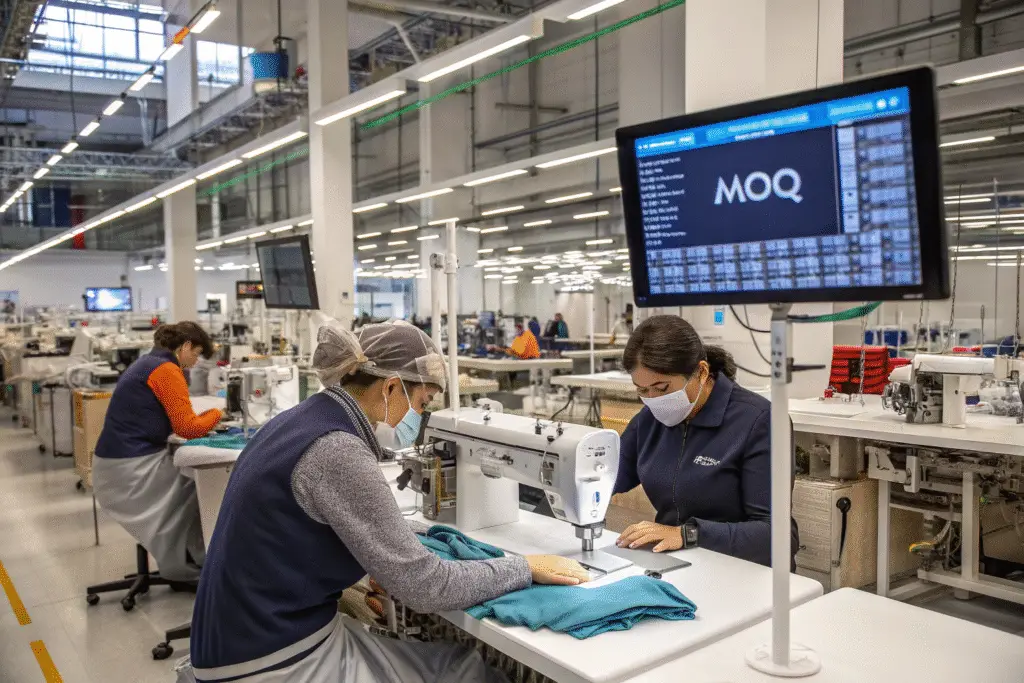
Not all factories are the same. Some specialize in mass production, while others adapt to small-batch flexible manufacturing. Partnering with the right factory is essential if minimizing MOQ is a priority.
What Defines A Flexible Manufacturing Partner?
A flexible partner invests in modular production lines and lean manufacturing. They can switch styles quickly without large setup costs. This helps reduce MOQs without sacrificing quality. You can learn more about lean manufacturing.
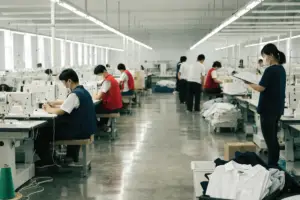
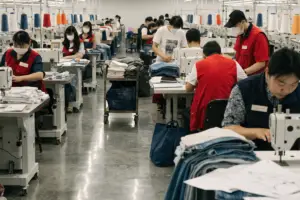
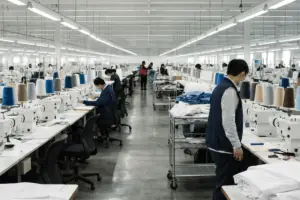
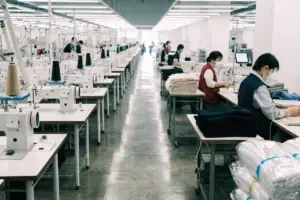
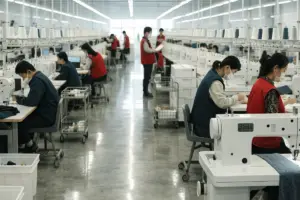
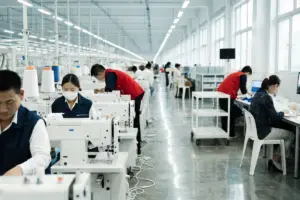
At Fumao Clothing, we have five production lines dedicated to handling both large and small orders. This allows us to support emerging brands that cannot yet place massive orders but still require professional production and timely delivery.
Why Does Quality Assurance Matter More With Small Batches?
When MOQs are low, quality control becomes even more important. Each piece carries more value. Partnering with a factory that has strong inspection systems and certifications ensures your brand reputation stays intact. Check global standards like ISO 9001 quality management for reference.
Conclusion
Minimizing MOQs is not just about cutting numbers. It is about building stronger supplier partnerships, optimizing sourcing, planning collections smartly, and choosing flexible factories. These strategies allow apparel brands to reduce risks, lower inventory, and test the market with confidence.
If you are a U.S. apparel brand owner looking for a trusted partner who can help you reduce MOQs while ensuring top quality, consider working with us at Shanghai Fumao Clothing. You can reach our Business Director Elaine at elaine@fumaoclothing.com to start your custom production journey today.