As fashion markets evolve, buyers are demanding more from fabrics than just aesthetics. Comfort, performance, and functionality are now equally important. One of the most sought-after innovations is temperature-regulating fabric, which adapts to the wearer’s body and environment. However, many apparel brands and sourcing managers struggle to identify reliable suppliers, validate certifications, and integrate these materials into production.
Temperature-regulating fabrics are disrupting sourcing by providing comfort, performance, and energy efficiency in apparel. They are increasingly used in activewear, workwear, medical uniforms, and everyday fashion.
As a manufacturer working with U.S. and European buyers, I have seen this fabric category rise quickly in demand. Let’s explore how to source them effectively.
What Are Temperature-Regulating Fabrics?
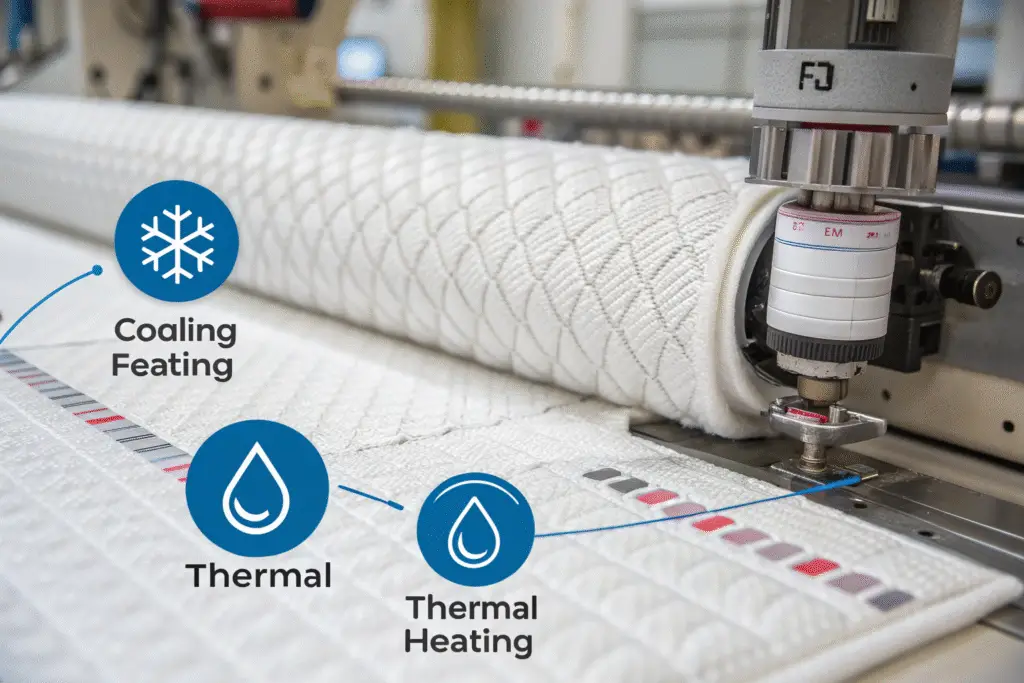
Temperature-regulating fabrics are textiles designed to maintain body comfort by absorbing, storing, and releasing heat as needed.
They are engineered using phase-change materials (PCMs), advanced coatings, or natural fibers with adaptive properties.
How Do They Work?
Some fabrics use Outlast Technologies, which incorporate PCMs that absorb and release heat. Others use breathable structures, like merino wool or bamboo blends, that naturally regulate temperature. Performance brands often combine these materials with moisture-wicking technologies.
Why Are They Important for Fashion?
Because consumers want versatile clothing that adapts to different environments. Reports from Textile World confirm that demand for temperature-regulating textiles is rising in sportswear, outdoor apparel, and professional uniforms.
What Are the Benefits for Apparel Buyers?
Temperature-regulating fabrics provide benefits not only to consumers but also to apparel buyers looking to improve brand value.
They increase product performance, consumer satisfaction, and market competitiveness.
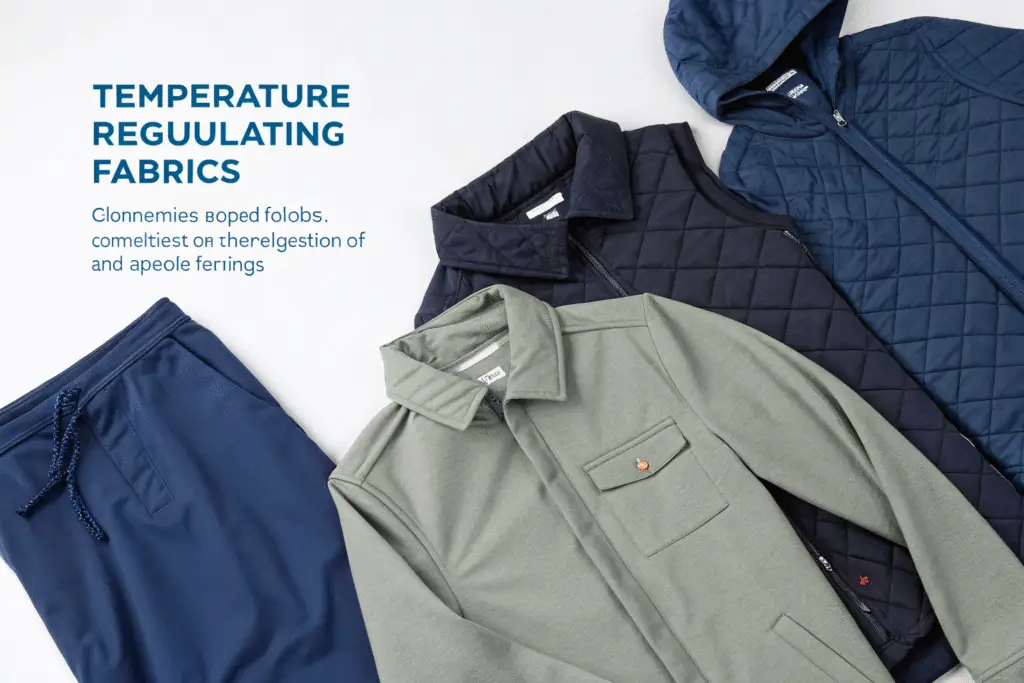
Do They Improve Consumer Comfort?
Yes. By adapting to body temperature, these fabrics prevent overheating or excessive cooling. This feature makes them popular for premium activewear and outdoor apparel. According to Business of Fashion, consumers are more loyal to functional apparel brands.
Can They Increase Profit Margins?
Absolutely. Products made with advanced fabrics often command higher retail prices. Case studies from Fibre2Fashion highlight that buyers sourcing innovative textiles often see higher sell-through rates compared to conventional fabrics.
Where Can Buyers Source These Fabrics?
Finding reliable sources is key to integrating temperature-regulating fabrics into apparel lines.
The best sources include textile innovators, specialized suppliers, and global trade shows.

Which Companies Lead in Temperature-Regulating Fabrics?
Suppliers like Outlast Technologies, Schoeller Textiles, and Polartec lead this space. They provide certified performance fabrics widely used in sportswear and outdoor industries.
Can Buyers Use Marketplaces or Trade Shows?
Yes. Platforms like Fibre2Fashion and marketplaces like Alibaba list verified suppliers. Trade events like Techtextil showcase cutting-edge textile technologies, allowing buyers to connect directly with innovators.
How to Ensure Quality and Certification?
Sourcing functional fabrics requires more than just placing orders. Buyers must validate quality through proper certifications and lab testing.
Certifications ensure performance claims are genuine and fabrics meet international safety standards.
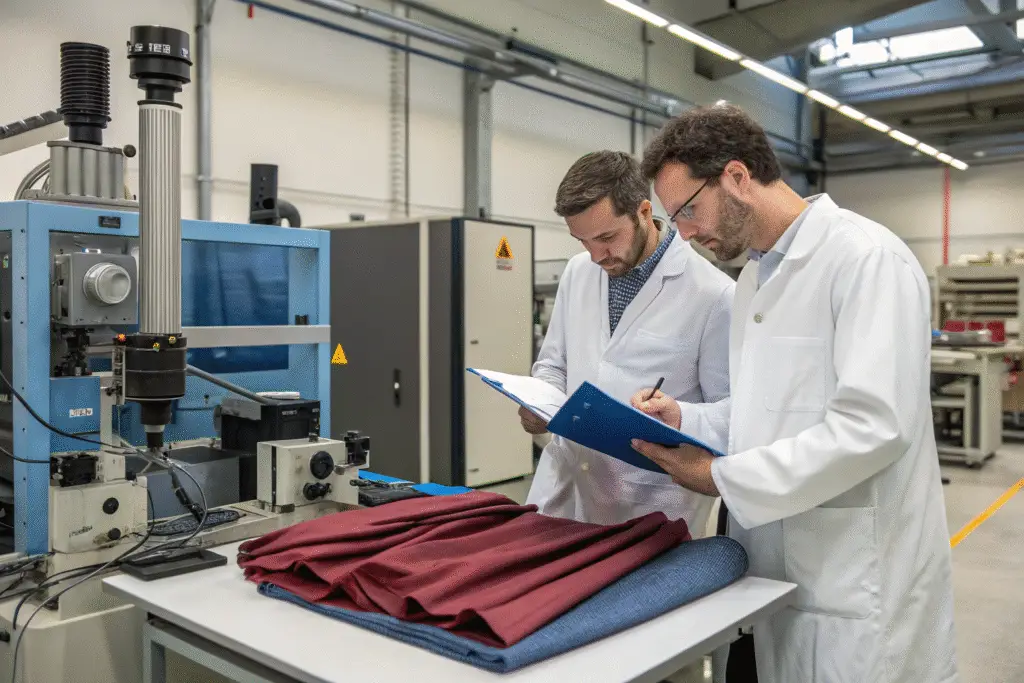
Which Certifications Should Buyers Look For?
Relevant certifications include OEKO-TEX Standard 100, which confirms safety, and ISO 11092, which measures thermal and water vapor resistance. Brands working with PCMs often highlight NASA-originated Outlast certification.
Why Is Testing Essential?
Because functional fabrics must deliver consistent performance. Without testing, buyers risk consumer complaints and returns. Reports from Apparel Resources emphasize lab verification as critical in sourcing advanced textiles.
What Is the Future of Temperature-Regulating Fabrics?
The future of this fabric category is expanding with new applications in fashion, healthcare, and smart wearables.
Next-generation fabrics will integrate AI, nanotechnology, and renewable energy solutions.
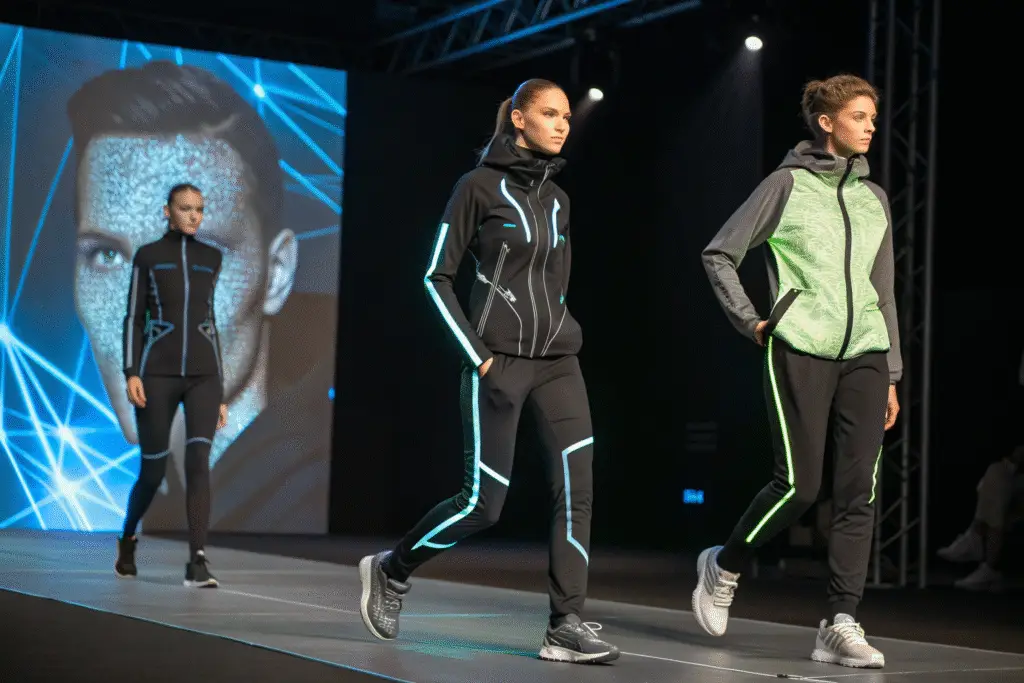
Will They Expand Beyond Sportswear?
Yes. Workwear, uniforms, and even everyday fashion will adopt temperature-regulating features. According to Vogue Business, comfort-driven innovation is one of the strongest growth areas in fashion.
How Will Technology Evolve?
Fabrics will soon integrate nanomaterials and AI sensors for real-time climate adaptation. Research from Journal of Intelligent Textiles shows that wearable tech and smart textiles are converging to create new opportunities.
Conclusion
Temperature-regulating fabrics offer apparel buyers both performance and profit advantages. They improve consumer comfort, reduce product returns, and create opportunities in premium markets. Sourcing them requires identifying trusted suppliers, verifying certifications, and leveraging trade shows or digital platforms.
As a Chinese apparel manufacturer, I have helped U.S. and European buyers integrate performance textiles into successful collections. If you want to source certified temperature-regulating fabrics for your brand, we at Shanghai Fumao are ready to collaborate. Please contact our Business Director Elaine at elaine@fumaoclothing.com to begin your next innovation-driven project.