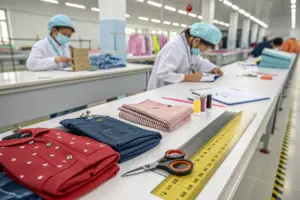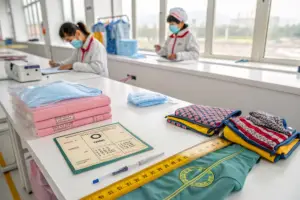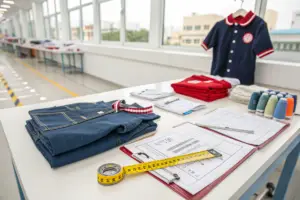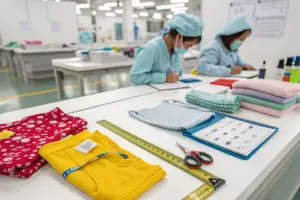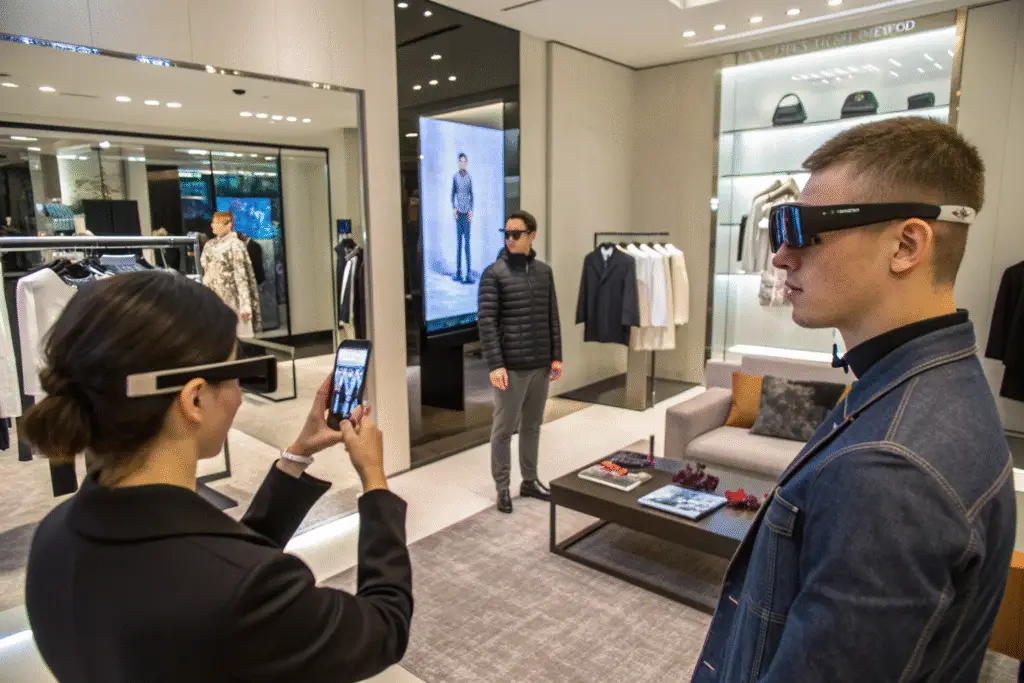
Fashion buyers and consumers alike are demanding faster, more personalized design experiences. Traditional methods of sampling and prototyping are slow, costly, and wasteful. Many apparel companies lose opportunities because they cannot show clients how custom designs will look before production.
Augmented Reality (AR) is transforming apparel sourcing and design by allowing real-time visualization of custom garments. It enables buyers to see fabrics, colors, and fits virtually—cutting costs, reducing waste, and improving customer confidence.
As a manufacturer, I have seen how U.S. and European buyers adopt AR solutions to simplify communication, accelerate sampling, and reduce risks. Let’s explore why this technology is disrupting apparel production.
What Is AR in Custom Apparel Design?
Augmented Reality overlays digital clothing designs on real-world objects or people, allowing buyers to preview custom apparel before production.
It bridges the gap between design ideas and physical prototypes by bringing 3D garments into real environments.
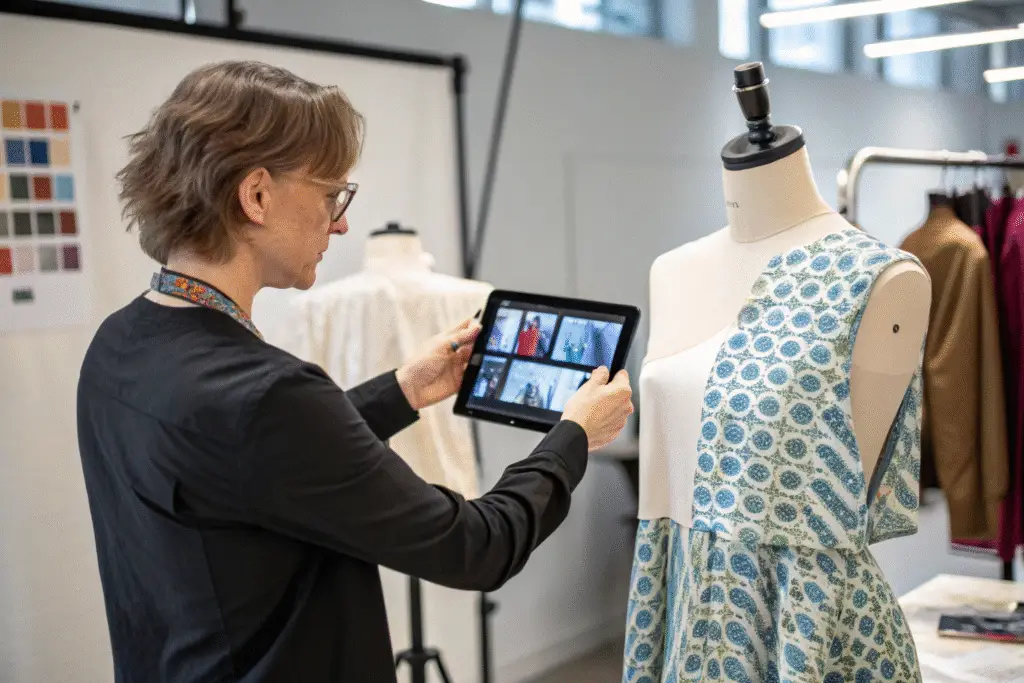
How Does AR Differ From 3D Design?
3D design tools like CLO 3D simulate garments on screens, but AR goes further by projecting those designs into reality. For example, a buyer can see how a jacket looks on their own body using a smartphone camera. Platforms like Adobe Aero make AR integration easier.
Why Is AR Gaining Popularity in Fashion?
Because buyers want faster approvals and fewer physical samples. According to Vogue Business, AR adoption in fashion is accelerating as brands shift to digital-first presentations and sustainable sourcing models.
How Does AR Improve Buyer-Supplier Communication?
One of the biggest sourcing challenges is miscommunication. Buyers often receive samples that don’t match their vision, leading to wasted time and costs.
AR helps buyers and suppliers align on design expectations early, reducing mistakes and delays.
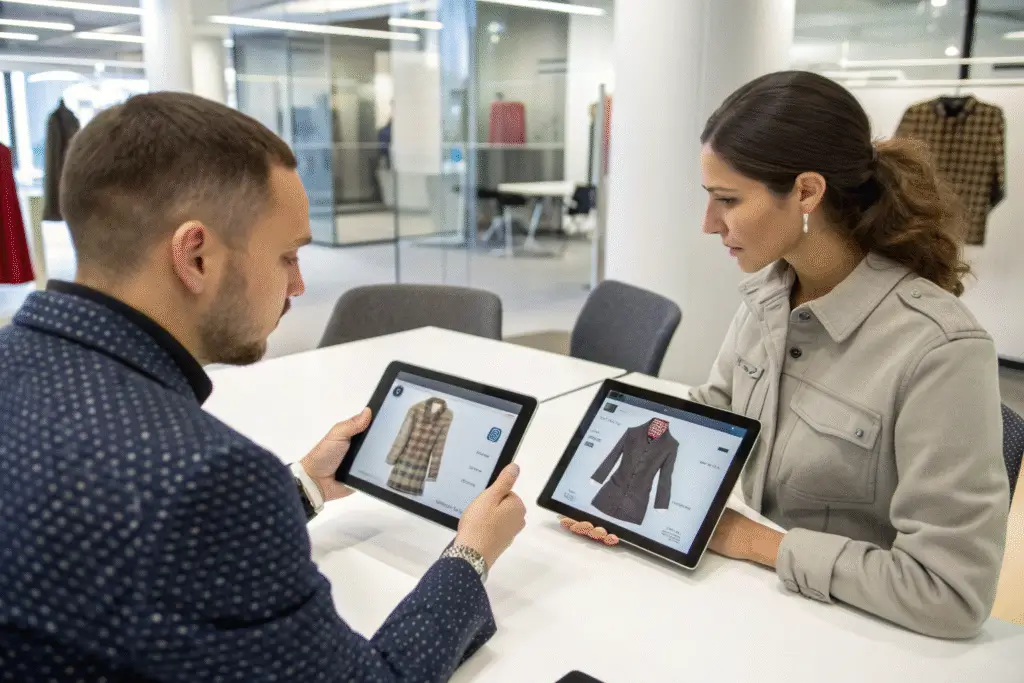
Does AR Reduce Sample Misunderstandings?
Yes. By projecting the exact design in real scale and fit, AR eliminates guesswork. Reports from Fibre2Fashion confirm that AR reduces sample iterations by up to 40%.
Can AR Support Remote Collaboration?
Absolutely. Buyers in the U.S. can preview custom garments from factories in China without waiting weeks for samples. Platforms like VNTANA provide scalable 3D-to-AR integrations for global supply chains.
What Are the Business Advantages of AR in Apparel?
AR is not just a tech upgrade; it delivers tangible business results for apparel buyers.
It cuts costs, accelerates lead times, and strengthens consumer engagement.
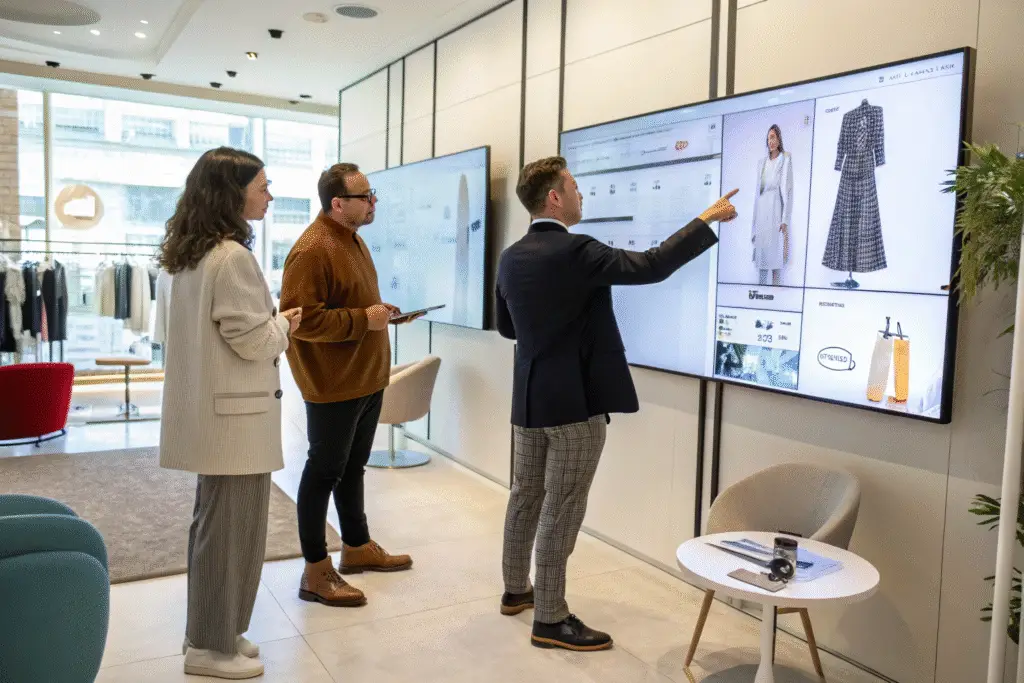
Does AR Reduce Costs?
Yes. By replacing multiple rounds of physical samples, AR reduces material waste and shipping expenses. According to McKinsey State of Fashion, digital sampling can cut design costs by up to 50%.
How Does AR Improve Speed-to-Market?
AR allows instant visualization, meaning collections can be approved and launched much faster. For fast-fashion or trend-driven buyers, this speed provides a strong competitive edge. Case studies from WWD highlight brands that cut design timelines from months to weeks using AR.
What Is the Future of AR in Custom Apparel?
AR is just beginning its impact on fashion. As hardware and software advance, its role in sourcing, retail, and consumer engagement will expand dramatically.
The future of AR in apparel includes mass customization, immersive shopping, and integration with AI-driven personalization.
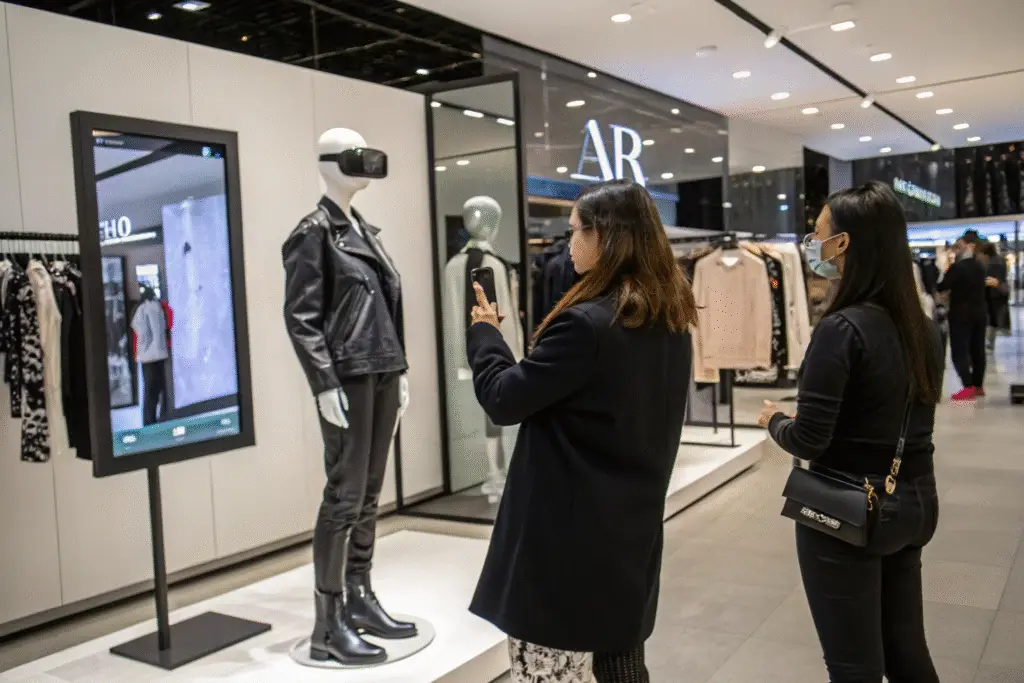
Will AR Enable Mass Customization?
Yes. Buyers will allow customers to personalize designs in real time, from fabrics to patterns, before confirming production. Research in Journal of Fashion Technology & Textile Engineering shows AR will be central to scaling customization.
How Will AR Shape Consumer Experience?
Retailers will integrate AR into online and offline shopping, letting consumers try on clothes virtually before purchasing. According to Forbes on AR Retail, AR will become standard in fashion e-commerce within five years.
Conclusion
AR for custom apparel visualization is not a gimmick—it is a business solution that improves sourcing efficiency, reduces costs, and builds consumer trust. For buyers who need speed and sustainability, AR provides a clear advantage.
As a Chinese apparel manufacturer, I encourage U.S. and European buyers to integrate AR into their sourcing strategy. If you want a reliable partner to turn digital AR visuals into physical garments, we at Shanghai Fumao are ready to collaborate. Please contact our Business Director Elaine at strong>elaine@fumaoclothing.com to begin your custom project.