The fashion industry is under increasing scrutiny. Buyers, investors, and especially consumers now expect brands to be transparent about their impact. Traditional marketing strategies that focus only on style or price are no longer enough. Many brands struggle to communicate ethical values without appearing superficial or “greenwashing.”
Ethical fashion marketing focuses on transparency, authenticity, and consumer trust. It is about showing not just what products look like, but how they are made, who makes them, and what impact they have on people and the planet.
As a manufacturer serving U.S. and European buyers, I have seen how ethical marketing improves customer loyalty and helps brands stand out in a crowded market. Let’s look at best practices.
Why Is Ethical Marketing Essential for Fashion Brands?
Ethical fashion marketing is no longer a choice; it is a requirement for credibility in today’s global markets.
It ensures brands align with consumer values, regulatory standards, and competitive pressures.

How Does It Affect Consumer Trust?
Shoppers, especially Millennials and Gen Z, want brands that reflect their values. According to McKinsey State of Fashion, 70% of younger consumers consider sustainability before purchasing. Ethical marketing directly impacts loyalty and long-term sales.
Why Is It Critical for Market Growth?
Ethical positioning differentiates brands in competitive markets. Reports from Business of Fashion show that companies investing in ethical storytelling experience stronger growth in both premium and mass-market segments.
What Strategies Define Ethical Fashion Marketing?
Ethical fashion marketing requires clear strategies that go beyond slogans.
The best practices include storytelling, transparency, inclusivity, and verifiable certifications.

How Can Storytelling Build Ethical Branding?
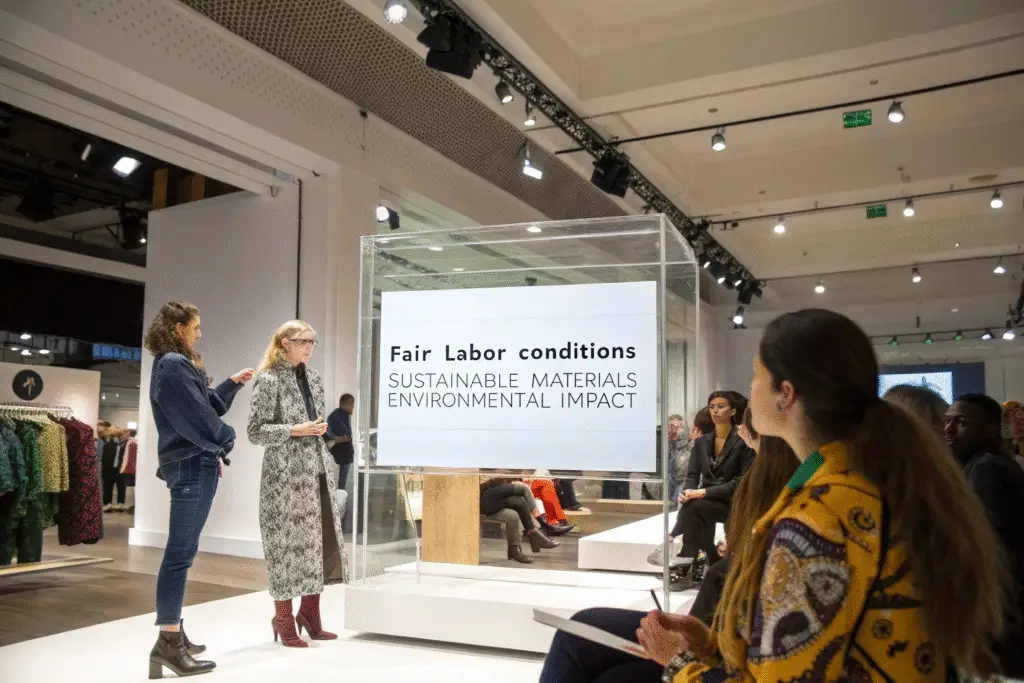
Storytelling connects consumers emotionally. Brands that highlight artisan communities, eco-materials, or factory improvements build stronger trust. Platforms like Good On You rate brands on sustainability, helping consumers discover ethical players.
Why Are Certifications Important?
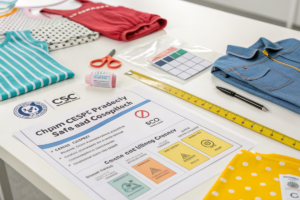
Certifications provide proof. Standards like GOTS, Fair Trade, and OEKO-TEX verify claims, avoiding accusations of greenwashing. Including these in marketing builds credibility with buyers and regulators.
Which Digital Channels Work Best for Ethical Fashion?
Digital platforms are where consumers discover, question, and validate brand values.
The most effective channels for ethical fashion include social media, brand websites, and influencer collaborations.

How Does Social Media Support Ethical Marketing?
Instagram, TikTok, and Pinterest are powerful for visual storytelling. Influencers who promote slow fashion and transparency drive higher engagement. Campaigns linked with Pinterest Predicts often forecast emerging sustainable trends.
What Role Do Websites and E-Commerce Play?
Brand websites must serve as transparency hubs. Including supply chain maps, material breakdowns, and sustainability reports strengthens credibility. Case studies from Fashion Revolution show how publishing impact reports builds stronger consumer trust.
How Can Brands Avoid Greenwashing?
One of the biggest risks in ethical fashion marketing is being accused of exaggeration. Consumers are becoming skilled at identifying greenwashing.
To avoid this, brands must communicate facts, show measurable results, and avoid vague statements.

What Are Common Greenwashing Mistakes?
Using words like “eco-friendly” or “sustainable” without proof. Highlighting one green product while the rest of the collection is not. These mistakes damage trust. Studies from Vogue Business confirm that consumers are quick to call out misleading claims.
How Can Brands Prove Their Claims?
By publishing annual impact reports, showing third-party certifications, and using clear metrics. For example, stating “this collection reduced water use by 40% compared to industry average” is far stronger than vague slogans. Insights from Sustainable Apparel Coalition recommend data-driven communication.
What Is the Future of Ethical Fashion Marketing?
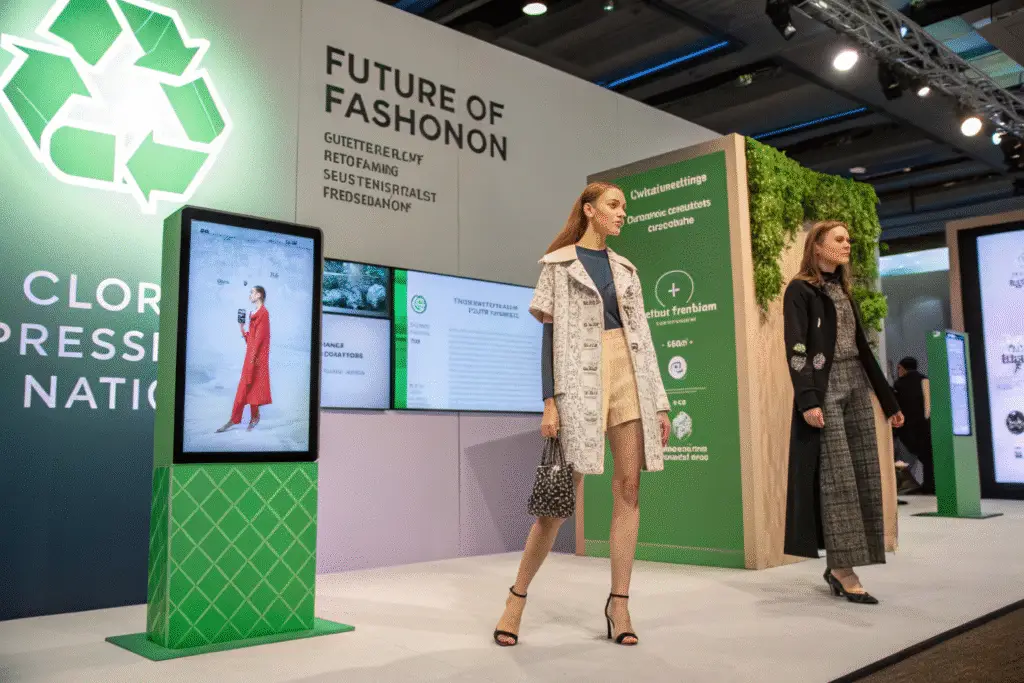
The future of fashion marketing will integrate technology and sustainability in powerful new ways.
Emerging trends include AR storytelling, blockchain transparency, and immersive consumer engagement.
Will AR and AI Enhance Ethical Branding?
Yes. AR fitting rooms and AI-driven personalization will allow consumers to see how their choices impact the planet. Research from WWD shows brands already experimenting with immersive sustainability campaigns.
How Will Blockchain Shape Transparency?
Blockchain can track every stage of production, from raw materials to retail. This technology will make supply chain claims verifiable and public. Reports from Forbes on Blockchain Fashion highlight its role in ensuring future accountability.
Conclusion
Ethical fashion marketing is no longer a niche—it is the new standard for global competitiveness. Brands that embrace transparency, certifications, and authentic storytelling gain loyal customers and long-term growth.
As a Chinese apparel manufacturer, I have seen how buyers who integrate ethical marketing strategies create stronger brand identities and attract premium consumers. If you are ready to produce sustainable garments with verified credibility, we at Shanghai Fumao are here to help. Please contact our Business Director Elaine at strong>elaine@fumaoclothing.com to start building your ethical fashion line.