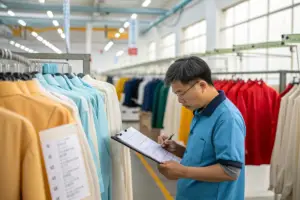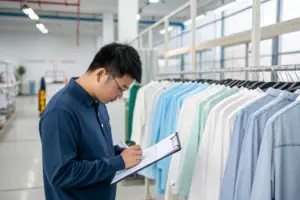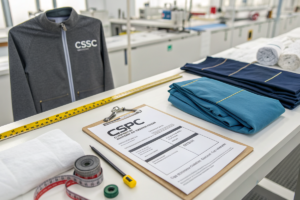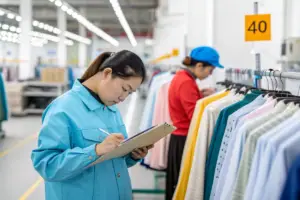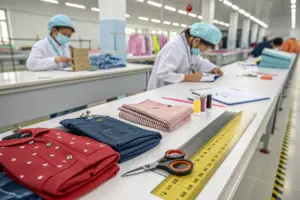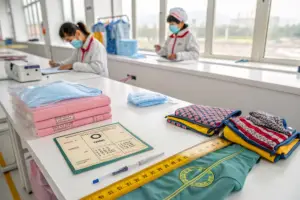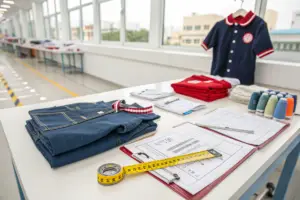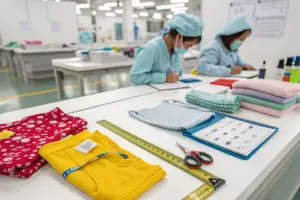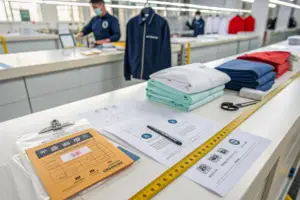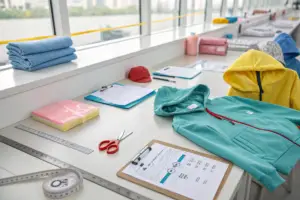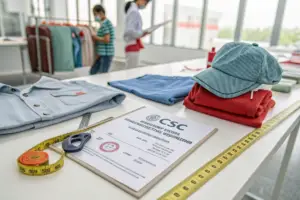
Fashion is moving away from wasteful production and toward circular systems. Brands across the U.S. and Europe are now under pressure to prove sustainability not just in words but in materials. Many buyers struggle to balance eco-conscious sourcing with cost and supply reliability.
Upcycled materials are transforming clothing lines by turning waste into value, reducing environmental impact while offering unique aesthetics. They allow brands to stand out, satisfy eco-conscious consumers, and align with global certifications.
As a factory owner in China, I have seen rising requests from buyers like Ron in the U.S. who want upcycled textiles integrated into apparel lines. Let’s explore how to source them effectively.
What Are Upcycled Materials in Fashion?
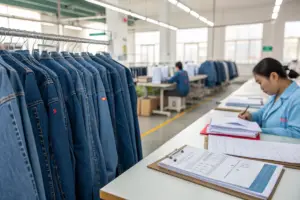
Upcycled materials are fabrics or fibers repurposed from discarded textiles, manufacturing scraps, or post-consumer waste.
They differ from recycling in that upcycling increases the value of waste, giving it new life as higher-quality products.
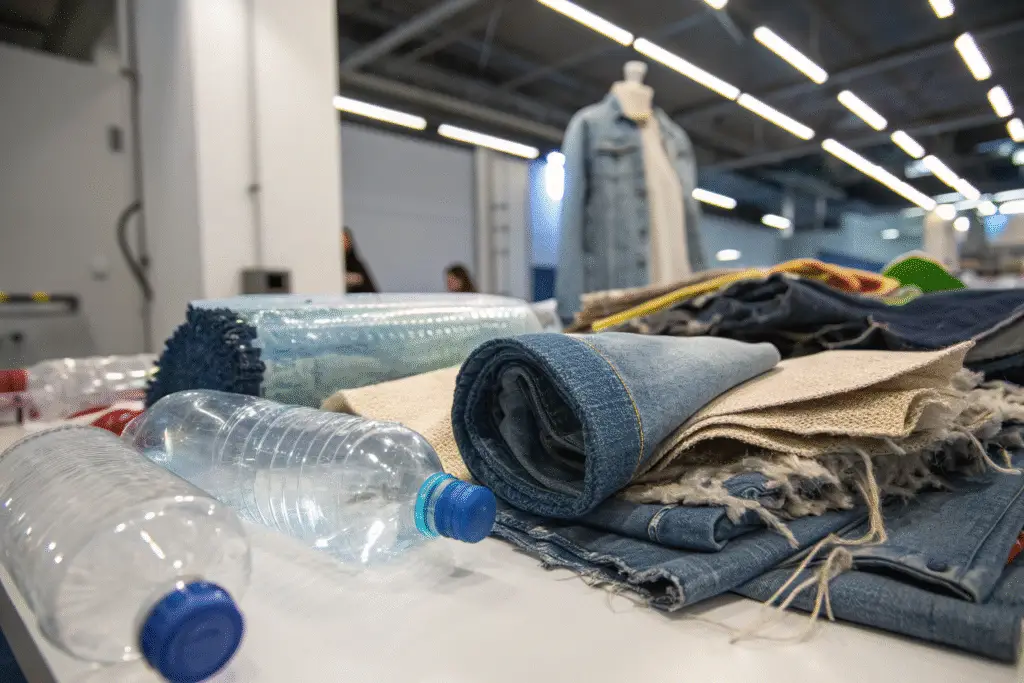
What Types of Upcycled Materials Are Commonly Used?
Common sources include post-consumer denim, factory offcuts, deadstock fabrics, and PET bottles. Innovations like Econyl regenerate nylon from fishing nets, while Parley for the Oceans transforms ocean plastics into textiles. These solutions give apparel buyers ready-to-use upcycled options.
How Do They Differ From Recycling?
Recycling often downgrades material quality, while upcycling enhances it. For example, upcycled denim can be turned into premium jackets, whereas recycled fibers may lose strength. Industry resources like Textile Exchange emphasize upcycling as a higher-value sustainability practice.
Why Should Buyers Choose Upcycled Fabrics?
Choosing upcycled fabrics offers both environmental and business advantages.
They allow brands to reduce waste, improve storytelling, and meet regulatory sustainability standards.
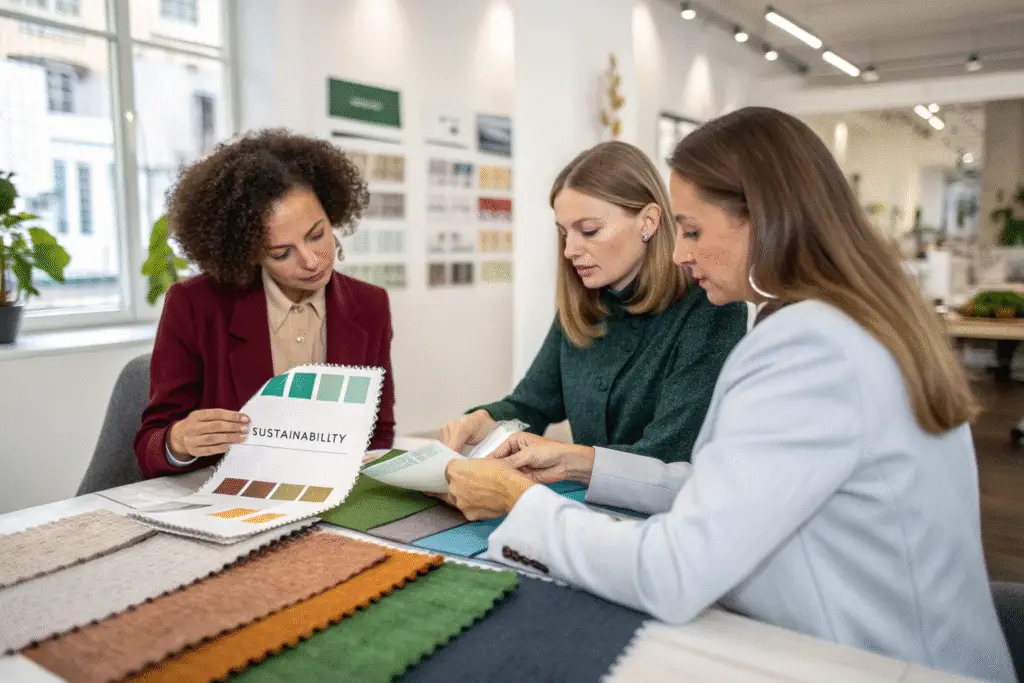
Do Upcycled Materials Improve Brand Value?
Yes. Consumers increasingly want transparency and eco-friendly products. Studies from Business of Fashion show that sustainable apparel sells faster and retains higher margins. Upcycled fabrics create a story buyers can market.
Can They Meet Certifications?
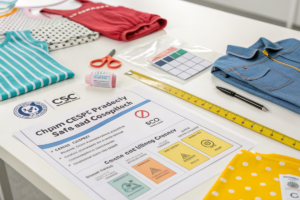
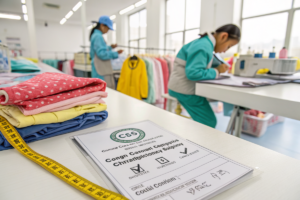
Absolutely. Many upcycled textiles qualify for certifications like Global Recycled Standard (GRS) and OEKO-TEX. These credentials reassure buyers that materials meet international safety and sustainability requirements.
Where to Source Upcycled Materials?
Finding reliable suppliers is the main challenge. Buyers must identify partners who provide both consistent quality and verified certifications.
The best sources include specialized fabric innovators, textile marketplaces, and direct supplier partnerships.
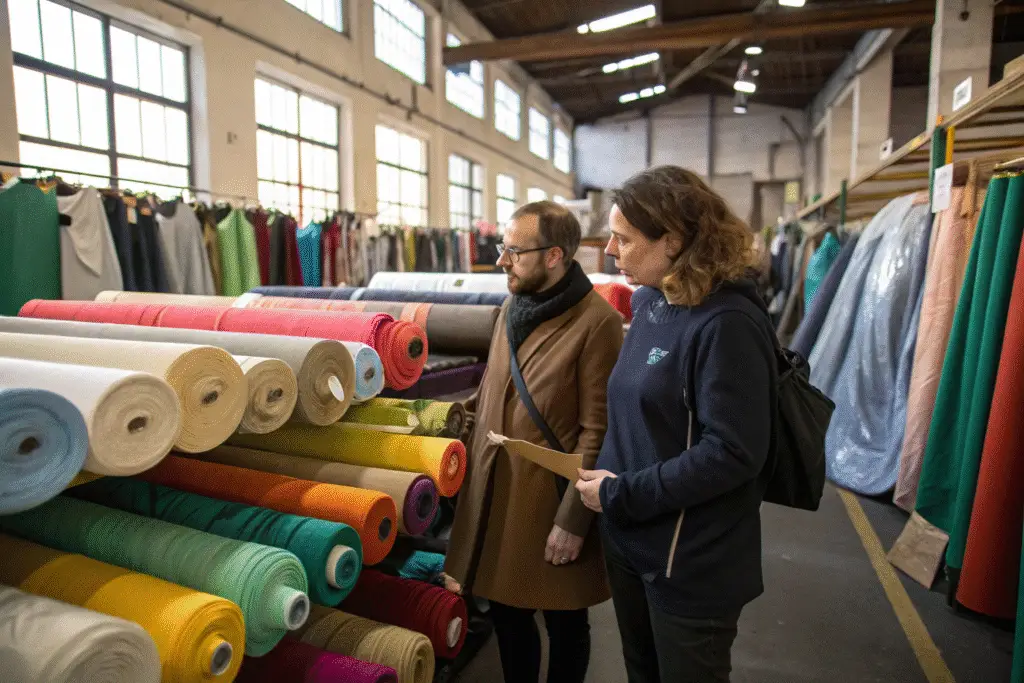
Which Innovators Lead in Upcycled Materials?
Companies like Econyl, Renewcell, and Parley for the Oceans are industry leaders. They convert waste into high-performance fabrics already used by Adidas, H&M, and Stella McCartney.
Can Buyers Source Through Marketplaces?
Yes. Platforms like Queen of Raw and Fibre2Fashion provide access to deadstock and upcycled fabrics. These marketplaces help buyers connect with verified suppliers, reducing sourcing risks.
How Do Suppliers Help With Upcycled Sourcing?
Suppliers play a crucial role in turning upcycled textiles into production-ready garments.
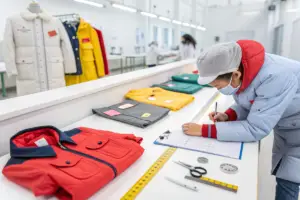
Reliable suppliers ensure certification, quality control, and efficient production of sustainable clothing lines.
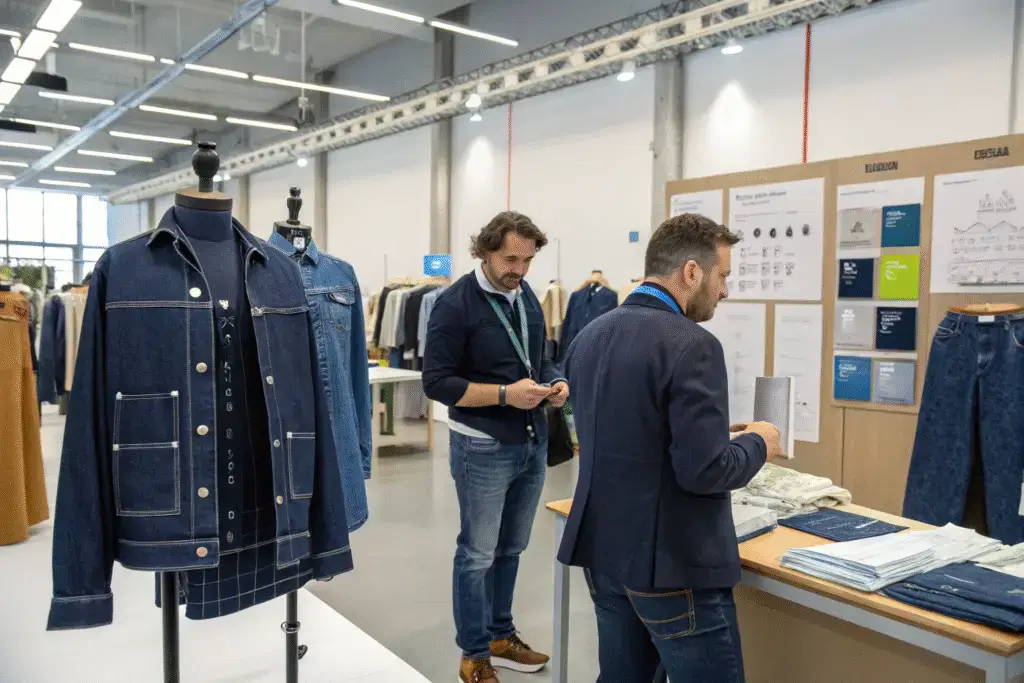
How Do Factories Integrate Upcycled Fabrics?
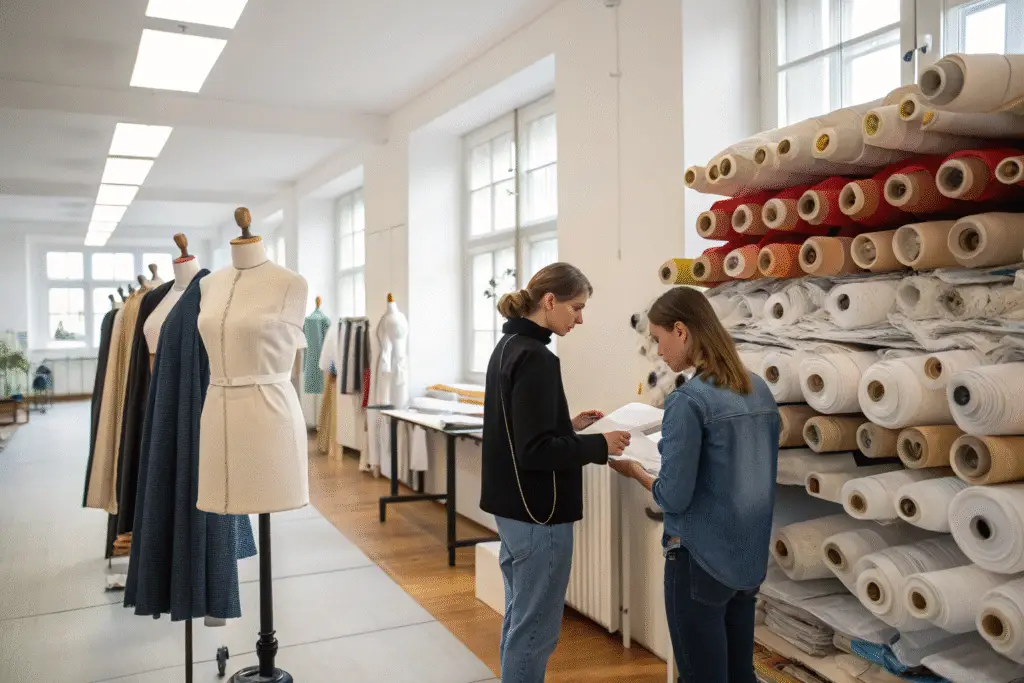
Factories must adapt cutting, sewing, and dyeing processes for upcycled materials. For example, recycled polyester behaves differently from virgin polyester. References from Textile World highlight the importance of technical expertise in handling these fabrics.
Why Is Communication With Suppliers Essential?
Because buyers need transparency in certifications, sourcing origins, and production timelines. Factories offering DDP shipping and digital updates reduce risks of delays and compliance failures. Trade shows like Première Vision also help buyers meet suppliers directly.
What Is the Future of Upcycled Materials in Fashion?
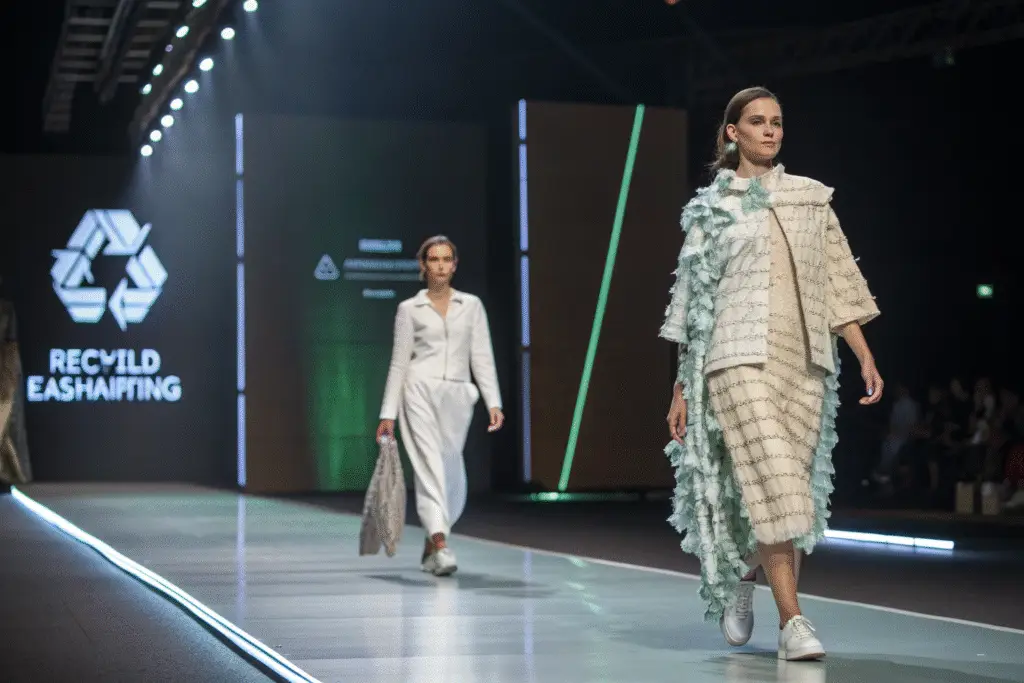
Upcycled materials are moving from niche to mainstream as consumer demand and regulation both increase.
The future lies in scaling production, diversifying material innovation, and integrating upcycling into global supply chains.
Will Upcycled Materials Become Standard?
Yes. Global regulations on textile waste are tightening. The EU’s Circular Economy Action Plan and U.S. sustainability policies push brands to adopt upcycled fabrics. Reports from Vogue Business confirm that upcycling is no longer optional but a competitive necessity.
How Will Innovation Expand Their Applications?
New technologies like chemical textile regeneration and AI-driven waste sorting will expand upcycling possibilities. Research in Journal of Cleaner Production shows these innovations will soon allow upcycled fabrics to match or even exceed virgin quality.
Conclusion
Upcycled materials solve key fashion challenges: waste reduction, sustainability compliance, and consumer demand for authenticity. They give brands unique aesthetics while meeting international certifications.
As a Chinese apparel manufacturer, I have helped U.S. and European buyers integrate upcycled fabrics into successful collections. If you are ready to build a sustainable clothing line, we at Shanghai Fumao are here to support you. Please contact our Business Director Elaine at elaine@fumaoclothing.com to begin your eco-friendly apparel project.