The apparel industry has relied on large-scale factories for decades. Mass production in China, Vietnam, and India dominated global supply chains. But today, fast-changing consumer demand, sustainability concerns, and inefficiencies in traditional models are pushing brands to look for alternatives.
The micro-factory model is disrupting apparel by offering agile production, localized supply chains, and reduced waste. It challenges the status quo of bulk manufacturing, giving brands the flexibility to produce smaller runs, test markets, and meet sustainability targets.
Having worked with U.S. and European buyers, I have seen growing interest in micro-factory sourcing. Let’s dive deeper into why this model is changing the future of fashion.
What Is the Apparel Micro-Factory Model?
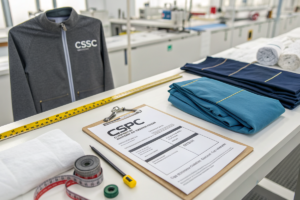
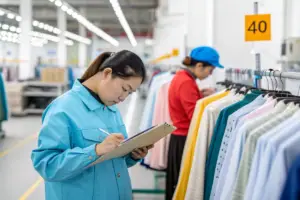
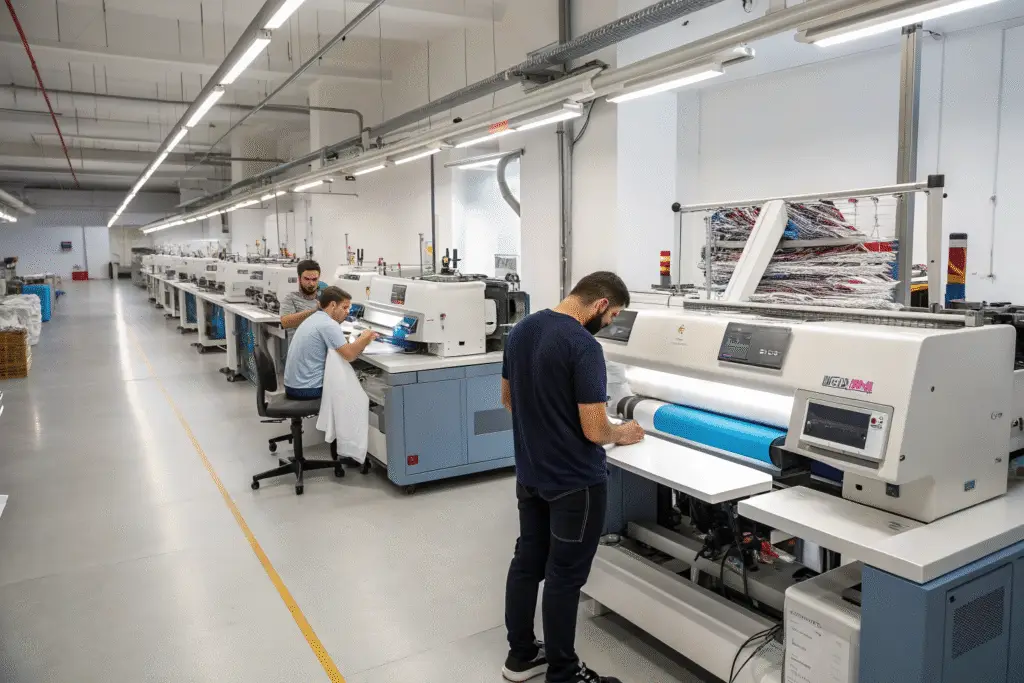
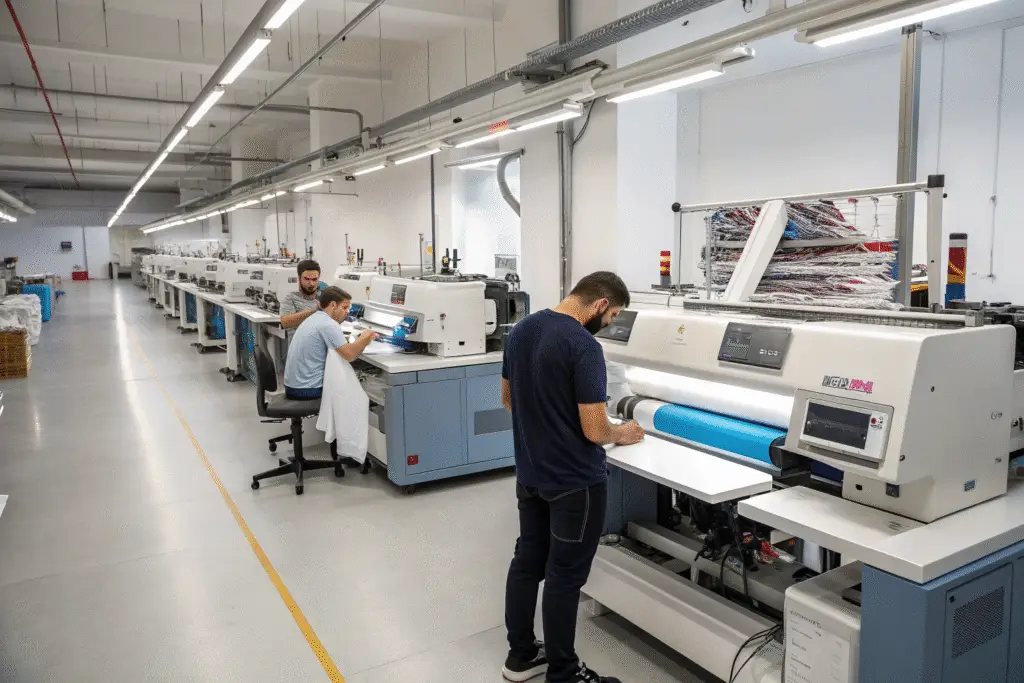
A micro-factory is a compact, technology-driven apparel production unit designed for efficiency and agility.
Unlike large factories, micro-factories focus on small-batch production, digital integration, and end-to-end processes within a smaller footprint.
How Does It Differ from Traditional Manufacturing?
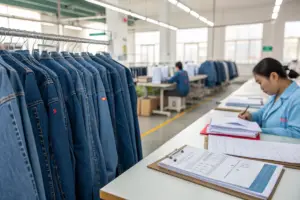
Traditional factories focus on mass production, requiring high minimum order quantities (MOQs). In contrast, micro-factories allow brands to produce small batches with shorter lead times. For example, Kornit Digital promotes on-demand textile printing solutions, enabling brands to avoid overproduction.
Why Are Brands Adopting This Model?
Because consumer demand is shifting. Buyers want fast replenishment, personalized designs, and sustainable sourcing. Micro-factories address these needs with speed, flexibility, and lower risk. Insights from Just-Style show that leading fashion companies are piloting micro-factory setups to respond to fast-changing markets.
How Does the Micro-Factory Model Support Sustainability?
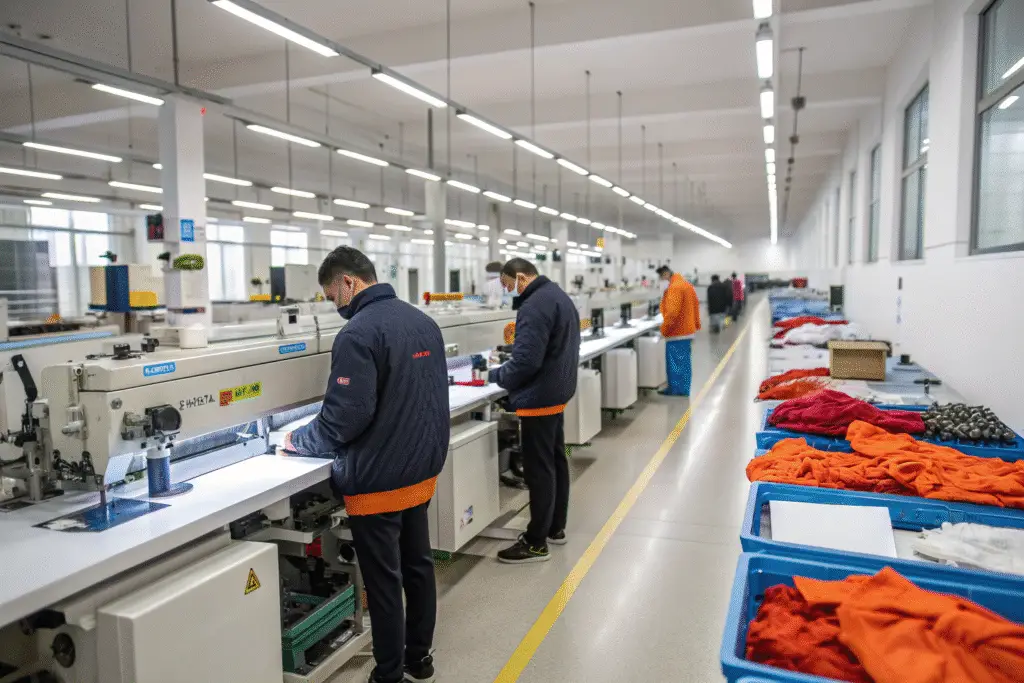
Sustainability is a driving force behind the micro-factory disruption. By producing only what is needed, companies reduce overproduction and fabric waste.
The micro-factory approach aligns with circular economy principles, reducing environmental impact while satisfying consumer demand for eco-friendly fashion.
Does It Reduce Waste and Overproduction?
Yes. Micro-factories enable brands to adopt on-demand production, creating garments only when orders are placed. According to Textile World, this reduces excess inventory and landfill waste.
Can It Support Sustainable Materials?
Absolutely. Micro-factories are often equipped to handle recycled fabrics, organic cotton, and even agro-waste fibers. Certifications like GOTS and OEKO-TEX can be integrated, making sourcing more eco-compliant. This model empowers buyers to meet strict sustainability requirements in U.S. and European markets.
What Are the Business Advantages for Apparel Buyers?
The micro-factory is not just a sustainability win—it is also a business advantage. It allows apparel buyers to align sourcing strategies with consumer behavior and reduce risks.
For buyers, the benefits include lower MOQs, faster lead times, and more reliable supply chains.
Does It Lower Financial Risk?
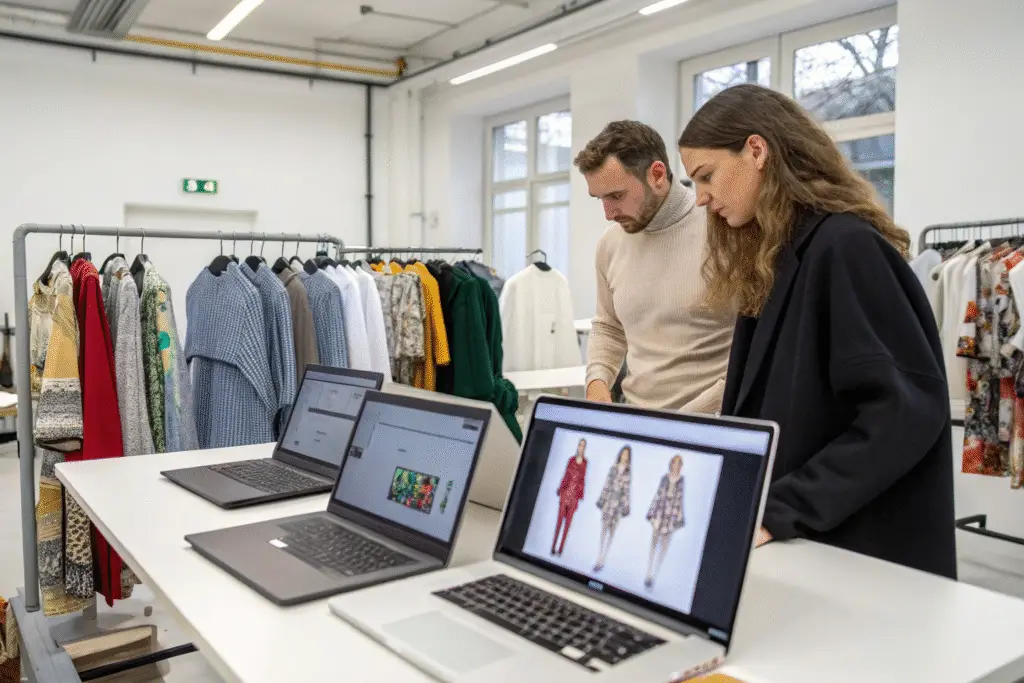
Yes. By avoiding large upfront orders, buyers reduce unsold inventory risks. Brands can test designs in smaller runs before scaling. Research from Apparel Resources shows that micro-factory adoption lowers financial exposure for buyers.
How Does It Improve Speed-to-Market?
With digital printing, automated cutting, and streamlined processes, micro-factories deliver products much faster than traditional supply chains. Buyers can respond to viral fashion trends in weeks rather than months. Tools from CLO 3D are often used to accelerate design-to-production cycles.
What Is the Future of Micro-Factories in Fashion?
The future of apparel is shifting toward localized, digital-first production. Micro-factories will likely expand globally, creating decentralized networks that serve brands in real time.
As technology improves, micro-factories will become central to reshaping fashion supply chains, balancing cost, speed, and sustainability.
Will They Replace Traditional Factories?
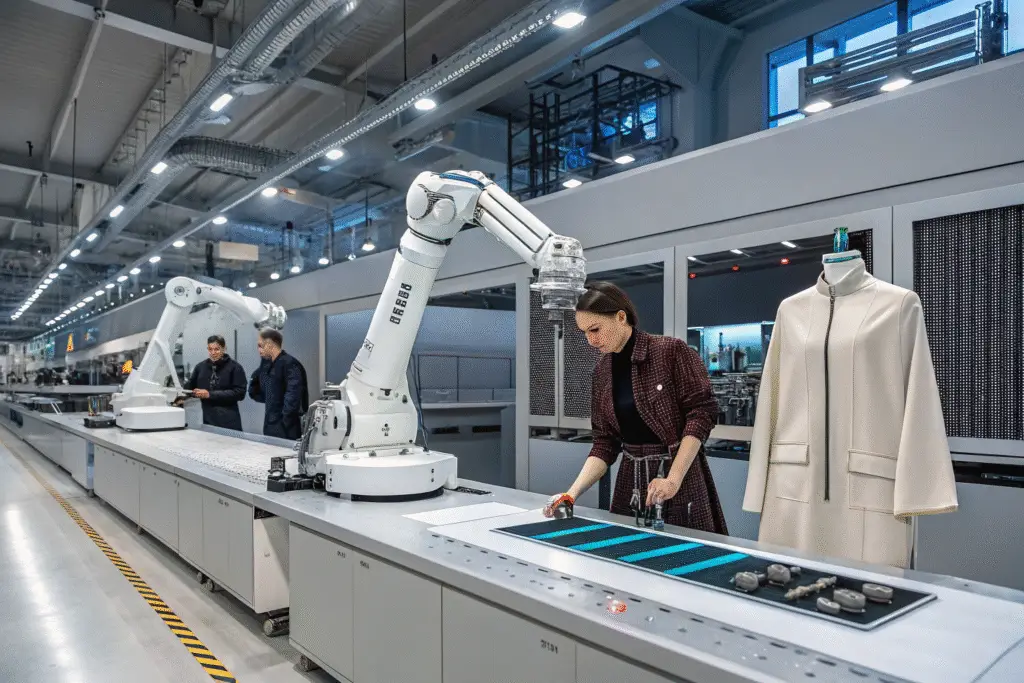
Not entirely. Large-scale production will still exist for basic garments. But for fast fashion, customized clothing, and premium sustainable collections, micro-factories will dominate. According to Vogue Business, major brands are already integrating micro-factories alongside conventional suppliers.
How Will Technology Enhance Their Role?
AI-driven forecasting, robotics, and advanced printing will push micro-factories forward. These innovations will allow brands to run global networks of local factories, reducing shipping times and carbon emissions. Research in Fashion Innovation Alliance highlights the future of localized production ecosystems.
Conclusion
The micro-factory model is not just a disruption—it is a necessary evolution for the apparel industry. It offers sustainability, efficiency, and financial flexibility for buyers who must respond to changing consumer expectations.
As a Chinese apparel manufacturer, I recognize the potential of integrating micro-factory setups to serve U.S. and European buyers with faster, smaller, and greener production. If you want to explore micro-factory solutions for your brand, we at Shanghai Fumao are ready to collaborate. Please contact our Business Director Elaine at strong>elaine@fumaoclothing.com</strong to start building your next agile apparel collection.