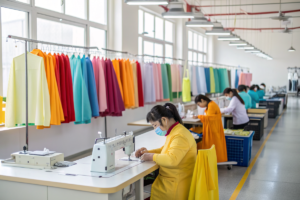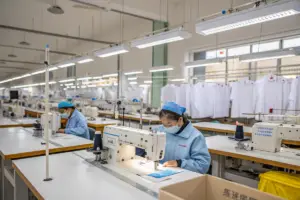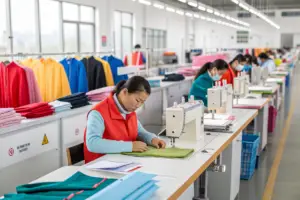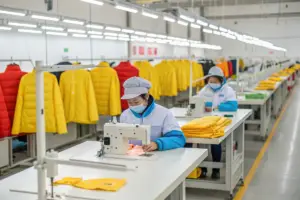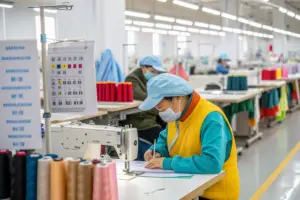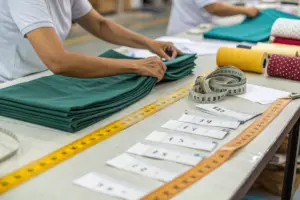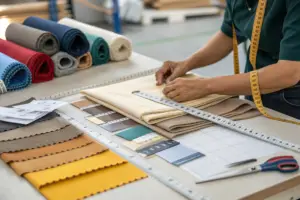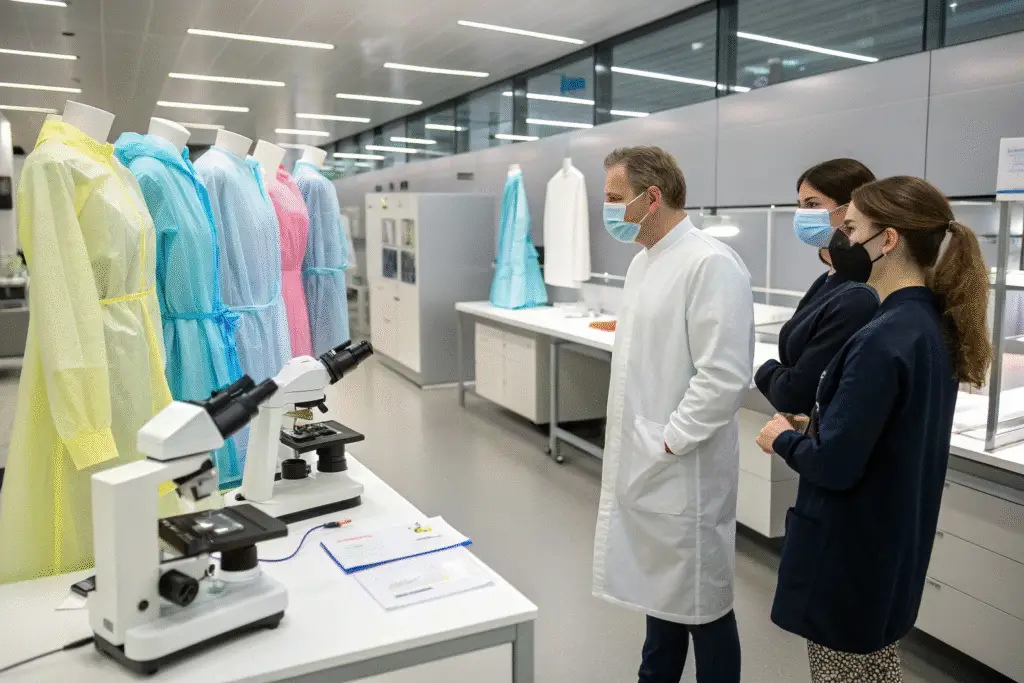
The demand for health-focused apparel has grown rapidly in recent years. Hospitals, clinics, sportswear companies, and even everyday consumers are looking for clothing that prevents bacteria growth and ensures hygiene. However, sourcing such garments is not always easy for apparel buyers. Many struggle with inconsistent certifications, lack of reliable suppliers, or confusion about the different technologies used.
Anti-microbial clothing is now a key category for health markets, offering benefits like infection control, odor resistance, and longer product lifecycles. Buyers who want to enter or expand in this niche must understand how to source efficiently and responsibly.
I have worked with U.S. and European buyers who often face challenges with supplier transparency and certification authenticity. Let me share the sourcing strategies that will help you succeed.
What Is Anti-Microbial Clothing and Why Is It Important?
Anti-microbial clothing refers to apparel treated or woven with substances that inhibit the growth of microorganisms such as bacteria, fungi, and viruses.
These garments are essential for healthcare workers, athletes, and consumers who value hygiene and durability. They prevent odor, reduce infection risks, and extend fabric lifespan.
How Does Anti-Microbial Technology Work?
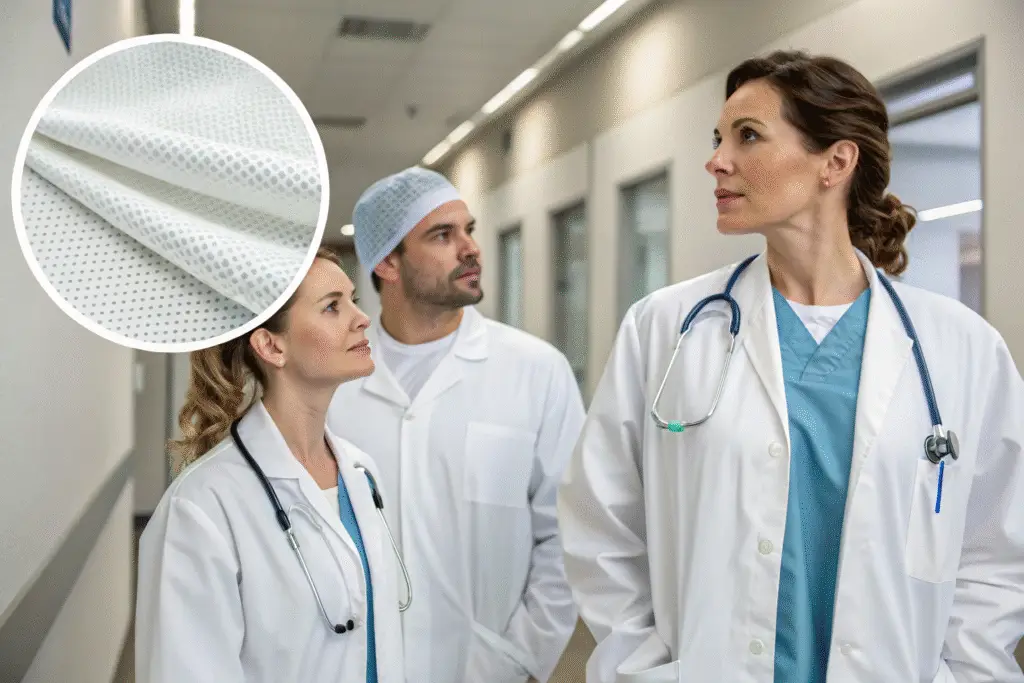
The fabrics are either treated with chemical finishes like silver ions or infused with natural agents such as bamboo and chitosan. For example, Polygiene offers odor-control finishes, while HeiQ develops bio-based antimicrobial treatments. These technologies ensure textiles remain fresh and hygienic for longer periods.
Why Is It Critical in Health Markets?
Hospitals and clinics require uniforms that protect both patients and staff. Anti-microbial scrubs, gowns, and masks reduce cross-contamination. Even outside healthcare, sportswear brands integrate these fabrics to combat sweat-related bacteria. Reports from Textile World confirm rising demand in both medical and consumer segments.
What Certifications Should Buyers Look For?
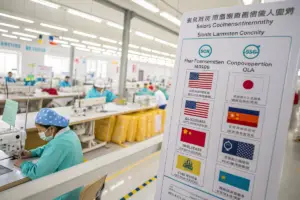
Certifications are vital for anti-microbial clothing. They provide proof that fabrics are safe, effective, and compliant with international standards.
Buyers must ensure suppliers meet globally recognized certifications to avoid compliance risks and guarantee market acceptance.
Which Are the Key Certifications?
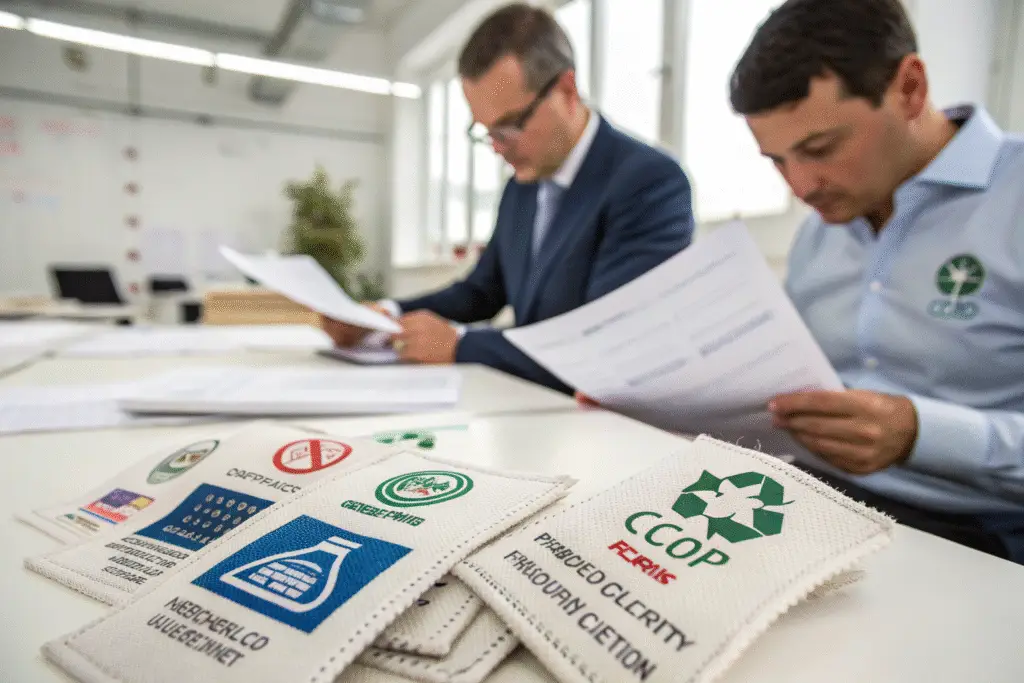
Some important certifications include OEKO-TEX Standard 100, which ensures textiles are free from harmful substances, and ISO 20743, which tests antibacterial activity on fabrics. U.S. buyers often also look for EPA approval for treated textiles, while European buyers rely on REACH compliance.
Why Do Certifications Matter in Sourcing?
Because they build trust. Without valid certification, buyers risk importing products that fail compliance tests, leading to financial losses and reputational damage. Certifications also give consumers confidence, making the garments more marketable. The Sustainable Apparel Coalition emphasizes verified certifications as a cornerstone of responsible sourcing.
How to Identify Reliable Anti-Microbial Clothing Suppliers?
Not all suppliers can meet the strict requirements for anti-microbial clothing. Buyers need to carefully evaluate factories to ensure they deliver consistent quality and compliance.
Reliable suppliers provide full transparency, valid certifications, and efficient production for health-focused apparel markets.
What Qualities Define a Reliable Supplier?
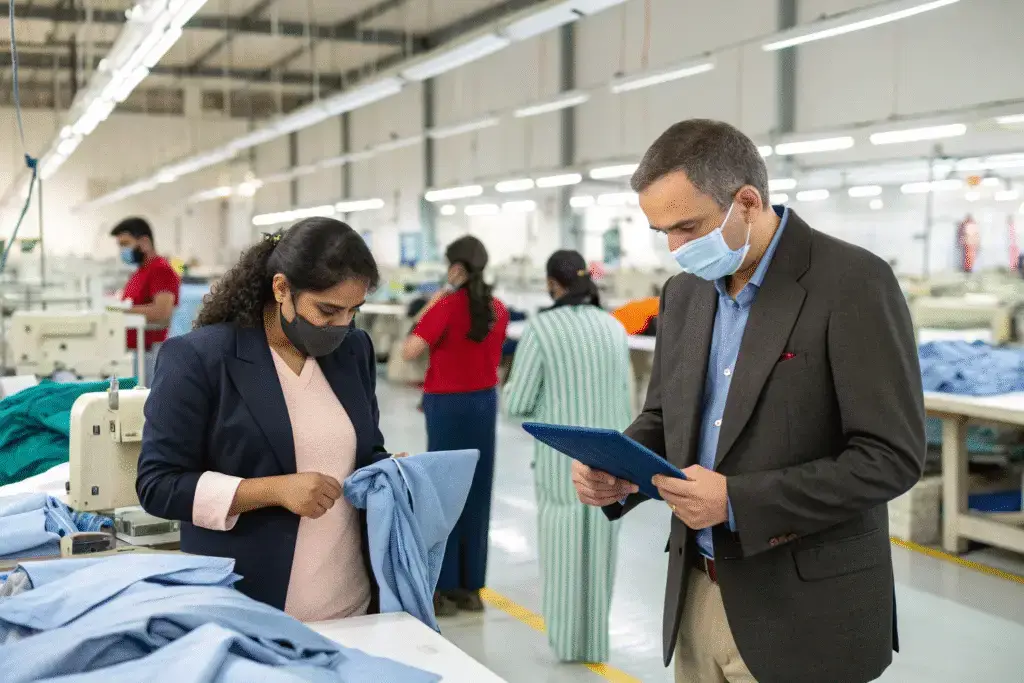
A dependable supplier will show certifications, provide lab test results, and have experience producing healthcare or performance garments. References from Fibre2Fashion suggest buyers should review past export history and quality audits before signing contracts.
How Can Buyers Avoid Common Pitfalls?
Many buyers face issues with late deliveries, falsified certificates, or poor quality. To avoid this, choose factories that offer DDP shipping, transparent communication, and clear timelines. Using sourcing platforms like Alibaba Verified Suppliers or attending exhibitions such as Techtextil helps identify trustworthy partners.
What Are the Business Benefits of Anti-Microbial Apparel?
Anti-microbial clothing is more than a functional product—it is a profitable niche with expanding demand across markets.
The business advantages include higher consumer appeal, premium pricing opportunities, and diversified market segments.
Does It Improve Consumer Loyalty?
Yes. Consumers trust apparel that guarantees hygiene and freshness. Sportswear with antimicrobial finishes often gains repeat customers. According to McKinsey State of Fashion, health and wellness-driven apparel categories are growing faster than traditional ones.
Can Buyers Achieve Better Margins?
Absolutely. Anti-microbial garments command higher prices due to added functionality. Hospitals, gyms, and even fashion retailers are willing to pay more for quality assurance. Studies in Journal of Textile Science highlight the long-term profitability of functional fabrics.
Conclusion
Sourcing anti-microbial clothing for health markets requires understanding technology, certifications, and supplier reliability. Buyers who succeed in this niche secure stronger brand value, consumer trust, and premium market positioning.
As a Chinese apparel manufacturer, I have supported U.S. and European buyers in sourcing anti-microbial garments that meet strict healthcare and sportswear standards. If you are looking for a trustworthy partner to produce certified, high-quality anti-microbial apparel, we at Shanghai Fumao are ready to assist. Please contact our Business Director Elaine at strong>elaine@fumaoclothing.com to start your project.