The fashion industry is under increasing pressure to shift away from resource-heavy materials. Conventional cotton, polyester, and synthetic fibers dominate global production, but their environmental impact is enormous. From water pollution to carbon emissions, buyers and apparel companies now seek cleaner alternatives. Many still struggle with balancing sustainability and cost, while meeting rising consumer expectations.
Agro-waste fibers, derived from agricultural by-products, are emerging as one of the most promising sustainable textile options. They turn what was once discarded—such as banana stems, pineapple leaves, or coconut husks—into high-value fabrics. This approach helps reduce waste, cuts carbon footprints, and creates business opportunities in both agriculture and fashion.
Having worked with U.S. and European buyers, I have seen firsthand how agro-waste textiles help brands position themselves as sustainable leaders while keeping production competitive. Let me explain why this choice is a game-changer.
What Are Agro-Waste Fibers in Textiles?
Agro-waste fibers are made from the by-products of farming. Instead of burning or discarding agricultural waste, technology transforms these materials into strong, versatile, and sustainable fabrics.
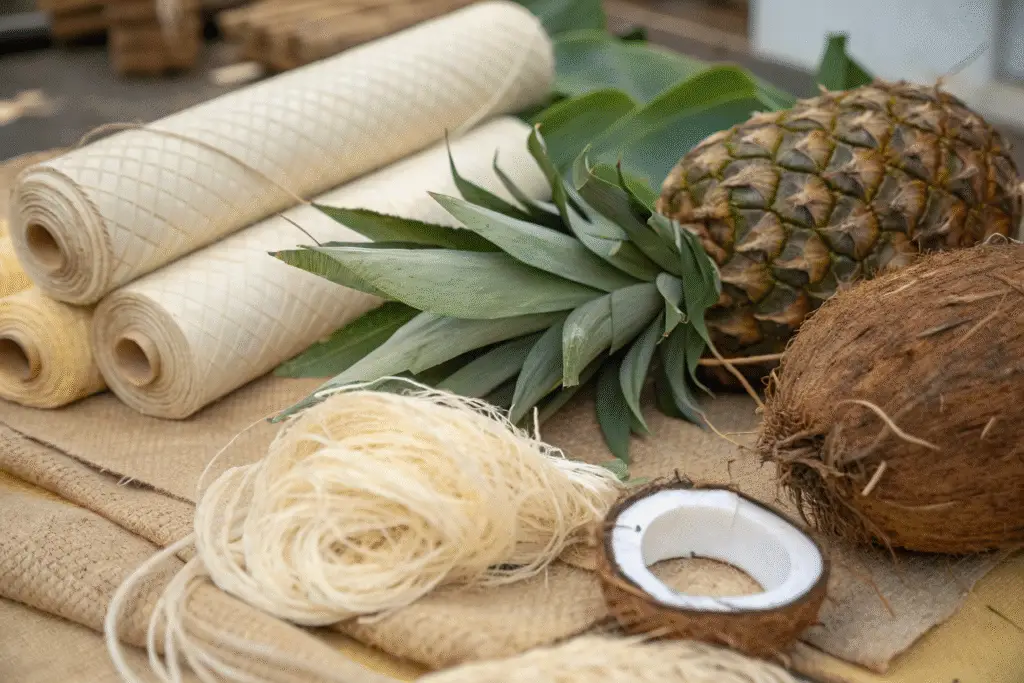
These fibers include banana, pineapple, coconut coir, hemp stalks, and even rice straw. They are renewable, biodegradable, and ideal for sustainable garment production.
How Are Agro-Waste Fibers Processed Into Textiles?
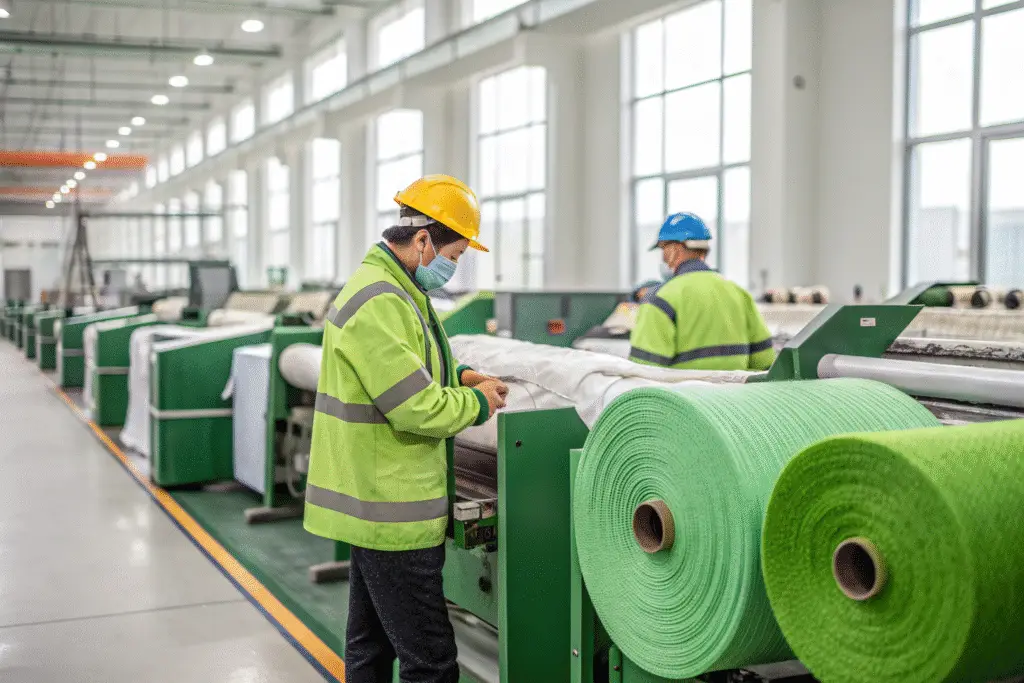
The process depends on the material. For example, Piñatex uses pineapple leaf fibers, extracting cellulose and bonding them into nonwoven fabrics. Banana fibers are processed from pseudo-stems and woven into strong textiles. Coconut husks are spun into coir yarns used for both fashion and interiors. This innovation transforms low-value waste into high-demand raw materials, similar to how Innovative Textile Technologies explores material upcycling.
Why Are They Different From Conventional Fibers?
Unlike cotton, which requires high water and pesticide use, agro-waste fibers use materials that already exist as leftovers. They reduce pressure on farmland and avoid competition with food crops. Compared to synthetic fibers like polyester, agro-waste textiles generate lower emissions and avoid microplastic pollution. Resources from Textile Exchange confirm the rising role of agro-waste in sustainable sourcing.
How Do Agro-Waste Fibers Support Sustainability?
Sustainability is no longer a marketing buzzword—it is a buyer requirement. Agro-waste fibers align perfectly with these demands by addressing waste management, emissions, and eco-certifications.
Agro-waste fibers promote circularity, lower carbon footprints, and meet the growing demand for sustainable certifications.
Do Agro-Waste Fibers Reduce Waste and Emissions?
Yes. Instead of burning crop residues, which creates air pollution, these fibers repurpose the materials into fabrics. This reduces greenhouse gas emissions while adding value to agricultural supply chains. Reports from Sustainable Apparel Coalition highlight that textile circularity reduces lifecycle impacts significantly.
Can They Meet Certification Standards?
Agro-waste fibers can meet standards such as Global Organic Textile Standard and OEKO-TEX. Buyers gain confidence that fabrics are safe, sustainable, and suitable for eco-conscious consumers. Many factories in Asia and Europe now integrate agro-waste fibers into certified supply chains to meet U.S. and European import requirements.
What Are the Business Advantages for Apparel Buyers?
For buyers, sustainability is not just an ethical choice—it is also a competitive advantage. Agro-waste fibers offer multiple benefits in terms of branding, cost savings, and consumer appeal.
Apparel companies adopting agro-waste textiles differentiate themselves with unique fabrics, better storytelling, and long-term supply reliability.

Do Agro-Waste Fibers Improve Brand Value?
Yes. Using agro-waste materials positions brands as innovators in sustainability. Consumers increasingly look for eco-friendly fabrics, and products with strong origin stories command premium pricing. Market studies from Business of Fashion show that eco-conscious products grow faster than conventional ones.
Are Agro-Waste Textiles Cost-Effective?
While initial processing costs may be higher, the long-term savings from waste reduction and certification advantages balance expenses. Moreover, brands reduce reputational risks associated with unsustainable sourcing. Insights from Fibre2Fashion highlight that buyers adopting sustainable materials often achieve higher market performance.
What Is the Future of Agro-Waste Fibers in Fashion?
Agro-waste textiles are still new, but their future is promising. As innovation scales, these fabrics will move from niche to mainstream, reshaping the industry’s supply chain.
The future lies in broader adoption, better processing technology, and global consumer demand for sustainable fabrics.

Will Agro-Waste Fibers Become Mainstream?
Yes. With global brands experimenting in collections, demand is growing. For example, Piñatex is now used by Hugo Boss and H&M. As costs decrease, more buyers will adopt these fibers for mass production.
How Will Innovation Expand Their Applications?
New blends and composites are being developed to make agro-waste fibers more versatile, durable, and fashion-forward. Research in Journal of Textile Science shows that innovations in nanotechnology and bio-finishing will expand their potential in sportswear, outerwear, and luxury fashion.
Conclusion
Agro-waste fibers offer a powerful solution to the fashion industry’s sustainability challenges. They reduce waste, meet certification standards, and provide unique storytelling opportunities for brands.
As a Chinese apparel manufacturer, I have seen growing buyer interest in these fabrics from the U.S. and Europe. Early adoption not only strengthens brand reputation but also ensures supply chain resilience in a rapidly changing market. If you are a fashion buyer or brand owner looking to integrate sustainable textiles into your collection, we at Shanghai Fumao are ready to support you. Please contact our Business Director Elaine at strong>elaine@fumaoclothing.com</strong to start your eco-friendly project.