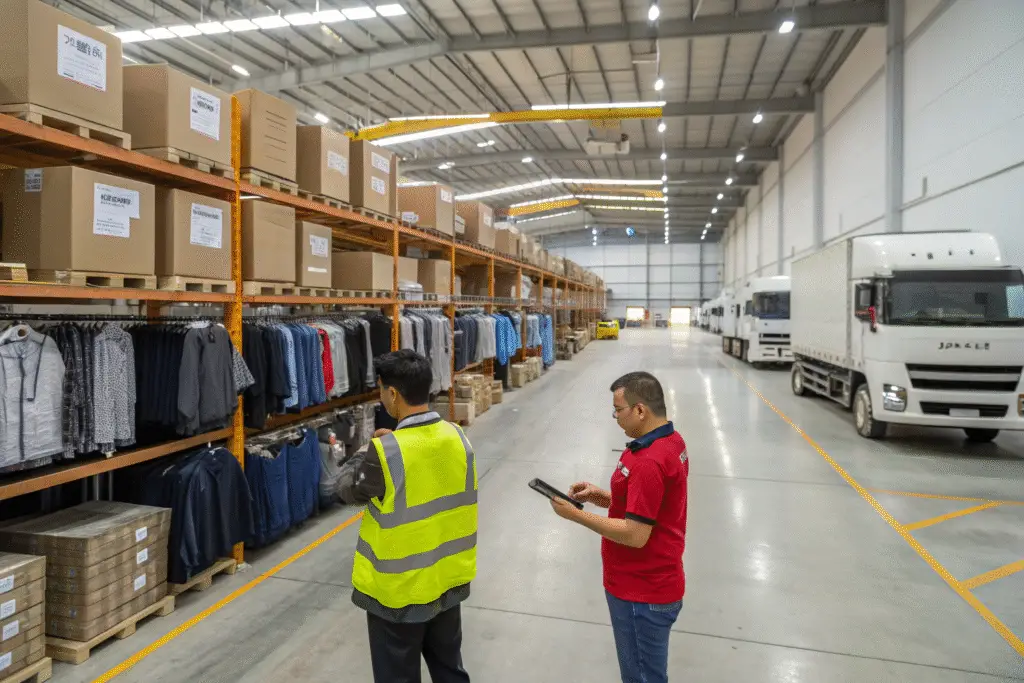
The apparel industry faces constant challenges in managing supply chains. Many brands lose money due to inventory errors, shipment delays, and inefficient warehouse operations. These issues often result in missed sales opportunities and frustrated customers.
RFID technology solves these problems by providing real-time visibility, faster tracking, and higher accuracy in garment logistics. It helps brands improve efficiency, reduce costs, and ensure on-time delivery to global markets.
This article will explain why RFID is becoming essential in apparel logistics, how it works, its benefits for brands, and how it compares to traditional barcodes.
How Does RFID Improve Inventory Accuracy?
Inventory errors are one of the biggest issues in garment logistics. Manual counting or barcode-only systems are often slow and inaccurate.
RFID increases inventory accuracy up to 99%, ensuring brands always know what stock is available and where it is located.
This improvement reduces both overstocking and stockouts.
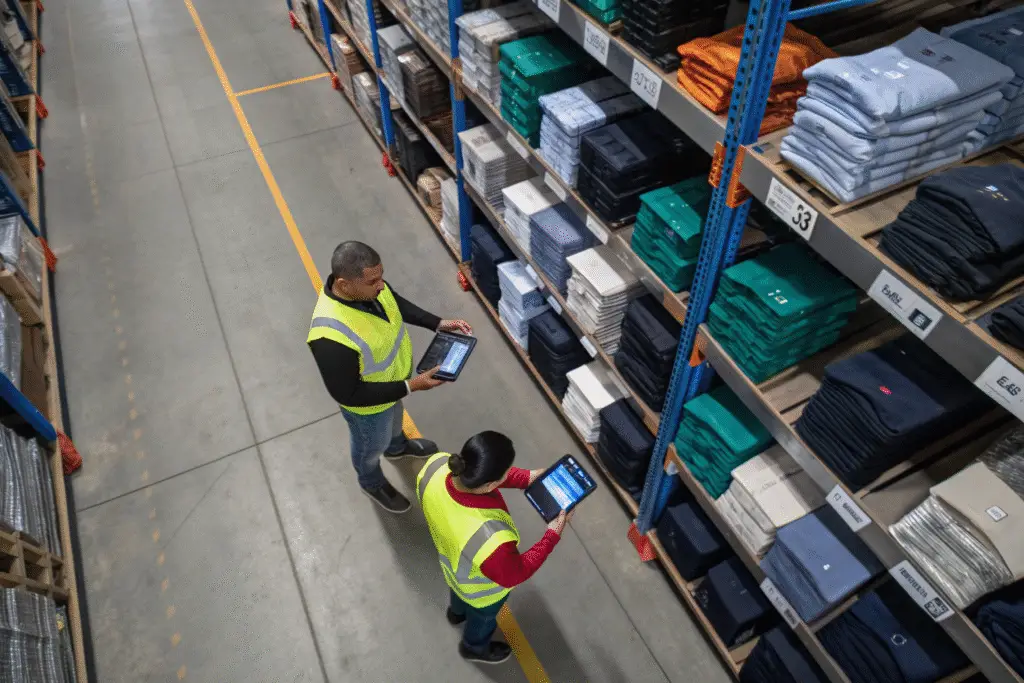
Can RFID Reduce Manual Labor in Counting Stock?
Yes. With RFID, workers can scan hundreds of garments at once without opening boxes. Studies by GS1 show that RFID reduces labor costs and improves speed compared to traditional barcode systems.
How Do Real-Time Updates Benefit Retailers?
Retailers connected to RFID systems receive instant updates on inventory. According to RFID Journal, this allows them to avoid selling products that are out of stock and improves customer satisfaction.
Why Is RFID Faster Than Traditional Barcodes?
Barcodes require line-of-sight scanning, which slows down warehouse operations. RFID tags can be read from several meters away and in bulk.
This makes RFID up to 20 times faster than traditional barcode scanning in garment logistics.
Speed matters when dealing with thousands of garments moving through warehouses every day.

How Does Bulk Scanning Save Time?
Unlike barcodes, RFID readers can process multiple tags at once. Research by AIM Global confirms that bulk scanning significantly reduces processing time in logistics.
Can RFID Reduce Errors in Shipment Handling?
Yes. Errors often happen when barcodes are misread or skipped. With RFID, automated scans catch mistakes before shipment. This ensures smoother logistics and fewer customer complaints. See more at Supply Chain Digital.
How Does RFID Enhance Supply Chain Visibility?
Global apparel supply chains are complex, with goods moving from factories to distribution centers, and then to retailers. Tracking these shipments can be difficult.
RFID provides end-to-end visibility, allowing brands to monitor their products at every stage of the supply chain.
This visibility helps brands improve planning and avoid costly delays.

Why Do Brands Value End-to-End Tracking?
With RFID, brands can trace garments from production to store shelves. According to DHL Logistics, this transparency improves accountability and strengthens trust between suppliers and buyers.
Can RFID Help Prevent Theft and Loss?
Yes. RFID systems can trigger alerts when items move unexpectedly. Many warehouses use them to reduce theft, saving millions annually. Checkpoint Systems provides examples of RFID in loss prevention.
Is RFID Cost-Effective for Apparel Companies?
Some companies hesitate to adopt RFID because of the initial cost of tags and readers. However, long-term savings often outweigh the investment.
RFID reduces labor costs, minimizes errors, and increases efficiency, making it a cost-effective solution for apparel logistics.
When implemented at scale, RFID brings strong financial benefits.

How Do Lower Labor Costs Justify RFID?
By replacing manual counting and barcode scanning, RFID reduces workforce hours. Reports from Accenture show apparel companies can recover RFID costs within 1–2 years.
Can RFID Increase Profit Margins?
Yes. Faster operations, accurate stock levels, and fewer errors all contribute to higher margins. McKinsey states that apparel brands using RFID often see higher revenue due to improved availability.
Conclusion
RFID technology is transforming garment logistics by improving accuracy, speeding up operations, and providing supply chain visibility. It also enhances security and delivers cost savings in the long run.
At Shanghai Fumao Clothing, we use RFID to support seamless export and logistics services for our global apparel clients. If you want to improve efficiency in your garment supply chain with RFID solutions, contact our Business Director Elaine at strong>elaine@fumaoclothing.com</strong.